Quick Overview: The Premier Choice for Commercial Luxury
In the sophisticated realm of commercial architecture and high-end residential design, balancing strict budget constraints with the relentless demand for unapologetic luxury represents the ultimate architect’s dilemma. When a hospitality or corporate atrium project calls for the pristine elegance of natural stone—particularly when integrating natural elements into a modern minimalist design—designers have historically defaulted to the legendary quarries of Italy. However, shifting global economic realities, escalating freight costs, and tightening project budgets have forced B2B procurement teams to seek viable, high-quality alternatives that do not compromise on visual impact or long-term structural integrity.
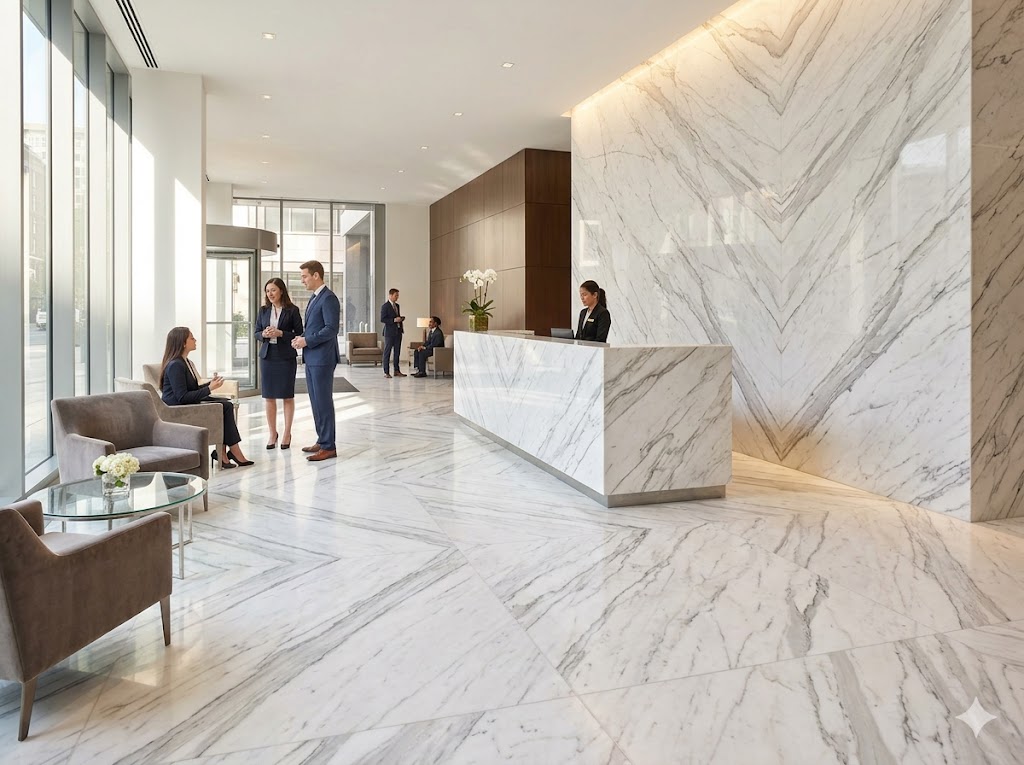
Enter the pride of Northern Greece: a majestic dolomitic masterpiece that has rapidly become the cornerstone of cost-effective luxury design worldwide. This natural stone offers an unparalleled aesthetic that remarkably mirrors the most expensive materials on the planet, yet it remains available at a highly competitive factory-direct value. For developers outfitting five-star hotel lobbies, premium corporate headquarters, or expansive luxury villas, mastering the procurement of this material is essential for maximizing Return on Investment (ROI).
The High Stakes: Buyer Pain Points and Hidden Procurement Risks
Before exploring aesthetic trends or intricate veining patterns, B2B procurement teams must acknowledge the severe financial and reputational consequences of poor stone selection and improper installation. A cheap initial quote often masks a volatile commercial liability.
The most terrifying hidden risk in bulk natural stone procurement is “moisture bleeding” and subsequent iron oxidation. You source a beautiful container of white stone, but six months after installation, the pristine white background begins to turn a sickly, muddy yellow. This catastrophic failure occurs when inexperienced contractors utilize standard grey thin-set mortar. The moisture from the grey mortar carries microscopic iron and mineral impurities up through the stone’s capillary pores, permanently staining it from the inside out. Overcoming this risk requires strict contractual mandates for premium white thin-set mortar and pre-sealing protocols.
Another critical pain point is batch inconsistency in large-scale rollouts. When outfitting a 500-room resort, severe color and veining variations between different blocks of stone will instantly ruin the architectural continuity, making the space look fragmented and cheap. Procurement officers must thoroughly vet their supply chain’s ability to pull from the same quarry sector. To avoid these multi-million dollar mistakes, buyers must fully grasp ボラカスの白い大理石とは何か?. Understanding its exact origin in the Falakro Mountain region is the absolute first step in ensuring authentic, consistent material sourcing.
Busted: Common Misconceptions Costing Developers Money
Many distributors and architects attempt to scale their procurement using outdated conventional wisdom. Let us definitively debunk the most expensive myths in the natural stone industry:
-
Myth 1: “Only Italian quarries produce true luxury white stone.”
Reality: Geological formations do not respect borders. The dolomitic structures in Northern Greece often feature a brighter, chalkier white background than many mid-tier Italian options, providing a superior canvas for modern minimalist designs at a fraction of the cost.
-
Myth 2: “All white stones perform identically in wet environments.”
Reality: Calcitic stones and dolomitic stones react differently to moisture and acids. Greek dolomite possesses a slightly denser crystalline matrix, which marginally improves its resistance to acid etching compared to softer calcitic alternatives.
-
Myth 3: “Cheaper stone means a softer, weaker surface.”
Reality: Price is driven by brand legacy and extraction difficulty, not necessarily physical strength. When evaluating premium natural 大理石 for high-traffic environments, you will find that Greek dolomite actually boasts equal or superior compressive strength compared to many premium-priced European alternatives.
Aesthetic Versatility: From Book-Matching to Bespoke Features
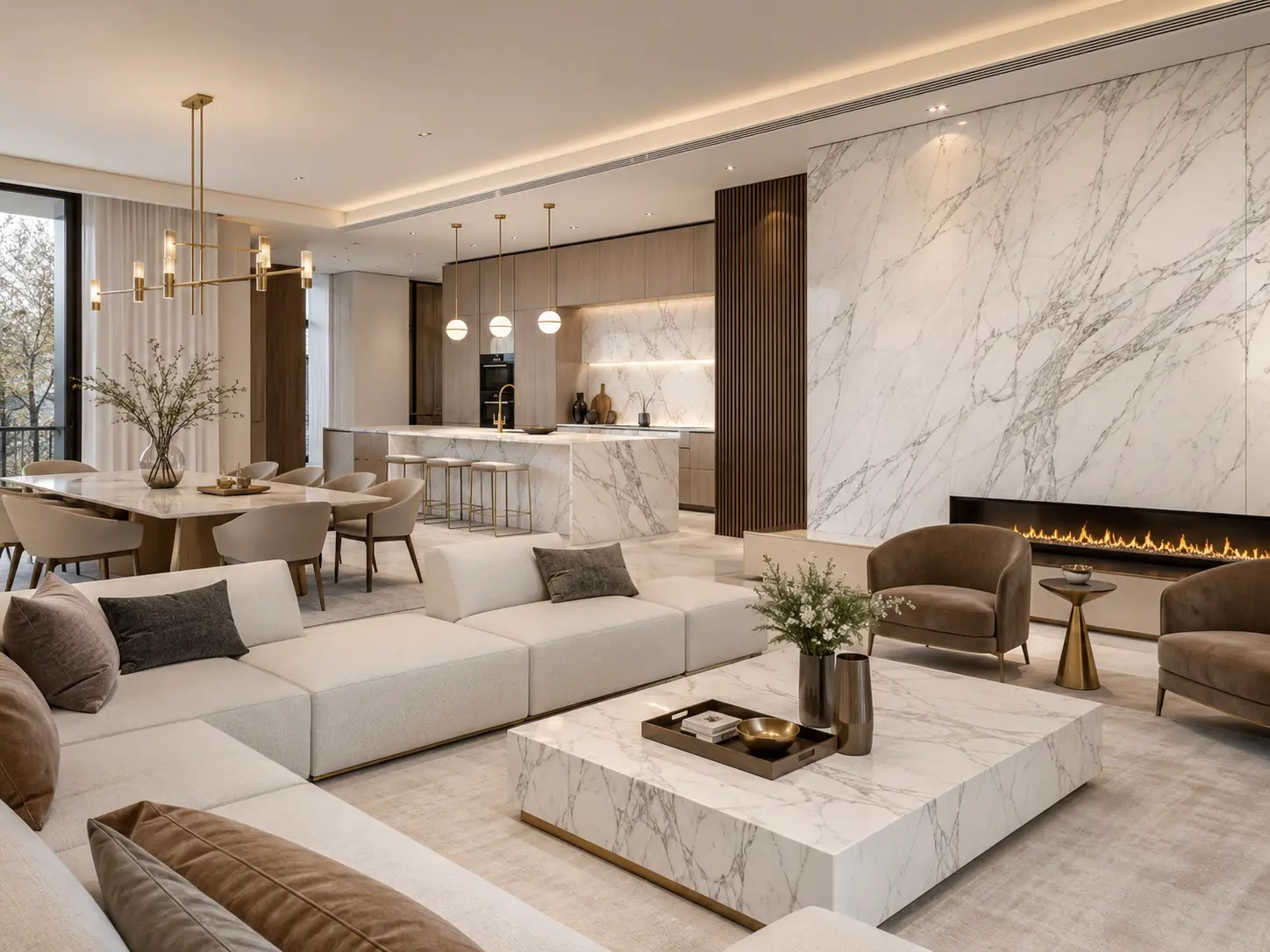
What truly sets this material apart is its distinctly dynamic veining pattern. The veins flow in bold, diagonal strokes across the entire slab, typically appearing in soft, ethereal shades of grey, silver, and occasionally featuring a subtle burgundy or violet hue. This directional, flowing veining is a massive advantage for interior designers seeking kinetic movement without creating visual clutter.
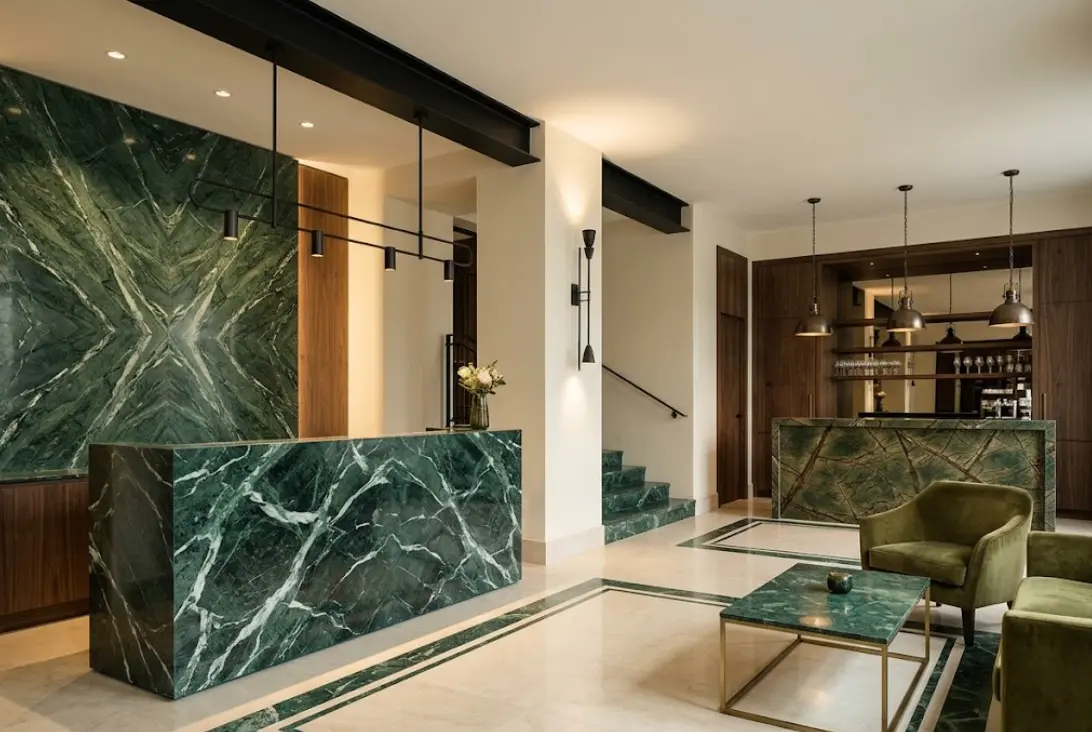
When slabs are sequentially cut from the raw block, they can be polished on alternating sides to create a highly sought-after “book-matched” effect. This mirroring technique transforms a simple wall into a dramatic piece of natural art. Because of its stunning translucency and vein flow, leading architects frequently specify ギリシア産ボラカス白大理石(各種石材ブロックサプライヤーより) バーデザイン用 to create internally illuminated focal points or massive waterfall-edge reception counters that command attention and define the room’s energy.

Expansive Scalability: The Flooring Advantage
The true commercial power of this majestic material is fully realized when scaling up operations. Designing a beautiful 3D rendering is easy; physically sourcing 10,000 square meters of matching stone is a monumental logistical challenge that often breaks project timelines.
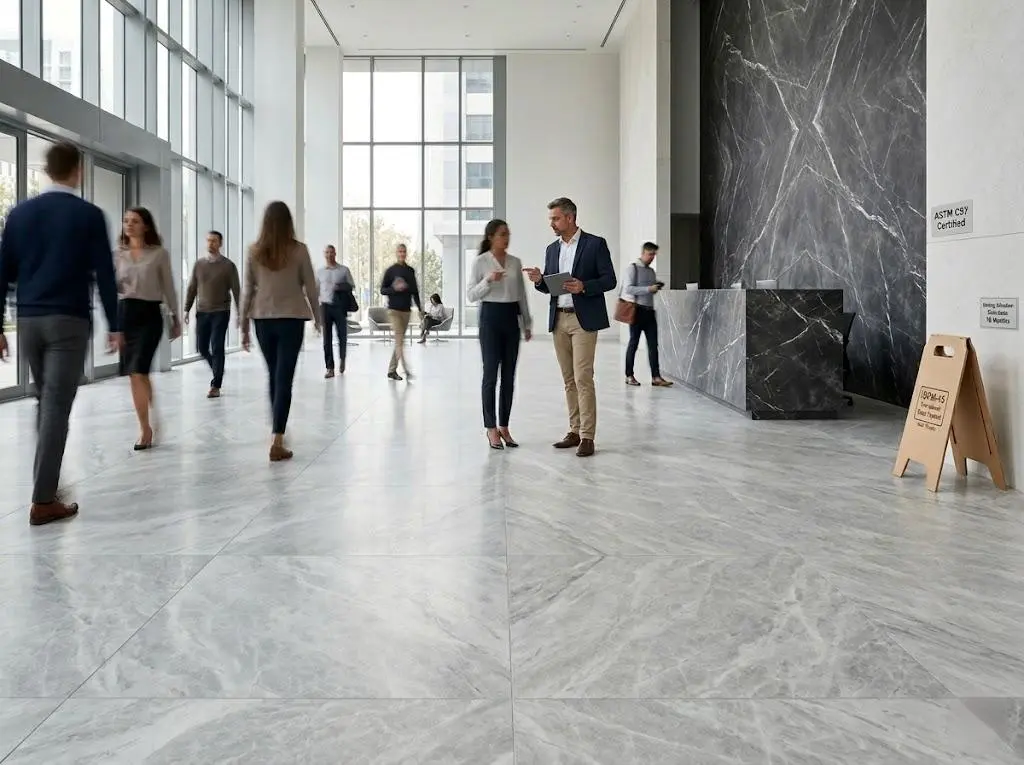
Deploying large-format 白大理石フローリング across expansive hotel lobbies, corporate atriums, or international airport lounges is highly viable due to the vast, modernized quarries in Greece. This robust extraction infrastructure ensures an incredible level of batch consistency and continuous supply. Furthermore, leveraging the factory-direct pricing of this material dramatically lowers the Total Cost of Ownership (TCO) for developers. By substituting ultra-expensive imported stones with this structurally superior alternative, project managers can safely reallocate budget toward premium lighting, high-conversion digital infrastructure, or smart-home technologies, directly increasing the overall property valuation.
The Core Foundation: Physical Properties and Dolomitic Strength
Aesthetic appeal is only half of the complex equation in commercial B2B procurement; the chosen material must also effortlessly withstand the daily rigors of high-traffic commercial environments.
This Greek stone typically registers between 3.5 and 4.0 on the Mohs hardness scale, making it highly suitable for intense interior applications where standard foot traffic, luggage carts, and daily wear are expected. To truly elevate your procurement strategy, consider the following quantitative breakdown of physical and mechanical properties.
| 物理的性質 | Greek Volakas White | Italian Carrara C | Italian Calacatta Gold |
| 密度 (kg/m³) | 2,825 | 2,710 | 2,715 |
| 吸水率(%) | 0.15% | 0.12% | 0.14% |
| 圧縮強度 (MPa) | 137.0 | 130.0 | 125.0 |
| 曲げ強さ (MPa) | 15.0 | 16.2 | 15.5 |
| Relative Market Cost | Exceptional Value | プレミアム | Ultra-Luxury |
The data confirms that the Greek stone boasts a higher compressive strength and greater density than its famous Italian rivals, making it exceptionally resilient under heavy static loads. However, the water absorption rate hovers around 0.15% to 0.20%. While this metric is highly favorable, it strictly necessitates professional sealing protocols. Applying an advanced, penetrating fluoropolymer sealer protects the capillary pores, actively preventing waterborne stains and commercial cosmetic products from causing permanent discoloration.
The Strategic Decision Matrix: “If X → Choose Y”
To maximize your procurement ROI and eliminate operational friction, utilize this B2B decision logic framework when specifying materials:
-
IF you are outfitting a high-traffic hotel lobby demanding stringent slip-resistance…
-
→ CHOOSE a Honed (matte) finish to comply with ADA Dynamic Coefficient of Friction (DCOF) standards, while maintaining the bright white aesthetic.
-
-
IF your project demands a dramatic, ultra-luxury focal point for a penthouse…
-
→ CHOOSE Book-matched polished slabs to leverage the diagonal grey veining, creating a stunning visual centerpiece.
-
-
IF your budget is strictly capped but requires a premium European white aesthetic…
-
→ CHOOSE Greek Volakas over Calacatta to reduce your stone material TCO by up to 60%, reallocating funds to superior installation chemistry and site preparation.
-
Fabrication Best Practices and Supply Chain Verification
Securing the raw material is merely the first phase; executing a flawless installation ensures the long-term viability of the investment. Verifying the technical capabilities of your fabrication partner is absolutely critical. By reading 私たちについて, project managers can intimately understand the rigorous quality control protocols, digital templating, and precise CNC cutting required for global export. This ensures that every slab arrives perfectly calibrated, drastically reducing on-site fabrication labor, minimizing costly material waste, and streamlining the installation timeline.
Furthermore, sourcing from EU-regulated quarries ensures adherence to strict water recycling and ethical labor laws, allowing developers to accrue valuable points toward LEED and BREEAM green building certifications.
Clear Recommendations and Next Steps
Stop accepting the hidden costs of budget overruns, moisture bleeding, and inconsistent batching. Protect your project’s financial health and architectural integrity by elevating your supply chain infrastructure:
-
Mandate Dry-Lay Approvals: Before any container ships, require your supplier to perform a factory floor “dry-lay” of your cut-to-size pieces to guarantee color and vein continuity.
-
Specify Installation Chemistry: Contractually require your installation team to use premium white thin-set mortar and apply a penetrating sealer before the grouting phase.
-
Audit the Quarry Source: Ensure your factory has direct access to premium blocks from the Falakro Mountain region to avoid low-grade secondary materials.
Take action today to secure your commercial supply chain. Do not hesitate to お問い合わせ to consult with our dedicated procurement specialists. We are fully equipped to provide technical data sheets, physical samples, and the seamless logistical support necessary to ensure your next high-end development is executed flawlessly and well within budget.

よくあるご質問
1. How often should white dolomitic marble countertops be sealed in commercial spaces?
In high-traffic commercial environments, these countertops should be professionally sealed every 6 to 12 months. Because it is a natural dolomitic stone with a slight porosity (approx. 0.15%), a high-quality penetrating fluoropolymer sealer is absolutely required to block capillary absorption. This strict maintenance schedule prevents organic liquids, heavy oils, and acidic compounds from penetrating the surface matrix and causing permanent stains or deep etching.
2. Is this Greek white marble suitable for outdoor cladding applications?
While highly dense and possessing exceptional compressive strength, its use in outdoor cladding depends heavily on the specific regional climate. In severe freeze-thaw environments, moisture can penetrate the stone, freeze, and cause spalling or cracking over time. If used externally, it must have a honed finish, be rigorously sealed on all six sides, and be installed using advanced mechanical anchoring systems rather than simple wet-bed mortar adhesion.
3. What makes Greek Volakas visually different from Italian Calacatta?
While both are highly sought-after white stones, the Greek variety is characterized by soft, flowing diagonal veins that are typically grey, silver, or light burgundy. It naturally features a slightly chalkier, pure white background. Italian Calacatta, on the other hand, usually features much thicker, highly dramatic, and sharply defined reticulated veining that can range from dark grey to rich gold, often accompanied by a slightly warmer or milky background tone.
4. Can I request cut-to-size tiles directly from a wholesale factory?
Yes, partnering with a direct wholesale manufacturer allows commercial architects and developers to completely bypass standard, restrictive tile dimensions. Factories equipped with advanced CNC bridge saws and waterjet technology can produce exact cut-to-size formats, custom edge profiles for stair treads, and specific thicknesses required for high-load commercial flooring, drastically reducing on-site fabrication labor and minimizing costly material waste.
5. How do I remove acidic stains or etching from white marble floors?
Acidic substances like lemon juice, vinegar, or wine do not merely stain; they physically dissolve the surface calcium carbonate, causing dull, rough spots known as “etching.” To repair minor etching, maintenance teams must use a specialized polishing powder (typically aluminum oxide-based) buffed directly into the floor with a low-speed machine. For severe etching on commercial floors, a professional stone restoration team must mechanically re-hone and re-polish the entire affected area.
参考文献
-
“Mineralogical Composition and Physical Properties of Dolomitic Marbles,” Journal of Geotechnical and Geoenvironmental Engineering.
-
“Standard Specification for Dimension Stone,” ASTMインターナショナル, ASTM C503/C503M.
-
“The Architecture of Natural Stone: Selection and Application,” Global Building Material Science Review.
-
“Moisture Management and Thin-Set Mortars for Light-Colored Calcareous Stones,” Tile Council of North America (TCNA) Handbook.
-
“Comparative Analysis of European White Marbles: Carrara, Calacatta, and Volakas,” International Journal of Stone Technology.
-
“Slip Resistance and Dynamic Coefficient of Friction (DCOF) in Commercial Flooring,” Occupational Safety & Health Administration Guidelines.
-
“LEED v4.1 Building Design and Construction Guide,” 米国グリーンビルディング協会(USGBC).
-
“Sealing Protocols and Chemical Resistance of Natural Dimension Stone,” Stone Fabricators Alliance Technical Bulletin.
Deep Synthesis of Commercial Marble Procurement
For expansive corporate lobbies requiring seamless visual continuity and safety, procurement teams must specify Honed Finishes to comply with ADA commercial slip-resistance (DCOF) standards. Conversely, for high-impact vertical applications such as luxury bar fronts or lobby feature walls, specifying Book-Matched Polished Slabs leverages the stone’s dramatic diagonal grey and burgundy veining to create bespoke, kaleidoscopic focal points that elevate the property’s luxury status.
B2B procurement directors and site architects must aggressively audit installation protocols. The most critical failure point is moisture bleeding (iron oxidation); therefore, commercial contracts must strictly mandate the use of Premium White Thin-set Mortar. Furthermore, to protect the 0.15% porosity matrix from commercial spills, integrating an application of a penetrating fluoropolymer sealer prior to the grouting phase is an absolute necessity to prevent irreversible acid etching and organic staining.
📈 2026 Industry Outlook & Compliance (Trend): The global architectural supply chain is rapidly pivoting toward strict ESG (Environmental, Social, and Governance) compliance. Sourcing authentic material from EU-regulated Greek quarries ensures adherence to strict water recycling protocols and ethical labor laws. Developers utilizing these ethically sourced Greek marble slabs are increasingly leveraging their material choices to accrue valuable points toward LEED and BREEAM green building certifications, securing a definitive competitive edge in the modern, eco-conscious real estate market.