빠른 요약
Why Cultured Marble Vanity Tops Still Matter
Once upon a time, the standard bathroom countertop was considered innovative because it used what many markets called cultured marble. Today, a new generation of artificial stone countertops, engineered surfaces, and custom vanity tops has changed the bathroom countertop market. However, cultured marble has not disappeared. It has simply moved into a more practical role: a customizable, project-friendly, polished bathroom surface for buyers who want stone-like beauty without every challenge of natural stone.
A cultured marble vanity top is usually made from crushed marble or stone particles mixed with resin and finished with a protective gel coat. This construction gives the product a smooth surface, a stone-like appearance, and the ability to be molded into different shapes. In bathroom projects, this is a real advantage because the vanity top, backsplash, and sink can often be designed as a more integrated surface.
For homeowners, the appeal is simple: cultured marble looks clean, polished, and elegant. For contractors and wholesalers, the appeal is even more practical: it is easier to standardize, easier to repeat across multiple bathrooms, and easier to install compared with many heavy natural stone slabs. In hotel renovation, apartment construction, bathroom furniture supply, and retail vanity programs, this predictability matters a lot.
What Is a Cultured Marble Vanity Top?
A cultured marble vanity top is a man-made bathroom surface created by combining natural marble dust or stone particles with resin binders and pigments. The surface is then protected with a clear gel coat that gives it gloss, smoothness, and better resistance against daily bathroom moisture. The result is not the same as a quarried marble slab, but it can deliver a similar polished stone appearance for vanity tops, shower walls, tub surrounds, and bathroom panels.
This material became popular because it solved several practical bathroom problems. Natural stone can be beautiful, but it often requires cutting, sealing, careful installation, and more attention to variation. Cultured marble can be molded into consistent shapes and supplied in more repeatable styles. This is especially useful when a buyer needs many vanity tops for apartments, hotels, dormitories, residential developments, or bathroom cabinet production.
The material also allows more design freedom. Colors, veining effects, onyx-like patterns, granite-inspired textures, and custom shapes can be created more easily than with some natural stone slabs. If the project needs a white vanity top, beige onyx-style vanity, grey marble-look bathroom countertop, or integrated sink design, cultured marble can be a practical option.
| Material Parameter | Typical Cultured Marble Vanity Top Feature | Buyer Impact |
|---|---|---|
| Core Composition | Marble dust or mineral filler combined with resin binder | Creates a stone-like surface with easier molding and shape control. |
| Common Mineral Content | Many cultured marble products contain a high percentage of mineral filler, often combined with resin and pigments | Helps balance stone-like feel, molded design flexibility, and production efficiency. |
| Surface Layer | Clear protective gel coat | Improves gloss, smoothness, moisture resistance, and daily cleaning convenience. |
| Water Exposure | Designed for bathroom use when the surface layer remains intact | Suitable for vanity areas, shower surrounds, and wet-room furniture applications. |
| 사용자 지정 | Colors, patterns, sizes, edge details, splash designs, and integrated sinks | Useful for hotel, apartment, cabinet, and wholesale vanity programs. |
| Maintenance Requirement | Non-abrasive cleaning and gel coat protection | Easy to clean, but buyers should avoid harsh chemicals, abrasive pads, and high-heat tools. |
Cultured Marble vs Natural Stone: What Is the Real Difference?
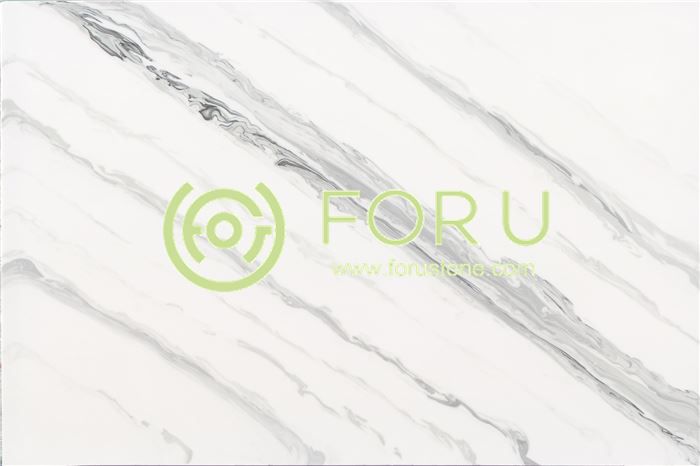
The advantages and disadvantages of cultured marble should be considered carefully if you love the look and feel of polished stones such as marble, onyx, and granite. Cultured marble can look close to natural stone, but it is not the same material. Natural marble and granite are extracted from quarries and cut into slabs. Cultured marble is manufactured using mineral fillers, resin, pigments, and a protective surface layer.
This difference creates both benefits and limits. Cultured marble is often easier to shape, easier to customize, and more cost-efficient for bathroom vanity programs. Natural stone usually offers higher material authenticity, unique slab movement, stronger natural stone value, and a more premium geological story. The better choice depends on whether the buyer values natural origin, project consistency, maintenance convenience, or budget control.
For example, a luxury villa may prefer natural marble or 오닉스 because the owner wants a one-of-a-kind stone pattern. A hotel renovation or apartment project may prefer cultured marble or artificial stone vanity tops because the buyer needs consistent sizing, faster installation, and easier replacement. Neither option is automatically “best.” The best option is the one that matches the use case.
| 재료 유형 | Main Advantage | Best Use Scenario | Buyer Risk to Check |
|---|---|---|---|
| Cultured Marble | Custom colors, molded shapes, integrated sinks, and lower maintenance pressure | Bathrooms, hotels, apartments, cabinet programs, wholesale vanity tops | Gel coat quality, heat exposure, abrasion, and long-term surface gloss. |
| 천연 대리석 | Authentic natural veining and premium stone character | Luxury homes, villas, boutique bathrooms, high-end projects | Etching, staining, sealing, variation, and higher installation care. |
| 화강암 | Strong durability and natural stone toughness | High-use bathrooms, commercial vanity tops, durable stone projects | Color availability, weight, cutting cost, and design softness. |
| Quartz / Engineered Stone | Consistent pattern, strong surface, and modern appearance | Modern bathrooms, commercial interiors, apartment programs | Heat sensitivity, resin content, and style repetition. |
| Onyx-Style Artificial Stone | Decorative translucent or luxury visual effect | Statement bathrooms, decorative vanity areas, hospitality projects | Surface protection, lighting design, and supplier quality control. |
Why Buyers Choose Cultured Marble Vanity Tops
One of the main selling points of cultured marble is its ability to create custom colors and seamless-looking surfaces at a more controlled project cost than many natural stone vanity tops. A molded vanity top can include an integrated sink bowl, backsplash, side splash, or shaped edge, which reduces the number of joints and gives the bathroom a cleaner appearance.
This is especially useful in bathroom construction because seams, edges, and water exposure are common problem areas. Fewer joints can make cleaning easier and reduce visual clutter. A polished white cultured marble vanity top can make a small bathroom look brighter, while a beige, grey, or onyx-style finish can create a warmer luxury appearance.
For B2B buyers, the value is also operational. Cultured marble vanity tops can be easier to standardize across multiple bathroom units. A hotel or apartment buyer may need 50, 200, or 1,000 vanity tops with the same dimensions. Natural stone can achieve this, but color and veining will vary more. Cultured marble gives buyers a more repeatable supply model.
| Buyer Goal | Choose Cultured Marble If… | Choose Natural Stone If… | Commercial Logic |
|---|---|---|---|
| Same Budget, Larger Quantity | You need repeatable vanity tops for multiple rooms or units. | You need fewer pieces with premium natural uniqueness. | Cultured marble can improve quantity control in wholesale projects. |
| Same Quality Level, Easier Installation | You want molded sinks, backsplashes, and easier site handling. | You have skilled stone installers and accept heavier slabs. | Artificial stone can reduce installation complexity in bathroom programs. |
| Higher Visual Consistency | You need matching tops across hotel rooms or apartments. | You want natural variation as part of the luxury value. | Consistency matters more when project volume increases. |
| Lower Maintenance Pressure | You need smooth daily cleaning and lower porosity when the gel coat is intact. | You accept sealing, stone care, and natural surface behavior. | Maintenance expectation should guide material selection. |
Real Bathroom Scenarios Where Cultured Marble Works Well
Cultured 대리석 vanity tops perform well in bathroom environments where the buyer wants a polished look, practical cleaning, and controlled production. In a family bathroom, the material can provide a clean vanity surface that is easy to wipe after daily use. In a hotel bathroom, it can create a consistent guest-room appearance across many rooms. In a rental apartment, it can offer a bright and tidy finish without making the bathroom overly expensive to maintain.
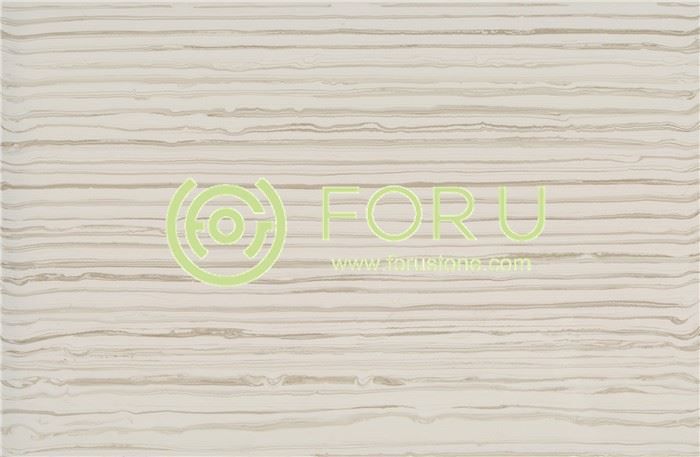
In custom bathroom furniture, cultured marble can be matched with cabinets, mirrors, wall panels, and shower surrounds. This creates a more complete design language. A white cultured marble vanity top with soft grey veining can work in modern apartments. A warm beige onyx-style top can work in spa-style bathrooms. A granite-look cultured surface can work for buyers who prefer stronger visual texture.
The material is also practical when a buyer wants a custom vanity top but does not want complicated natural stone fabrication. Sink openings, faucet holes, edge profiles, and integrated backsplashes can be planned before production. For contractors, this saves time. For homeowners, it reduces uncertainty. For wholesalers, it improves repeatability.
Onyx Vanity Tops: Luxury Appearance Without Full Natural Onyx Complexity
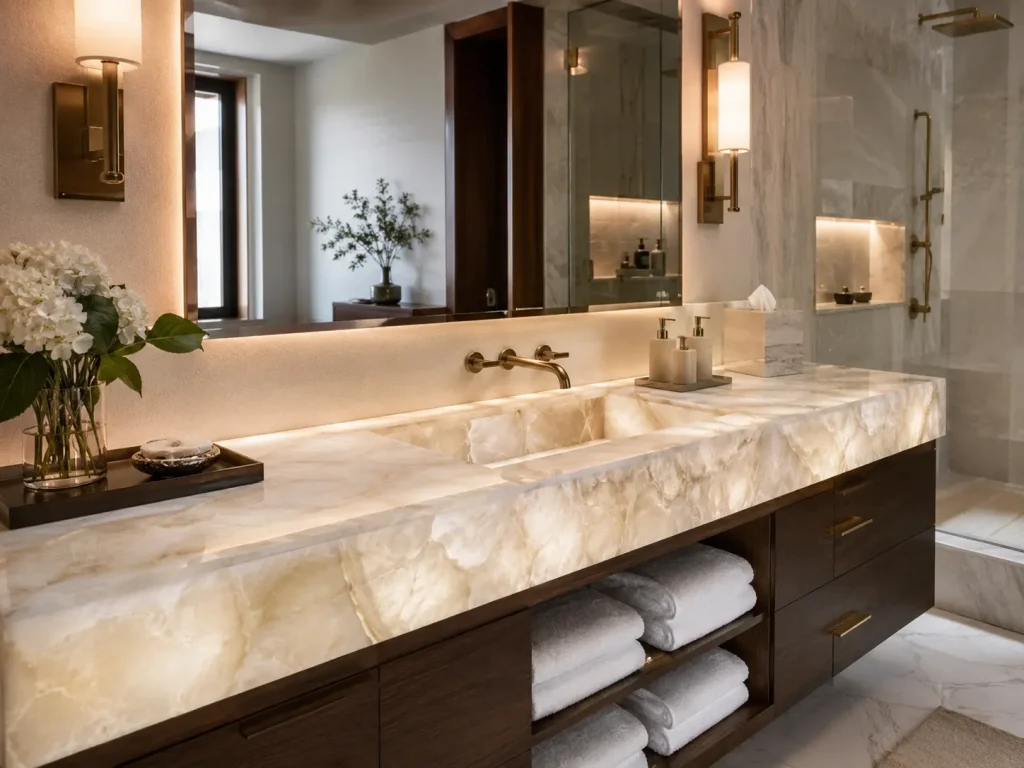
Onyx vanity tops are popular because onyx has a soft, rich, and decorative appearance. Natural onyx can be visually stunning, but it is often more delicate, more expensive, and more demanding in fabrication than many common bathroom materials. Onyx-style cultured marble or artificial stone gives buyers a way to capture that decorative effect with more practical production control.
This does not mean artificial onyx is identical to natural onyx. Natural onyx has unique translucency, banding, and mineral movement. Artificial onyx-style vanity tops are designed to imitate the feeling of luxury while improving consistency and project practicality. For hotels, rental units, and commercial bathrooms, this can be a smart compromise.
If a buyer wants a statement bathroom, soft lighting, or a spa-inspired vanity area, onyx-style artificial stone can be effective. If the buyer wants authentic natural rarity, natural onyx remains the higher-end choice. The key is to decide whether the project needs authenticity, consistency, durability, or budget efficiency first.

Maintenance: What Buyers Should Know Before Ordering
Cultured marble vanity tops are often easier to clean than some natural stones, but they are not maintenance-free. The protective gel coat is important. If it is scratched, burned, dulled, or damaged by abrasive cleaners, the surface may lose gloss and become more vulnerable to staining. Buyers should clean the surface with mild, non-abrasive products and avoid harsh chemicals unless the supplier confirms compatibility.
Hair dye, strong pigments, nail products, acidic cleaners, and abrasive pads can damage many bathroom surfaces, including cultured marble. This is why maintenance instructions should be included with every project. For hotels and commercial bathrooms, cleaning teams should receive simple care guidance to prevent avoidable surface damage.
Some cultured marble surfaces can be repaired or polished when lightly scratched, depending on the depth of the damage and the type of gel coat. However, deep cracks, severe burns, or structural damage may require replacement. Buyers should ask the supplier about repair methods, warranty coverage, and recommended cleaning products before placing large-volume orders.
| Maintenance Issue | Possible Cause | Recommended Prevention |
|---|---|---|
| Dull Surface | Abrasive cleaners or repeated rough wiping | Use soft cloths and non-abrasive bathroom cleaners. |
| 염색 | Hair dye, pigments, makeup, or long-term spills | Clean spills quickly and avoid leaving strong pigments on the surface. |
| Gel Coat Damage | Hot tools, harsh chemicals, or sharp impact | Use heat protection and avoid direct contact with curling irons or hot objects. |
| Cracking | Poor support, heavy impact, or improper installation | Confirm cabinet support, installation method, and handling requirements. |
Compliance and Quality Checks for B2B Buyers
For international buyers, quality control should go beyond appearance. A bathroom vanity top must handle moisture, cleaning, weight support, sink use, packaging pressure, and long-distance shipping. Buyers should ask for product specifications, surface finish details, edge profiles, carton or crate packing information, inspection photos, and installation recommendations.
If the vanity top includes resin-based materials, buyers may also need to consider VOC emissions, formaldehyde limits, and regional indoor material requirements depending on the destination market. For hospitality and public projects, fire performance, slip-related surface safety for surrounding bathroom materials, and cleaning chemical resistance may also be relevant. These requirements vary by market, so buyers should confirm local building and product regulations before bulk purchase.
Practical inspection should include color consistency, surface gloss, sink bowl quality, drain opening position, faucet hole accuracy, edge smoothness, backsplash fit, underside support, and packaging protection. The cheapest vanity top is not cheaper if it arrives cracked, mismatched, or difficult to install. Tiny inspection steps can prevent very expensive headaches later.
| Inspection Point | 중요한 이유 | Buyer Action Before Shipment |
|---|---|---|
| 색상 일관성 | Large projects need matching appearance across multiple bathrooms. | Request batch photos or approved samples before production. |
| Sink and Faucet Position | Wrong openings can delay installation and cause replacement cost. | Confirm technical drawings and hole dimensions. |
| Gel Coat Quality | Controls gloss, water resistance, and daily cleaning performance. | Check surface finish, bubbles, scratches, and coating defects. |
| Packing Strength | Vanity tops may break during sea freight or warehouse handling. | Ask for reinforced cartons, foam protection, wooden crates, or pallet packing. |
| Installation Support | Incorrect support can cause cracks or poor fit. | Request installation guidance and cabinet support requirements. |

Industry Trend: Why Artificial Stone Vanity Tops Keep Growing
Bathroom design is moving toward cleaner surfaces, fewer joints, brighter interiors, and easier maintenance. This trend supports the continued use of cultured marble, onyx-style vanity tops, engineered stone, and other artificial stone countertops. Buyers want bathrooms that look premium but do not create excessive installation or cleaning pressure.
Another trend is customization. Homeowners want personalized colors and shapes. Hotels want consistent room standards. Contractors want faster installation. Cabinet brands want reliable supply and repeatable sizing. Cultured marble fits this market because it can be shaped, colored, and produced for specific bathroom furniture programs.
Artificial stone will not completely replace natural marble, granite, or onyx. Instead, the market is becoming more segmented. Natural stone remains important for luxury projects and authentic material storytelling. Cultured marble and artificial stone vanity tops are stronger for practical bathroom programs, project consistency, and controlled production. Buyers who understand this difference make better sourcing decisions.
Common Mistakes When Buying Cultured Marble Vanity Tops
The first mistake is choosing only by price. A low price may hide weak gel coat quality, poor packing, inconsistent dimensions, or limited after-sales support. For B2B buyers, the cost of replacement, delay, or complaint can be much higher than the initial savings.
The second mistake is ignoring the installation environment. A vanity top must be supported correctly by the cabinet or wall structure. If the base is uneven or weak, cracks and poor fitting can occur. Buyers should confirm the cabinet size, wall position, sink center, faucet layout, and splash height before production.
The third mistake is treating cultured marble like natural marble. Cultured marble has different strengths and weaknesses. It is easier to mold and clean, but the gel coat requires protection. Buyers should not use abrasive tools, strong solvents, or high-heat items directly on the surface.
The fourth mistake is not agreeing on inspection standards. Before bulk production, buyers should confirm acceptable color variation, gloss level, size tolerance, surface defects, packaging method, and claim process. Clear standards make the project smoother and reduce disputes.
FAQ About Cultured Marble and Onyx Vanity Tops
1. What is a cultured marble vanity top made of?
문화적 대리석 세면대 상판은 보통 분쇄한 대리석 가루나 광물 충전재를 수지 결합제와 안료와 혼합한 후, 투명한 보호용 젤 코트로 마감합니다. 이러한 구조는 매끄럽고 광택이 나는 돌과 같은 느낌의 욕실 표면을 만들어내며, 맞춤형 크기, 싱크대 형태, 백스플래시 및 가장자리 프로필로 성형할 수 있습니다. 이는 천연 대리석 판재와는 다르지만, 욕실 세면대 프로젝트에서 더 쉽게 맞춤 제작 가능하고 생산 과정이 더욱 예측 가능하기 때문에 널리 사용됩니다.
2. Is cultured marble good for bathroom vanity tops?
네, 문화 대리석은 표면 품질, 젤 코트, 설치 지원 및 세척 방법을 적절히 관리한다면 욕실 세면대 상판으로서 실용적인 소재입니다. 이는 주거용 욕실, 호텔 욕실, 아파트 프로젝트, 캐비닛 프로그램 및 도매 세면대 공급에 적합하며, 일부 더 복잡한 천연석 설치에 비해 광택 있는 외관, 일체형 싱크대 옵션, 눈에 띄는 이음새가 적고 매일의 청소가 더욱 간편합니다.
3. What is the difference between cultured marble and natural marble vanity tops?
양식 대리석은 대리석 가루나 광물 충전제, 수지, 안료 및 보호용 젤 코트로 만들어진 인공 재료인 반면, 천연 대리석은 지구에서 직접 채굴한 석재입니다. 양식 대리석은 종종 성형이 쉽고 맞춤 제작이 가능하며 여러 욕실에 걸쳐 동일하게 반복 적용하기가 용이한 반면, 천연 대리석은 진정한 무늬와 독특한 석재 특성, 그리고 더 높은 자연 소재의 가치를 제공합니다. 어떤 선택이 더 나은지는 프로젝트에서 일관성, 비용 관리, 쉬운 설치 또는 진정한 자연석의 고급스러움 중 무엇을 우선시하는지에 따라 달라집니다.
4. Are onyx vanity tops real onyx or artificial stone?
오닉스 화장대 상판은 천연 오닉스, 오닉스 스타일의 양식화된 대리석, 또는 오닉스의 장식적 외관을 모방하도록 설계된 인조석으로 제작될 수 있습니다. 천연 오닉스는 독특한 반투명성과 광물의 움직임을 제공하지만, 가공하기가 더 섬세하고 비용이 높을 수 있습니다. 인조 오닉스 스타일의 화장대 상판은 특히 호텔, 아파트 또는 욕실 가구 프로젝트에서 보다 통제된 색상과 쉬운 생산성, 더 나은 일관성을 원하는 구매자들이 선호하는 경우가 많습니다.
5. How should buyers choose a cultured marble vanity top supplier?
구매자는 제품 샘플, 기술 도면, 표면 마감 처리 상세 정보, 젤 코트 품질 관리, 색상 일관성, 포장 보호 및 수출 지원을 제공할 수 있는 인조 대리석 화장대 상판 공급업체를 선택해야 합니다. 도매, 호텔, 아파트 또는 가구 제작 프로젝트의 경우, 대량 생산에 들어가기 전에 성형, 싱크대 위치, 모서리 처리, 검사 기준 및 애프터서비스 소통까지 모두 통제할 수 있는 제조사나 공장과 협력하는 것이 더욱 안전합니다.
참조
1. Dimension Stone Design Manual — Natural Stone Institute — Natural Stone Institute — Natural Stone Institute Publications.
2. Learn About Cleaning Products for Natural Stone — Natural Stone Institute — Natural Stone Institute — Natural Stone Institute Consumer Care Resources.
3. The Care and Cleaning of Natural Stone — Marble Institute of America — Natural Stone Institute — Natural Stone Institute Consumer Resources.
4. Standard Specification for Marble Dimension Stone ASTM C503/C503M — ASTM International — ASTM International — ASTM Standards for Dimension Stone.
5. Standard Specification for Engineered Stone Countertops and Related Stone Surface Standards — ASTM International — ASTM International — ASTM Technical Standards.
6. Bathroom Planning Guidelines — National Kitchen & Bath Association — NKBA — NKBA Kitchen and Bath Planning Resources.
7. Residential Bathroom Design Trends Report — National Kitchen & Bath Association — NKBA — NKBA Research and Industry Reports.
8. Guidelines for Indoor Air Quality and Building Materials — U.S. Environmental Protection Agency — EPA — EPA Indoor Air Quality Resources.
결론
Cultured Marble Vanity Tops: Practical Takeaway for Buyers and Project Suppliers
How do cultured marble vanity tops improve bathroom projects?
Cultured marble vanity tops improve bathroom projects by combining a polished stone-like appearance with practical manufacturing flexibility. They can support integrated sinks, backsplashes, custom colors, and repeatable sizes, making them useful for residential bathrooms, hotels, apartments, and cabinet supply programs where visual consistency and installation efficiency both matter.
Why do buyers choose cultured marble instead of natural stone?
Buyers choose cultured marble when they want the look of marble, onyx, or polished stone but need more predictable sizing, easier shaping, and stronger project control. Natural marble is better for authentic luxury and unique stone veining, while cultured marble is often better for bathroom projects that need repeatability, integrated design, and controlled supply.
What options should buyers compare before ordering?
Buyers should compare cultured marble, natural marble, granite, quartz, engineered stone, and onyx-style artificial stone before ordering. If the project needs luxury authenticity, natural stone may be stronger. If the project needs custom vanity tops, integrated sinks, consistent batches, and easier bathroom installation, cultured marble or artificial stone vanity tops may be more practical.
Key consideration: surface protection decides long-term value
The long-term performance of cultured marble depends heavily on gel coat quality, cleaning habits, installation support, and packaging protection. Buyers should avoid choosing by photos alone and should confirm samples, finish, dimensions, sink position, repair guidance, and supplier inspection standards before placing bulk orders.
Final recommendation
If the buyer wants a bathroom vanity top that is customizable, clean-looking, practical, and suitable for repeated project supply, cultured marble is a strong option. If the buyer wants rare natural stone character, natural marble, granite, or onyx should also be considered. The safest choice is to match the material to the project environment, maintenance expectation, order quantity, and supplier capability.