

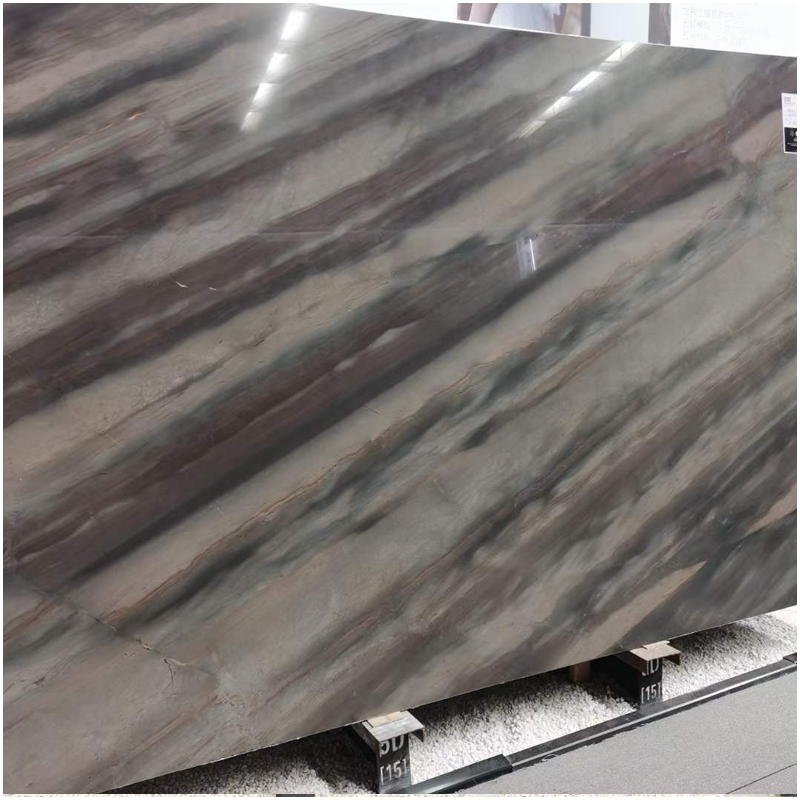

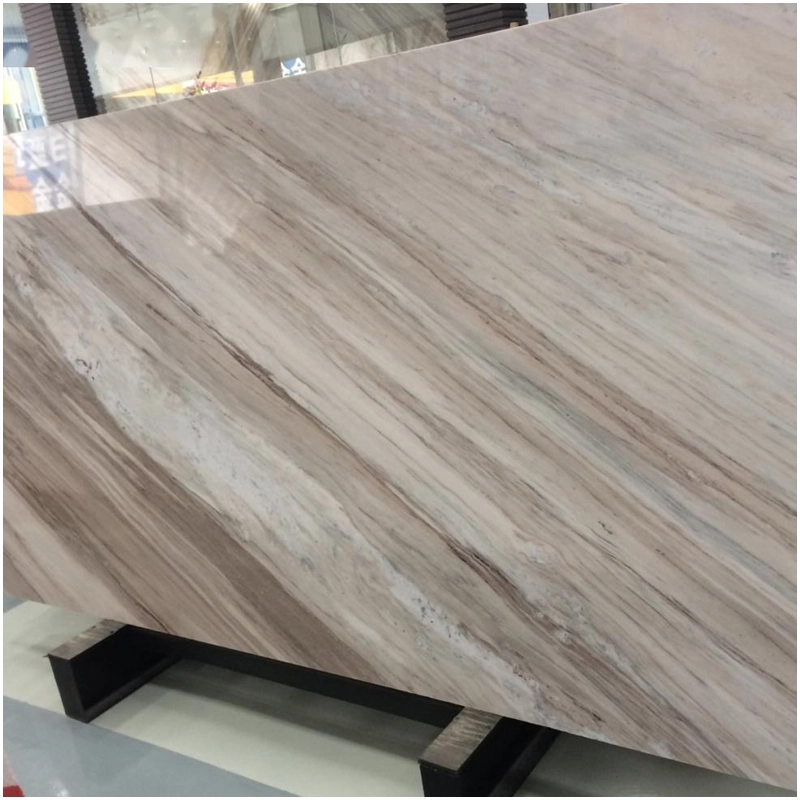


When Design Dreams Meet the Realities of Stone Performance
Designer (on a video call):
“You’re not just choosing stone; you’re choosing how light, noise, and daily life feel in your home for the next 20 years.”
Homeowner:
“I know I want marble. But do I go black or white? Polished or honed? Veins or something calm? Everyone online says something different.”
Project Manager:
“Then let’s stop talking in adjectives and start talking in data—slip resistance, maintenance cycles, reflectivity, and how each marble behaves in real projects.”
That three-way conversation has become normal in 2025. Clients still love marble for its emotional warmth and visual luxury, but they expect engineering-level clarity before signing off on a slab. This guest post is a practical guide to help you choose the right marble surface, backed by lab research, field experience from FOR U STONE, and real-world examples of kitchens and living spaces that had to perform—not just photograph well.

Understanding Color Choices: Black vs White in the Real Kitchen
The first big decision is often color: dark or light. Most homeowners narrow their choices to black or white marble for kitchens, islands, and feature walls. Each option changes not only the mood of the room, but also how everyday wear and tear is perceived.
Dark marbles absorb more light, making spaces feel intimate and dramatic. They hide some stains but reveal dust, water spots, and light scratches more quickly. White marbles, by contrast, scatter light and make spaces appear larger and brighter, but they can show strong-colored spills faster if not wiped promptly.
A useful way to dive deeper into this color debate is to study side-by-side comparisons like marble countertops: black vs white, which break down how different shades behave under typical kitchen conditions: high heat, frequent cleaning, and mixed lighting sources. These comparisons consistently show that color isn’t just a style choice; it’s a performance choice tied to your cooking habits, cleaning routines, and tolerance for visible patina.

Why Stone Structure Matters More Than the Sample Photo
Beyond color, marble’s internal structure is where performance begins. On a microscopic level, marble is a recrystallized limestone; its calcite crystals, veining minerals, and micro-fractures determine how it reacts to impacts, acids, and thermal changes.
Laboratory tests have found that marbles with tighter grain and fewer open veins typically resist chipping and micro-cracks better in high-use areas. This is one reason architects often specify premium materials like White Statuario Marble when they need both aesthetic drama and structural reliability. Its dense background and carefully selected blocks make it suitable for applications where both high polish and structural stability are required.
From an engineering perspective, the uniformity of the background is as important as the beauty of the veining. A consistent matrix gives fabricators more control during cutting and edge profiling, leading to fewer failures at sink cutouts and corner transitions.
Understanding Marble at a Scientific LevelBefore comparing colors, finishes, or room-by-room applications, it helps to ground the discussion in what marble actually is at a geological and chemical level. Marble begins as limestone or dolomite that undergoes intense heat and pressure, transforming into a crystalline rock with interlocking grains. This metamorphic process removes fossils and original textures, while redistributing mineral impurities like clay, silt, iron oxides, or silica—those tiny variations are what create dramatic veining and the wide spectrum of white, grey, pink, green, and black tones designers work with today.
Its composition is dominated by calcite (CaCO₃) or sometimes dolomite (CaMg(CO₃)₂). These minerals give marble its high polish potential and its characteristic translucency, but also its vulnerability to acids and certain cleaners. The stone’s moderate porosity is why sealing and mindful maintenance matter, especially in kitchens and bathrooms. Across global quarries—from Carrara to Makrana—each region produces distinct colors and structures shaped by local mineral chemistry and geological timelines.
This scientific backdrop explains why two slabs that look similar at first glance can behave differently once installed. It also clarifies why selecting marble cannot rely on aesthetics alone; formation history, mineral composition, and porosity all play a direct role in real-world performance.
The Appeal of Italian Stones: Beyond Romance
Design media loves to romanticize “Italian marble,” but behind the romance there is a measurable technical story. Quarries in classic regions have centuries of experience controlling block selection, stratification analysis, and structural testing. That heritage is one reason why certain Italian marbles appear again and again in high-end hospitality and residential projects.
A good example is the family of statuario stones showcased in resources like Exquisite Italian Statuario White Marble. Here, the focus isn’t just on the iconic grey veining; it is also on flexural strength, water absorption rates, and the stone’s ability to hold a sharp, crisp edge after fabrication. When hospitality groups select marble for reception desks or feature staircases, they look closely at these metrics, not just at photographs.
Interestingly, independent studies on user perception show that occupants consistently associate statuario-style marbles with “clarity,” “order,” and “trust.” In other words, the stone’s visual language has a psychological effect that goes beyond fashion trends.
When Dark Marbles Make More Sense
White marble may dominate social feeds, but dark marbles still have a strong role to play—especially in homes that want contrast, focus, or a sense of luxury. Dark surfaces can visually “ground” a room, emphasize metallic fixtures, and create a warm, intimate atmosphere.
One standout choice is Black Gold Marble, which uses golden veining to create depth and a subtle sense of movement. In commercial settings such as hotel lobbies, bar fronts, or corporate reception areas, this kind of stone delivers a strong identity without relying on loud colors or complicated decor.
From a technical standpoint, dark marbles benefit from thoughtful lighting design. Studies on luminance contrast suggest that pairing dark stone with soft, indirect lighting reduces glare and makes surfaces easier to read, especially for older occupants. In a residential kitchen, a dark marble island under warm, focused pendants can become the visual anchor of the entire floor plan.

Finishes, Edges, and the Daily Reality of Marble Countertops
No matter which color you choose, finish and edge details will have a huge impact on how the stone ages. Polished marble maximizes reflectivity and veining drama but shows etches and scratches more readily. Honed or lightly leathered finishes slightly mute the veining but are generally more forgiving in day-to-day use.
Edge profiles also matter. In field studies of countertop failures, a high percentage of chips and cracks occur at thin or overly sharp edges near dishwashers and sinks. Rounded or chamfered profiles distribute impact forces better and reduce visible damage over time.
For homeowners who want an all-white kitchen but still need practicality, dedicated solutions like white marble countertops are designed with these risks in mind. They balance visual purity with considered edge details, seam strategies, and recommended sealing schedules.
Gray vs White: What Neutrals Really Do to a Room
Many designers now consider gray-toned marbles as a “third way” between black and white—offering a soft, timeless elegance that hides minor stains and micro-scratches better than pure white.
Comparative analyses such as Gray Marble vs White Marble show that gray stones often perform better in open-plan spaces where furniture, textiles, and art already introduce many colors and textures. Their subtlety keeps the envelope calm while still allowing for the depth and movement that only natural stone can provide.
Color science supports this preference: mid-tone materials create less contrast against common flooring and cabinet colors, reducing visual “noise” and making rooms feel more composed. For long-term enjoyment, especially in homes that will evolve over time, gray marbles can be a smart compromise between drama and flexibility.

What the Data Says About Longevity and Care
From an EEAT perspective, it is important to distinguish between anecdote and measurable performance. Long-term monitoring of marble installations provides several useful insights:
-
With appropriate sealing, many marbles show stable appearance over 10–15 years in normal residential use.
-
Etching is more frequent than staining; choosing less reflective finishes reduces how visible those micro-etches appear.
-
Slip resistance improves with honed or textured surfaces, especially in bathrooms and entryways, aligning with safety guidelines often highlighted by organizations like ESTA.
-
Most “failures” blamed on the stone actually trace back to incorrect substrate preparation, poor detailing around cutouts, or unsuitable cleaning chemicals.
FOR U STONE’s project follow-ups reveal that clients who receive clear, written care instructions and realistic expectations report far higher satisfaction than those who treat marble like a synthetic surface. Education turns uncertainty into confident ownership.
FAQ: Common Questions About Choosing Marble
1. Is marble really suitable for busy family kitchens?
Yes—provided you choose the right finish, edge profile, and care routine. Many families successfully use marble in high-traffic kitchens, accepting a gentle patina as part of the stone’s character.
2. Should I choose black or white marble for a small kitchen?
If you want the room to feel larger and brighter, white or light gray marble is usually better. Dark marble can work beautifully on an island or accent area, but may make compact rooms feel narrower if overused.
3. What finish is best for bathroom floors?
Honed or lightly textured finishes are generally recommended for wet areas. They offer better slip resistance than high-gloss polished surfaces while still maintaining the natural beauty of the stone.
4. How do I compare different marble options objectively?
Look beyond photos. Ask for data on water absorption, flexural strength, and recommended use cases. Where possible, view larger mock-ups or dry lays rather than judging from a small hand sample.
5. How important is the supplier in marble performance?
Critical. A knowledgeable supplier not only sources good blocks, but also controls cutting plans, quality checks, packing, and after-sales support. Much of what people call “stone problems” are actually supply-chain problems.

Why Supplier Expertise and Ethics Matter
In recent years, the Environmental Stone Trade Association (ESTA) has emphasized best practices for responsible quarrying, water recycling, and worker safety. These are not just ethical talking points; they directly influence consistency, availability, and long-term trust in natural stone as a building material.
Manufacturers and exporters who align with these guidelines—investing in closed-loop water systems, careful waste management, and transparent quality control—tend to deliver more reliable products and better technical support. FOR U STONE positions itself within this group of responsible producers, combining field feedback, design collaboration, and continuous testing to refine its offerings.
For specifiers and homeowners who want to understand the company’s quarry-to-project approach, the about FOR U STONE page outlines its background, production capabilities, and export experience in more detail.
And when a project moves from “idea” to “we need drawings and quantities,” the best next step is direct consultation. The technical sales and engineering teams reachable via contact FOR U STONE can review plans, recommend stone-package combinations, and suggest value-engineering options without sacrificing aesthetics.
How to Choose Marble With Confidence
Choosing marble in 2025 is no longer a simple matter of falling in love with a sample. It is a process of aligning your lifestyle, design goals, and risk tolerance with what different stones can realistically deliver.
Start with the big questions:
-
Do you want your kitchen to feel bright and expansive or intimate and dramatic?
-
Are you comfortable with a living patina, or do you prefer surfaces that hide change?
-
Which rooms must prioritize slip resistance, and which can celebrate polish and drama?
Then, evaluate stones using both emotion and evidence—touch the surface, look at it under your real lighting conditions, but also ask for the technical sheet. Compare black vs white, gray vs white, statuario vs darker statement stones. Use countertops, islands, walls, and floors as different “stages” where each marble plays a specific role.
When color, structure, finish, and detailing are all chosen with intention, marble stops being a design gamble. It becomes the backbone of a home that will still feel relevant, grounded, and beautiful many years from now—no filter needed.
Choosing marble is ultimately about balancing emotional appeal with measurable performance. As materials engineers frequently emphasize, marble’s behavior is determined by its mineral composition, porosity, and micro-structural density—factors that directly influence scratch resistance, etching patterns, and how the stone interacts with different lighting environments. Designers also point out that grain direction and veining intensity change the spatial psychology of a room, affecting perceived brightness, scale, and visual movement.Real project data shows that when homeowners understand these variables and choose based on function rather than appearance alone, long-term satisfaction increases significantly. Field observations confirm that properly sealed, correctly installed marble can perform exceptionally for over a decade with predictable aging. The key is alignment: matching the right marble to the right room, lighting, and lifestyle. When this alignment is achieved, marble transforms from a material choice into an enduring architectural decision—one that enhances daily life rather than complicating it.


