


A Conversation Between Homeowners Considering Flooring Options
“I’m thinking about updating my living room flooring, but I’m torn between traditional wood flooring and wood marble. Can you help me decide which is better for my space?”
This is a question many homeowners face when choosing flooring materials. Both Wood Marble and traditional wood flooring have their unique advantages, but which one is the right fit for your home?
In this article, we’ll explore the key differences between Wood Marble and traditional wood flooring, focusing on their pros and cons. We’ll also discuss the benefits, challenges, and ideal applications for each type of flooring to help you make an informed decision.
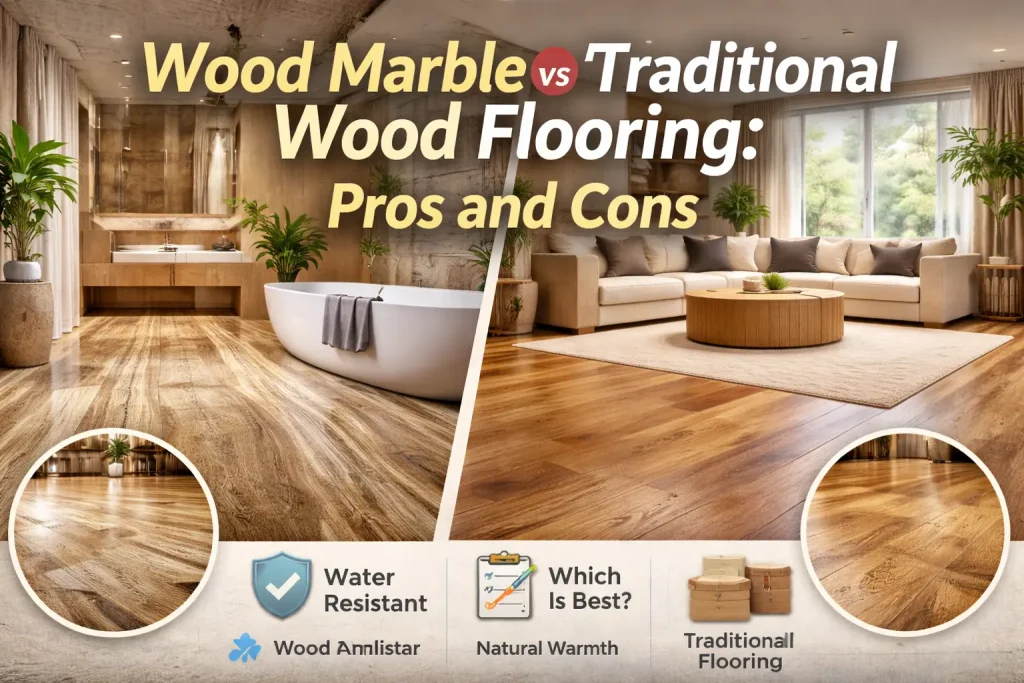
Why Choose Wood Marble Over Traditional Wood Flooring?
1. Aesthetic Appeal
One of the first things to consider when comparing Wood Marble to traditional wood flooring is aesthetics. Both materials offer natural beauty, but they have different looks:
-
Traditional Wood Flooring: Warm, classic, and timeless. Wood’s natural grain and texture create a rustic or refined look depending on the species and finish.
-
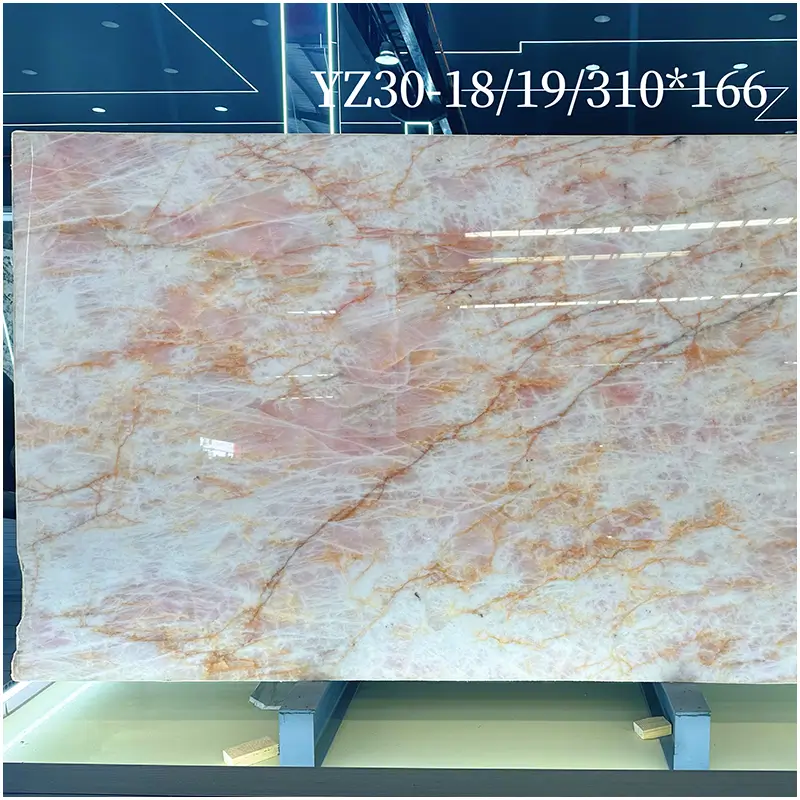
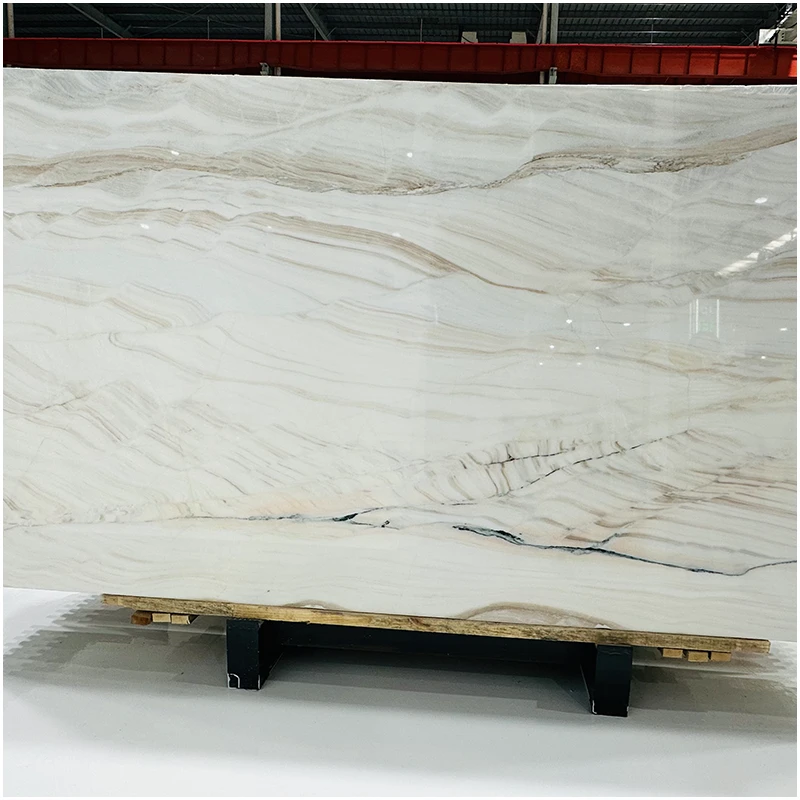
Wood Marble: A hybrid material that combines the luxurious, polished look of marble with the visual texture of wood. It offers a modern, elegant appearance that can mimic the rich tones of wood but with the shine and sleekness of marble.
Wood Marble provides an unparalleled visual experience, making it perfect for modern and luxurious designs. For instance, China Imperial Wood Vein Marble is one of the most elegant choices, featuring beautiful veining patterns and a sophisticated finish that adds a touch of class to any room.
2. Durability
When it comes to durability, both options offer long-lasting performance, but they vary in specific characteristics:
-
Traditional Wood Flooring: While wood is strong and durable, it is susceptible to scratches, dents, and water damage over time. In high-traffic areas or moisture-prone environments, it may require refinishing to maintain its appearance.
-
Wood Marble: This material combines the strength of marble with the visual appeal of wood, making it much more resistant to scratches and moisture. Wood marble is incredibly durable, doesn’t need frequent refinishing, and is much more resistant to wear and tear. However, it can be prone to cracking if not installed correctly.
For example, Wooden Vein Grey Athens Wood Marble Big Slab Polished Price provides superior durability for both residential and commercial spaces.
Where Does Wood Marble Shine?
3. Easy Maintenance
Maintaining Wood Marble and traditional wood flooring requires different levels of effort.
-
Traditional Wood Flooring: Regular sweeping, vacuuming, and occasional polishing are needed to maintain its appearance. However, it requires more care in moisture-prone areas, as water spills can cause warping or stains.
-
Wood Marble: It is much easier to maintain. It does not absorb moisture as wood does, and cleaning is as simple as wiping down the surface with a damp cloth. Plus, its hard, smooth surface resists staining.
For properties that require low-maintenance, Wood Marble is the best choice for areas like kitchens, bathrooms, and commercial spaces, as it remains spotless with minimal effort.
4. Cost and Installation
While Wood Marble is more durable and easier to maintain, it tends to be more expensive than traditional wood flooring. The price can vary depending on the type of marble and the design chosen.
Traditional wood flooring is generally cheaper, but its installation costs can rise due to the need for regular refinishing and maintenance.
If you’re looking for a high-end flooring material that enhances property value, Wood Marble offers a higher return on investment. Top 10 Advantages of Wood Marble for Small Space Fresh Style Bedroom showcases how Wood Marble can be the perfect choice for a fresh, modern design.

Where Traditional Wood Flooring Excels
Authenticity and Warmth
Traditional wood flooring is admired for its authenticity and warmth. Each plank is unique, with natural textures and grain patterns that give it character. While this natural appeal is hard to replicate, it requires more care and maintenance to preserve its beauty over time.
On the other hand, Wood Marble offers a sophisticated, polished appearance that mimics the warmth of wood but with the added benefits of marble’s durability and low maintenance. It combines the best of both worlds: the rich aesthetic of wood with the strength and longevity of marble.
For a classic, organic look, traditional wood may be suitable. However, if you’re looking for a modern, refined, and hassle-free flooring solution, Wood Marble stands out, offering a unique and durable design that traditional wood simply can’t match.

Key Considerations When Choosing Between Wood Marble and Traditional Wood Flooring
Room Suitability
Both Wood Marble and traditional wood flooring can be used in interior projects, but for buyers who want a more practical and design-forward material, Wood Marble often offers the broader advantage.
Wood Marble is especially well suited to spaces where appearance, durability, and ease of maintenance all matter at the same time. In kitchens, bathrooms, entrance areas, and high-traffic commercial interiors, it delivers the warm visual effect of wood while avoiding many of the daily-use concerns associated with real timber. In hotels, retail stores, reception spaces, and modern apartments, it creates a refined wood-look surface with a more stable and premium performance profile.
Traditional wood flooring is still appreciated for its natural feel, but it is generally better limited to dry, lower-maintenance residential spaces such as bedrooms and private living rooms. Once the environment involves heavier traffic, more frequent cleaning, or higher moisture exposure, buyers often find that traditional wood requires more care to maintain its original look.
This is where Wood Marble stands out. It gives designers and homeowners the natural visual rhythm of wood grain, but with a more versatile application range across both residential and commercial projects. For buyers who want beauty without constant maintenance pressure, it is often the more reliable specification.
Climate and Moisture Considerations
Climate is one of the biggest reasons many buyers move from traditional wood flooring to Wood Marble. Natural wood reacts to humidity and temperature changes. In dry conditions it may shrink slightly, and in humid environments it may expand. Over time, this can lead to movement, visible gaps, or surface instability if the environment is not carefully controlled.
Wood Marble offers a much more stable solution. It does not swell, warp, or respond to moisture the way natural wood does, which makes it a stronger choice for kitchens, bathrooms, entry areas, and projects in humid or climate-variable regions. For international buyers, developers, and contractors, this stability is a major advantage because it reduces long-term maintenance concerns and helps preserve the design effect over time.
Traditional wood flooring can still perform well in stable indoor environments, but Wood Marble gives buyers greater flexibility and peace of mind, especially in projects where durability, moisture resistance, and long-term appearance consistency are essential. In real-world applications, that makes Wood Marble not just a decorative alternative, but often the smarter material choice.
Case Study: Successful Installations of Wood Marble vs. Traditional Wood Flooring
A prime example of Wood Marble being used effectively is a top 8 home areas where wood marble is commonly used case study. In a recent residential project, Wood Marble was installed in the living room and bathroom, providing an elegant yet durable solution that required very little maintenance.
In contrast, traditional wood flooring was used in the bedroom and hallway of the same home. Over time, the wood showed signs of wear in high-traffic areas, which required refinishing to maintain its pristine appearance.

Frequently Asked Questions (FAQ)
What is Wood Marble?
Wood Marble is a unique material that combines the appearance of wood with the durability of marble. It offers the texture of wood while providing the hard-wearing qualities of marble, making it perfect for high-traffic areas.
Can Wood Marble be used in the bathroom?
Yes, Wood Marble is highly resistant to moisture, making it an ideal flooring choice for bathrooms and other wet areas.
Is Wood Marble more expensive than traditional wood flooring?
Yes, Wood Marble is typically more expensive than traditional wood flooring due to its unique properties and luxurious appearance.
Can Wood Marble be installed in commercial spaces?
Absolutely! Wood Marble is often used in commercial spaces due to its durability and ease of maintenance. It can withstand high foot traffic and maintain its polished appearance.
How long does Wood Marble last?
With proper care and maintenance, Wood Marble can last for decades. It’s a durable material that is resistant to scratches and stains, making it a long-lasting investment.
Which Flooring is Right for You?
The choice between Wood Marble and traditional wood flooring depends on your project’s needs. While traditional wood offers a warm, classic look, it requires more maintenance. Wood Marble combines the beauty of wood with the durability of marble, making it a better option for high-traffic areas, kitchens, and bathrooms.
For long-term durability, low maintenance, and a polished appearance, Wood Marble is the clear winner, providing both aesthetic appeal and practical performance that traditional wood flooring can’t match.
For more information on Wood Marble and to explore your options, visit Egret Home’s Wood Marble Collection.
Expert Insights: Making the Right Flooring Decision
Practical Takeaway (Why & What): Buyers should compare Wood Marble and traditional timber not only by appearance, but by lifecycle cost, installation environment, and long-term performance. When specified correctly, Wood Marble delivers a refined wood-look aesthetic with the structural confidence of natural stone, making it a strategic investment for projects that demand both design impact and practical durability.
Key Application & Lifecycle Strategies
- Application Strategy (Where to Use)
If your project needs the natural texture of wood but demands strong resistance to moisture, stains, and heavy daily wear, Wood Marble is the optimal choice. It excels in bathrooms, kitchens, hotel lobbies, and upscale commercial areas where traditional wood flooring would warp or require excessive upkeep. - Maintenance & Lifecycle (Consideration)
Traditional wood brings unmatched organic warmth but requires strict climate control and periodic refinishing. Conversely, Wood Marble bypasses the swelling and shrinking risks associated with humidity. It requires only standard stone care (gentle wiping and periodic sealing), ensuring the floor maintains its pristine, polished appearance for decades.


