
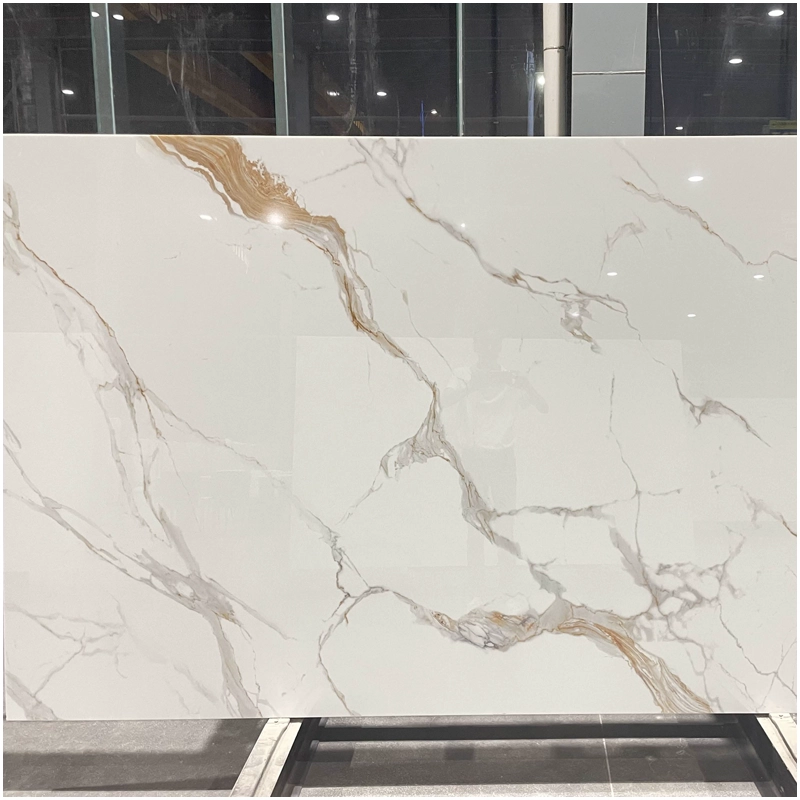
What Are the Most Luxurious Marble Varieties in the World
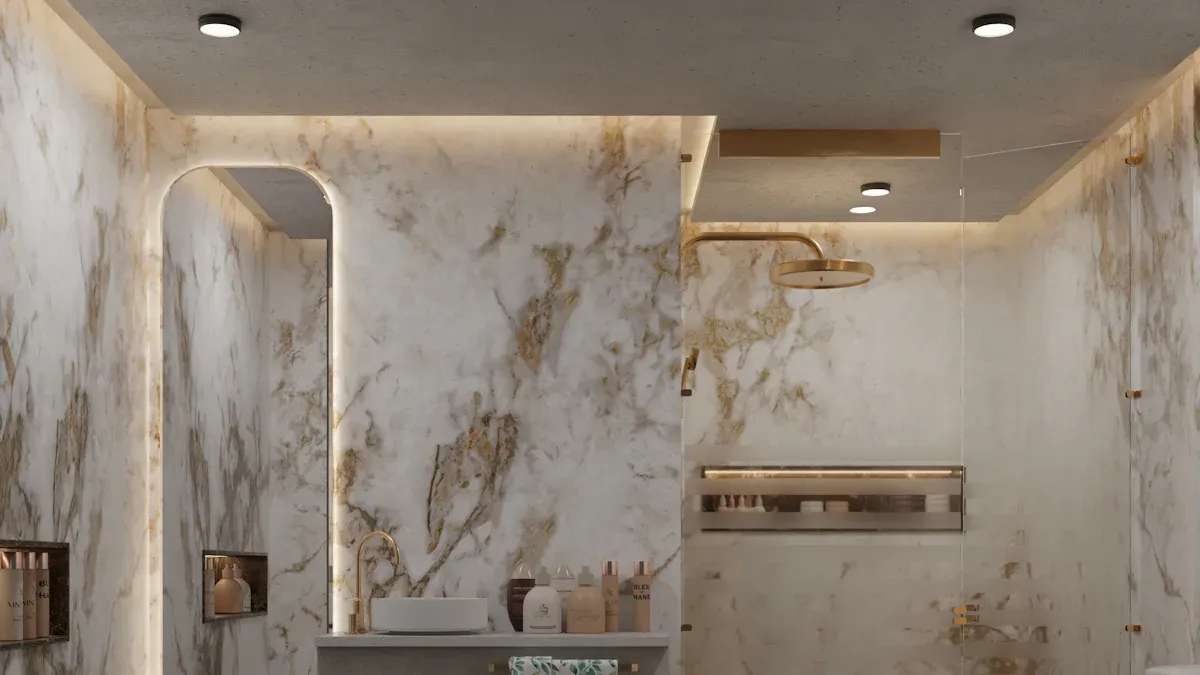
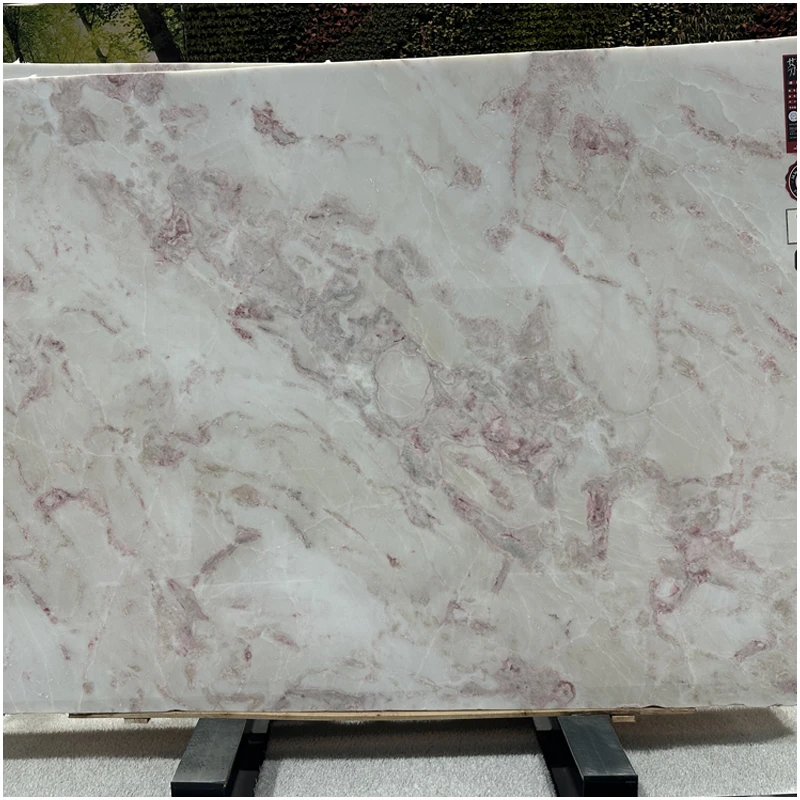
When I explore luxury marble varieties, I see names like Italian Calacatta White Gold, Greek White Thassos, and Indian Mag-Lite Marble stand out for their rarity and beauty. Each region brings something special. Italy, Spain, Greece, India, and China offer marbles that transform spaces, with colors and veining patterns that collectors and designers treasure. In luxury hotels, I notice that marble slabs often become the centerpiece because they combine elegance and durability. Global demand drives prices, as shown in the table below:
| Region | Key Countries | Market Drivers |
|---|---|---|
| Europe | Italy, Spain, Greece | High-end architectural projects, luxury real estate investments, tourism infrastructure |
| North America | U.S. | Residential construction, renovation, eco-friendly materials, technological advancements |
| Latin America | Brazil, Mexico | Urban development, rising middle-class income, investments in luxury hotels and resorts |
| Middle East & Africa | Gulf countries | Large-scale construction projects, luxury hospitality, cultural affinity for opulent architecture |
I find that collectors often seek out rare types like Onionskin Marbles, Paneled Onionskin German Marble, and the Black and White Navarre Marble. These stones command high prices, much like the Pietra Grey marble price, and frequently appear on lists such as the Top 10 Marble Tiles. When I compare Marble Slabs vs Marble Tiles, I see that slabs dominate luxury spaces because Luxury Hotels Prefer Marble Slabs for their seamless look.

Key Takeaways
- Explore luxurious marble varieties like Italian Calacatta Gold and Greek White Thassos for their unique beauty and historical significance.
- Consider the durability and maintenance needs of different marbles, as some, like Greek Thassos, excel in high-traffic areas.
- Verify the authenticity of marble by checking its origin and quality, ensuring a lasting investment in your design projects.
- Match marble types to your design goals; for modern spaces, White & Gray marble offers timeless elegance and versatility.
Top Luxury Marble Varieties
Quick Summary:
I have explored the world’s most luxurious marble varieties, each with unique colors, veining, and historical significance. Italian, Spanish, Greek, Indian, and Chinese marbles set the standard for elegance in luxury hotel flooring, residential interiors, and commercial projects. I find that FOR U STONE’s White & Gray marble slabs stand out for their durability and timeless appeal, making them a top choice for modern design.
Italian Marbles
When I walk into a luxury hotel lobby, I often see Italian marble as the centerpiece. Bianco Carrara marble catches my eye with its white base and delicate blue-grey veins. Designers love it for its availability and subtle elegance. Calacatta marble impresses me with its bright white color and dramatic gold and grey veining. This variety offers more styling options and a bold look. Statuario marble stands out for its high-contrast appearance, featuring dark grey veins against a bright white background. Its rarity makes it the most expensive among Italian marbles.
I have learned that Carrara is the most affordable due to abundant quarrying. Calacatta costs more because it is rarer. Statuario commands the highest price, driven by limited supply and high demand. Italian marble varieties have graced iconic architectural projects. For example, the Palazzina Reale in Florence used Fior di Pesco Carnico Marble and Rosso Levanto Marble for refined floors and walls. The Olivetti Fifth Avenue store in New York featured Verde Alpi and Candoglia marble in its design.
| Project Name | Architect/Designer | Year | Marble Varieties Used | Description |
|---|---|---|---|---|
| Palazzina Reale | Giovanni Michelucci | 1934-1935 | Fior di Pesco Carnico, Rosso Levanto | Strong colored marbles for floors and walls |
| Olivetti Fifth Avenue Store | Gruppo BBPR | 1954 | Verde Alpi, Candoglia | Green marble flooring and Candoglia marble furnishings |
| Setting for Pietà Rondanini | BBPR | 1956 | Pietra Serena | Modern niche design showcasing stone qualities |
Spanish Marbles
I often recommend Spanish marble for its bold colors and versatility. Nero Marquina features a black background with striking white veins, creating a sophisticated look. Its fine and compact grain gives it a smooth, polished surface. I see it used in countertops, flooring, wall cladding, and decorative elements. Prices for polished Spanish marble range from $15 to $80 per square meter, depending on size and finish.
- Emperador Dark and Emperador Light marbles appear in upscale dining spaces and retail interiors.
- Gran Hotel Mas d’en Bruno in Spain showcases the elegance of Spanish marble in luxury hospitality settings.
Greek Marbles
Greek marble varieties, especially White Thassos, have a reputation for purity and durability. Thassos Snow White Marble is the whitest marble in the world, reflecting sunlight and brightening any space. Thassos Vein Cut offers light veins while maintaining a pure, bright appearance. Thassos Golden Radix is rare, with golden veins resembling tree roots, making it a favorite for artistic presentations.
| Type of Thassos Marble | Description |
|---|---|
| Thassos Snow White | Pure white color, highest sun reflection |
| Thassos Vein Cut | Light veins, maintains purity and brightness |
| Thassos Golden Radix | Rare, golden veins, unique artistic presentation |
I have found that Greek marble, especially Thassos, shows exceptional resistance to weathering, erosion, and chemical damage. It outperforms other luxury marble varieties like Carrara and Calacatta in durability, making it ideal for high-traffic areas.

Indian Marbles
Indian marble varieties offer a wide range of colors and intricate veining patterns. Makrana White marble, sourced from Rajasthan, stands out for its purity and historical significance. I admire its excellent compression strength and low water absorption rate, which prevent staining and moisture damage. Many producers use sustainable practices in quarrying and processing.
| Feature | Description |
|---|---|
| Variety of Colors and Patterns | Wide range of colors and intricate veining |
| Durability and Strength | Excellent compression strength |
| Low Water Absorption Rate | Prevents staining and moisture damage |
| Sustainable and Eco-Friendly | Focus on sustainable quarrying and processing |
I see Indian marble in many historical monuments:
- Taj Mahal Quartzite, Agra – Built entirely of white marble.
- Victoria Memorial, Kolkata – Constructed with Makrana marble.
- Sheikh Zayed Grand Mosque, Abu Dhabi – Features Indian marble.
- Moti Masjid, Lahore – Notable for its marble construction.
Expert Interpretation:
I asked a marble specialist about the enduring popularity of Indian marble. The expert explained that Makrana White marble’s use in the Taj Mahal and other monuments proves its unmatched quality and longevity. Its durability and low water absorption make it a top choice for both heritage and modern projects.
Chinese Marbles
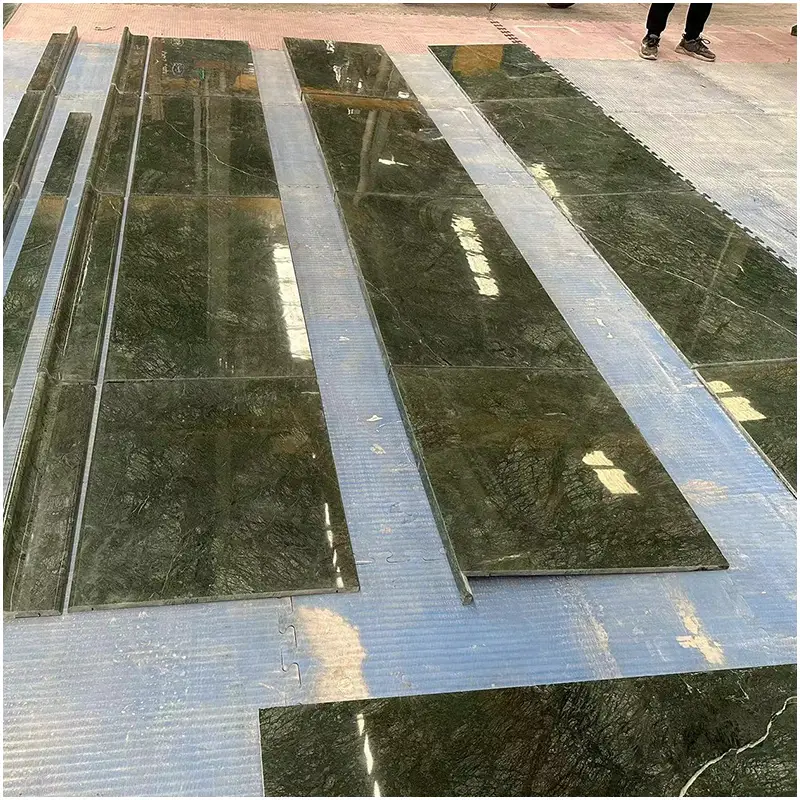
Chinese marble varieties like Panda White and Ice Jade Green have gained global recognition. Panda White marble features a dramatic white background with bold black veins, creating nonrepresentational patterns that add depth and artistic appeal. Its rarity increases its value, and I see it used in luxury interiors for its elegance and versatility. Ice Jade Green marble displays soft greens and whites with black veins, resembling hazy landscapes. Limited availability from Yunnan mines makes it a luxury choice, highly sought after for its calming beauty.
| Marble Variety | Color Description | Veining Description | Market Demand Description |
|---|---|---|---|
| Panda White Marble | Dramatic white background with bold black veins | Black veins create artistic patterns | Rarity increases value; popular for elegance and versatility |
| Ice Jade Green Marble | Soft greens and whites with black veins | Patterns resemble hazy landscapes | Limited availability; highly sought after for beauty and elegance |
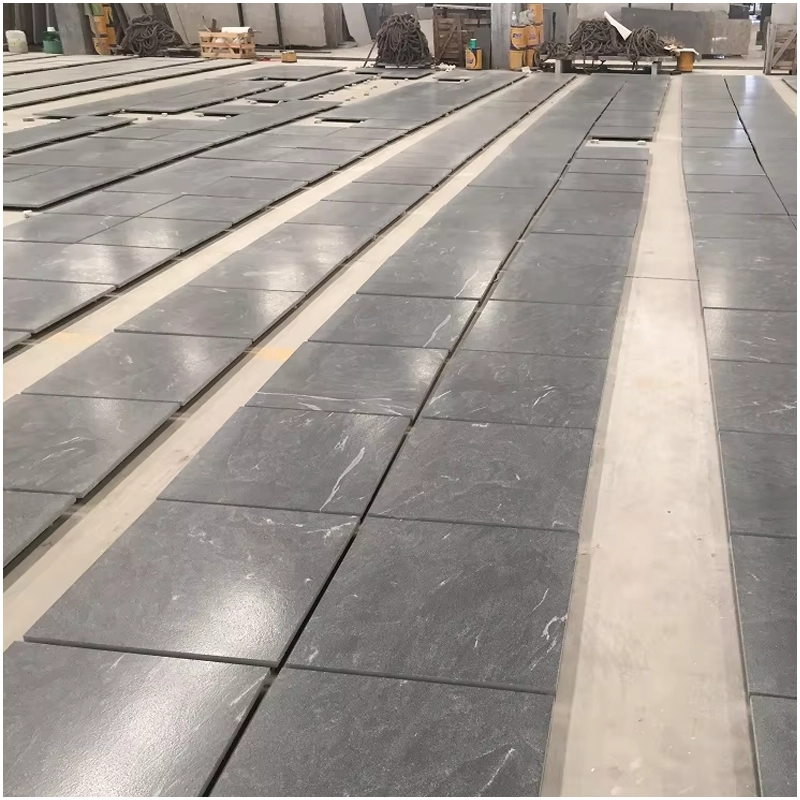
I often recommend FOR U STONE’s White & Gray marble slabs for luxury hotel flooring, residential interiors, and commercial projects. Their durability and neutral tone provide a timeless elegance that complements modern design. Gray marble offers a distinct yet adaptable backdrop, while white marble is synonymous with luxury and sophistication.
Other Notable Varieties
Onyx marble stands out for its smooth, glossy finish and translucent veins. I see it available in multiple colors and patterns, making it versatile for different design styles. Its translucency provides a luminous appearance, ideal for walls and countertops. The softness of Onyx marble allows for easy cutting and shaping for custom designs.
- Applications of Onyx Marble:
- Wall cladding
- Kitchen and bathroom countertops
- Vanities
- Flooring
- Sculpture and decorative items
- Backlit panels
I have noticed that luxury marble varieties such as Statuario, Calacatta, Carrara, Nero Marquina, White Thassos, Makrana White, Ice Jade Green, Panda White, and Onyx marble continue to set the benchmark for elegance and durability in high-end design. Their unique features and historical significance make them the preferred choice for architects and designers worldwide.
Unique Features
Color and Veining
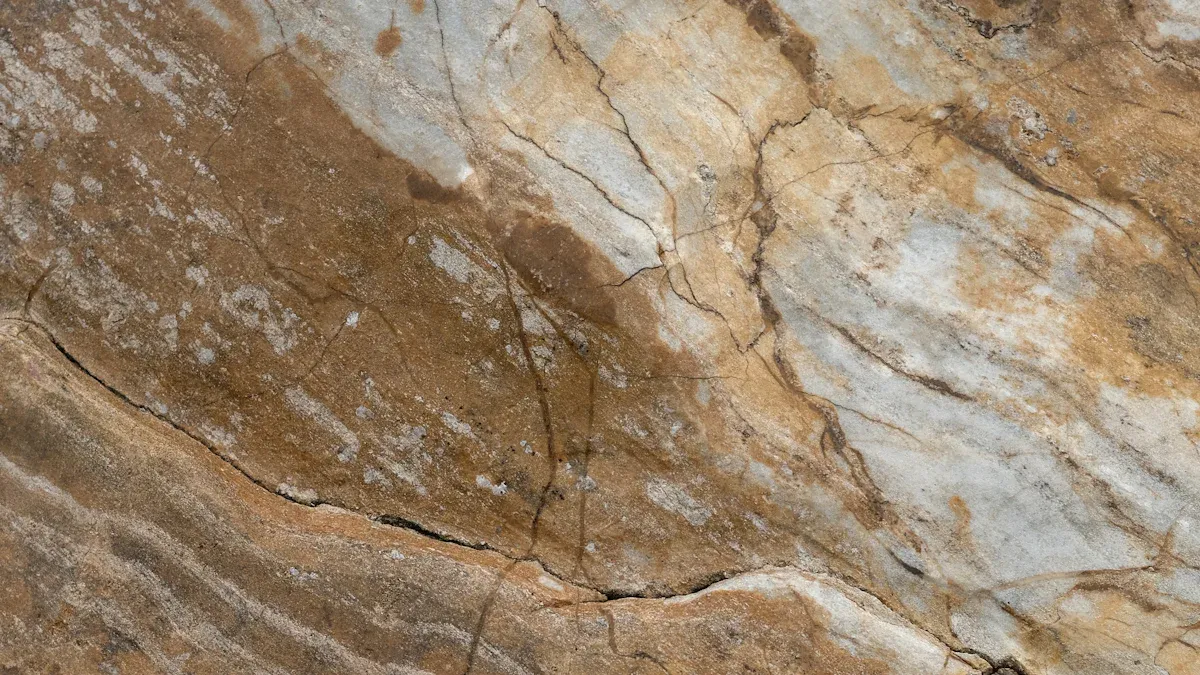
When I look at luxury marble varieties, I notice that color and veining set them apart. Each type has a unique palette and pattern that designers love. Some marbles have soft beige or cream tones, while others shine in pure white or deep black. Gray marbles give a modern, urban feel. Dramatic veining, like in Calacatta, creates bold statements, while linear or cloud-like patterns add subtle movement.
| Color Category | Description | Examples |
|---|---|---|
| Beige and Cream Tones | Warm, serene, subtle luxury | Diana Royal, Ivory Beige |
| White Marble | Clean, bright, timeless, reflects light | Afyon White, Calacatta Amber |
| Gray Marble | Sleek, modern, urban aesthetic | Skyline, Silver Shadow, Aspen Gray |
| Black Marble | Bold, sophisticated, high contrast | Iris Black, Nero Picasso |
| Dramatic, Bold Veining | Thick, expressive veins as focal points | Calacatta Amber |
| Linear/Directional | Consistent veining, sense of flow | Skyline, Silver Shadow |
| Cloud-Like Textures | Gentle, blurred veining, natural effect | N/A |
Expert Interpretation:
A marble specialist once told me that dramatic veining and rare color combinations make a marble truly luxurious. Calacatta’s bold veins, for example, turn a simple surface into a work of art. Unique patterns not only add value but also create a sense of exclusivity in any space.
Rarity
I find that rarity often drives the value of marble. Some varieties come from only a few quarries or require special extraction methods. This limited availability makes them highly sought after.
| Marble Variety | Characteristics | Rarity Factors |
|---|---|---|
| White Carrara | Brilliant white, gray veins | Historic use, high demand |
| Statuario | Pure white, thin gray veins | Few extraction sites, high quality |
| Calacatta | Gray/gold veins, luxury coverings | Unique look, limited supply |
| Thassos | Crystalline white, no veins | Only ten quarries |
| Portoro | Intense black, golden veins | Delicate area, limited production |
| Belgian Black | Deep black, underground quarries | Difficult extraction, low output |
Historical Significance
I see that marble has shaped history. Ancient Egyptians used it for tombs and temples. Greeks built temples and statues from white marble, making it a symbol of culture and power. Romans improved mining and spread marble across their empire, using it in homes and palaces. During the Renaissance, artists like Michelangelo chose Carrara marble for masterpieces such as David and the Pietà.
- Greeks and Romans saw marble as a sign of art and status.
- Greeks used white marble in public buildings.
- Romans brought marble into daily life and architecture.

Durability
I always remind clients that marble is elegant but softer than granite or quartzite. Marble ranks between 3 and 5 on the Mohs scale, so it can scratch or stain more easily. While it may not suit high-traffic areas, its timeless beauty makes it perfect for feature walls, bathrooms, and luxury hotel lobbies. I believe the right care can keep marble looking stunning for generations.
Global Sources
Quick Summary:
I have explored the global landscape of luxury marble. Italy, Greece, Spain, and Turkey lead the world in marble exports. Prestigious quarries in these countries produce some of the most sought-after varieties. The luxury marble market continues to grow, with a projected value of over $15 billion by 2025.
Leading Exporters
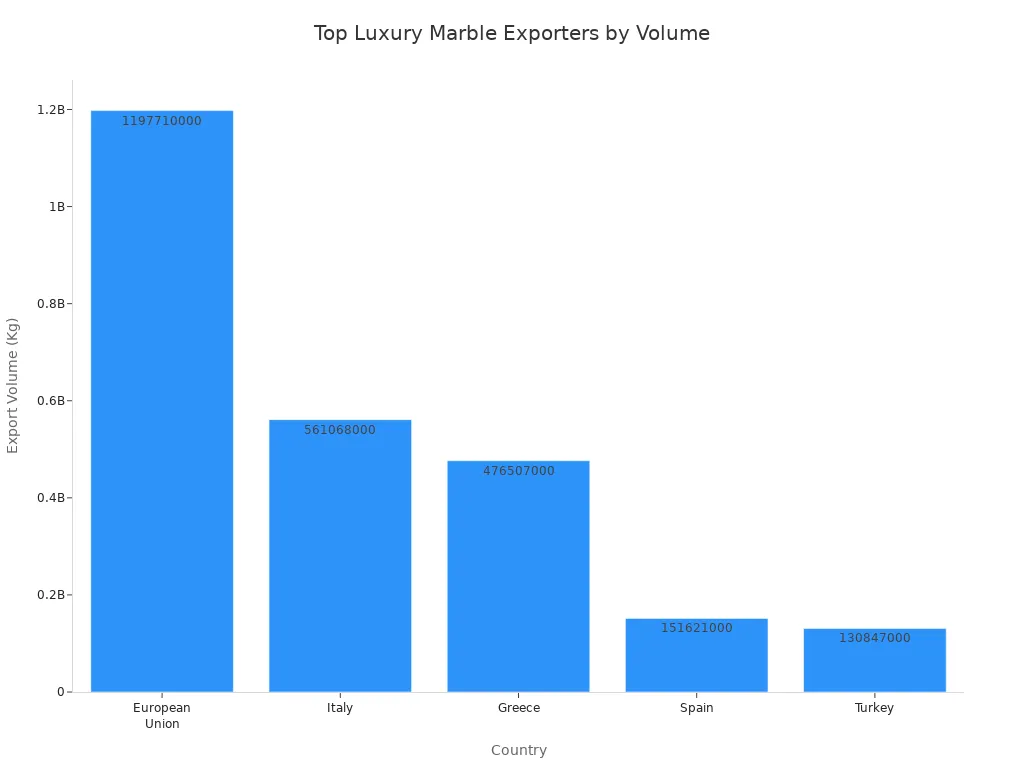
I often look at export data to understand which countries shape the luxury marble market. Italy stands out as a leader, followed by Greece and Spain. The European Union as a whole exports the largest volume. Turkey also plays a significant role. I find that these countries supply marble to high-end projects worldwide.
| Country | Export Value (K) | Export Volume (Kg) |
|---|---|---|
| European Union | 382,710.21 | 1,197,710,000 |
| Italy | 242,066.12 | 561,068,000 |
| Greece | 122,475.09 | 476,507,000 |
| Spain | 23,922.60 | 151,621,000 |
| Turkey | 21,159.90 | 130,847,000 |
Expert Interpretation:
A marble industry analyst once explained to me that Italy’s dominance comes from both tradition and innovation. Italian quarries have refined extraction and finishing techniques for centuries. This expertise ensures consistent quality, which keeps Italy at the top of the export market.
Prestigious Quarries
When I study the origins of luxury marble, I see that certain quarries have legendary status. These sites produce marble with unique colors and patterns that designers and architects value highly.

- Crema Marfil quarry in Alicante, Spain: Famous for warm-toned Crema Marfil marble.
- Pentelic Marble quarry in Greece: Known for its historical use in ancient monuments.
- Makrana Marble quarry in India: Supplies the iconic white marble of the Taj Mahal.
- Carrara quarry in Italy: Produces the world-renowned Carrara marble.
- Monte Altissimo in Italy: Sought after for Karara marble, ideal for sculptures.
- Danby Marble quarry in the USA: Offers Imperial Danby marble with elegant streaks.
- Alanya quarry in Turkey: Known for Emperador Dark Marble.
- Marathi Marble quarries in Greece: Renowned for pure white marble.
- Iranian marble quarries: Provide a range of unique varieties.
Market Value
I track the luxury marble market closely. The global market value is projected to reach $15.43 billion in 2025. This growth reflects rising demand for premium materials in luxury hotels, upscale residences, and commercial spaces. I believe that as more designers seek rare and beautiful marble, the value of these stones will continue to rise.
Pricing Factors
Quick Summary:
I have learned that the price of luxury marble depends on several key factors. Rarity, quality, color, origin, and market demand all play a role. Understanding these elements helps me make informed choices when selecting marble for high-end projects.
Rarity and Quality
I notice that rarity and quality set the foundation for marble pricing. Unique colors and patterns, such as rare blue or pink marbles, often command higher prices. When a marble comes from a limited source or requires difficult extraction, its value increases. For example, Calacatta Marble from Italy costs more because of its scarcity and the expense of transportation. I always look for marbles with consistent veining and a flawless finish, as these qualities signal higher value.
Expert Interpretation:
A marble specialist once explained to me that collectors and designers pay a premium for stones that are both rare and of exceptional quality. The combination of unique appearance and limited availability makes these marbles highly desirable in luxury markets.
Color Impact
Color plays a major role in marble pricing. I see that certain shades and patterns are more valuable than others.
- Rarer colors and unique patterns lead to higher prices.
- White and grey marbles are particularly in demand, increasing their cost.
- Lifestyle trends, such as the popularity of grey marble in modern interiors, influence demand and pricing.
I find that the right color can transform a space and elevate its style, which is why designers often seek out specific shades.
Origin
The country of origin affects both the prestige and price of marble. I often refer to this table when comparing options:
| Country | Marble Type | Prestige Level | Price Level |
|---|---|---|---|
| Italy | Carrara Marble | High | High |
| Turkey | Various Marbles | Medium | Medium |
| Brazil | Brazilian Marble | High | Medium |
| Spain | Spanish Emperador | Medium | Medium |
| Iran | Iranian Marble | Medium | Low |
I have found that Italian marble, especially Carrara, stands at the top for both prestige and price. The reputation of the quarry and the region often adds to the marble’s value.
Market Demand
I observe that market demand shifts with design trends and consumer preferences. The luxury marble market now favors sustainable sourcing and advanced processing techniques. Digital technology allows for more creative and customized designs. As more people seek high-end interiors, the demand for rare marble varieties grows. The rise of minimalistic aesthetics also boosts the appeal of marble, making it a top choice for modern spaces.
Selecting Luxury Marble Varieties
Quick Summary:
When I select luxury marble, I focus on quality, design compatibility, authenticity, and maintenance. I always recommend working with trusted suppliers like FOR U STONE, especially for luxury hotel flooring and high-end interiors. Balancing budget, style, and upkeep ensures the best results for both residential and commercial projects.
Assessing Quality
I always start by checking the quality of marble slabs. High-quality marble feels dense and solid, with minimal porosity and consistent veining. I use the following table to guide my inspection:
| Criteria | Description |
|---|---|
| Density | Higher density means stronger, more durable marble. |
| Porosity | Low porosity reduces the risk of stains and water damage. |
| Compressive Strength | Stronger marble withstands heavy loads and lasts longer. |
| Surface Finish Types | Consistent finishes create a harmonious look. |
| Flatness and Evenness | Even slabs make installation easier and more secure. |
| Gloss Level | Uniform gloss adds elegance and visual appeal. |
| Color and Pattern Consistency | Consistent color and veining enhance the overall design. |
| Veining Characteristics | Natural, balanced veining increases beauty and value. |
| Presence of Defects | Fewer cracks or chips mean higher integrity and aesthetics. |
Matching Design Needs
I match marble types to specific design goals. For modern spaces, I often choose White & Gray marble from FOR U STONE because it offers a neutral palette and timeless elegance. I use bold-veined Calacatta for statement pieces, while Carrara works well in versatile settings. Thassos marble fits minimalist designs, and Emperador adds warmth to classic interiors.
| Marble Type | Description | Applications |
|---|---|---|
| Calacatta Marble | Bold veining, white background | High-end projects |
| Carrara Marble | Fine veins, soft look | Versatile styles |
| Emperador Marble | Rich brown, dramatic veining | Statement pieces |
| Crema Marfil Marble | Beige, uniform background | Neutral designs |
| Thassos Marble | Pure white, minimal veining | Minimalist spaces |
I use marble for flooring, backsplashes, countertops, and accent features. Arabescato White Marble, with its striking gray veining, adapts to both modern and traditional designs. It stands up well in high-traffic areas and adds sophistication to any space.
Expert Interpretation:
A marble designer once told me that matching the right marble to the project’s style and function is key. The right choice elevates the space and ensures lasting satisfaction.

Verifying Authenticity
I always verify marble authenticity to avoid imitations. I follow these steps:
- Check the origin and ask for documentation.
- Examine the surface finish—real marble feels cool and slightly porous.
- Conduct a water test—genuine marble absorbs water quickly.
- Compare weight and density—real marble feels heavier.
- Listen for a clear sound when tapping the slab.
I also buy from trusted suppliers like FOR U STONE, who provide authenticity certificates and allow me to inspect slabs before purchase.
Maintenance Tips
I keep marble looking its best with simple care routines:
- I use soft cloths and mops for daily cleaning to avoid scratches.
- I choose pH-neutral cleaners to protect the surface.
- I blot spills right away, especially acidic ones, to prevent etching.
- For stains, I apply a poultice overnight for deep cleaning.
- I make sure installers use a level subfloor and proper adhesives for durability.
Marble Look Tiles
Sometimes, I recommend marble look tiles for clients who want the elegance of marble with easier maintenance and a lower budget. These tiles mimic natural marble patterns and work well in high-traffic areas. They offer a practical solution for modern design projects, especially when paired with White & Gray marble accents from FOR U STONE.
Quick Summary:
I explored the world’s most luxurious marble varieties, each with unique beauty and value.
I find that Italian, Greek, Spanish, Indian, and Chinese marbles each offer distinct colors, veining, and history. I always check the origin and quality before making a choice. I balance my budget, design goals, and maintenance needs for every project.
Expert Insight:
A marble expert once told me, “Authenticity and proper selection ensure your marble investment stands the test of time.”
I recommend verifying authenticity with trusted suppliers to guarantee lasting elegance.
FAQ
Quick Summary:
I often receive questions about luxury marble. Here, I answer the most common ones to help you make informed choices for your next project.
What makes a marble variety “luxurious”?
I look for rarity, unique veining, and historical prestige. Luxurious marble often comes from famous quarries and features colors or patterns that stand out in any space.
How do I verify the authenticity of marble slabs?
I always ask for certificates of origin and inspect the slab’s texture. Real marble feels cool and heavy. Trusted suppliers like FOR U STONE provide documentation and allow personal inspection.
Which marble is best for modern design projects?
I prefer White & Gray marble slabs for modern spaces. Their neutral tones and timeless elegance fit luxury hotel flooring, residential interiors, and commercial projects.
How should I maintain luxury marble surfaces?
I clean marble with a soft cloth and pH-neutral cleaner. I avoid acidic products. I blot spills quickly to prevent stains and use a poultice for deep cleaning.
Why do prices vary so much between marble types?
Expert Interpretation:
A marble expert explained to me that rarity, color, and quarry location drive price differences. Unique patterns and limited supply increase value, especially for high-end projects.