Tóm tắt nhanh
Tóm tắt nhanh: Natural stone project procurement works best when the project team confirms the application area, material type, slab photos, finish, drawings, edge details, inspection photos, labels, packing method, and shipment requirements before production. For marble, granite, quartzite, travertine, countertops, hotel lobby stone, bathroom stone, and cut-to-size work, the safest process is to approve the real stone batch and production details together.
Natural Stone Project Procurement Guide: From Material Selection to Export-Ready Delivery
Natural stone procurement is not the same as choosing a color from a catalog. A project order has to answer practical questions before money, material, production time, and shipping space are committed. Which stone will be used? Where will it be installed? Which slabs or batches are approved? What finish, thickness, edge detail, cutout, packing method, and delivery plan are needed?
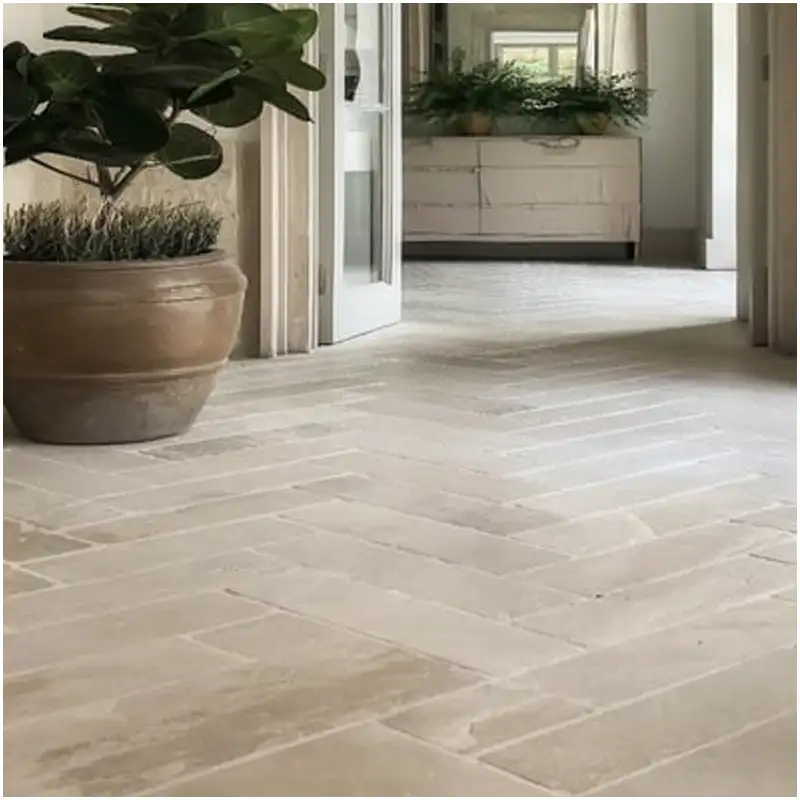
These questions matter because natural stone varies. Marble, granite, quartzite, travertine, and other stones can change across slabs, blocks, finishes, and production batches. A material that looks right in a small sample may behave differently on a hotel lobby wall, villa floor, bathroom vanity top, kitchen island, stair package, or outdoor flooring area.
CHO ĐÁ CỦA BẠN natural stone products, stone materials, đá cẩm thạch, đá granit, đá thạch anh, đá travertine, mặt bàn bếp và mặt bàn trang điểm, Và stone project pages all sit inside this procurement path. The goal is to turn a broad material idea into a production-ready order that can be checked, packed, and delivered with fewer surprises.
Technical references support this approach. Natural Stone Institute resources, including the Dimension Stone Design Manual, and ASTM standards such as C1528 and C1242, treat stone selection, application, workmanship, and installation conditions as linked decisions. They do not replace project drawings or local requirements, but they support careful review before production.
Step 1: Define the application before choosing the stone
The first procurement decision is not the stone name. It is the application area. A lobby floor, bathroom wall, reception counter, villa stair, outdoor floor, kitchen countertop, backlit wall, and vanity top all place different demands on the material. A stone can be suitable in one position and unsuitable in another.
Start by marking each area on the drawings. Note whether the stone will be used on floors, walls, countertops, stairs, thresholds, columns, lift surrounds, shower walls, exterior areas, or decorative panels. Also record whether the surface will be walked on, touched often, exposed to water, exposed to sunlight, cleaned frequently, or viewed from a long distance.
This early step makes material comparison more useful. Marble may be a strong option for refined walls, lift surrounds, bathroom features, or controlled interior floors. Granite may be better for heavy-use floors, stairs, entrance zones, and darker base areas. Quartzite may work well for statement walls, counters, selected floor areas, and kitchen islands when slab movement is controlled. Travertine can suit warm interior or exterior design directions, but pores, filling, finish, and maintenance should be reviewed.
For project applications, avoid approving a material only because it looks attractive in a small sample. Connect the sample with the actual place it will be installed. That is the difference between material selection and project procurement.
Step 2: Compare marble, granite, quartzite, and travertine by use area
Every natural stone group has a different working profile. Marble is often selected for its veining and softer interior character, but it needs careful review for wear, acid sensitivity, finish, and cleaning. Granite is commonly used where strength and abrasion resistance are important, although color, finish, and slip review still matter. Quartzite can give strong natural movement and a more dramatic slab face, but the actual slab layout needs close approval. Travertine brings warmth and texture, and its pores, filling, and finish should be matched to the application.
For hotel projects, stone selection should be broken into zones. Floors, walls, counters, columns, and stairs do not need the same material. A hotel lobby may use hotel lobby stone with granite on high-traffic floors, marble on feature walls, and quartzite on a reception counter. A villa may use marble for bathrooms, quartzite for a kitchen island, granite for service areas, and travertine for selected wall or floor zones.
For bathroom work, water, cleaning, slip review, wall weight, and edge details matter. Bathroom stone should be reviewed by surface type: floor, wall, vanity top, shower niche, threshold, or tub surround. A finish that works on a wall may not be ideal on a wet floor.
For exterior or semi-exterior work, do not treat polished interior samples as proof of outdoor suitability. Ask about finish, thickness, anchoring, drainage, slip review, freeze-thaw exposure where relevant, and local installation requirements. Technical design should be handled through the project specification, not by appearance alone.
Step 3: Approve slab photos and batch range before production
Natural stone should be approved from real slab photos or batch photos whenever the project depends on color control, vein direction, or panel matching. A close-up photo can show texture, but it cannot show the whole slab, usable area, shade range, strong veins, edge condition, or whether pieces can be matched across a wall or floor layout.
For slab-led materials such as marble and quartzite, request straight full-slab photos with labels. If the project uses feature walls, countertops, islands, vanity tops, or bookmatched panels, ask how the selected slabs will be used. The review should connect slab numbers with drawing areas.
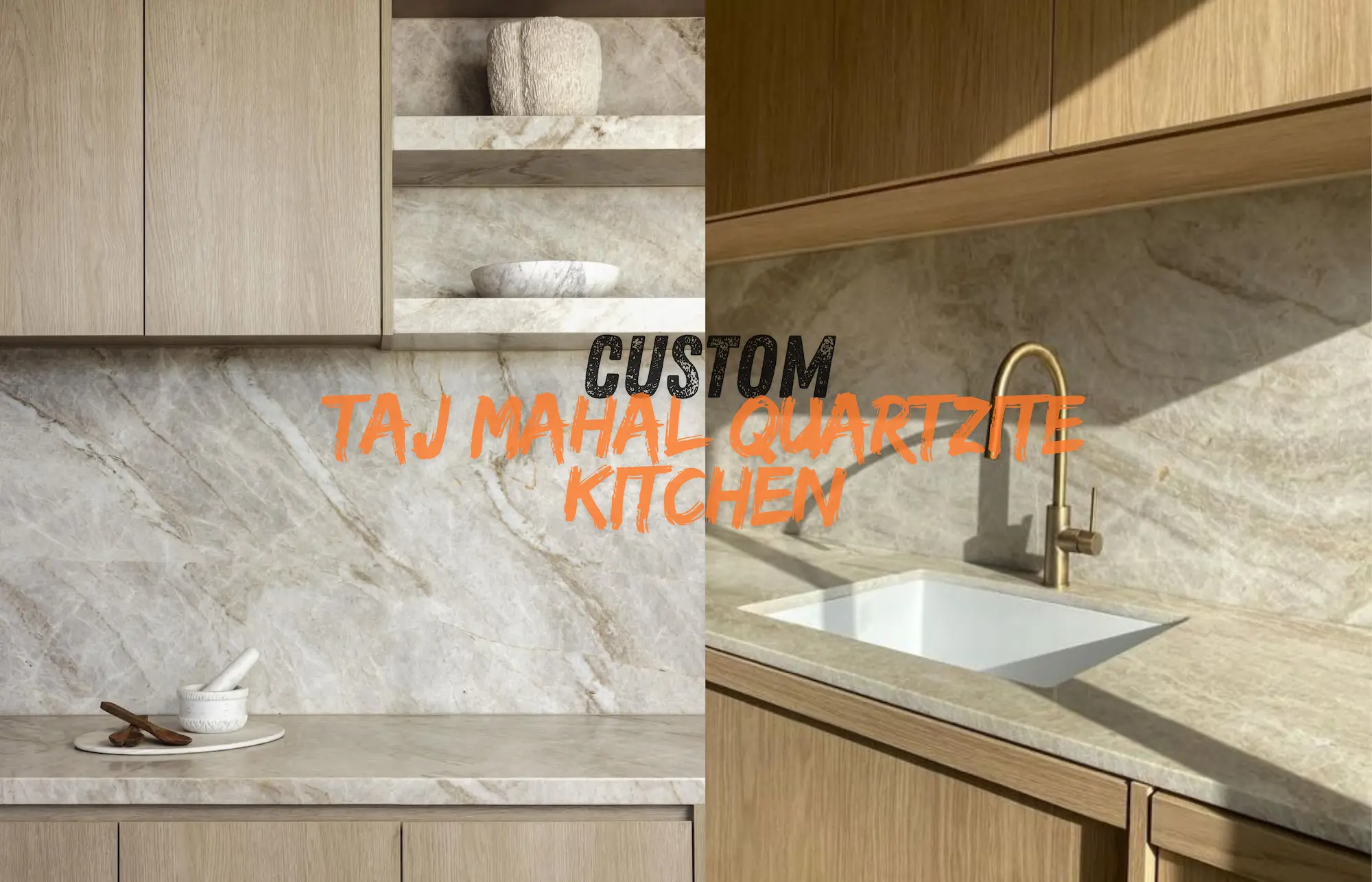
This is especially important for thạch anh kỳ lạ, Đá thạch anh Taj Mahal, Đá thạch anh Patagonia, and other stones with strong movement. A dramatic slab can be excellent for a feature wall or kitchen island, but the strongest vein may need to avoid a sink cutout, stair nosing, or narrow side return.
For a more detailed review process, the related guide on reviewing natural stone slab photos explains what full-slab photos, labels, color range, finish, and defect close-ups should show before a project order is confirmed.
Step 4: Connect drawings with cut-to-size production
Once the stone is selected, the procurement work moves into drawings. A size list is not enough for most project orders. Cut-to-size stone needs piece numbers, finished sizes, thickness, quantity, finish, edge details, cutouts, holes, room numbers, installation area, and packing sequence.
A countertop package may need sink cutouts, faucet holes, backsplash strips, side splashes, mitered edges, and island waterfall sides. A bathroom stone package may need wall panels, vanity tops, thresholds, shower pieces, and floor tiles for repeated room types. A lobby order may need large panels, floor borders, stair treads, lift surrounds, columns, and reception counter pieces.
Clear drawings reduce avoidable production questions. They also help the supplier check whether the approved slabs or blocks can produce the required pieces. If a piece must fit between two finished walls, a site template or final site measurement may be more useful than the original concept drawing.
The related cut-to-size stone checklist covers drawings, finishes, edges, holes, inspection, labels, and packing before production starts. It is a practical companion to this procurement guide because it turns the sourcing decision into a production package.
Step 5: Match finish and edge details to the real use
Finish is not only a design preference. It changes appearance, reflection, touch, cleaning, slip review, and edge behavior. Polished stone can deepen color and show strong reflection. Honed stone can reduce glare, but it may show certain marks differently. Leathered, brushed, flamed, sandblasted, and other textured finishes can change both maintenance and surface feel.
Choose finish by application. A polished marble wall can be suitable in a lobby or lift surround, while the same finish near an entrance floor needs more review. A flamed granite may suit exterior paving, but not every project wants the same texture indoors. A leathered quartzite counter may look refined, but cleaning expectations should be discussed.
Edges should also be approved before cutting. Countertops, vanity tops, stair treads, wall panels, thresholds, and reception counters all have different visible edges. Hidden edges, exposed edges, mitered edges, eased edges, nosing, grooves, and field-cut edges should not be left to assumption.
Vì stone countertops, mark sink cutouts, cooktop openings, faucet holes, backsplash pieces, and edge profiles on the drawing. For stair and floor work, review slip considerations, nosing details, grooves, finish, thickness, and local requirements.
Step 6: Plan inspection before packing
Inspection should be planned before production is complete. If the project team waits until crates are closed, problems become harder to review. A useful inspection set may include full-piece photos, close-ups of finish and edges, cutout photos, labels, dry-lay photos for patterned work, and packing photos.

For floors and wall panels, dry-lay photos can confirm sequence before shipment. This matters for bookmatched marble, quartzite walls, floor borders, medallions, repeated bathroom packages, and lobby panels. The photos should match piece numbers in the drawing.
For countertops and vanity tops, inspection should check dimensions, cutouts, faucet holes, edge details, splash pieces, visible surface condition, and labels. For stairs, check treads, risers, nosing, grooves, thickness, edge finish, and sequence.
Inspection does not mean natural stone must look perfectly uniform. It means the approved range, natural features, repairs, filling, color movement, finish, and production details should be visible enough for the project team to accept before packing.
Step 7: Make packing part of the procurement plan
Packing is part of stone procurement, not an afterthought. A stone order can be correctly cut and still cause site problems if crate labels, room grouping, and packing sequence are unclear. This is common in hotel, apartment, villa, and commercial renovation projects where many pieces look similar.
Each crate should connect with the packing list. Labels should be easy for the installation team to read. Useful information can include project name, crate number, room or area code, piece number, material, finish, quantity, and handling notes. The exact label format can vary, but the goal is simple: the correct piece should be easy to find on site.
Crate planning should consider weight, fragile pieces, polished surfaces, mitered edges, long pieces, thin panels, and unloading conditions. Long vanity tops, large wall panels, stair treads, and countertop islands may need different protection from small tiles.
For export-ready delivery, packing photos are helpful. They show crate structure, labels, protection method, and how the pieces are grouped. This record can also help if the project team needs to check what was packed before the shipment left the factory.
Procurement checklist by project stage
The table below gives a simple way to organize natural stone project procurement before placing a production order.
| Stage | What to confirm | Best supporting pages |
|---|---|---|
| Material selection | Application area, stone type, finish direction, performance needs, maintenance expectations | Stone materials, sản phẩm đá |
| Slab approval | Full-slab photos, labels, color range, vein direction, usable area, natural features | Natural marble slabs, thạch anh kỳ lạ |
| Application planning | Hotel lobby, bathroom, countertop, wall, stair, floor, outdoor, and feature area requirements | Hotel lobby stone, bathroom stone |
| Cut-to-size production | Drawings, dimensions, thickness, edge details, holes, cutouts, finish sample, piece numbers | Mặt bàn bếp và mặt bàn lavabo, stone countertops |
| Inspection and packing | Inspection photos, dry-lay review, labels, crate number, room grouping, packing list, shipment notes | Stone projects, Liên hệ với FOR U STONE |
Related Stone Project Guides
Câu hỏi thường gặp
1. What is natural stone project procurement?
Natural stone project procurement is the process of turning a stone requirement into a production-ready order. It includes choosing the material, approving slabs or batches, confirming drawings, finishes, thickness, edges, cutouts, inspection photos, packing labels, and delivery details. The process should match the final application area and installation plan.
2. Which information should be prepared before asking for a stone project quote?
Prepare drawings, application areas, target stone type, preferred color, finish, thickness, quantity, sizes, edge details, cutouts, project location, and delivery requirements. If the project includes countertops, wall panels, stairs, bathroom stone, hotel lobby stone, or bookmatched slabs, include elevations, room numbers, and photos of the intended area.
3. Why should slab photos be approved before production?
Slab photos show the real stone batch, including color range, vein direction, natural features, usable area, and label information. Approving slab photos before production helps the project team understand what will be cut. It also reduces the risk that the finished pieces look different from the approved sample or design intent.
4. What makes a cut-to-size stone order ready for production?
A cut-to-size stone order is ready for production when the latest drawings, piece numbers, dimensions, thickness, quantity, finish, edge details, cutouts, hole positions, material approval, tolerance expectations, inspection requirements, labels, and packing method are confirmed. Repeated room packages should also include room codes and installation sequence.
5. How can packing reduce problems after stone delivery?
Clear packing helps the site team find, sort, and install the right pieces. Labels should match the drawings and packing list, and crates should be grouped by room, area, or installation sequence when possible. Good packing photos also create a record of crate condition, piece grouping, and protection before shipment.
Final Conclusion
Natural stone project procurement is strongest when material selection, slab approval, drawings, cut-to-size details, inspection, packing, and delivery planning are handled together. Marble, granite, quartzite, travertine, countertops, bathroom stone, lobby stone, wall panels, stairs, and outdoor stone each need a different level of review. A clear workflow helps the project team approve the real material and the real production details before cutting starts.
The practical next step is simple: prepare drawings, material preference, finish, thickness, quantity, application area, and project location before asking for recommendations. With those details, FOR U STONE can review natural stone products, material options, slab photos, production requirements, inspection records, and packing plans as one connected project package.
Ask FOR U STONE to review your project stone requirements
Send the drawings, target material, finish, thickness, quantity, sizes, application area, packing needs, and project location. FOR U STONE can help review marble, granite, quartzite, travertine, countertops, vanity tops, bathroom stone, hotel lobby stone, wall panels, stairs, inspection photos, and export-ready packing details before production begins.
Tài liệu tham khảo
- Title: Dimension Stone Design Manual 2024, Author: Natural Stone Institute Technical Committee, Institution: Natural Stone Institute, Source: Natural Stone Institute Resource Library.
- Title: Standards and Specifications for Natural Stone Products, Author: Natural Stone Institute Standards Team, Institution: Natural Stone Institute, Source: Natural Stone Institute Professional Resources.
- Title: ASTM C1528/C1528M Standard Guide for Selection of Dimension Stone, Author: ASTM Committee C18 on Dimension Stone, Institution: ASTM International, Source: ASTM Standards.
- Title: ASTM C1242 Standard Guide for Selection, Design, and Installation of Dimension Stone Attachment Systems, Author: ASTM Committee C18 on Dimension Stone, Institution: ASTM International, Source: ASTM Standards.
- Title: ASTM C119 Standard Terminology Relating to Dimension Stone, Author: ASTM Committee C18 on Dimension Stone, Institution: ASTM International, Source: ASTM Standards.
- Title: ASTM C503/C503M Standard Specification for Marble Dimension Stone, Author: ASTM Committee C18 on Dimension Stone, Institution: ASTM International, Source: ASTM Standards.
- Title: ASTM C615/C615M Standard Specification for Granite Dimension Stone, Author: ASTM Committee C18 on Dimension Stone, Institution: ASTM International, Source: ASTM Standards.
- Title: ASTM C616/C616M Standard Specification for Quartz-Based Dimension Stone, Author: ASTM Committee C18 on Dimension Stone, Institution: ASTM International, Source: ASTM Standards.