Quick Summary: Why Marble Tiles Fit Both Floors and Walls
Why Marble Tiles Are More Than a Decorative Surface
When people choose a restaurant, hotel, villa, bathroom, or kitchen material, they rarely judge the surface by beauty alone. They notice hygiene, lighting, color harmony, texture, and whether the space feels easy to maintain. A clean marble floor in a hotel lobby or a polished marble wall behind a restaurant counter can immediately communicate quality. A stained, slippery, or poorly installed surface does the opposite. Stone has a long memory, and unfortunately, so do customers.
Gạch đá cẩm thạch are one of the most effective natural stone materials for both flooring and wall decoration because they combine elegance, durability, design flexibility, and long-term property value. They can make a space feel brighter, cleaner, more refined, and more premium. However, the same marble tile should not be used blindly in every area. Flooring must handle foot traffic, cleaning, possible moisture, and abrasion. Walls need visual continuity, weight control, adhesive compatibility, and good layout planning.
For buyers comparing natural stone options, a professional range of Gạch đá cẩm thạch can help identify suitable materials for bathrooms, kitchens, walls, floors, hotels, restaurants, villas, apartments, and commercial projects. The key is not simply choosing the most beautiful tile. The key is choosing the marble tile that performs correctly in the exact location where it will be installed.
Gạch đá cẩm thạch là gì?
Basic Definition of Marble Tiles
Marble Tiles are natural stone tiles cut from marble slabs or blocks, then processed into standard or custom sizes for flooring, wall cladding, bathrooms, kitchens, commercial interiors, stair risers, fireplaces, feature walls, and decorative panels. Marble itself is a metamorphic stone formed when limestone or dolomite is transformed by heat and pressure. This geological process creates the natural veining, crystal texture, and elegant movement that make marble visually different from ceramic or porcelain tiles.
Marble tiles may be polished, honed, brushed, tumbled, sandblasted, or textured depending on the final application. Polished marble tiles create a glossy, reflective, luxury appearance. Honed marble tiles offer a softer matte look. Textured finishes are more practical in wet or slip-sensitive areas. The finish is not just a style choice; it directly affects cleaning, slip behavior, scratch visibility, and maintenance.
Why Marble Tiles Are Different from Ceramic or Porcelain Tiles
Ceramic and porcelain tiles are manufactured products. They are consistent, practical, and widely used in many interiors. Marble tiles are natural stone products, which means each tile has unique color movement, veining, mineral tone, and texture. This natural uniqueness is one reason marble tiles are preferred in luxury homes, boutique hotels, high-end restaurants, reception areas, bathroom walls, and premium commercial spaces.
If the project needs strict uniformity and very low maintenance, porcelain may be worth comparing. If the project needs natural luxury, premium material identity, and a surface that feels architectural rather than printed, marble tiles are stronger. For high-end design, the buyer is not only purchasing a floor or wall covering. They are purchasing the atmosphere of the room.
Why Marble Tiles Work Well for Flooring
Natural Luxury Underfoot
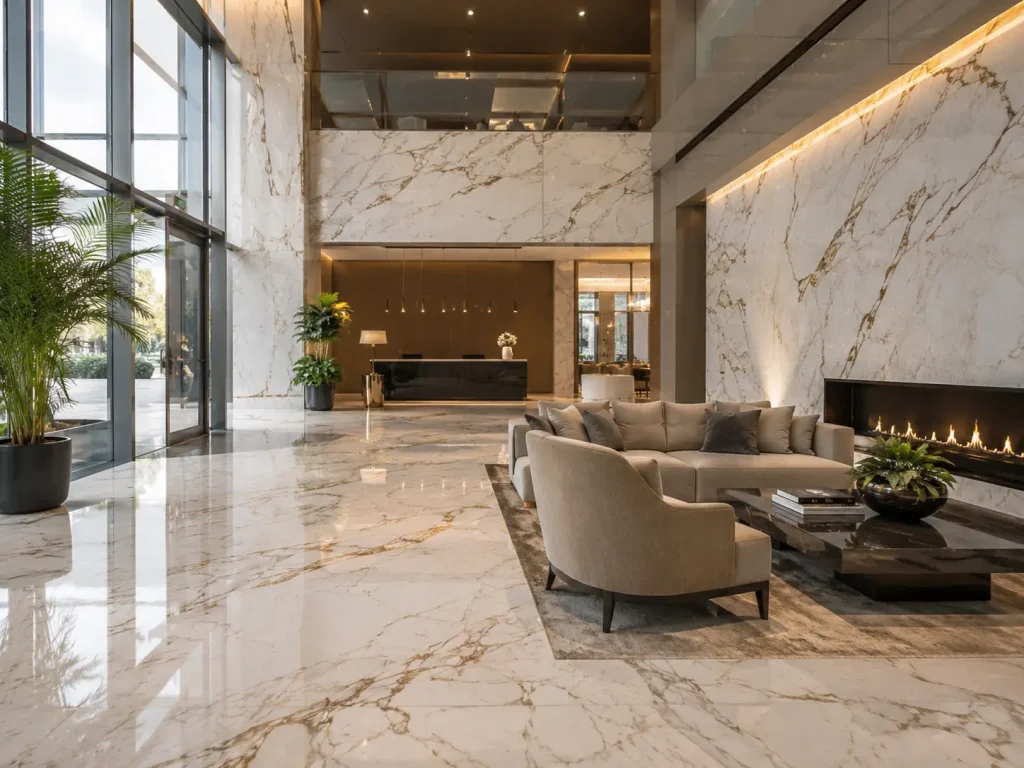
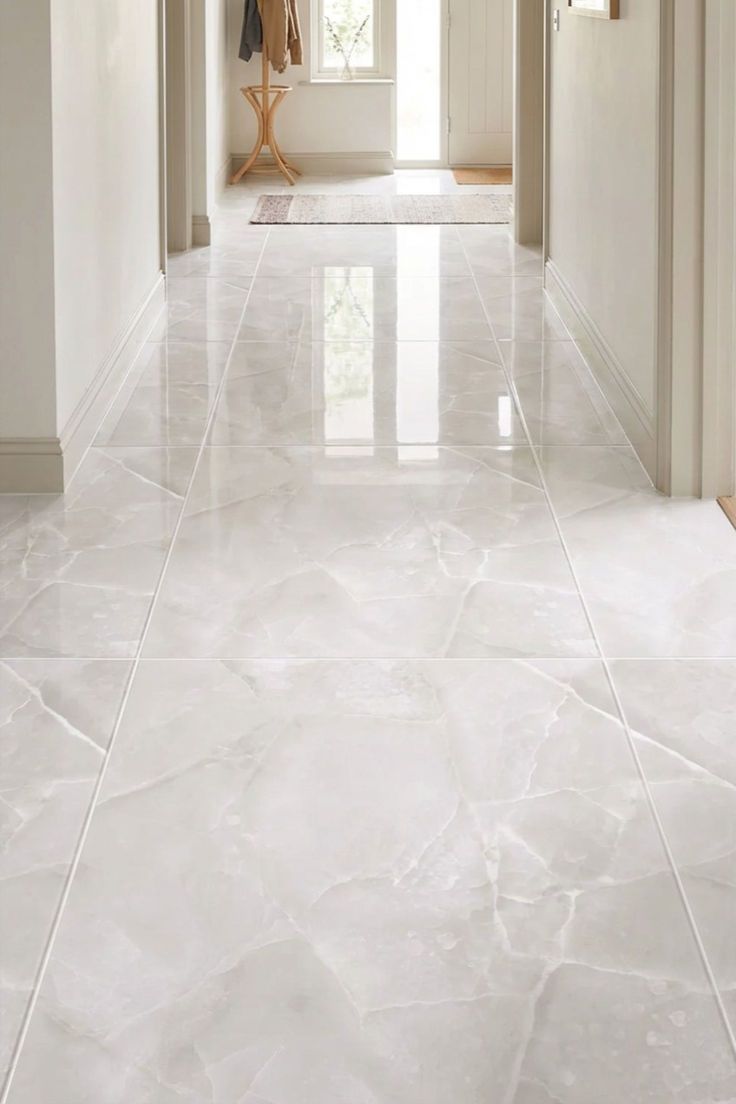
Marble flooring creates a bright, elegant, and timeless impression. It is commonly used in luxury homes, villas, hotel lobbies, reception areas, galleries, corridors, bathrooms, restaurants, and high-end commercial interiors. Polished marble floors reflect light and can make a room feel larger and more refined. Honed marble floors create a calmer, softer, more modern feeling.
In restaurants and hospitality interiors, flooring contributes directly to the customer’s perception of hygiene and quality. If a floor looks clean, smooth, and well maintained, guests usually assume the business pays attention to details. If the floor looks stained, dull, cracked, or poorly installed, the entire brand loses points before the food even arrives. Harsh but true: the floor talks before the waiter does.
For residential projects, marble floor tiles can connect the interior theme with furniture, lighting, wall colors, and cabinetry. If the home uses warm wood furniture, beige or cream marble creates a comfortable atmosphere. If the home has modern black or grey furniture, white or grey marble tiles can support a clean contemporary style. A helpful design resource on latest marble tiles designs for your home can help buyers align material selection with the overall interior concept instead of choosing tiles in isolation.
Durability Depends on the Right Specification
Marble Tiles can perform well on floors, but durability depends on specification. A marble floor in a quiet master bathroom does not face the same conditions as a hotel lobby, restaurant corridor, or commercial entrance. Buyers should check density, water absorption, abrasion resistance, tile thickness, surface finish, substrate flatness, slip resistance, and maintenance plan.
| Flooring Factor | Tại sao điều đó quan trọng | Buyer Recommendation |
|---|---|---|
| Tile thickness | Supports load and stability | Use thicker tiles for high-traffic or commercial floors |
| Bề mặt hoàn thiện | Affects slip behavior and cleaning | Use honed or textured finishes for wet areas |
| Sự hấp thụ nước | Affects staining and moisture risk | Request data for bathrooms, kitchens, and public floors |
| Khả năng chống mài mòn | Affects long-term polish retention | Important for lobbies, corridors, and restaurants |
| Substrate flatness | Prevents cracking, lippage, and hollow sounds | Require a stable, level installation base |
| Niêm phong | Helps reduce stains and moisture issues | Seal before or after installation as recommended |
The flooring decision should always consider how the space will be used. A polished marble floor may be beautiful in a formal living room, but a honed or textured finish may be safer in a bathroom or restaurant walkway. If you are planning both horizontal and vertical applications, a detailed guide on Gạch đá cẩm thạch cho sàn và tường can help balance appearance, safety, thickness, and installation requirements.
Why Marble Tiles Work Well for Walls
Marble Wall Tiles Create Strong Visual Impact
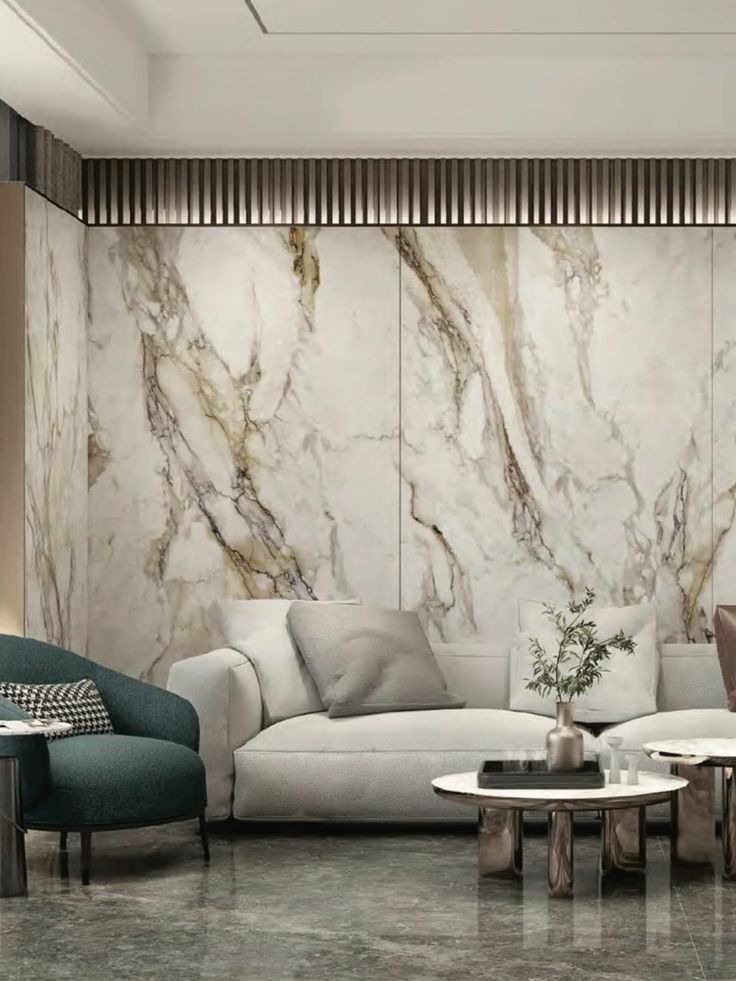
Wall applications are one of the safest and most effective ways to use marble tiles because walls do not face the same abrasion as floors. This allows buyers to focus more on veining, color flow, polish, light reflection, and layout. Marble wall tiles are widely used in bathroom walls, shower walls, kitchen backsplashes, hotel reception walls, TV feature walls, fireplace surrounds, elevator interiors, spa treatment rooms, and luxury retail spaces.
On a wall, marble can be appreciated like artwork. A soft white marble wall can brighten a small bathroom. A dramatic grey marble wall can become a luxury hotel background. A Calacatta-style marble wall can give a kitchen or reception area a clean premium appearance. Because walls are more visible at eye level, color matching and vein direction become extremely important.
Wall Applications Require Different Technical Thinking
For walls, the main concerns are not the same as flooring. Buyers must consider tile weight, wall structure, adhesive system, surface flatness, moisture exposure, batch consistency, vein direction, and edge quality. Large-format wall tiles may look excellent, but they require better handling and layout planning. Small wall tiles are easier to install but may show more grout joints.
| Wall Factor | Tại sao điều đó quan trọng | Buyer Recommendation |
|---|---|---|
| Tile weight | Affects adhesive and installation safety | Match thickness to wall structure |
| Vein direction | Controls final visual flow | Approve layout before installation |
| Bề mặt hoàn thiện | Affects reflection and room style | Use polished for luxury, honed for softer design |
| Adhesive system | Prevents detachment | Use adhesive suitable for natural stone |
| Moisture exposure | Affects bathroom and shower walls | Waterproof wet zones correctly |
| Độ nhất quán của lô | Prevents visible color mismatch | Request batch photos or dry layout |
Wall use also allows buyers to choose more decorative marble without worrying as much about foot traffic. A luxury wall tile can be polished, vein-matched, and highlighted by lighting. For a premium statement surface, Calacatta White marble tiles can be used for walls, floors, bathrooms, and feature areas where the project needs a clean white background with strong natural veining.
Marble Tiles for Flooring vs Marble Tiles for Walls
The same material category can serve different purposes depending on where it is installed. Flooring must survive traffic, shoes, cleaning, impact, moisture, and possible staining. Walls must deliver visual impact, layout consistency, safe adhesion, and long-term stability. Buyers who treat floors and walls exactly the same usually end up with preventable problems.
| Nhân tố | Marble Tiles for Flooring | Marble Tiles for Walls |
|---|---|---|
| Main priority | Durability, slip resistance, abrasion resistance | Visual impact, weight control, vein matching |
| Best finish | Honed, polished, or textured depending on area | Đánh bóng hoặc mài nhẵn |
| Main risk | Scratches, stains, slip, cracking | Detachment, color mismatch, poor layout |
| Thickness focus | Medium to higher thickness | Weight and installation method |
| BẢO TRÌ | Regular cleaning and sealing | Easier than floors, but still needs care |
| Best use | Lobbies, living rooms, bathrooms, commercial interiors | Bathrooms, feature walls, kitchen walls, hotel walls |
If the surface will be walked on, choose for strength, safety, and maintenance. If the surface will be seen more than touched, choose for veining, color flow, and layout. If the area is wet, prioritize waterproofing, sealing, finish, and grout. If the area is public, safety and cleaning routine should come before pure appearance.
Common Marble Tile Finishes and Where to Use Them
Gạch đá cẩm thạch đánh bóng
Polished marble tiles are glossy, reflective, and luxurious. They work well on walls, feature panels, hotel interiors, formal living rooms, and controlled floor areas. The shine enhances the depth of the stone and makes colors look richer. However, polished marble can be slippery when wet and may show scratches or etching more easily in high-use areas.
Gạch đá cẩm thạch mài nhẵn
Honed marble tiles have a matte or satin surface. They are less reflective and often more practical for bathrooms, floors, modern walls, and commercial interiors. Honed marble is a strong choice when the buyer wants natural stone beauty without too much shine. It can also hide minor wear better than a high-gloss surface.
Brushed, Tumbled, and Textured Marble Tiles
Brushed, tumbled, and textured marble finishes create more tactile surfaces. They can be used in rustic interiors, spa areas, wet floors, feature walls, and slip-aware applications. The trade-off is cleaning. Textured surfaces may hold more dirt or soap residue, so they should be matched with the correct maintenance plan.
| Hoàn thành | Vẻ bề ngoài | Tường nổi bật có đèn nền & Bàn trang điểm | Buyer Risk |
|---|---|---|---|
| Đánh bóng | Glossy and reflective | Walls, luxury floors, hotel interiors | Slippery when wet |
| Mài giũa | Matte and smooth | Floors, bathrooms, modern walls | Cần được bịt kín |
| Đã chải | Soft texture | Spa walls, feature walls, selected floors | More cleaning needed |
| Lật nhào | Antique and rounded | Rustic bathrooms, floors, backsplashes | Color may look softer |
| Đã phun cát | Textured and slip-aware | Wet zones and commercial areas | Not ideal for elegant polished walls |
Scientific Material Parameters Buyers Should Check
Marble is a natural material, so performance values vary by quarry, mineral structure, color, finish, thickness, and testing method. For commercial projects, hotel procurement, restaurant floors, or large wall installations, buyers should request actual technical data where possible.
| Tham số | Typical Marble Reference Range | Why Buyers Should Check It |
|---|---|---|
| Tỉ trọng | About 2.55–2.75 g/cm³ | Affects weight and stability |
| Sự hấp thụ nước | Often 0.1%–0.6% | Important for bathrooms, kitchens, and wet walls |
| Độ cứng Mohs | About 3–4 | Affects scratch sensitivity |
| Cường độ nén | Often 50–140 MPa | Relevant for floor performance |
| Độ bền uốn | Often 7–20 MPa | Important for large-format wall and floor tiles |
| Common floor thickness | 12–18 mm | Depends on traffic and substrate |
| Common wall thickness | 10–15 mm | Depends on wall structure and tile size |
ASTM C503 is commonly associated with marble dimension stone. ASTM C97 relates to absorption and bulk specific gravity, ASTM C170 relates to compressive strength, and ASTM C880 relates to flexural strength. For floors, ANSI A326.3/DCOF can support slip performance review, but real-world safety also depends on finish, water, soap, cleaning chemicals, shoes, slope, and maintenance.
Marble Tiles in Real Project Scenarios
Luxury Home Flooring
In living rooms, dining rooms, hallways, and private corridors, marble floor tiles can create a premium residential atmosphere. Light-colored marble can make a room look larger. Warm beige marble can connect well with wood furniture. Grey marble can support minimalist interiors. If the entrance receives sand and outdoor dust, rugs or mats should be used to reduce surface wear.
Hotel Lobby and Commercial Flooring
Hotels and commercial buildings use marble tiles to create a strong first impression. Lobbies, corridors, restaurant entrances, and reception areas can benefit from the elegance of natural marble. However, these spaces also face luggage, foot traffic, cleaning machines, spills, and dust. The right finish, thickness, sealing, and maintenance plan are essential.
For hospitality and restaurant spaces, hygiene perception is critical. A well-maintained marble surface can support a clean and premium image. A neglected surface can damage trust. If stained floors are a concern, a practical article on how marble tiles keep surfaces spotless can help buyers understand cleaning habits, sealing, and stain prevention before installation.
Tường và sàn nhà tắm
Marble tiles are excellent for bathroom walls and can work for bathroom floors when correctly specified. On walls, polished and honed finishes both work well. On floors, honed or textured finishes are generally more practical, especially in wet zones. Shower walls require waterproofing, suitable adhesive, good grout, and sealing. Shower floors require careful slope and slip-aware surface selection.
Kitchen Walls and Backsplashes
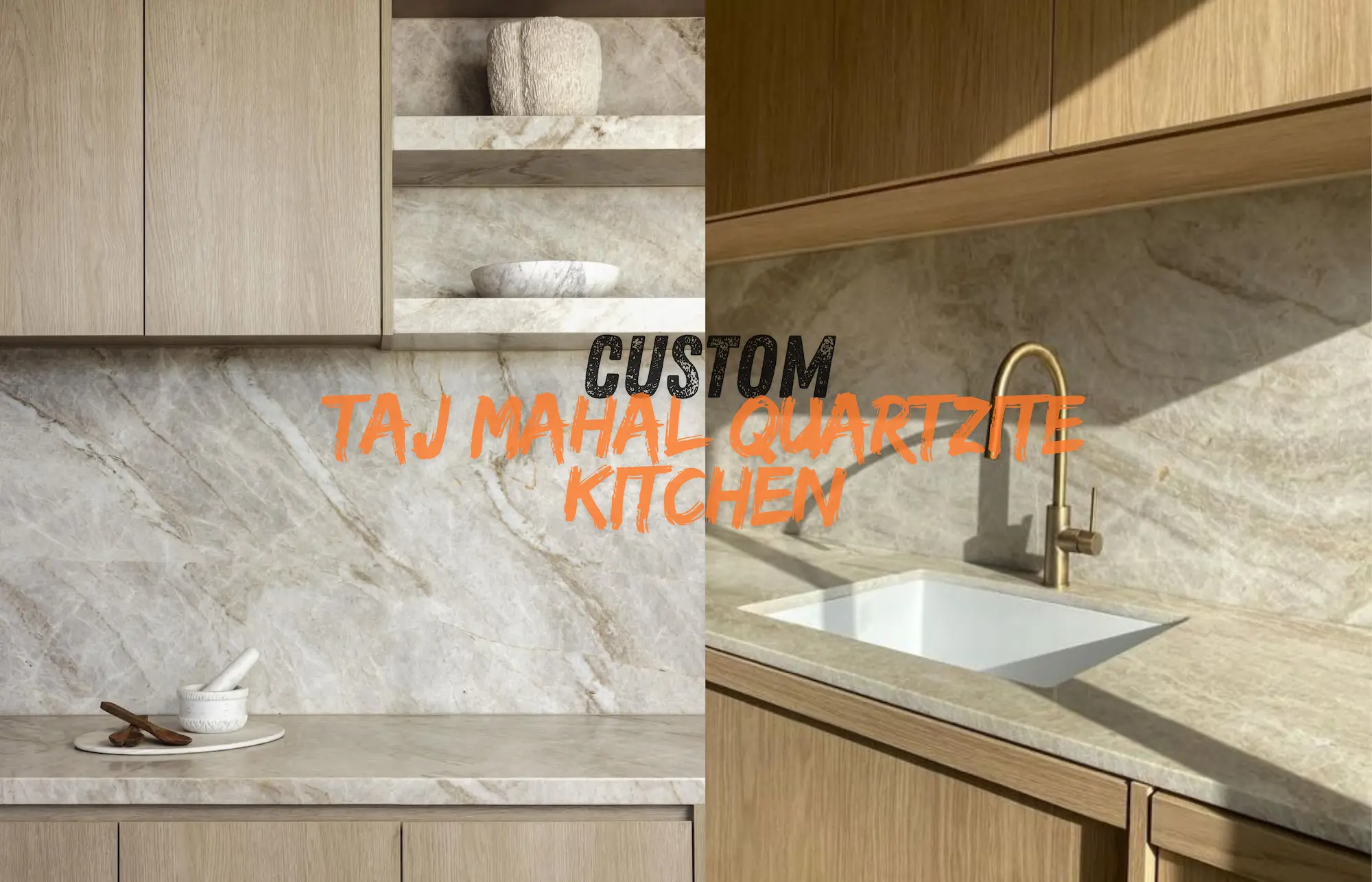
Marble tiles work beautifully for kitchen walls and backsplashes because they add natural stone character without taking the same abuse as countertops. They can match cabinets, furniture, lighting, and floor colors to create a complete design. However, kitchen walls still face oil, sauce, steam, and acidic splashes. Sealing and pH-neutral cleaning are recommended.
Feature Walls and Decorative Panels
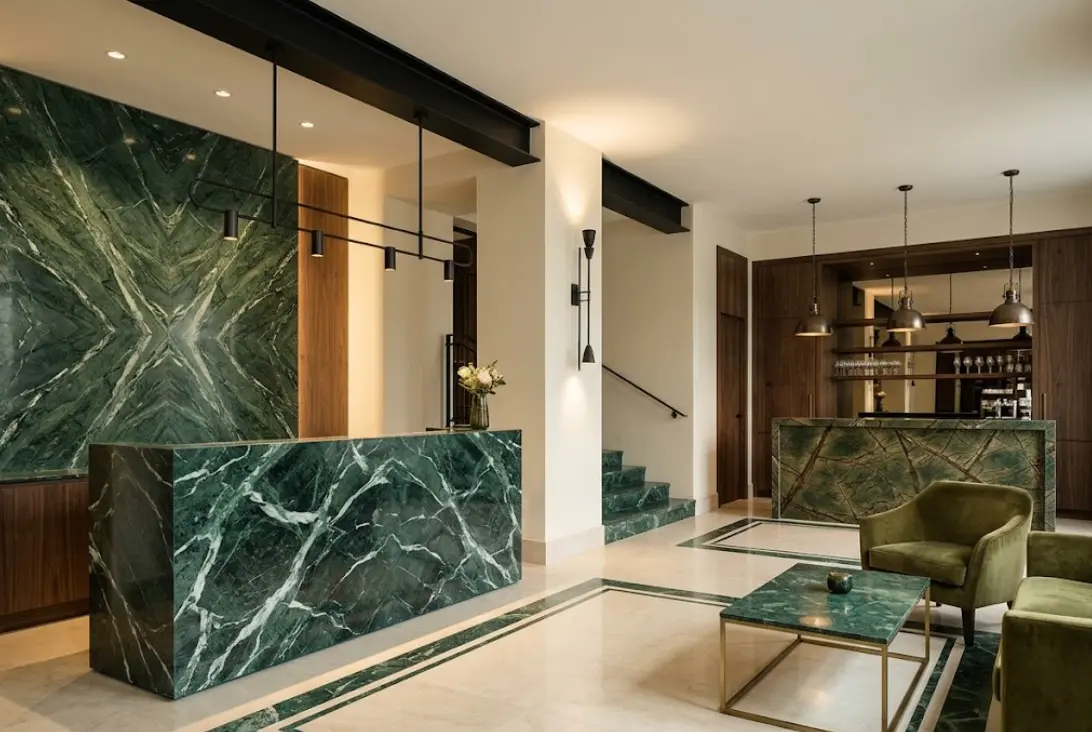
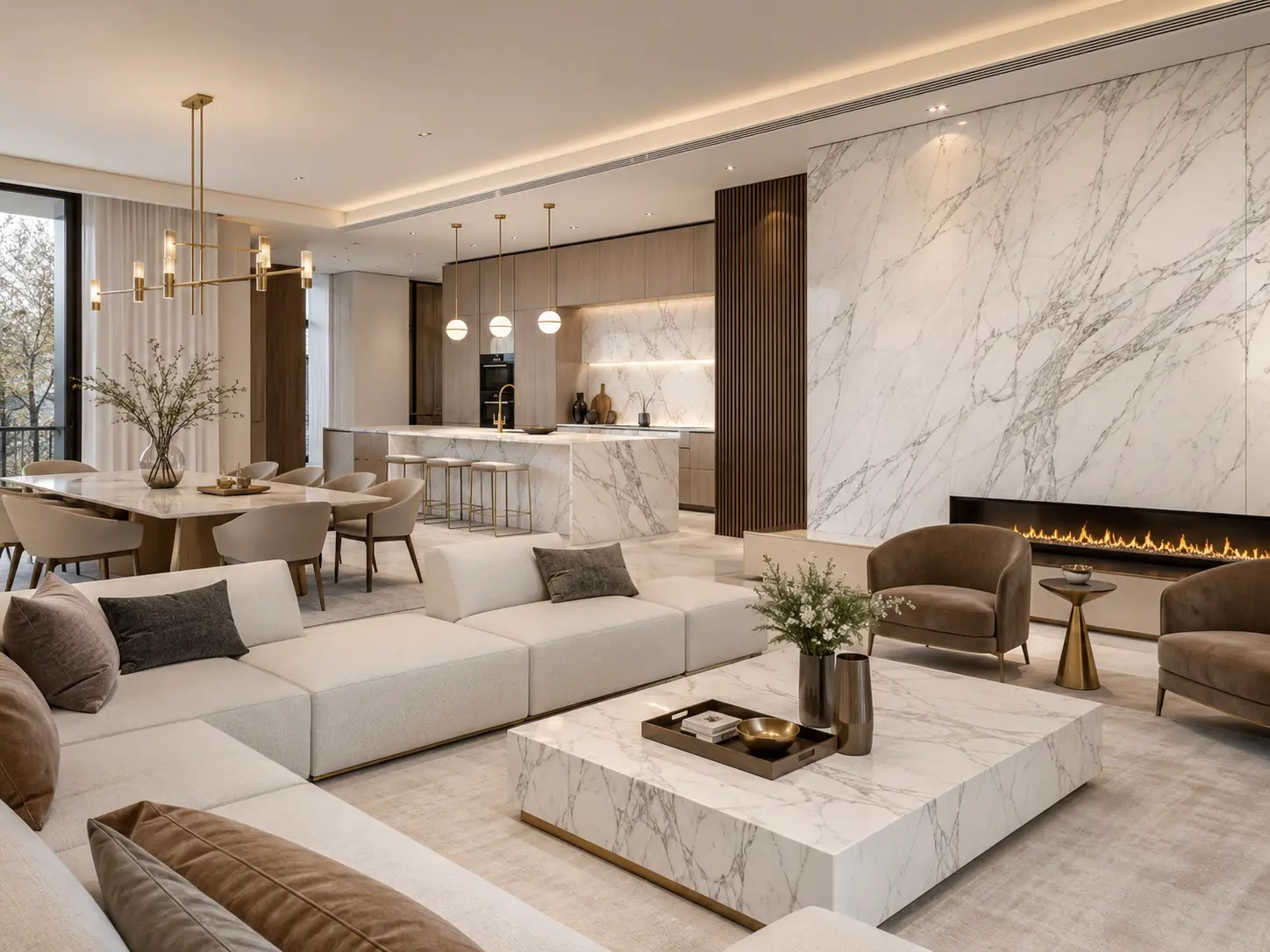
Feature walls are one of the best applications for marble tiles. TV walls, fireplace walls, reception walls, elevator interiors, restaurant walls, and retail feature panels can use marble to create a strong visual identity. For large walls, vein matching and dry layout are important. If tiles are installed without planning, the final wall may look like several different stones arguing with each other.
Marble Tiles vs Other Materials for Floors and Walls
Marble tiles are not the only option for floors and walls. Buyers often compare them with porcelain tiles, granite tiles, marble slabs, and ceramic tiles. Each option has its own strengths.
| Vật liệu | Best Strength | Limitation | Sử dụng tốt nhất |
|---|---|---|---|
| Gạch đá cẩm thạch | Natural beauty and flexible installation | Needs care and sealing | Floors, walls, bathrooms, luxury interiors |
| Gạch sứ | Low maintenance and consistency | Less natural character | Wet floors and high-use areas |
| Gạch đá granite | Hard and outdoor durable | Less soft veining | Public floors, stairs, exterior areas |
| Tấm đá cẩm thạch | Seamless luxury | Higher cost and handling risk | Feature walls, countertops, large surfaces |
| Gạch men | Budget-friendly | Lower luxury value | Light-use walls and floors |
If low maintenance and strict uniformity are the main goals, porcelain may be safer. If outdoor durability is the priority, granite should be considered. If natural beauty, luxury perception, and flexible installation matter most, marble tiles remain one of the strongest choices for interior floors and walls.
Common Mistakes When Using Marble Tiles on Floors and Walls
Mistake 1: Using the Same Marble Tile for Every Area
Flooring and walls need different specifications. A tile that works well on a decorative wall may not be suitable for a busy floor. Use the application to guide thickness, finish, and installation method.
Mistake 2: Choosing Polished Marble for Wet Floors
Polished marble looks beautiful, but it may increase slip risk in wet areas. For bathroom floors, restaurant entries, or public areas, honed or textured finishes are often more practical.
Mistake 3: Ignoring Sealing and Cleaning Requirements
Marble is durable but not maintenance-free. Acidic cleaners, wine, vinegar, lemon juice, and harsh chemicals can damage the surface. Use pH-neutral cleaners and reseal as recommended.
Mistake 4: Skipping Dry Layout for Vein Matching
Large floors and feature walls should be planned before installation. Dry layout helps control vein direction, color flow, and batch consistency. Without it, the finished surface may look random and unfinished.
Mistake 5: Poor Installation Substrate
An uneven or unstable substrate can cause cracking, lippage, hollow sounds, and tile failure. Good installation is not a luxury add-on. It is the foundation of performance. For practical guidance, review the marble tiles installation basics before confirming site work or contractor responsibilities.
How to Choose Marble Tiles by Application
If You Need Flooring
Choose suitable thickness, stable density, and a finish that matches traffic and moisture level. For living rooms and hotel lobbies, polished or honed marble can work well with a maintenance plan. For wet floors, honed or textured surfaces are safer. For commercial corridors, ask about abrasion resistance and replacement stock.
If You Need Bathroom Walls
Choose beautiful veining, suitable sealing, waterproofing, and layout approval. Bathroom walls are ideal for polished marble because they face less abrasion than floors. Large tiles can create a slab-like visual effect, while smaller tiles can make installation easier.
If You Need Kitchen Walls
Choose sealed marble tiles, stain-resistant grout, and an easy-clean surface. Kitchen walls should match the countertop, cabinet color, floor tone, and lighting. If the cooking area is very active, avoid highly absorbent marble or unfinished surfaces.
If You Need Hotel or Commercial Projects
Request technical data, batch control, dry layout, finish samples, packing details, and replacement stock. Commercial projects need repeatability and maintenance planning. The supplier should understand both design and project delivery.
If You Need Bulk Procurement
For wholesale marble tiles or custom marble tiles, work with a reliable marble tiles manufacturer that provides material selection, cutting accuracy, surface finishing, quality control, export packing, and project support. The cheapest supplier is not always the lowest-cost supplier if poor packing, color mismatch, or late delivery creates claims.
Before placing a bulk order, send your application area, size, finish, color preference, quantity, timeline, and installation environment to request a marble tiles supplier consultation. A project-based recommendation can prevent the classic mistake of buying a beautiful tile that is wrong for the job.
Buyer Decision Table: Which Marble Tiles Should You Choose?
| Nhu cầu dự án | Recommended Marble Tile Choice | Hoàn thành | Key Risk to Avoid |
|---|---|---|---|
| Living room floor | Dense marble floor tiles | Đánh bóng hoặc mài nhẵn | Scratches at entrance zones |
| Tường phòng tắm | Decorative marble wall tiles | Đánh bóng hoặc mài nhẵn | Poor waterproofing |
| Sàn phòng tắm | Slip-aware marble tiles | Honed or textured | Polished wet surface |
| Kitchen wall | Sealed marble tiles | Honed or polished | Acid and oil stains |
| Hotel lobby | Strong marble floor tiles | Polished with maintenance plan | Abrasion and dullness |
| Feature wall | Vein-matched marble tiles | Đánh bóng | Color mismatch |
| Commercial corridor | Durable marble tiles | Mài giũa | Heavy traffic wear |
| Bulk order | Factory-inspected marble tiles | Project-specific | Weak packing and batch variation |
Quality Control Checklist for Marble Tile Buyers
For B2B orders, quality control should begin before production. Buyers should confirm marble variety, color range, slab or tile photos, tile size, thickness, surface finish, edge quality, absorption data if needed, dry layout for large walls, packing method, and pre-shipment inspection.
| QC Item | Tại sao điều đó quan trọng | Buyer Action |
|---|---|---|
| Giống đá cẩm thạch | Controls appearance and performance | Confirm material before production |
| Phạm vi màu sắc | Prevents batch mismatch | Request current slab or tile photos |
| Độ dày | Affects installation stability | Check tolerance requirement |
| Bề mặt hoàn thiện | Affects safety and maintenance | Approve finish sample |
| Edge quality | Affects final appearance | Inspect before packing |
| Dry layout | Controls vein direction | Required for feature walls and large floors |
| Đóng gói | Reduces breakage during shipment | Request crate photos |
Market Trends: How Designers Use Marble Tiles Today
Large-Format Marble Tiles
Large-format marble tiles are increasingly popular because they reduce grout lines and create a more seamless slab-like appearance. They are used for bathroom walls, hotel floors, reception areas, and luxury residential interiors.
Warm Neutral Marble Colors
Beige, cream, warm white, and soft grey marble tiles are popular because they match modern furniture, natural wood, brass fixtures, and minimalist interiors. These colors feel premium without becoming too cold or too dramatic.
Mixed Finish Applications
Designers often combine polished walls with honed floors, textured shower floors with polished vanity walls, and large-format floors with mosaic borders. This approach allows beauty and function to work together instead of fighting like two contractors with different drawings.
Natural Stone in Hospitality and High-End Residential Projects
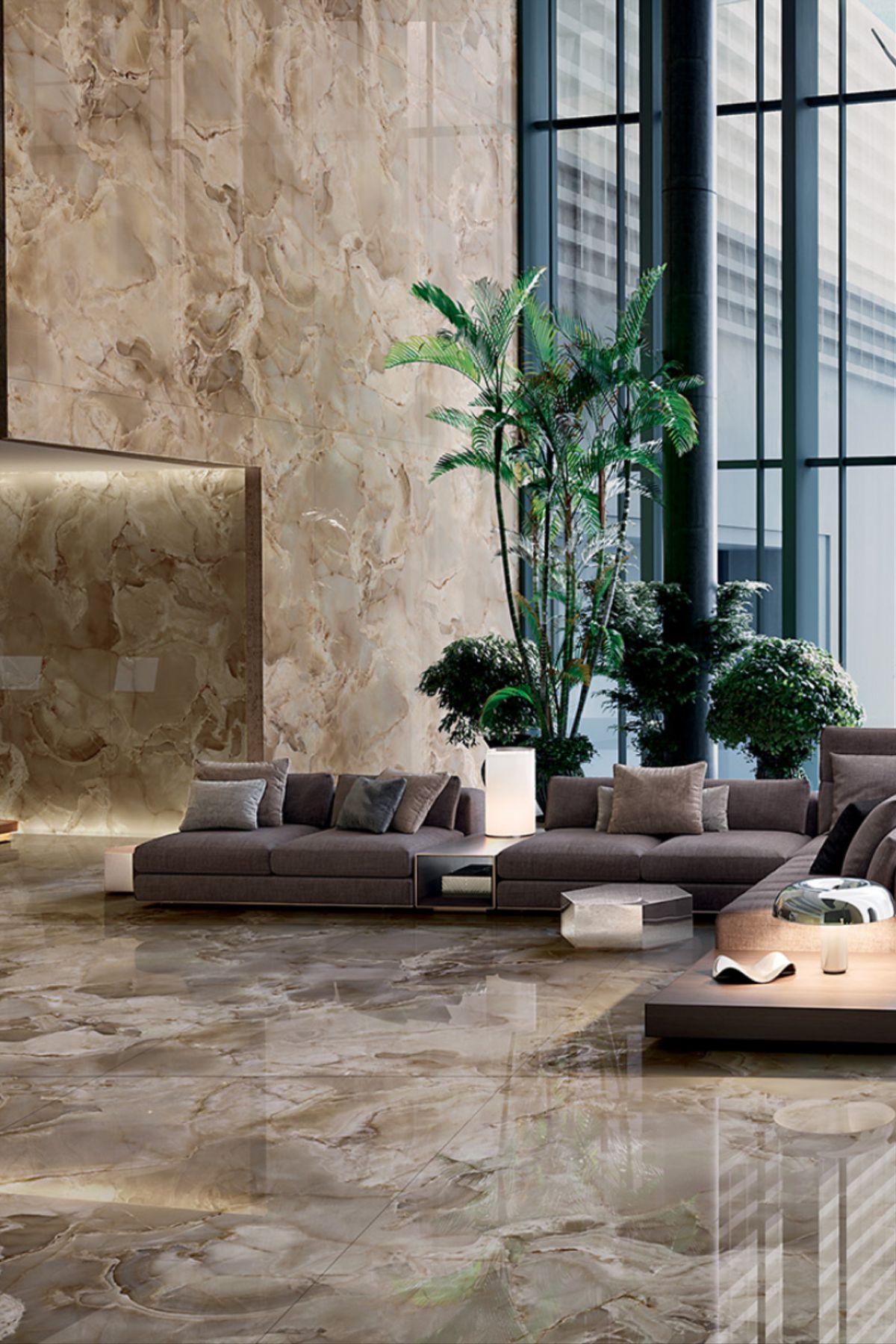
Hotels, villas, restaurants, and luxury apartments continue to use marble tiles because they increase perceived value. Buyers are also paying more attention to maintenance, responsible sourcing, replacement planning, and supplier QC. A beautiful material is only valuable when it can be delivered, installed, and maintained successfully.
Final Recommendation: Use Marble Tiles Where Beauty and Function Meet
Marble Tiles work extremely well for both flooring and walls when they are selected by application. Flooring requires durability, slip-aware finish selection, stable substrate, sealing, and maintenance planning. Walls require visual layout, weight control, proper adhesive, waterproofing in wet zones, and vein matching.
For living rooms, lobbies, bathrooms, kitchens, restaurants, hotels, and luxury commercial interiors, marble tiles can create a clean, elegant, and premium atmosphere. But the best result depends on matching the marble type, finish, thickness, and supplier QC to the actual use environment.
The strongest buying logic is simple: choose flooring marble for performance and safety; choose wall marble for visual impact and layout; choose a supplier for consistency and project support. That is how marble tiles stop being just “beautiful stone” and become a reliable design investment.
FAQ About Marble Tiles for Floors and Walls
1. Có thể dùng gạch đá cẩm thạch cho cả sàn và tường không?
Vâng, gạch đá cẩm thạch có thể được sử dụng cho cả sàn và tường, nhưng các thông số kỹ thuật cần được lựa chọn khác nhau. Đối với sàn, cần chú trọng hơn đến độ dày, khả năng chống mài mòn, tính chống trượt, độ ổn định của nền, khả năng bịt kín và công tác bảo trì. Đối với tường, cần chú trọng hơn đến trọng lượng gạch, sự tương thích với keo dán, độ khớp vân mạch, tính đồng nhất về màu sắc, khả năng chống thấm tại các khu vực ẩm ướt cũng như việc lập kế hoạch bố trí. Cùng một kiểu đá cẩm thạch có thể phù hợp cho cả hai ứng dụng, nhưng bề mặt hoàn thiện và phương pháp lắp đặt phải phù hợp với môi trường sử dụng thực tế.
2. Gạch đá cẩm thạch có phù hợp để ốp tường phòng tắm không?
Marble Tiles are excellent for bathroom walls because they create a clean, elegant, and luxury appearance while facing less abrasion than floors. Polished marble tiles can work well on vanity walls and shower walls when waterproofing, sealing, and proper adhesive are used. Honed marble tiles are also suitable when the design needs a softer modern look. For wet bathroom zones, buyers should pay attention to waterproofing, grout quality, ventilation, and cleaning methods.
3. Are Marble Tiles slippery on floors?
Marble Tiles can be slippery on floors if the surface is highly polished and exposed to water, soap, oil, or cleaning residue. This is why finish selection is important. Honed, brushed, tumbled, or textured marble tiles are usually more practical for wet or public floor areas. For hotel lobbies, bathrooms, restaurants, and commercial interiors, buyers should review slip resistance, cleaning routine, slope, expected traffic, and maintenance before choosing the final floor finish.
4. Do Marble Tiles need sealing?
Hầu hết các loại gạch đá cẩm thạch đều được hưởng lợi từ việc xử lý chống thấm, đặc biệt khi sử dụng trong phòng tắm, nhà bếp, sàn nhà, khu vực nhà hàng và các không gian thương mại có lưu lượng sử dụng cao. Việc xử lý chống thấm giúp giảm sự xâm nhập của hơi ẩm và các vết bẩn, tuy nhiên điều này không làm cho đá cẩm thạch hoàn toàn không cần bảo dưỡng. Người mua vẫn nên nhanh chóng lau sạch các vết đổ, tránh dùng các chất tẩy rửa có tính axit như giấm hoặc các sản phẩm chứa chanh, sử dụng các chất tẩy rửa trung tính về độ pH, đồng thời tuân thủ lịch bảo dưỡng do nhà cung cấp hoặc nhà lắp đặt khuyến nghị, dựa trên loại đá cẩm thạch và bề mặt hoàn thiện của nó.
5. Làm thế nào để chọn nhà cung cấp Gạch Đá Cẩm Thạch đáng tin cậy?
Để chọn nhà cung cấp gạch đá cẩm thạch đáng tin cậy, hãy kiểm tra khả năng lựa chọn vật liệu, độ chính xác khi cắt, chất lượng bề mặt hoàn thiện, dung sai về độ dày, khả năng kiểm soát dải màu, tính đồng nhất giữa các lô hàng, phương thức đóng gói, kinh nghiệm xuất khẩu và hỗ trợ dự án. Một nhà cung cấp chuyên nghiệp nên cung cấp mẫu thử, hình ảnh hiện tại của tấm hoặc viên gạch, xác nhận bề mặt hoàn thiện, bố trí khô khi cần thiết, chi tiết kiểm tra chất lượng và hình ảnh đóng gói trước khi giao hàng. Đối với gạch đá cẩm thạch bán sỉ hoặc các dự án thương mại, chất lượng kiểm soát của nhà cung cấp có ảnh hưởng trực tiếp đến chất lượng lắp đặt và hiệu suất lâu dài.
Tài liệu tham khảo
- “ASTM C503/C503M Standard Specification for Marble Dimension Stone” — ASTM Committee C18 — ASTM International — ASTM Standards Catalogue
- “ASTM C97/C97M Standard Test Methods for Absorption and Bulk Specific Gravity of Dimension Stone” — ASTM Committee C18 — ASTM International — ASTM Stone Testing Standards
- “ASTM C170/C170M Standard Test Method for Compressive Strength of Dimension Stone” — ASTM Committee C18 — ASTM International — ASTM Stone Testing Standards
- “ASTM C880/C880M Standard Test Method for Flexural Strength of Dimension Stone” — ASTM Committee C18 — ASTM International — ASTM Stone Testing Standards
- “ANSI A326.3 Test Method for Dynamic Coefficient of Friction of Hard Surface Flooring Materials” — Tile Council of North America Technical Team — TCNA — Resource Center
- “Dimension Stone Design Manual” — Natural Stone Institute Technical Committee — Natural Stone Institute — Dimension Stone Design Manual
- “Care and Cleaning of Natural Stone” — Natural Stone Institute Education Team — Natural Stone Institute — Consumer Care Guide
- “TCNA Handbook for Ceramic, Glass, and Stone Tile Installation” — TCNA Handbook Committee — Tile Council of North America — Tile Installation Handbook
Ready Buyer Insight for Marble Tiles
What should buyers understand first? Marble Tiles can be used successfully on both floors and walls, but the selection logic is different. Floors need durability, finish safety, abrasion resistance, thickness control, and maintenance planning. Walls need visual continuity, weight control, adhesive compatibility, waterproofing in wet areas, and vein matching.
Why does application matter? A polished marble tile may work beautifully on a bathroom wall or hotel reception background, but it may not be suitable for a wet public floor. A durable floor tile may perform well under traffic, but without layout planning it may not create the best wall design. The correct marble tile is always project-specific.
How should Marble Tiles be selected? If the area is a living room or lobby floor, choose dense marble with suitable thickness and a maintenance plan. If the area is a bathroom wall, prioritize waterproofing, sealing, and vein layout. If the area is a kitchen wall, choose sealed marble and easy-clean grout. If the order is for a hotel or commercial project, request batch control, technical data, dry layout, and packing confirmation.
Option insight: Polished marble tiles create luxury and light reflection. Honed marble tiles offer softer practicality. Brushed and textured finishes support wet or spa-like areas. White marble feels clean and premium; beige marble feels warm; grey marble feels modern; Calacatta-style marble creates strong visual drama.
Consideration insight: Buyers should not choose Marble Tiles by color alone. Important factors include density, absorption, finish, thickness, slip resistance, installation substrate, adhesive system, grout, sealing, batch consistency, and supplier export experience.
Recommendation: Choose Marble Tiles when the project needs natural beauty, design flexibility, premium atmosphere, and long-term interior value. For wholesale marble tiles, custom marble tiles, and commercial flooring or wall projects, request samples, finish approval, QC details, and packing photos before production.
If your project involves flooring, bathroom walls, kitchen backsplashes, hotel interiors, restaurants, villas, or bulk procurement, share your application area, size, finish, color preference, and quantity with a professional supplier before ordering. A project-based recommendation helps reduce risk and improve the final installation result.