


Why Marble Still Feels Like “Luxury” in Real Homes
“Do we really need marble here?”
“Probably not.”
“Then why does every high-end home cảm thấy better when it has it?”
That’s the honest residential design tension: Ứng dụng đá cẩm thạch is rarely about “need.” It’s about what marble does to space—light, scale, calm, and permanence. The trick is using it in the right place, with the right finish, and the right expectations—so it looks intentional on day one and still looks intentional after real life happens (kids, pets, cooking, cleaning, weather).
This guide is a scenario-driven, design-first breakdown of Ứng dụng đá cẩm thạch in residential interiors—plus practical pitfalls, data-informed decisions, and how forustone approaches material selection for homes that actually get used. Start with the big picture at đá forustone, then use the sections below like a room-by-room playbook.

Why Marble Still Wins in Residential Interior Design
Interior designers keep returning to marble because it behaves differently than most surfaces:
-
It reflects light softly (even in honed finishes), which makes spaces feel calmer.
-
It reads as “natural and premium” without needing bold patterns everywhere.
-
It supports both classic and modern interiors—often in the same house.
Design teams have also been aligning more with “evidence-based” material selection—looking at slip resistance, maintenance needs, and long-term perception of wear rather than only trend photos. That dovetails with the kind of “responsible sourcing + functional performance” messaging you’ll see referenced in broader stone-industry conversation (including ESTA-style industry narratives focused on transparency and long-term usability).
If you want to understand how a supplier frames quality and project suitability, check Giới thiệu về chúng tôi—because the best residential results usually come from suppliers who think like project partners, not just exporters.
Room-by-Room Marble Application: The Smart Matching Rules
Residential marble fails when it’s chosen as a “pretty sheet.” It succeeds when it’s chosen as a use-case.
Kitchens: Where Marble Is Tested by Real Life
A kitchen is the toughest room for marble. Not because marble is weak—but because kitchens are chemical and heat battlegrounds.
Best practices for Ứng dụng đá cẩm thạch in kitchens:
-
Choose finishes intentionally:
-
Mài giũa reduces the visibility of etching and micro-scratches.
-
Đánh bóng delivers maximum visual impact but shows marks more clearly.
-
-
Pick where marble sits in the “risk zone”:
-
Ideal: island waterfall, backsplash, perimeter prep zones with good habits
-
Higher risk: directly beside cooktops if acidic sauces and cleaners are frequent
-
-
Design with protection in mind:
-
Use trivets, boards, and a sealing routine that matches household usage
-
If you’re planning a home-wide palette and don’t want the kitchen to fight the bathroom, browse the full material direction board in bi ve before locking anything in.
Case-style insight (forustone approach): In residential projects, forustone often recommends aligning kitchen marble to “maintenance reality.” If a household cooks daily and uses strong cleaners, designers may shift marble to the island feature and pair it with more forgiving surfaces for the heaviest prep zones—keeping the luxury look while reducing daily stress.
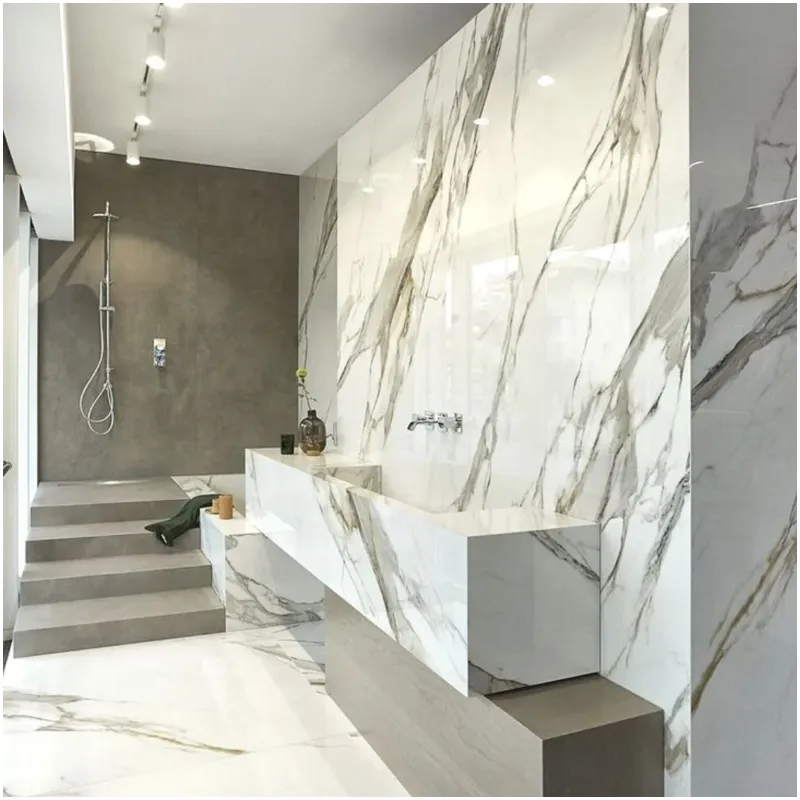
Bathrooms: The Best Place to Make Marble Feel Like a Spa
Bathrooms are where marble looks most “at home,” especially when the design emphasises:
-
diffused lighting
-
soft textures (matte metal, wood, linen)
-
large-format slabs or calm-vein patterns
Smart bathroom Ứng dụng đá cẩm thạch includes:
-
vanity tops (polished or honed depending on style)
-
wall cladding (especially around tubs/showers)
-
floor zones (with careful slip resistance planning)
Bathroom buyers often underestimate how finish affects safety. For floors, a slightly textured or honed finish can reduce slipperiness compared to high-gloss polished surfaces—especially in wet zones.
If you’re balancing aesthetics between bathrooms and kitchens, you’ll find a strong decision framework in 2026 Natural Marble Buying Guide from Slabs to Countertops—it’s built to help buyers match stone to real use, not Pinterest fantasies.
|
|
|

Living Rooms and Feature Walls: Marble as “Architecture,” Not Decoration
Living rooms don’t need marble—but they benefit from it when the stone becomes part of the architecture:
-
fireplace surrounds
-
TV feature walls
-
bookmatched slab walls
-
entry foyer statement panels
The best results usually come from using marble as a single strong gesture rather than scattering small pieces everywhere. A large feature wall creates visual stability and makes the room feel “designed,” even if the furniture is minimal.
Designers who want a calm modern home often pair marble with:
-
warm woods (oak, walnut)
-
brushed metals
-
matte paint
-
layered lighting
White vs Grey: The Shortcut That Prevents 80% of Regret
Most residential marble decisions are really “white vs grey” decisions.
-
Đá cẩm thạch trắng increases brightness, looks airy, and photographs beautifully.
-
Đá cẩm thạch xám hides wear better, feels modern, and is often easier to live with.
But the key isn’t color. It’s context: natural light, cleaning habits, and the vibe you want (soft luxury vs modern calm).
Use this for scenario matching:
-
White marble: best for low-clutter kitchens, spa bathrooms, airy entryways
-
Grey marble: best for high-traffic zones, family homes, darker interiors, modern palettes
If you want a deeper scenario framework, don’t reinvent it—use Đá cẩm thạch trắng so với đá cẩm thạch xám: Mẹo phối hợp linh hoạt theo tình huống and treat it like a decision tree.
Exterior-Adjacent Residential Design: Pillars, Facades, and “Stone House” Details
Now for the part many blogs skip: residential doesn’t stop at interior rooms. Homes with pillars, porches, courtyards, and façade elements need marble choices that consider exposure, temperature shifts, and maintenance planning.
That’s where structural and architectural applications matter:
-
porch pillars and entry columns
-
facade trims
-
covered outdoor zones
The design goal is not “make it shiny”—it’s “make it look correct for the building.” Subtle textures, stable tones, and appropriate finishing often outperform ultra-glossy looks in architectural settings.
A focused example is Trụ nhà đá, where marble becomes part of the home’s architectural language rather than just an interior surface choice.
Common Residential Pain Points: What Goes Wrong (and How to Avoid It)
Here’s what homeowners complain about most after installation—and how to prevent it.
1) Etching confusion (people think it’s “damage”)
Etching is a chemical reaction, not necessarily a structural defect. On polished marble, it shows clearly. On honed marble, it blends in more naturally.
Fix: choose finish based on lifestyle, not showroom shine.
2) Slippery floors in wet areas
Polished floors can be risky in bathrooms.
Fix: use honed/textured finishes or zone planning (stone where dry, safer finishes where wet).
3) “It looked different in my house”
Lighting changes everything. Warm LEDs can make whites feel creamy; cool daylight can make greys feel blue.
Fix: review slabs under your project lighting plan, not only in a warehouse.
4) Overusing marble
Too much marble can make a home feel cold and “hotel-like.”
Fix: use marble as anchor elements, then balance with wood, textiles, and layered lighting.
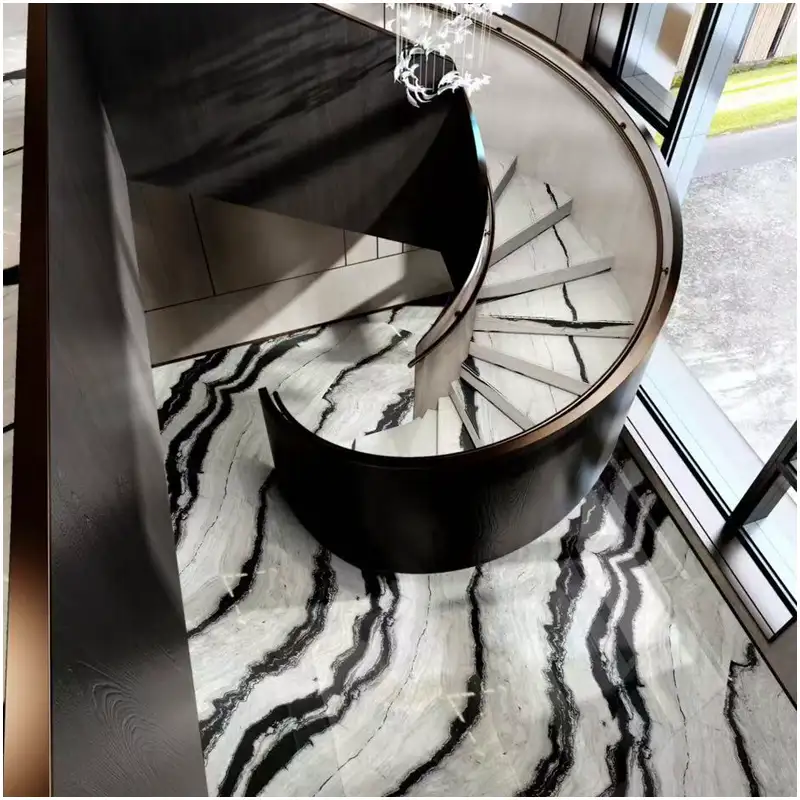
A Practical Planning Checklist for Residential Marble Application
Before confirming a selection, align design + function using this checklist:
-
Which rooms will use marble (kitchen, bath, feature wall, foyer, pillars)?
-
What finish suits each room’s risk level (polished, honed, textured)?
-
What’s the cleaning reality (gentle routine or strong chemicals)?
-
Is lighting warm, neutral, or cool—and does the marble tone hold?
-
Are there wet zones requiring slip-resistance planning?
-
Do you need visual consistency across slabs (bookmatch, vein direction)?
When your team is ready to validate the plan with real slabs and application guidance, the simplest path is to start at đá forustone and then reach out through contact-us with your scenario list (rooms + finish preference + size needs).
Marble Works Best When It’s Matched to Life, Not Just Style
Back to our opening scene: you don’t need marble everywhere. You need it where it matters.
The smartest Ứng dụng đá cẩm thạch in residential design is scenario-adaptive: kitchens get finishes that forgive real cooking; bathrooms get spa-like surfaces that respect moisture; living rooms get architectural feature moments; and exterior-adjacent elements (like pillars) get a more structural, building-first approach. When you match marble to lifestyle, marble stops being fragile “luxury décor” and becomes what it’s meant to be—quiet, durable elegance that ages with the home.
If you want to build your selection like a designer and buy it like a buyer, use 2026 Natural Marble Buying Guide from Slabs to Countertops as the decision backbone, compare tones using Đá cẩm thạch trắng so với đá cẩm thạch xám, and review architectural use cases like Trụ nhà đá before finalising.
Câu hỏi thường gặp
Q1: Where is marble best used in a residential interior?
A: The best Ứng dụng đá cẩm thạch areas are bathrooms (vanities and walls), feature walls, fireplace surrounds, and carefully planned kitchen zones like islands or backsplashes.
Q2: Is honed marble better than polished marble for family homes?
A: Often yes. Honed finishes tend to hide etching and micro-scratches better, making them more forgiving for everyday residential use.
Q3: Can marble be used on bathroom floors safely?
A: Yes, but finish selection matters. In wet zones, honed or slightly textured finishes are typically safer than high-gloss polished surfaces.
Q4: How do I choose between white marble and grey marble for my home?
A: Choose based on lighting, lifestyle, and maintenance preference. For a scenario framework, use Đá cẩm thạch trắng so với đá cẩm thạch xám.
Q5: Can marble be used for architectural elements like pillars in residential projects?
A: Yes. When matched to exposure and finish requirements, marble can perform beautifully in structural and architectural applications like Trụ nhà đá.


