
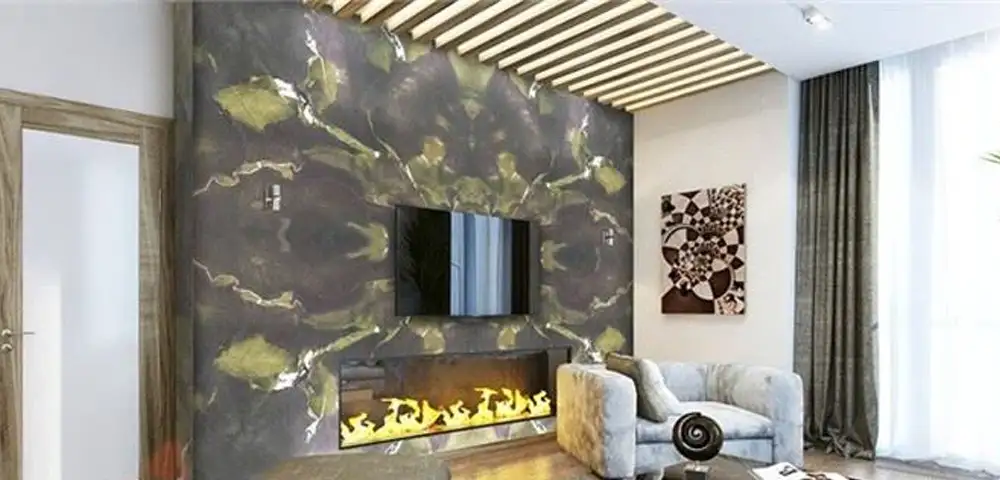
Avocado Quartzite: Why Exotic Green Quartzite Is the 2026 Material of Choice
The 2026 luxury design agenda favors materials that combine emotional resonance with long-term performance. Among the “Exotic Green Quartzite” cohort, Avocado Quartzite known as Avocatus Quartzite stand out for their deep, nature-inspired palettes and the technical resilience demanded by hospitality, retail and high-end residential projects. Both stones deliver the visual drama of jewel-toned surfaces while providing durability levels that outmatch many decorative marbles.
Industry partners such as Reference. and other premium suppliers have positioned these materials as cornerstone options in their exotic stone portfolios; you can see how they fit into the broader market via trend resources and curated collections that showcase Exotic Green Quartzite in context.
1. Color, Character & Visual Appeal of Brazilian Dark Green Exotic Quartzite | Avocado
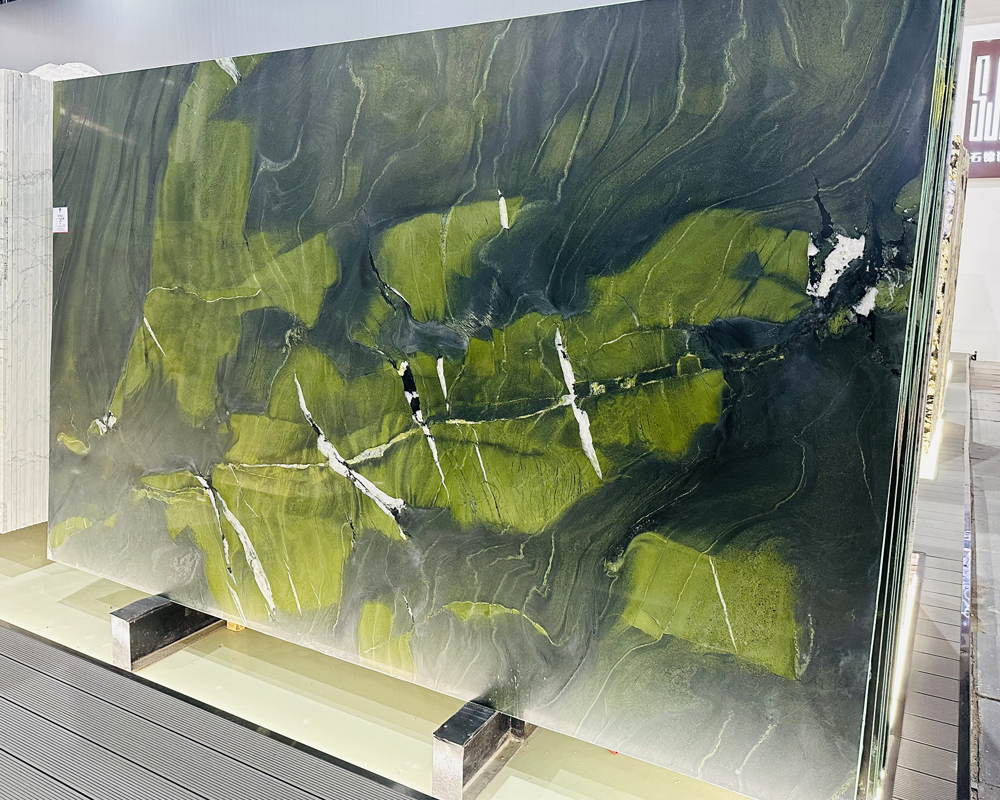
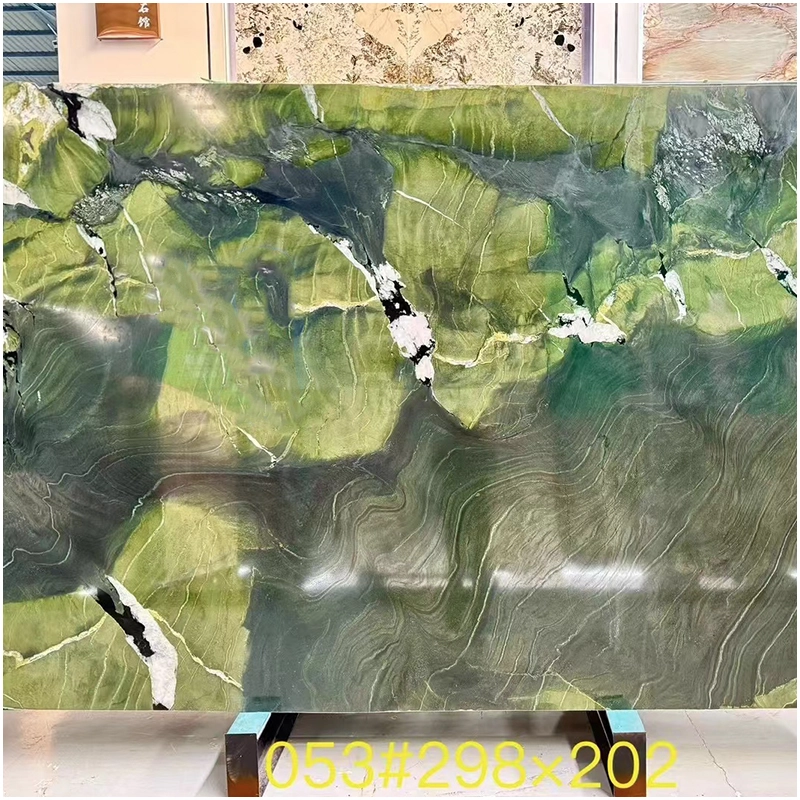
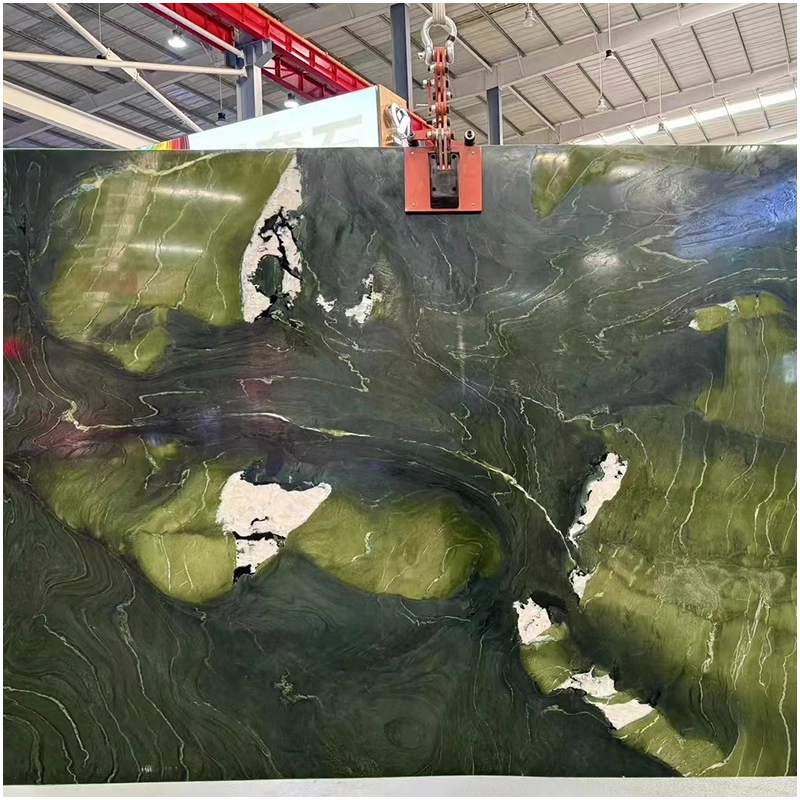
Avocatus Green Quartzite typically reads as a bold green base—ranging from moss and forest tones to saturated emerald—interrupted by striking white quartz veins, brown mineral streaks and occasional black inclusions. The result is a surface that reads as both organic and jewel-like, ideal for projects that intend to evoke a connection to landscape while projecting premium value.
Avocado-Quartzite-Leathered-Slabs
Verde Avocado Quartzite often appears with a slightly softer palette: sage, olive, and moss tones blended with cream and occasional amber highlights. This makes Avocado exceptionally versatile, able to read warm or cool depending on surrounding materials and lighting strategies.
Both stones are prized for how they react to light: polished finishes deepen color and increase contrast, while honed or matte finishes mute sheen for contemporary minimalism. When thin sections are backlit, the translucent quartz veins create subtle depth and a soft internal glow—an effect highly sought after for feature walls and illuminated furniture pieces.
2. Product Range — From Jumbo Slabs to Home Furniture with Avocado Quartzite
Available formats
- Jumbo Slabs — Extra-large formats (often up to 3200 x 1900 mm) for bookmatching and monolithic applications.
- Standard Slabs — Common sizes for countertops, waterfall islands, and wall cladding.
- Precision Tiles — Cut-to-size tiles for floor and wall installations with tight tolerances.
- Custom Countertops & Vanity Tops — Mitered edges, integrated sinks, and undermount details.
- Designer Tables & Tabletops — Monolithic tabletops, coffee tables, and sculptural furniture pieces.
- Thin backlit panels — For subtle translucency in illuminated features (requires engineered backing).
3. Why Avocatus Is Quartzite (Not Marble) — The Technical Difference
Specifiers must understand the mineralogy: Avocatus Quartzite originates from sandstone transformed under high pressure and temperature into a silica-rich crystalline matrix. This metamorphic process yields high hardness (Mohs ~7), low porosity and significantly improved resistance to scratching and acid attack compared with calcium-carbonate marbles.
By contrast, marble—formed from recrystallized limestone—has a softer calcite structure and is more prone to etching from acids. That distinction explains why developers are choosing Avocatus and Avocado varieties for heavy-use environments that still require a premium appearance.
4. Key Applications & Commercial Use Cases of Green Avocado Quartzite
Below are the primary application scenarios where Avocado and Avocatus quartzite excel, with practical notes for designers and procurement teams.
1. Luxury Hotel Lobbies & Reception Desks
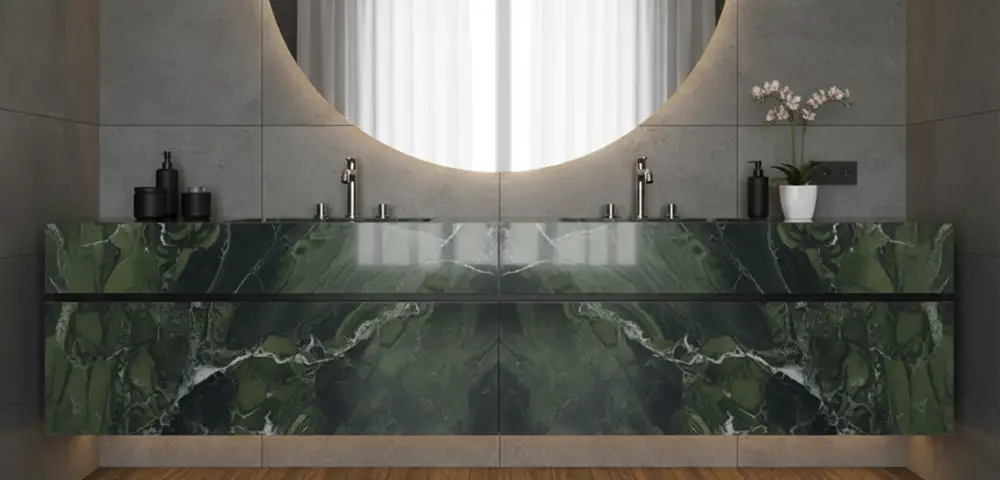
Large bookmatched Avocatus Quartzite slabs create an immediate sense of place. Use polished jumbo slabs for reception desks and backlit wall panels to create a photographic centerpiece that reads well across marketing channels. For hospitality, choose honed walking paths with polished accents to balance wear and spectacle.
2. Resort Spas & Wellness Suites
The green palette and crystalline veining of these stones suit biophilic design language. Avocado’s softer tones often pair well with wood and rattan; Avocatus’s dramatic contrast suits high-end wellness thresholds where light and texture convey calm and value.
3. High-end Residential Kitchens & Countertops
Avocatus’s scratch and acid resistance make it an exceptional surfacing option for islands and countertops. For food-centric environments, specify thicker slabs (≥20–30mm), consider leathered finishes for concealment of micro-abrasions, and ensure consistent sealing protocols.

4. Retail Flagship Stores
Flagship boutiques use exotic stone as brand storytelling. Large Avocado slabs for fitting room walls or feature display plinths reinforce exclusivity and aesthetics while performing under heavy foot traffic.
5. Dining, Conference & Sculptural Tables
Monolithic table tops from jumbo slabs become sculptural centrepieces. Structural considerations (reinforced supports, bracket distribution) are essential when specifying large stone tables to avoid point loads and flexing.
6. Flooring & High-Traffic Areas
Properly finished quartzite slabs provide long-term abrasion resistance suitable for luxury retail flooring and private residences. For public areas, honed or textured finishes provide better slip properties and wear concealment.
5. Fabrication, Selection & Quality Control of Brazilian Exotic Green Avocatus Quartzite
To achieve consistent results across a project, follow a strict QC workflow:
- Block selection: Source blocks from the same quarry vein where possible to reduce color shift across lots.
- Full-slab imaging: Request high-resolution slab scans and approve bookmatching samples before cutting.
- Thickness tolerance & flatness: Specify thickness (18–30mm) and flatness tolerances to avoid installation issues.
- Resin stabilization: For slabs with micro-fissures, require low-yellowing epoxy resins and disclose resin types in purchase documentation.
- Edge & support engineering: For heavy tabletops, include metal or composite subframes to distribute weight and prevent stress fractures.
When considering backlit features, demand light-transmission reports for any slab intended to be thinned; not all quartzite sections transmit light evenly, and engineered backing systems are required for thin, illuminated panels.
|
|
|
6. Installation & Maintenance Best Practices of Your Avocatus Quartzite
Correct installation and maintenance extend beauty and service life:
- Sealing: Use high-quality penetrating sealers suitable for silica-rich stones. Reapply per traffic—a typical interval is 12–36 months depending on exposure.
- Cleaning: Use pH-neutral stone cleaners. Avoid acids, harsh solvents, and abrasive powders.
- Thermal & Impact Protection: Use trivets for hot items and protective pads under heavy objects; quartzite is hard but can fracture under point impact.
- Professional Maintenance: Schedule periodic professional inspections in commercial settings to identify hairline fissures and re-resin where necessary.
7. Sustainability, Sourcing & Long-Term Value of Natural Exotic Green Quartzite
Durability equals sustainability. By reducing replacement cycles and repair frequency, quartzite reduces embodied carbon over a building’s lifecycle. Responsible sourcing practices—quarry rehabilitation, transparent origin documentation, and efficient block yield—further improve project ESG performance. Work with suppliers who provide provenance and chain-of-custody data to meet corporate sustainability mandates.
| Attribute | Avocado Quartzite | Avocatus Quartzite | |
|---|---|---|
| Typical Palette | Sage, olive, warm moss, cream highlights | Deep emerald, high-contrast white veins, brown/black inclusions |
| Best Uses | Versatile interiors, vanity tops, flooring | Feature walls, monolithic reception desks, sculptural tables |
| Visual Impact | Refined, versatile | Bold, dramatic |
| Fabrication Notes | Easier to match across slabs | Requires careful bookmatching for visual continuity |
For more context on how these stones fit into the broader market, consult curated trend analyses and visual galleries that compare Exotic Green Quartzite varieties and use cases.
8. Top 8 FAQs — Avocado & Avocatus Quartzite
1. Are Avocado and Avocatus the same stone?
They are closely related but not identical. Both are Exotic Green Quartzite types; Avocatus typically displays stronger contrast and deeper emerald tones, while Avocado can be softer in hue. Both share high silica content and comparable performance.
2. Can these quartzites be used outdoors?
Yes. Their UV stability and low porosity make them suitable for sheltered and many exposed exterior applications, but site-specific testing is recommended for freeze-thaw climates.
3. Do they require special fabrication tools?
Yes. Their hardness necessitates diamond-tipped blades and CNC equipment. Fabricators experienced with quartzite and large-format bookmatching are strongly recommended.
4. How should I specify backlit panels?
Request light-transmission data, approve a sample thin section and require engineered backing systems to avoid flex and cracking. LED systems should use non-yellowing diffusers and be designed for heat dissipation.
5. What thicknesses are recommended for countertops and tabletops?
Typical countertop thicknesses are 18–30mm; thicker slabs or laminated edges are recommended for tabletops to improve stiffness and edge durability.
6. How do I ensure color consistency across a project?
Approve full-slab images and bookmatch mockups, and source blocks from consistent quarry veins to minimize visual variation.
7. Is sealing necessary?
Yes. Although quartzite is less porous than marble, sealing protects against staining and reduces cleaning frequency. Use a penetrating sealer with proven performance on silica-rich stones.
8. Where are the best sources for authentic Avocatus?
The Bahia region of Brazil is the primary source for authentic Avocatus varieties. Work with suppliers that provide provenance documentation and high-resolution slab scans before purchase.

9. Specifying & Procuring — Practical Checklist for Project Teams
- Request full-slab high-res images and approve bookmatching sequences.
- Specify slab thickness, flatness tolerance and edge profiles in PO documents.
- Require resin disclosure if any stabilization is performed; insist on UV-stable, low-yellowing resins for backlit applications.
- Include acceptance criteria and on-site inspection windows in logistics contracts.
- Plan structural support for heavy tabletops and thin backlit panels.
- Obtain provenance documentation to support sustainability reporting.
For visual references and trend integration, the two Avocado/Avocatus Quartzite variants should be evaluated alongside the wider Exotic Green Quartzite narrative and case studies that illustrate how these stones perform at scale.
Explore curated trend perspectives and product pages for further specification details and visual examples from established collections and trend reports.