
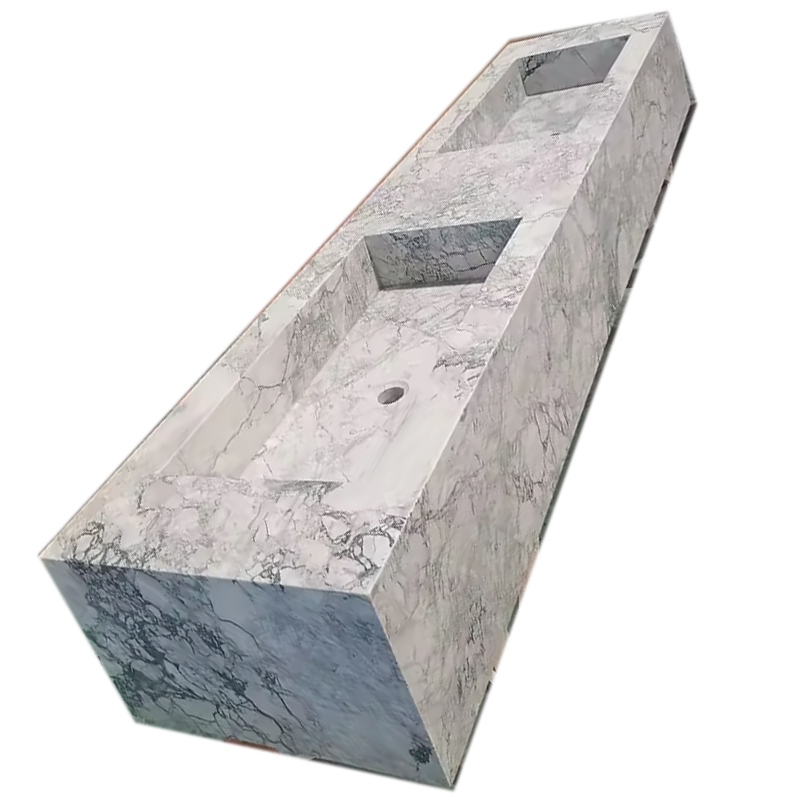

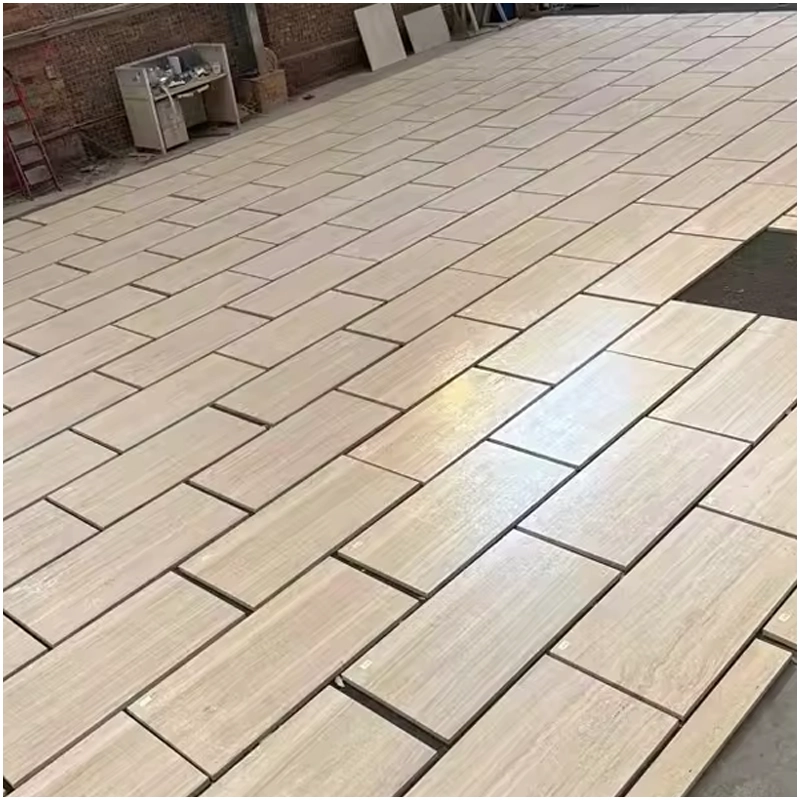

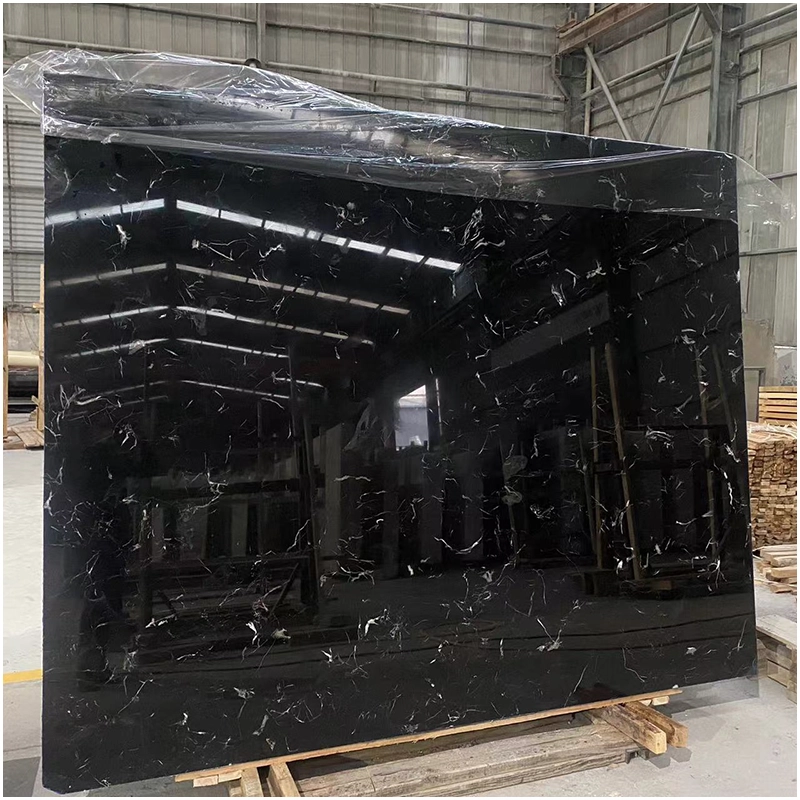
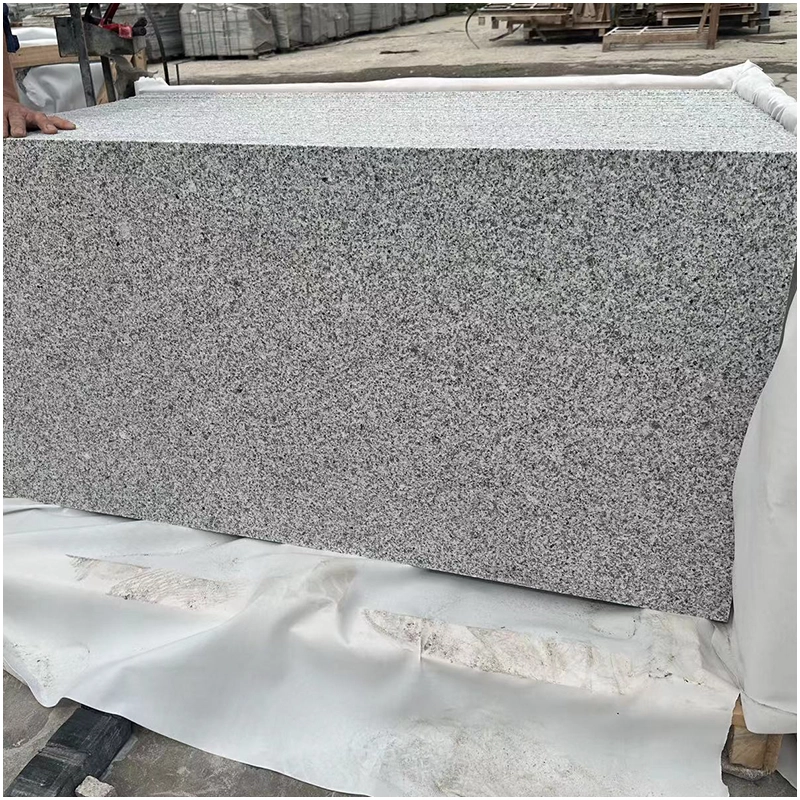
Quick Summary
Across showrooms and job sites, one theme keeps repeating: you’re not just choosing a countertop—you’re setting long-term order for the space. In 2025, granite remains the practical luxury that balances texture, heat resistance, and everyday resilience. This guide distills four market-proven options, why they work, and how to specify them with fewer surprises and better outcomes.

A Conversation that Keeps Happening
“Can we get something stunning without living in constant fear of stains?”
That was the homeowner’s opening line on a recent design consult. The architect glanced at the sample board—engineered stone, porcelain slabs, and three granites. “If you want a natural surface that ages with dignity,” she said, tapping the granite, “start here. It’s beautiful on day one, and honest on day one thousand.”
That exchange captures why granite is still the steady choice for working kitchens. It doesn’t fight the rituals of a home—heat, impact, cleaning cycles—so much as absorb and organize them. Done well, the result is not only elegant on move-in day but coherent after years of dinners, coffee mugs, and holiday chaos.
Why Granite Still Wins in the Kitchen
-
Natural uniqueness: Each slab is singular—grain density, crystalline highlights, and veining are quietly unrepeatable. That “non-factory” character is the point.
-
Physical performance: With Mohs hardness typically 6–7 and strong compressive strength, granites are tough under real kitchen loads.
-
Thermal confidence: Properly sealed and detailed, granite tolerates hot pans and daily temperature swings better than many alternatives.
-
Long-view value: The material holds visual interest and resale credibility. Maintenance is routine, not ritual.
If your brief sounds like “visual calm, textural depth, durable under traffic,” granite is the shortest route between intention and outcome.
The Value Cluster: What Makes a Granite Truly Worth It
Design teams who specify granite repeatedly look for the same trio of traits:
-
Supply continuity for multi-room, multi-phase projects.
-
Aesthetic versatility that plays nicely with both warm woods and cool metals.
-
Engineering stability: consistent thickness, dependable sealing behavior, and predictable fabrication.
A shortlist built on that cluster performs better on site than a collage of pretty samples.
Start Here: A Market-Proven Shortlist

When you need options that are beautiful and “behave” on real projects, begin with a vetted set that covers classic, contemporary, and statement scenarios. This curated overview of high-value performers is a useful first pass:
valuable natural granite for countertops
Use it to structure your internal lineup: a bright neutral for universal kitchens, a textured gray/white for islands that hide fingerprints, and a dining-height surface to extend the material beyond prep zones.
Dallas White: The Reliable Bright Neutral

Some kitchens need light more than they need drama. When the brief calls for clean and open—small footprints, limited daylight, or a client who lives for “crisp”—Dallas White is the safe yet elevated pick.
Dallas White Granite Countertops
Why it works
-
Crisp base tone: The white-gray field keeps the envelope bright without clinical glare.
-
Fine grain, subtle motion: Visual interest at arm’s length, serenity at room scale.
-
Cabinet compatibility: Pairs with warm oak, painted shaker, or ultra-minimal slab doors.
Spec tips
-
Consider polished for compact kitchens that need reflectivity; switch to honed on high-touch islands to dampen fingerprints.
-
Keep edges simple (eased or half bullnose) for wipe-clean efficiency.
Viscon White (Leathered): Texture You Can Live With

If the client wants “not shiny, not flat—something tactile,” steer them to a leathered white/gray granite that hides smudges and brings quiet depth.
Viscon White Leathered Granite
Why it works
-
Low sheen masks day-to-day marks and reads sophisticated under soft lighting.
-
Charcoal veining delivers graphic interest without hijacking the room.
-
Better handfeel: A subtle topography that feels crafted rather than coated.
Spec tips
-
Leathered surfaces still deserve a smart sealing routine; plan a maintenance cadence with the client (often 9–12 months, depending on usage).
-
Pair with matte black hardware and brushed nickel fixtures for a cohesive, low-glare envelope.
Beyond Prep: Granite at the Social Core

Good kitchens now flow into conversation. Extending the stone from counter to dining consolidates the visual language and creates a durable, heat-tolerant surface for daily life.
round granite dining table
Why it works
-
Social geometry: Round tables encourage eye contact and easy circulation.
-
Material continuity: One stone family binds prep, plating, and dining into one story.
-
Real-life durability: Granite shrugs off hot dishes and accidental scuffs during long meals.
Spec tips
-
For modern rooms, slim the edge and use a refined metal base for “lightness.”
-
For traditional spaces, consider a stone or wood pedestal to communicate gravitas.
Case Study: Eight Weeks from Moodboard to Move-In

A Seattle remodel paired Dallas White on runs with a leathered gray/white on the island and a round granite dining table adjacent to the cooking zone. Pre-layout and digital vein matching reduced waste by ~15%. Fabrication aligned cooktop and sink cutouts with structural insert points, tightening deflection on spans. The clients report that the island hides smudges, the table forgives hot plates, and the whole space reads coherent even in winter light.
Technical Snapshot for Spec-Driven Teams
-
Substrate: Use a flat, rigid substrate; mind overhang limits and add concealed brackets as spans approach the edge of recommended cantilever.
-
Edges: Eased or half-bullnose are the kitchen workhorses; waterfall returns need reinforcement and careful seam choreography.
-
Cutouts: Radius internal corners and back-router where appropriate. Align seams with structural logic, not just veining.
-
Sealing: Match sealer chemistry to finish (polished vs. honed/leathered); test in a concealed area.
-
Thermal: Granite tolerates heat well, but trivets protect the sealer layer and keep maintenance predictable.
-
Care: pH-neutral stone cleaner, microfiber cloths, and a “wipe sooner than later” habit after acidic spills.
Design Playbook: Palettes and Pairings
-
Cabinetry: Dallas White loves warm wood and off-white paints; Viscon White thrives against charcoal and deep navy.
-
Metals: Brushed brass warms white granites; matte black underlines gray veining without glare.
-
Backsplash: Consider large-format tile or a modest stone riser to prevent visual noise. Full-height stone is stunning—just manage seam placement early.
-
Flooring: Light oak adds buoyancy; terrazzo and oversized porcelain planks deliver contemporary calm.
Cost, Value, and the Long View
Budgets are real. But granite’s value isn’t a line item—it’s an outcome. Installations that look composed and stay composed require fewer “reset” decisions over the next decade. That stability—visual and practical—often beats a cheaper surface that invites costly mid-life replacement. In resale scenarios, natural stone still reads as an upgrade with a story, not a placeholder with a warranty.
Maintenance Myths, Debunked
-
“Polished is high-maintenance.” Not inherently. Poor sealing and poor habits are high-maintenance. Polished simply reflects more; it doesn’t stain more when properly sealed.
-
“Natural stone always etches.” Granite resists kitchen acids better than many stones. When sealed and wiped reasonably, etching is uncommon in daily use.
-
“Islands crack easily.” Islands crack when spans, loads, and cutouts aren’t engineered. Respect physics and the stone will respect your schedule.
A Four-Surface Plan that Scales
Pair a bright neutral on perimeter runs with a subtly darker, leathered island for function. Extend the story to a round granite dining table to reinforce continuity. Then keep a “statement” option in reserve—something with movement for clients who want a moment of theater. That four-surface matrix covers 80% of briefs without forcing compromise.
To formalize that plan and compare alternatives, start with a vetted overview of market favorites here:
valuable natural granite for countertops
Then apply it to a bright neutral in action:
Dallas White Granite Countertops
Add your tactile hero for the island:
Viscon White Leathered Granite
And complete the flow at the social core:
round granite dining table
(Each link corresponds to the emphasized keyword and appears once, spaced well apart.)
Frequently Asked Questions
Q1: Polished, honed, or leathered—how do I choose?
Polished amplifies light and reads crisp; honed softens reflections; leathered introduces tactile depth and hides smudges. For families with kids, a leathered island plus polished perimeter is a proven combo.
Q2: Will hot pans damage granite?
Granite tolerates heat better than many engineered materials. Still, use trivets to protect the sealer and keep maintenance cycles predictable.
Q3: How often should granite be sealed?
It depends on traffic and finish. Many kitchens do well with annual checks; high-use islands may benefit from a shorter cadence. Test with a few drops of water—if they darken the stone quickly, it’s time.
Q4: What edge profiles are most practical?
Eased and half bullnose are easiest to clean and friendliest to fabrics and forearms. Ogee and bevels are stylistic choices—just align them with cabinet language.
Q5: Can I use granite for a dining tabletop?
Yes. It’s thermally stable and scratch-resistant, particularly in darker or leathered finishes. Focus on base engineering and edge comfort for daily use.
Conclusion
Natural stone succeeds where trends tire: it carries the room with quiet authority and lives gracefully under real use. In 2025, the kitchens that age best often share a granite backbone—bright neutrals that lift the perimeter, textured islands that welcome touch, and a dining surface that invites gathering. Choose from a shortlist built on supply, versatility, and engineering logic, and you’ll deliver not just “a beautiful install,” but a kitchen that keeps its promise long after the photoshoot.
Soft Brand Note

FOR U STONE continues to support design teams with consistent slab matching, digital vein mapping, export-grade packaging, and custom fabrication for integrated counters, splash returns, and dining surfaces—helping projects land on time with the visual continuity clients notice first.


