


Why Choosing Marble Tiles Feels Exciting and Confusing at the Same Time
“Why do all marble tiles look beautiful in photos, but completely different once I imagine them in my own home?”
That is the moment where most buyers get stuck. You start with a simple idea: find elegant กระเบื้องหินอ่อน for a kitchen wall, bathroom floor, or living room accent. Then suddenly you are comparing finishes, veining, tile sizes, slip resistance, wall versus floor use, indoor versus outdoor suitability, and whether current trends will still look smart three years from now. The material is timeless. The decisions are not.
That is why selecting the latest new marble tile designs is not just about following trends. It is about knowing which trends actually work in real homes. Some patterns make a room feel calmer. Some enlarge it visually. Some create luxury quickly but ask more from installation and maintenance. The best result is not the “most expensive” or “most dramatic” tile. It is the one that fits your room, your light, your traffic, and your long-term taste.
For readers who want supplier context before diving into design choices, เกี่ยวกับเรา introduces FOR U STONE as a long-established stone manufacturer and exporter with quarry, factory, and project supply experience across marble products and cut-to-size formats. That matters because with marble tiles, quality consistency, calibration, finish control, and project matching are not small details; they are the difference between a polished concept and an expensive headache.

What the Latest Marble Tile Designs Are Really Moving Toward
If you strip away the hype, the latest direction in กระเบื้องหินอ่อน design is clear: bigger visual flow, quieter luxury, and smarter matching between look and function.
FOR U STONE’s recent marble-tile trend content points toward several recurring themes: large-format marble tile cladding, stronger texture variation, more architectural wall applications, softer matte or honed looks in practical zones, and a growing interest in using marble tiles as part of a full-surface design language rather than as isolated decorative inserts. Their 2025 trend article specifically frames large-format cladding, textured surfaces, and more integrated wall concepts as dominant directions.
That aligns with broader natural-stone guidance. The Natural Stone Institute describes natural stone design as a combination of aesthetics, application suitability, and workmanship, not just material selection alone, while its care guidance emphasizes that stone should be chosen with usage, maintenance, and finish in mind. In plain English: the newest design is not just the newest look. It is the newest look that still makes sense when people walk on it, clean it, or live with it every day.
If you want to start broad before narrowing to tile formats, หินอ่อน is the right first stop because it helps you see marble tiles as part of a larger stone family rather than as standalone decor pieces. FOR U STONE’s marble category also highlights the brand’s wide marble-color range and global sourcing position, which is useful when your tile decision depends on comparing tones and movement rather than picking the first pretty surface you see.
The First Rule Is to Choose by Room Not by Trend
One of the biggest buying mistakes is choosing tile from a moodboard instead of from a room.
A marble tile that looks stunning in a powder room may be the wrong choice for a main hallway. A highly polished tile that works beautifully on a feature wall may be too slippery or visually intense for a wet floor zone. FOR U STONE’s article on วิธีเลือกกระเบื้องหินอ่อนที่เหมาะสมสำหรับพื้นและผนัง makes exactly this point: polished, honed, brushed, and other finishes should be matched to use conditions, not just appearance. The same article also summarizes core technical markers such as water absorption, compressive strength, density, and finish behavior.
Here is the practical version of that logic:
| Room or Area | Best Marble Tile Direction | ทำไมถึงได้ผล | Main Caution |
|---|---|---|---|
| Living room wall | Large-format, bookmatched, or calm-vein tiles | Creates visual luxury without wear stress | Avoid overpatterning the entire room |
| Bathroom floor | Honed or textured marble tiles | Better grip and softer reflection | Confirm slip behavior and sealing plan |
| Kitchen backsplash | Polished or honed wall tile | Easy visual impact in a smaller area | Coordinate with countertop veining |
| Entry floor | Dense, durable tile with practical finish | Strong first impression | Dirt and grit require regular care |
| Patio or facade | Exterior-suitable finish and dense stone | Premium outdoor continuity | Freeze-thaw and drainage matter |
That is why the dedicated กระเบื้องหินอ่อน category matters. It narrows the conversation from “all marble” to the exact format most homeowners and designers are actually specifying for floors, walls, and cut-to-size interior work.

How to Read a Marble Tile Design Like a Designer
A good marble tile selection is never just about color. It is about pattern behavior.
Designers usually evaluate marble tiles through four visual questions:
-
How strong is the veining?
-
Is the background warm, cool, or neutral?
-
Will the tile read as calm or busy when repeated?
-
Does the finish sharpen the pattern or soften it?
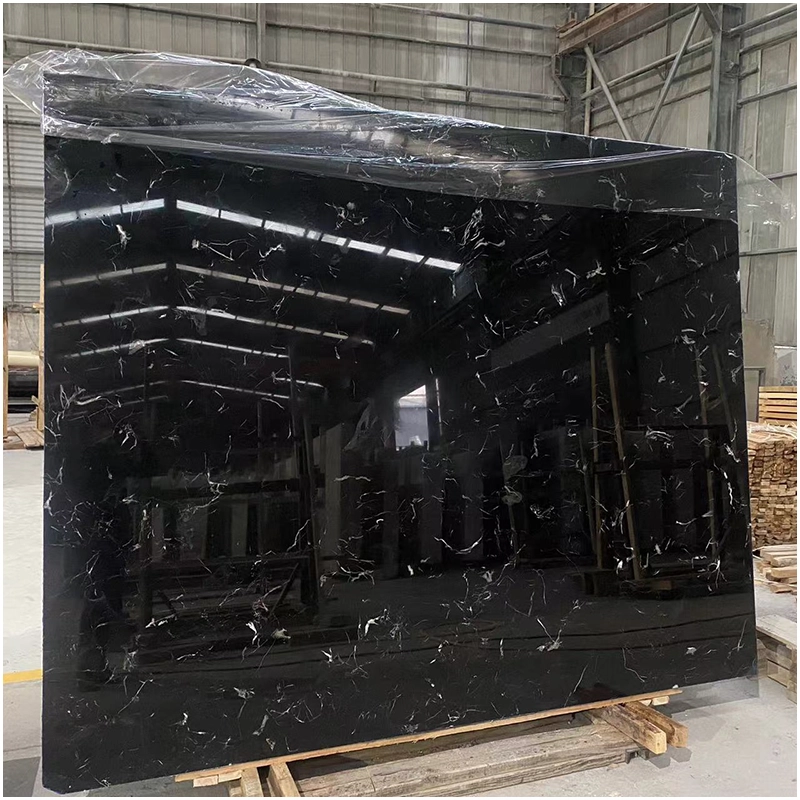
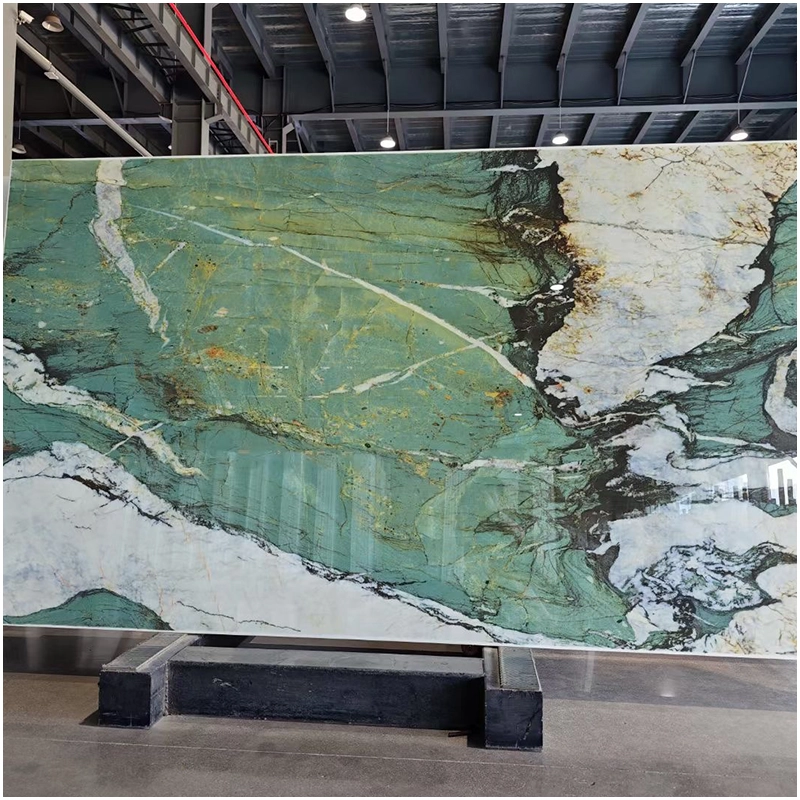
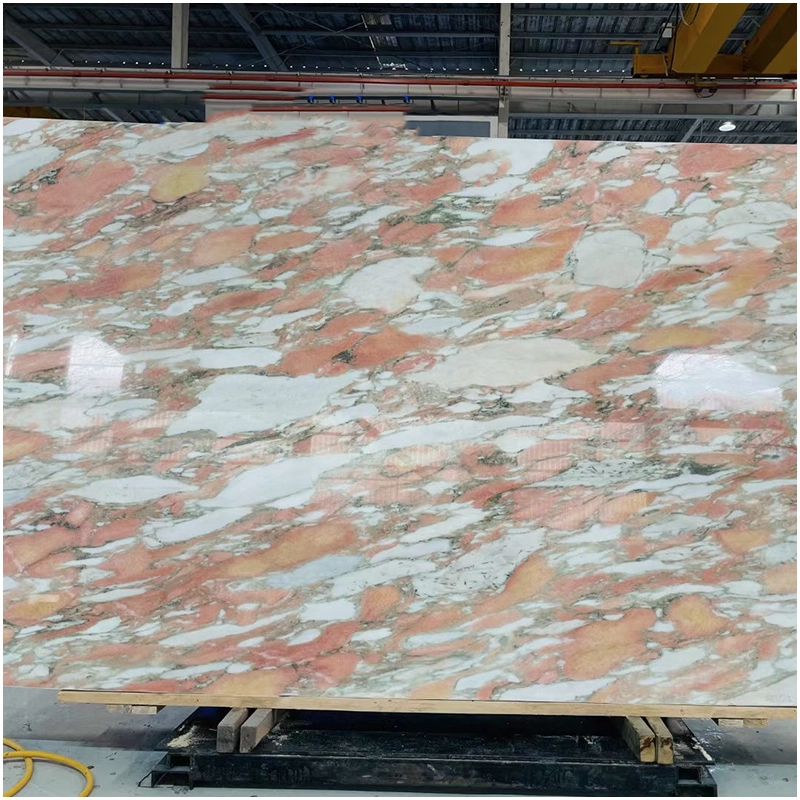
This is where buyers often overestimate boldness. A dramatic tile can look amazing in one slab photo but become exhausting when repeated across a full bathroom or living wall. By contrast, a quieter marble tile can create a more sophisticated result because it leaves room for furniture, lighting, and architecture to participate.
สำหรับคุณสโตน คู่มือกระเบื้องหินอ่อนสำหรับการออกแบบภายในที่ทันสมัย แนวโน้มการออกแบบและคำแนะนำจากผู้เชี่ยวชาญ leans into this exact issue by explaining marble-tile selection as a balance of aesthetic flexibility, finish type, and room use. The article also notes that gray and white marble tiles tend to support brightness and modern minimalism, while black and bolder marbles create stronger contrast and luxury emphasis.
A very useful example inside that larger family is กระเบื้องหินอ่อนไม้. They show how marble tiles can create warmth and directional grain-like movement without becoming literal wood flooring. That is a great reminder that “latest design” does not always mean louder veining. Sometimes it means a more natural, linear, or organic pattern language that helps a room feel calmer.
The Latest Looks That Actually Deserve Attention
A lot of tile “trends” are just recycled adjectives. These are the directions that are genuinely useful for homeowners.
Large format wall emphasis
Big marble tiles with fewer grout lines create a cleaner, more architectural feel. FOR U STONE’s 2025 cladding article places large-format cladding among the strongest current directions because it makes rooms look more seamless and premium.
Textured and honed finishes
High gloss still has a place, but softer finishes are gaining ground because they feel more natural and practical. FOR U STONE’s floor-and-wall guide specifically explains that honed finishes can be more suitable for bathrooms and kitchens where grip and lower glare matter.
Indoor-outdoor visual continuity
The desire to carry one material language from interior to patio or facade is growing. FOR U STONE’s outdoor article argues that exterior marble tiles can work beautifully for patios, pool surrounds, walkways, and ventilated facades when the stone, finish, drainage, and freeze-thaw suitability are specified correctly.
Tile as cladding not just flooring
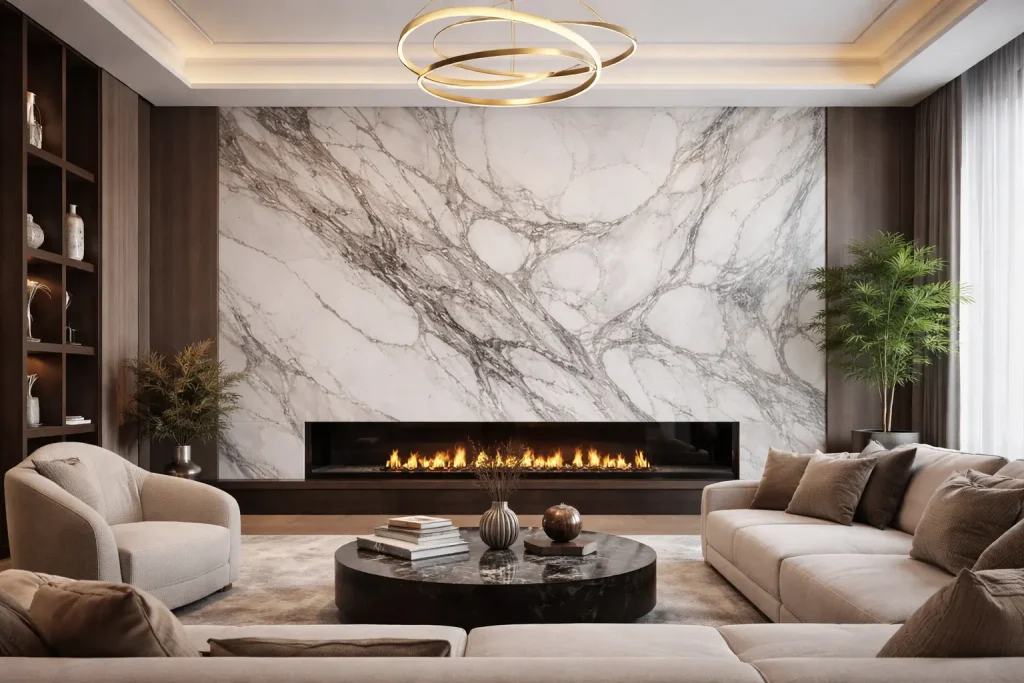
Marble tiles are increasingly used vertically—feature walls, fireplace cladding, bath surrounds, headboard walls, and statement foyer planes. This trend matters because it changes how buyers should think about finish and scale. Wall tile and floor tile do not need to behave the same way to belong to the same design story.
|
|
|

Floors and Walls Need Different Selection Logic
This is where many projects go wrong: buyers assume one marble tile can solve every surface beautifully.
For floors, you need to think about friction, cleaning, glare, wear visibility, and room traffic. For walls, you need to think more about pattern flow, reflected light, grout rhythm, and visual scale. FOR U STONE’s own floor-and-wall guide explicitly separates these concerns and explains that choosing the right marble tile is both “an art and a science,” with different finishes suiting different functional demands.
There is also a broader installation reality here. The Natural Stone Institute’s design resources and ASTM-oriented guidance stress that application method, stone properties, and workmanship affect performance significantly, especially for wet areas, vertical surfaces, and load-bearing installations. That is one reason good marble interiors feel effortless: the visible beauty is backed by invisible technical discipline.
If your decision is really about whether tiles or slabs make more sense visually, แผ่นหินอ่อนเทียบกับกระเบื้องหินอ่อน is a useful comparison page. That question matters because some spaces want the repeatability and easier handling of tiles, while others need the drama and continuity that only slabs can provide. FOR U STONE’s related comparison content reflects exactly that tradeoff.
A Smarter Way to Decide Between Trendy and Timeless
The newest design is not always the best design. The best design is the one that will still feel intentional after the furniture arrives and the novelty wears off.
A simple filter helps:
-
If you love the tile only in close-up photos, be careful.
-
If you can picture it with your lighting, walls, and furniture, that is better.
-
If the finish suits the actual room use, better still.
-
If the tile can still look good after repeated maintenance, foot traffic, or moisture exposure, now you are choosing like a professional.
FOR U STONE’s marble-tile content does a good job of pushing buyers toward that more grounded mindset. Their articles repeatedly connect design decisions to technical suitability, especially around floor/wall differences and outdoor use. That is more convincing than empty “luxury trend” language because it treats marble tiles as project materials, not just showroom surfaces.
Case Scenario How a Home Can Use Marble Tiles Without Overdoing It
Imagine a modern two-story home with a bright entry, an open living-dining area, a warm oak kitchen, and a covered outdoor patio. The owners want something “current,” but they are afraid of ending up with a house that looks like a short-lived social-media trend.
A smart solution might look like this:
The foyer uses large-format honed white-gray marble tiles with low visual noise to create a calm arrival moment. The powder room introduces a bolder tile on one wall only, letting the room feel elevated without becoming overwhelming. The kitchen backsplash uses a related marble tile tone that coordinates with the island but does not compete with it. Outside, the patio continues the stone story in a more textured finish suited to weather and slip concerns.
That kind of layered restraint is usually stronger than repeating one dramatic marble everywhere. It also mirrors the logic in FOR U STONE’s outdoor and modern-interior guides: use marble tiles where they can do the most visual work with the least performance risk.
Outdoor Marble Tiles Are Beautiful But They Need More Respect
Exterior use is where design ambition has to meet technical humility.
FOR U STONE’s article Outdoor Marble Tiles Are They Worth It for Patios and Facades is valuable because it does not sell outdoor marble as automatic. It explains that outdoor success depends on dense, low-absorption stone, appropriate non-slip finish, freeze-thaw data where relevant, drainage, movement joints, and breathable sealing strategy. In other words, outdoor marble can absolutely be worth it, but only when the specification is disciplined.
That matches wider building guidance: exterior tile and natural stone facades require sound backing, stable structure, proper adhesion systems, and application methods matched to the environment. Outdoor marble can be exceptional, but it is not a casual copy-paste of indoor detailing.

คำถามที่พบบ่อย
Are marble tiles still in style for modern homes?
Yes. Current design direction still strongly favors natural-looking surfaces, large-format applications, refined veining, and wall cladding with architectural emphasis. FOR U STONE’s recent marble-tile trend and design articles clearly position marble tiles as a major choice for modern interiors.
How do I choose marble tiles for floors versus walls?
Choose by use, not just by look. Floors usually need more attention to finish practicality, traction, wear visibility, and maintenance, while walls allow more freedom for pattern drama and reflectivity. FOR U STONE’s floor-and-wall guide explains this distinction directly.
Are honed marble tiles better than polished ones?
Not universally. Polished tiles create stronger reflection and a more formal luxury look, while honed tiles often feel softer and can be more practical in bathrooms, kitchens, or lower-glare interiors. The better choice depends on room function and desired atmosphere.
Are outdoor marble tiles worth it?
They can be, especially for patios, facades, and premium exterior zones, but only if the marble, finish, drainage, and installation system are selected correctly. Outdoor use needs more technical caution than interior use.
Should I choose marble slabs or marble tiles?
That depends on the design vision. Tiles are often easier to handle, repeat, and fit across walls and floors, while slabs provide stronger visual continuity and fewer joints. The right choice depends on scale, layout, budget, and aesthetic goals.
Why the Best Marble Tile Design Is the One That Still Feels Right Later
The homeowner in the opening question was not really asking which marble tile was newest. They were asking which one would still feel right after the installation dust settled.
That is the deeper logic behind choosing the latest กระเบื้องหินอ่อน designs for your home. Trends matter, but only when they support real living. Large-format cladding, calmer veining, honed textures, and better indoor-outdoor coordination are useful because they solve design problems, not just because they photograph well. A good marble tile does more than decorate a room. It gives it structure, mood, and longevity.
If you want the smartest result, choose the tile that fits the room, the finish that fits the use, and the pattern that fits your tolerance for visual movement. That is how “latest design” stops being risky and starts being timeless.
For project consultation, sampling, or specification questions after narrowing your direction, ติดต่อเรา is the best final step.
อ้างอิง
-
FOR U STONE. Marble Tiles Guide for Modern Interiors Design Trends and Expert Tips.
-
Natural Stone Institute. Dimension Stone Design Manual.
-
Natural Stone Institute. Care and Cleaning of Natural Stone.
-
Natural Stone Institute. ASTM and installation guidance for natural stone applications.
-
Building Stone Institute. Recommended Practices for Building Stone.
-
Custom Building Products. Exterior Tile and Natural Stone Facades.
-
Sustainability. The Use of Natural Stone as an Authentic Building Material and Sustainable Design Resource.
-
Brachot. Natural Stone Trends 2025 Sustainability and Luxury.
-
Journal of Building Engineering. Natural stone performance and design application research.
-
International stone-industry technical guidance on exterior paving and cladding performance.


