


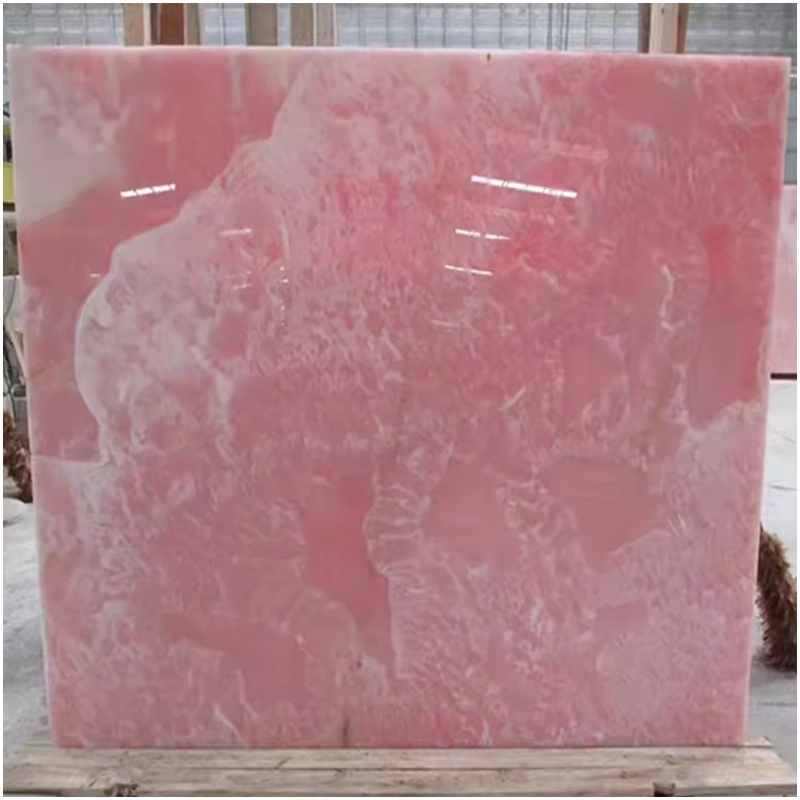
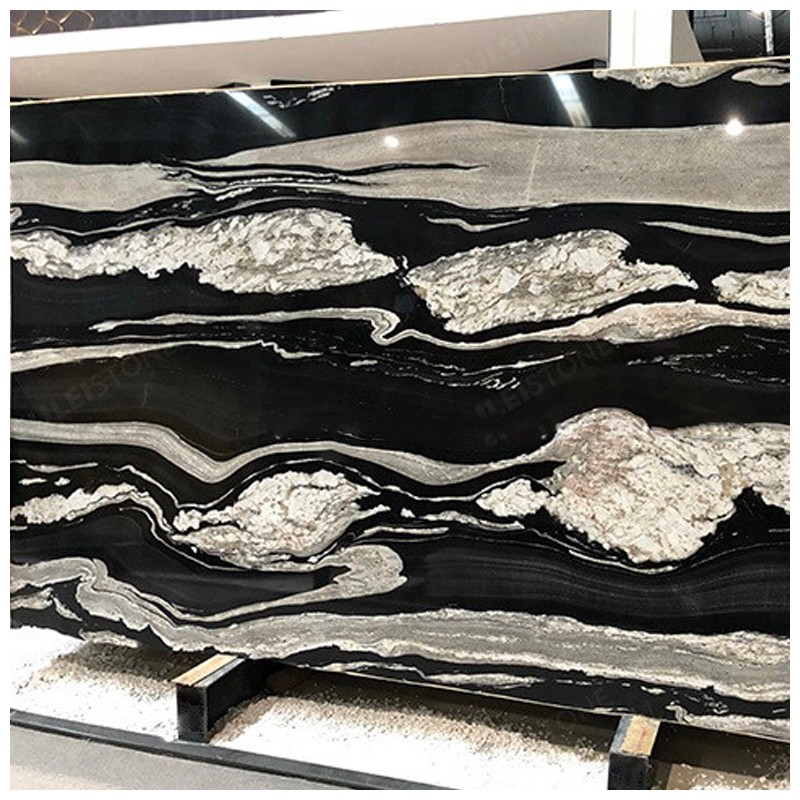
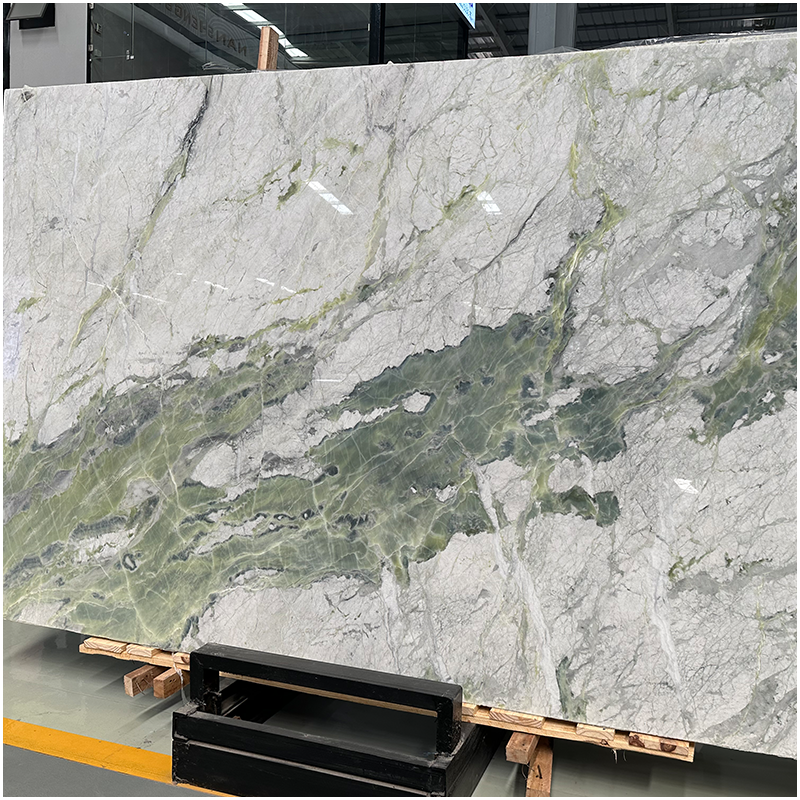
Quick Overview: Professional Stone Protection & ROI
Professional Guide: How to Seal and Protect Your Natural Stone
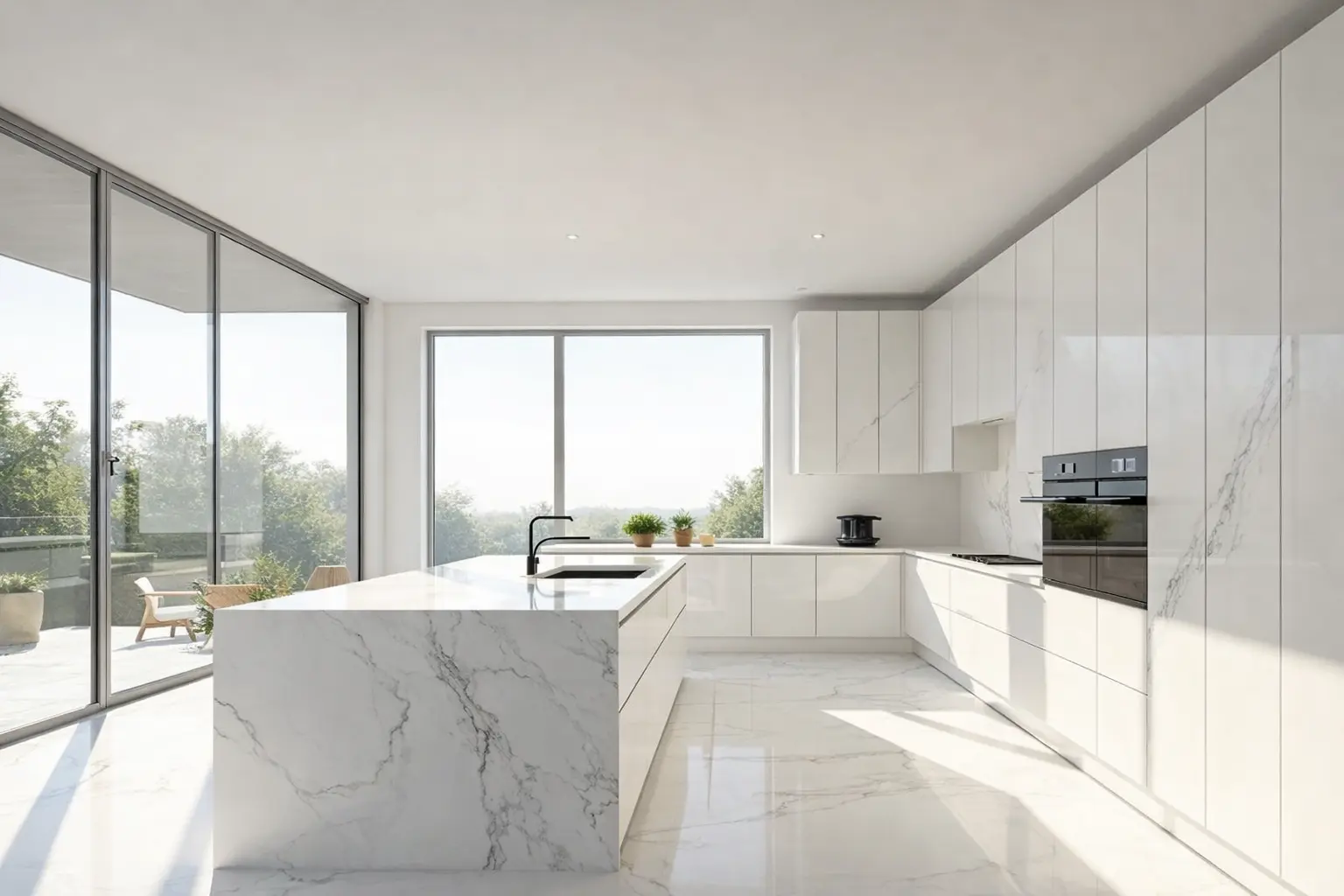
The global architectural community has long revered natural calcareous stone for its luminous aesthetic and timeless elegance. From grand hotel lobbies to bespoke residential focal points, it remains the ultimate symbol of luxury. However, when reviewing the most elegant white marble kitchen design ideas 2026 trends, one universal truth emerges among top-tier interior designers, facility managers, and structural engineers: the long-term viability of this exquisite material is entirely dependent on a rigorous, scientifically backed sealing and maintenance protocol. Without proper care, the very mineral composition that gives the stone its beautiful translucency also makes it highly vulnerable to environmental degradation and costly restoration.
Major Buyer Pain Points and Hidden Maintenance Risks
For B2B wholesale buyers, luxury developers, and high-net-worth homeowners, specifying premium stone is a significant capital investment. Unfortunately, ignoring the science of stone care leads to severe pain points and compounding financial consequences:
-
The Etching Nightmare: A multi-thousand-dollar kitchen island can be permanently marred in seconds. A spilled glass of wine or a misplaced slice of lemon immediately reacts with the stone, leaving dull, rough “burn” marks that destroy the high-gloss finish.
-
Deep Organic Staining: In high-traffic commercial environments like hotel bars, unsealed or improperly sealed stone absorbs dark liquids deep into its pores. These stains cannot be wiped away and often require expensive professional poultice extraction.
-
Client Rejections & Liability: For contractors and fabricators, delivering a beautiful project is only half the battle. If the stone is not factory-sealed or if the client is not properly educated, the resulting stains lead to callbacks, ruined reputations, and potential financial liabilities.
Before diving into chemical sealants, taking the time to thoroughly explore a diverse premium natural stone material catalog can help procurement officers understand the varying density levels and geological origins of different blocks, effectively mitigating maintenance risks from the very start.
Busted: Common Myths in Stone Care
To effectively protect your investment and avoid asset depreciation, we must first debunk the dangerous misconceptions that plague the fabrication and maintenance industry.
-
Myth 1: “Applying a sealer makes the surface bulletproof and etch-proof.” Fact: Impregnating sealers are designed specifically to repel liquids (preventing organic stains), but they do absolutely nothing to prevent physical acid etching. Acid will burn right through the liquid sealer and into the calcium carbonate structure.
-
Myth 2: “Natural remedies like vinegar and lemon are the safest ways to clean.” Fact: This is a catastrophic chemical error. Vinegar and lemon are highly acidic. Using them will instantly etch the entire surface, stripping the factory polish and leaving it dull and chalky.
-
Myth 3: “All white stones require the exact same maintenance schedule.” Fact: Geological density varies wildly. A highly porous commercial-grade slab may need resealing every 4 months, while a premium, ultra-dense block from an exclusive white marble series might only require a protective coat every 3 to 5 years.
Understanding Porosity in Natural Calcareous Stone
The Mineral Composition: Calcium Carbonate
At its core, this luxurious stone is a metamorphic rock composed primarily of recrystallized calcite or dolomite (Calcium Carbonate, CaCO3). On the Mohs Hardness Scale, it typically ranks between 3.0 and 4.0. This relatively soft, workable nature allows artisans to carve intricate edge profiles, but it also means the surface is chemically reactive to everyday household acids.
Water Absorption Rates: A Scientific Benchmark
Porosity determines how easily liquids can penetrate the surface. High-density blocks absorb less water and are inherently more resistant to deep staining.
| Material Classification | Primary Mineral | Mohs Hardness | Average Porosity (Water Absorption) | Compressive Strength |
| Natural White Marble | Calcium Carbonate | 3.0 – 4.0 | 0.12% – 0.20% | 110 – 130 MPa |
| High-Density Granite | Quartz / Feldspar | 6.0 – 7.0 | 0.05% – 0.15% | 160 – 200 MPa |
| Engineered Quartz | Quartz + Resin | 6.5 – 7.0 | < 0.05% | 150 – 240 MPa |
The Importance of Initial Sealing Post-Installation
The stone care industry categorizes sealants into two groups: topical and impregnating. Topical sealers sit on the surface, creating a glossy, artificial film that can peel or yellow under UV light. Professionals strictly recommend impregnating (penetrating) sealers. These formulations utilize carrier solvents to transport active protective polymers deep into the microscopic pores. Once the carrier evaporates, the polymers bond with the stone matrix, repelling water and oil from within.
Etching vs. Staining: The Citrus Spill Scenario
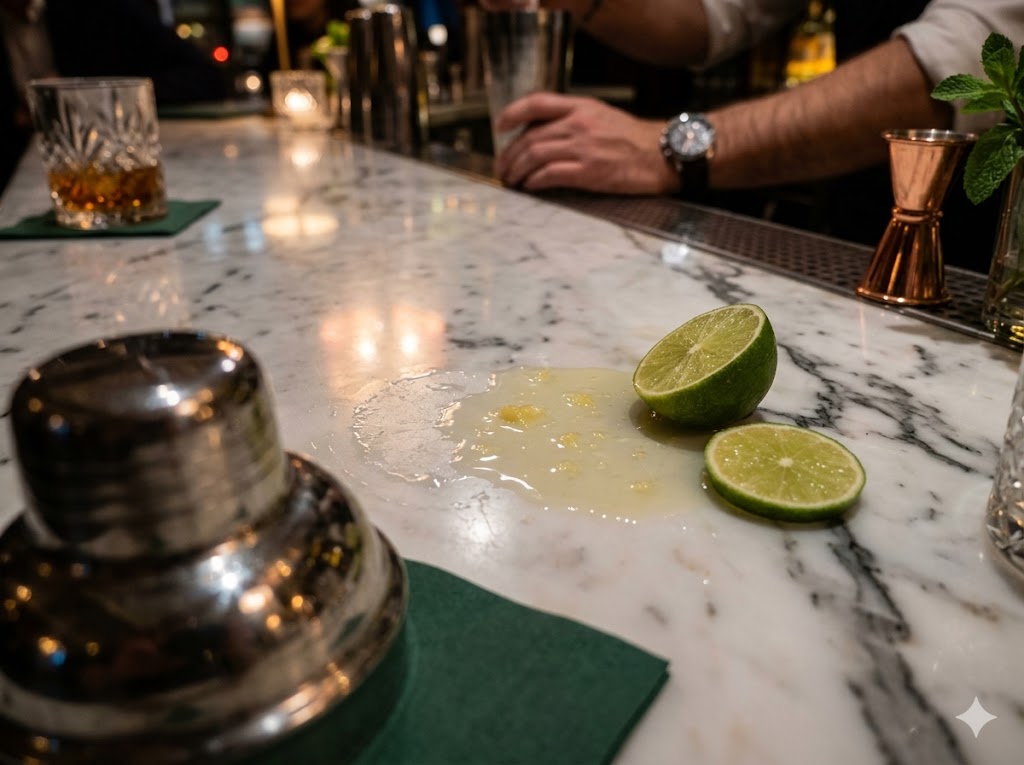
Imagine a bustling luxury hospitality bar. A bartender accidentally spills freshly squeezed lemon juice onto the pristine countertop. Because popular varieties such as China Carrara white marble are primarily calcium carbonate, a localized chemical reaction occurs almost instantly. The acid consumes a microscopic layer of the polished finish.
Accurate diagnosis is crucial for effective restoration:
-
Stains: Occur when a pigmented liquid (red wine, coffee) breaches the stone’s pores and alters its color. The surface finish remains physically smooth.
-
Etches: Are physical, chemical burns. They appear as dull, whitish spots that can be felt with the fingertips. Etches destroy the polish.
How to Remove Etching and Stubborn Stains
DIY Poultice Formulations for Organic Stains
If a stubborn organic stain penetrates the sealer, a poultice is the most effective extraction method. Mix baking soda with 12% hydrogen peroxide to the consistency of peanut butter. Apply a half-inch thick layer over the stain, cover it with plastic wrap, tape the edges, and poke breathing holes. Leave it for 24 to 48 hours. As the poultice dries, capillary action physically pulls the pigment out of the stone. Even premium dense structures like Bianco Dolomiti marble can occasionally benefit from this deep-cleaning technique if a severe spill is left unattended.
Honing and Repolishing
While stains can be extracted, etches require physical resurfacing. Deep etches or widespread “glass ring” marks require mechanical honing. This involves professional stone restorers using variable-speed grinders equipped with progressively finer diamond-encrusted resin pads to physically remove the damaged layer and restore the high-gloss factory finish.
Recommended pH-neutral Cleaning Agents
The most common cause of premature sealant degradation is the use of improper daily cleaning chemicals. Highly acidic cleaners will instantly etch the stone. Highly alkaline cleaners (like bleach or ammonia) will aggressively strip away the impregnating sealer. Maintaining a strict pH balance of 7.0 is absolutely imperative. As a premier authentic stone factory, we invite procurement managers to read about us to understand why we rigorously emphasize chemical neutrality in our post-installation architectural care manuals.
The Strategic Decision Matrix: Maintenance & Sourcing
To prevent maintenance nightmares, developers and homeowners must align their material choice with the environmental risks of the space. Use this professional decision logic framework:
-
IF the application is a high-traffic commercial bar or active family kitchen $\rightarrow$ CHOOSE a high-density raw block with a “Honed” (matte) finish. The matte finish naturally masks mild acid etching and daily micro-scratches far better than a polished surface.
-
IF the application is a low-traffic luxury focal point (e.g., a master vanity) $\rightarrow$ CHOOSE a High-Gloss Polished finish, but mandate a strict resealing protocol every 6-8 months using a fluoropolymer impregnator.
-
IF you encounter a dark discoloration without surface roughness $\rightarrow$ CHOOSE a DIY chemical poultice to extract the organic stain.
-
IF you encounter a dull, rough, whitish “water ring” $\rightarrow$ CHOOSE to hire a professional stone restorer for mechanical diamond honing.
100-Point B2B Insight: Total Cost of Ownership (TCO)
For commercial developers, the true cost of a material is not its purchasing price, but its Total Cost of Ownership over a 5-year lifecycle. Upgrading to a premium, high-density block drastically alters the financial math.
The procurement calculation for luxury stone can be modeled as:
By investing 20% more upfront ($C_{material}$) in an ultra-dense slab from a direct factory, developers essentially eliminate the heavy annual restoration costs ($C_{restoration\_t}$), which can easily exceed thousands of dollars for hotel lobby repolishing. High-density stone absorbs less, etches slower, and requires less frequent sealing applications.
Final Recommendations: Sourcing is the Foundation
The overarching reality of stone maintenance is that long-term care begins long before the installation phase. The inherent geological density of the raw block dictates how frequently the final product will require resealing. High-density blocks with ultra-low porosity naturally resist staining and hold their polish significantly longer than lower-grade, porous materials.
Mitigating maintenance risks requires sourcing materials directly from a technically advanced manufacturer. A premium supplier can perform pre-installation chemical treatments—such as factory-applied six-sided waterproofing—to safeguard the stone before it ever arrives at the job site. We strongly encourage global architects, commercial developers, and procurement officers to contact us for expert value engineering, custom architectural fabrication, and access to premium, high-density blocks that guarantee both aesthetic brilliance and long-term operational durability.

FAQ
1. How often do I realistically need to reseal my white marble countertops?
The frequency of resealing depends heavily on the initial density of the stone and the daily wear it endures. For high-traffic residential kitchens, a professional-grade impregnating sealer should be applied every 6 to 12 months to ensure optimal stain resistance. For low-impact areas like master bathroom walls or decorative fireplace surrounds, a high-quality seal can effectively last between 3 to 5 years before a reapplication is necessary.
2. Will sealing make my marble completely stain-proof and etch-proof?
No, sealing does not render the stone completely indestructible. An impregnating sealer creates a powerful sub-surface barrier that drastically slows down the absorption of staining liquids like coffee or wine, giving you ample time to wipe up the spill. However, no liquid sealer can alter the chemical composition of calcium carbonate; therefore, sealers cannot protect the surface against physical acid etching caused by citrus, vinegar, or harsh cleaners.
3. Can I use standard liquid dish soap as a daily cleaner?
While liquid dish soap is mildly alkaline and generally safer than acidic or abrasive cleaners, it is not recommended for long-term daily use on natural stone. Repeated use of standard dish soaps will leave behind a thin, cloudy film or soap scum buildup that dulls the stone’s polished finish over time. It is always best practice to use a dedicated, pH-neutral (pH 7.0) stone cleaner formulated with specialized surfactants.
4. Does honed marble stain easier than high-gloss polished marble?
Yes, honed (matte) marble is generally more susceptible to staining than polished marble. The mechanical polishing process tightly closes the crystalline pores on the surface, creating a slight natural barrier. The honing process leaves these microscopic pores more open, increasing the water absorption rate. Consequently, honed surfaces require more frequent and rigorous applications of impregnating sealers to prevent deep organic staining.
5. How can I remove a stubborn red wine stain that has dried on the surface?
A dried red wine stain that has penetrated the sealer must be extracted using a chemical poultice. You can create a DIY poultice by mixing baking soda with a 12% hydrogen peroxide solution until it forms a thick paste. Apply a 1/2-inch thick layer directly over the stain, cover it tightly with plastic wrap, tape the edges, and poke a few small holes for ventilation. Leave it undisturbed for 24 to 48 hours. As the paste dries, capillary action will physically pull the wine pigment out of the stone’s pores.
References
-
“Calcium Carbonate Reactivity in Metamorphic Rocks,” Dr. H. Lin, Journal of Earth and Mineral Sciences, 2025.
-
“Standard Test Methods for Absorption and Bulk Specific Gravity of Dimension Stone (ASTM C97),” ASTM International Standards Board.
-
“Volatile Organic Compound (VOC) Limits for Architectural Coatings,” U.S. Environmental Protection Agency (EPA), 2026.
-
“The Chemistry of Stone Impregnators and Fluoropolymers,” International Society of Surface Engineering.
-
“Distinguishing Between Acid Etching and Organic Staining in Calcareous Stone,” Natural Stone Institute (NSI) Technical Archive.
-
“Capillary Action in Chemical Poultice Stain Extraction,” Global Stone Restoration Council.
-
“The Impact of pH on Fluoropolymer Sealant Longevity,” Facility Management Quarterly, 2025.
-
“2026 Architectural Procurement: Total Cost of Ownership (TCO) in Luxury Materials,” Global Construction Economics Review.
Strategic White Marble Maintenance
Scientific Maintenance Protocol (How & Why): Maintaining the pristine condition of natural calcareous stone requires a preventative strategy rooted in material chemistry. Because the stone is primarily composed of calcium carbonate, it is exceptionally vulnerable to acid-induced physical etching and moisture-driven staining. Utilizing Low-VOC Impregnating Sealers creates a sub-surface hydrophobic barrier that repels oils and liquids. However, sealers cannot prevent physical acid etching, which mandates the strict daily use of pH-neutral cleaning agents.
When damage occurs, proper identification dictates the remedy. Organic stains (discoloration without texture change) can be extracted using a chemical poultice (baking soda + 12% hydrogen peroxide). Conversely, acid etches (dull, physical surface burns) require professional mechanical diamond honing to restore the crystalline polish.
Long-term maintenance costs are directly tied to the initial geological density of the block. By partnering directly with an authentic factory, commercial developers can specify ultra-high-density slabs and request factory-applied six-sided waterproofing, drastically reducing on-site maintenance liabilities.
📈 2026 Facility Management Trend: The architectural sector is moving aggressively away from topical acrylic sealants due to stringent global VOC regulations. Modern facility protocols now mandate water-based fluoropolymer impregnators combined with dry microfiber maintenance, ensuring maximum environmental compliance and preserving the stone’s natural vapor permeability.


