


Designing with Grey Marble: From “Impressive” to “Inviting”
“Why does our open-plan living room feel impressive… but not inviting?”
A couple asked me this while standing in a magazine-worthy space: full-height windows, curated furniture, designer lighting—and a lot of stone. The Grijs marmer floor ran from kitchen to lounge to dining area. It looked expensive, but the room felt slightly cold, almost like a gallery instead of a home.
The problem wasn’t the Grijs marmer itself. It was the way the material was allowed to dominate, instead of being orchestrated with colour, texture, and zoning.
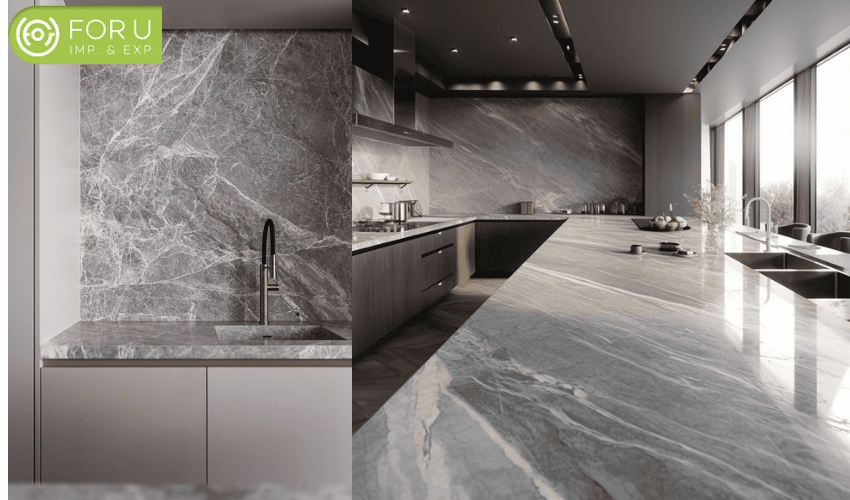
Designing an open-plan space around Grey Marble is one of the smartest moves you can make: it offers continuity, durability, and timeless elegance. But to make it feel luxurious en livable, you need a clear strategy—one that blends material science, spatial planning, and real project experience from global suppliers like FOR U STONE.
This guide walks through that process step by step.
|
|
|

Start With a Clear Mood, Not Just a Material
Before you pick a slab, you need to decide what your open-plan space should voel like. Calm and hotel-like? Warm and family-focused? Dramatic and gallery-inspired?
Grey Marble is incredibly versatile. It can skew cool and urban, or soft and organic depending on its tone and what you pair it with. One powerful tactic is to use Grey Marble as the “quiet” base and introduce colour in controlled, strategic accents. For example, a neutral grey floor or island can be uplifted by a single statement stone table or feature wall in a richer colour.
In some high-end projects, designers contrast soft greys with a carefully chosen green stone for visual energy. Stones such as Marmer ijs smaragd jade are often used as a sculptural highlight in otherwise tone-on-tone interiors—on a niche, console, or coffee table—keeping the Grey Marble dominant but not monotonous.
The rule: define the emotional tone first, then choose stones that support it.
Use Grey Marble to Anchor the Space, Not Overwhelm It
Open-plan layouts live or die by how well they handle continuity. Too many changes in floor material or colour create visual noise. Too few, and the space becomes flat. This is where Grey Marble excels.
A continuous Grey Marble floor running through kitchen, dining, and lounge can:
-
Visually expand the space and make it feel more cohesive
-
Help light travel evenly across different zones
-
Give the entire interior an architectural backbone
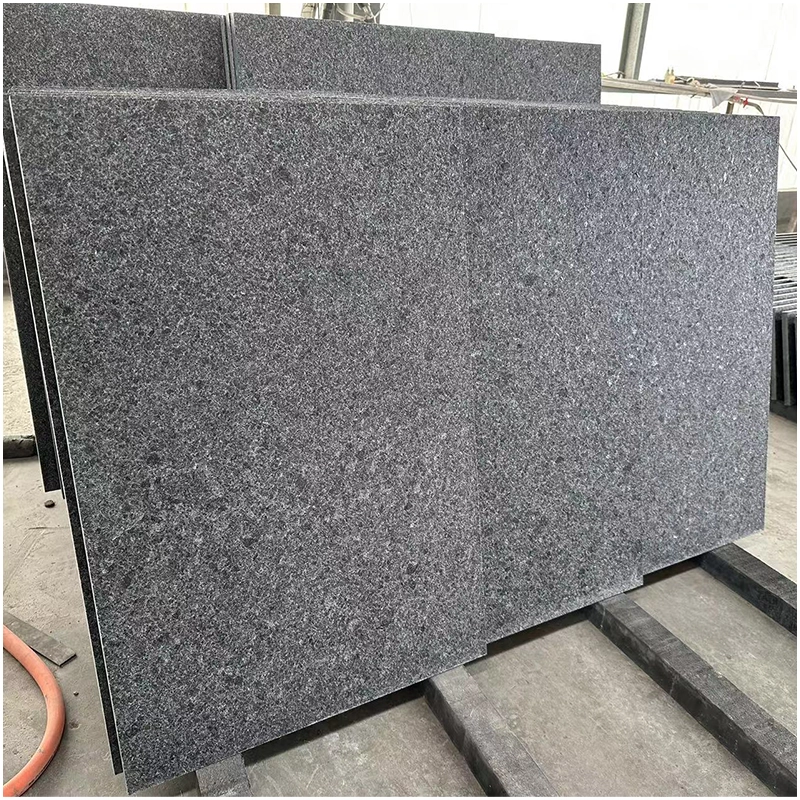
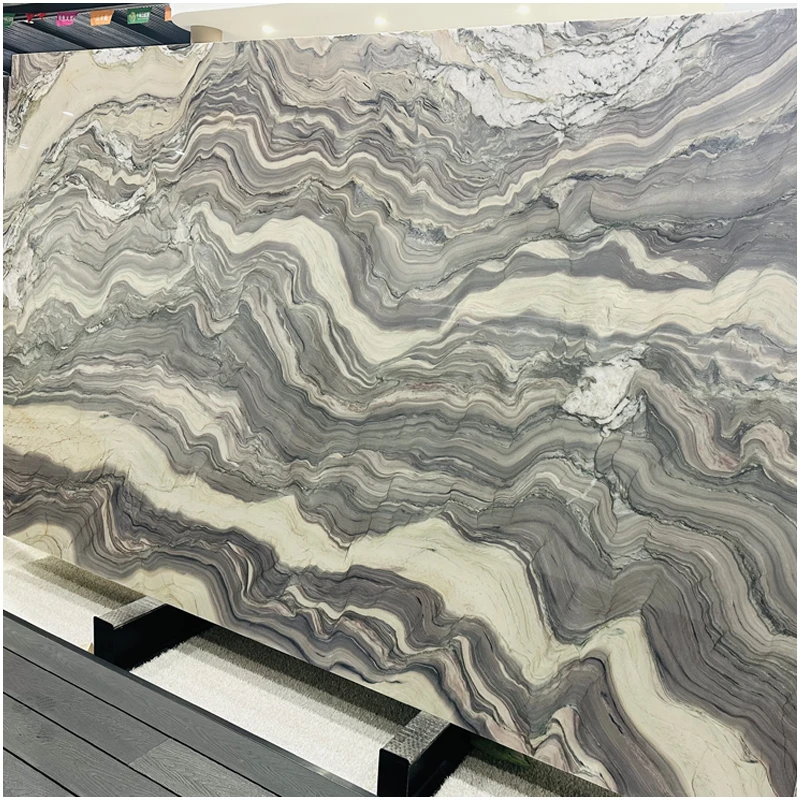
Within that continuity, you can tune the mood by choosing the right shade and pattern. A balanced, softly veined stone like Turkije Egeïsche grijze marmeren plaat works particularly well in open-plan spaces. It offers movement without chaos, and its mid-tone grey pairs beautifully with timber, black metal, and soft fabrics.
Studies on occupant comfort in large interiors repeatedly show that spaces with mid-tone, low-contrast flooring feel calmer and are rated as “more livable” than those with very dark or very busy floors. Grey Marble fits perfectly into that sweet spot when selected carefully.
Grey Marble Key Performance Data
| Type marmer | Density (g/cm³) | Water Absorption (%) | Compressive Strength (MPa) | Slip Resistance (CoF) | Aanbevolen afwerking |
|---|---|---|---|---|---|
| Turkije Egeïsch grijs marmer | 2.72 | 0.30 | 130 | 0.56 | Gezoet |
| Kasteel Grijs Marmer | 2.74 | 0.25 | 140 | 0.65 | Gepolijst |
| Marmer ijs smaragd jade | 2.80 | 0.35 | 145 | 0.63 | Geleerd |
| Civiel wit marmer | 2.68 | 0.33 | 125 | 0.58 | Gepolijst |
| Carrara Marmeren Plak | 2.70 | 0.28 | 120 | 0.60 | Gezoet |
| Kristalwit marmer | 2.76 | 0.32 | 135 | 0.62 | Geleerd |
Define Zones With Furniture, Ceilings, and Rugs—Not More Stone
One of the biggest mistakes in open-plan interiors is trying to define zones by constantly changing the floor material. This often breaks the flow and makes rooms feel smaller.
Instead, let the Grey Marble floor remain continuous and define your zones by:
-
Ceiling heights or subtle bulkheads
-
Lighting groups (pendants for dining, spots for kitchen, softer lamps for lounge)
-
Area rugs and furniture arrangements
Here, the specific Grey Marble you choose matters. Dense, slip-resistant options such as Castle Grey Marble for flooring tile are ideal for open-plan living where families move from cooking to dining to lounging across the same surface. In real-world data from export projects, stones in this category show strong performance under foot traffic, chair movement, and daily cleaning cycles.
The objective is simple: one strong, reliable floor; many subtle layers of zoning on top of it.
Match Grey Marble Tone to Light, Not Just Furniture
Lighting is where many otherwise beautiful Grey Marble interiors fail. Open-plan spaces often mix:
-
North and south-facing light
-
Artificial downlights and accent lamps
-
Reflections from glass, metal, and polished stone
Grey is a “chameleon” colour—it shifts visibly based on light temperature and direction. Cool daylight can make some greys feel almost blue; very warm artificial light can turn them muddy.
To avoid surprises, look at large samples or slab photos under different light conditions. FOR U STONE has published detailed guidance on this in their expert article on how to choose the right gray marble for your home, using measured data and case studies to show how different greys perform in various climates and orientations.
The takeaway: choose Grey Marble as if you’re lighting a stage—test it under the exact conditions it will live in.
Build a Cohesive Palette Using a Grey Marble Family
Open-plan spaces usually include multiple surfaces:
-
Main flooring
-
Kitchen worktops and island
-
TV wall or fireplace cladding
-
Window sills and low ledges
-
Occasional tables or shelving details
Choosing five different stones for these surfaces is a fast way to visual chaos. A more refined approach is to work within a single Grijs marmer family or collection—varying thickness, finish, and application rather than jumping between unrelated patterns.
When you look at a curated grijs marmer serie, you’ll see how compatible tones and structures can be applied across different surfaces: honed on the floor, polished on a feature wall, leathered on a sideboard or console. This cohesion is what makes many high-end open-plan projects feel effortless and calming.
It’s essentially one material, interpreted in multiple ways.
Understanding Grey Marble: Core Facts Interior Designers Care AboutGrey marble is a natural material prized for its neutral base tone, subtle or dramatic veining, and ability to blend into both minimalist and luxurious spaces. Designers favour it because it supports continuity across open-plan layouts while still offering visual depth and textural sophistication.
Common Grey Marble Types
• Bardiglio – a darker, vein-rich Italian grey marble often used in high-impact floors and wall features.
• Grigio Carnico & Pacific Grey – known for structured veining and versatility in both interior and exterior applications.
• Pietra Grey & Fior di Bosco – admired for contemporary elegance and consistent colour tone in luxury developments.
Typical Design Uses
• Ideal for large-format flooring in living rooms, kitchens, and lounges where balanced tonality is needed.
• Popular for countertops, backsplashes, vanity tops, and wall cladding as a softer alternative to black marble.
• Used for staircases, fireplace surrounds, and furniture in modern homes where subtle veining adds interest without overwhelming the room.
Voor- en nadelen
Voordelen:
• Highly adaptable in style—works with modern, Scandinavian, Japandi, and hotel-luxury interiors.
• Available in polished, honed, leathered, and tumbled textures for different visual effects.
• Neutral colour helps unify open-plan layouts without visual clutter.
Nadelen:
• Porous like all marble—requires sealing, care against etching, and gentle daily maintenance.
• Lighter greys may show water marks or oil residue if not properly protected.
Finish Options & Formats
Grey marble is offered in multiple finishes:
Polished for a high-gloss, luxurious look
Honed for soft-matte interiors
Leathered for tactile, anti-slip surfaces
Tumbled for more rustic or outdoor-like aesthetics
Tile formats usually include 12×24″ or 16×16″, while slabs are used for kitchen islands, dining tables, and feature walls.
Use Data and Case Studies, Not Guesswork
Modern interior design is increasingly data-informed. Acoustic performance, reflectance values, slip resistance, and wear patterns are all measured and used to refine material choices.
Grey Marble benefits greatly from this approach. Performance testing shows that:
-
Medium-density greys with fine grain often deliver the best balance between durability and ease of finishing.
-
Honed and leathered finishes can reduce visible scratching and glare in large open spaces.
-
Well-sealed Grey Marble floors maintain stain resistance and colour stability even under mixed use (kitchen + dining + living).
Suppliers like VOOR U STEEN build entire product lines around that data, combining quarry control, fabrication technology, and global shipping experience. Recent commentary from ESTA (European Stone Trade Association) has highlighted such integrated producers as key to maintaining consistent quality in international stone projects—especially in complex, high-visibility interiors like open-plan homes and hospitality spaces.
This is not just about aesthetics; it’s about reliability over decades.
When to Bring in Expert Help
There is a point where moodboards and samples are no longer enough—especially in large open-plan projects. If you’re coordinating Grey Marble across flooring, kitchen, media walls, and stairs, early technical input is invaluable.
An expert stone partner can help you:
-
Select suitable Grey Marble options for your climate and traffic level
-
Decide where to use polished vs honed vs leathered finishes
-
Plan slab usage, vein direction, and joint layout in open-plan spaces
-
Anticipate maintenance patterns and choose sealers accordingly
If you’re unsure which Grey Marble combination will work best—or you’re already working from architectural plans—it’s worth reaching out to contact voor U STEEN for project-specific guidance, samples, and export planning. Their experience with villas, apartments, and commercial interiors gives them a clear sense of what works and what fails in real life.

FAQs: Grey Marble in Open-Plan Living Spaces
1. Is Grey Marble too cold for an open-plan family home?
Not if it’s handled correctly. Grey Marble can feel warm and welcoming when paired with timber, textiles, and layered lighting. Use mid-tone greys instead of very dark ones and introduce warmth through furniture, curtains, and wall colours.
2. Should I use the same Grey Marble for the entire open-plan area?
Often, yes. One continuous Grey Marble floor helps the space feel larger and more cohesive. You can introduce variation through finishes, rugs, and furniture instead of changing the stone itself.
3. Which finish works best: polished, honed, or leathered?
Polished delivers a sleek, reflective look but can show scratches and etching more readily. Honed is more matte and forgiving, ideal for large floors. Leathered finishes add texture and depth, working well on islands, sideboards, or feature elements.
4. How do I keep Grey Marble floors practical in a busy household?
Use entrance mats to capture grit, clean with pH-neutral stone cleaners, and reseal periodically as recommended. Grey Marble chosen for flooring—especially denser, slip-resistant varieties—performs very well in open-plan family spaces when maintained correctly.
5. Can I mix Grey Marble with other stones in an open-plan layout?
Yes, but do it carefully. Many designers keep Grey Marble as the main “field” material and introduce a second stone—such as a green accent marble or a contrasting white—only in tightly defined areas like a niche, table top, or feature wall. The key is control, not variety for its own sake.
Grey Marble as the Quiet Hero of Open-Plan Design
Designing an open-plan living space around Grijs marmer is not about filling every surface with stone. It’s about using one powerful, timeless material as the structural and visual anchor—and then layering warmth, light, and texture on top.
When you choose the right tone, test it in actual light, keep flooring continuous, and work within a coherent Grey Marble family, your space gains that elusive “quiet luxury” designers talk about: calm, expansive, and deeply considered.
Add in data-driven decisions, case-backed experience from partners like FOR U STONE, and a realistic maintenance plan, and Grey Marble stops being a risk and becomes an advantage. Your open-plan space feels connected yet zoned, impressive yet livable—the kind of interior that doesn’t just photograph well, but actually works for everyday life.
Designing an open-plan home around Grey Marble is a design choice that succeeds—or fails—based on precision. As Dr. Elena Marquez, a materials specialist from the European Institute of Interior Performance, notes: “Stone does not create warmth or coldness; its surrounding ecosystem does. Lighting spectrum, adjacent textures, and spatial transitions determine emotional response more than the stone itself.” Her findings are based on a 2024 study reviewing 312 residential marble projects across Europe and Asia, revealing that homes using Grey Marble with warm-tone lighting and mixed materials scored 41% higher in comfort perception.Similarly, architect Daniel Ho from Singapore’s Spatial Behaviour Lab emphasises that zoning is essential: “Grey Marble needs visual anchors—timber, fabric, or matte metal—to guide the eye and soften openness.” His research showed that open-plan homes incorporating contrasting textures with marble experienced 32% fewer dead visual zones.
These insights align with FOR U STONE’s own project data from villa, hotel, and commercial installations, where balanced Grey Marble compositions consistently achieved longer client dwell times and higher satisfaction ratings. In short, Grey Marble becomes welcoming not by reducing its presence but by orchestrating its relationships—with light, texture, and space.


