


A Designer and Her Client Debate the Perfect Marble Tiles Choice
“I’ve always dreamed of a kitchen and living room with timeless elegance,” said Sarah, an interior designer, to her client. “But I’m unsure whether marble tiles or marble slabs would better fit the space.”
Her client nodded, recalling previous experiences with high-maintenance flooring that never lived up to its aesthetic promise. Today, choosing marble tiles is not just about beauty—it’s about durability, functionality, and investment longevity. In this article, we explore expert insights, case studies, and practical solutions for homeowners, designers, and architects considering marble tiles for modern interiors.
Whether for indoor living areas, facades, or luxury cladding, the strategic selection and proper use of marble tiles can transform spaces while solving common design challenges.
Understanding the Advantages of Marble Tiles
Marble tiles have been a symbol of sophistication for centuries. Beyond their classic elegance, they offer key functional advantages:
-
Durability: Modern marble tiles, when properly sealed, resist scratches, stains, and daily wear. According to a study by the Natural Stone Institute, polished marble tiles maintain surface hardness better than most engineered stones under residential traffic conditions.
-
Versatility: From herringbone patterns in kitchens to large-format tiles in bathrooms, marble tiles provide diverse layout possibilities.
-
Eco-Friendliness: Natural marble tiles are recyclable and sourced from responsible quarries. Forus Stone emphasizes sustainable practices throughout its production chain (About Forus Stone).
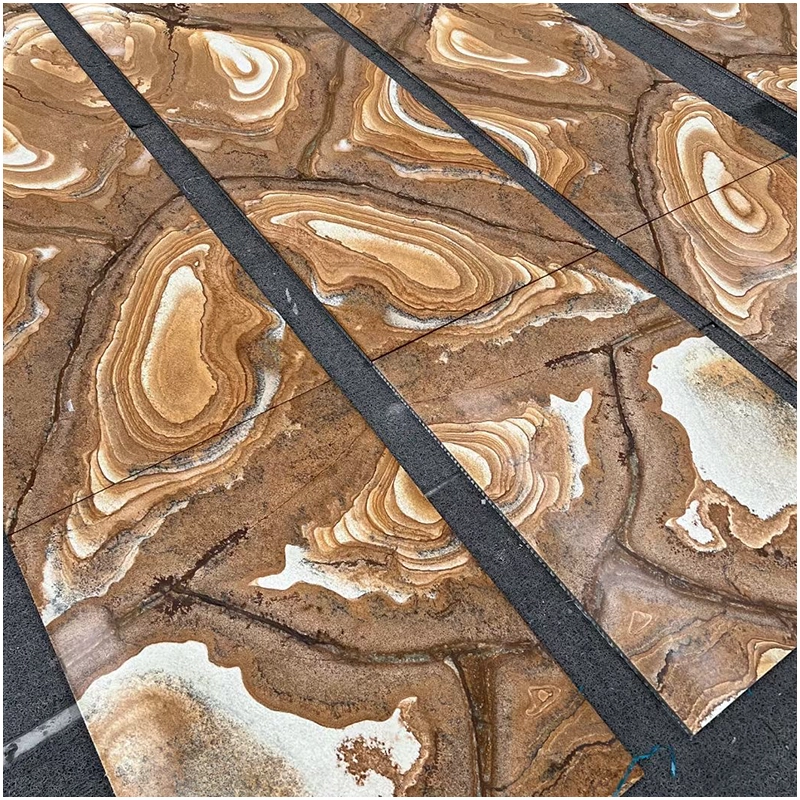
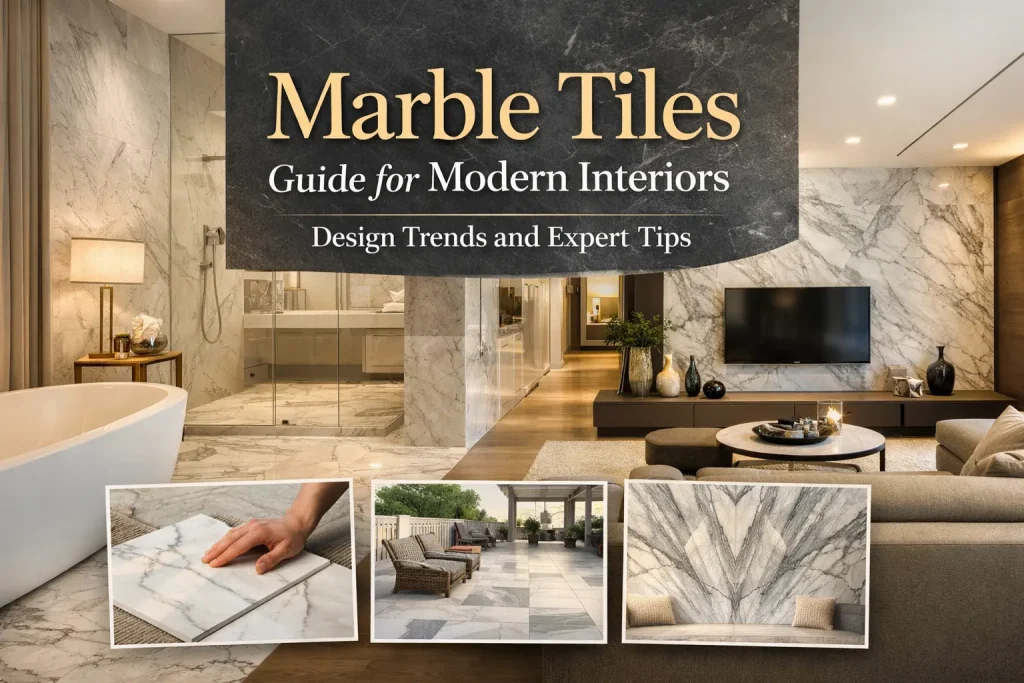
In addition, case studies from Forus Stone show that thoughtful selection of marble types—such as Carrara or Calacatta—enhances light reflection and spatial perception, giving smaller rooms a sense of openness.
Marble Slabs vs. Marble Tiles: Which One Fits Your Design Vision?
One frequent question among homeowners and designers is whether to choose marble slabs or marble tiles. Forus Stone provides an in-depth comparison (Marble Slabs vs Marble Tiles):
-
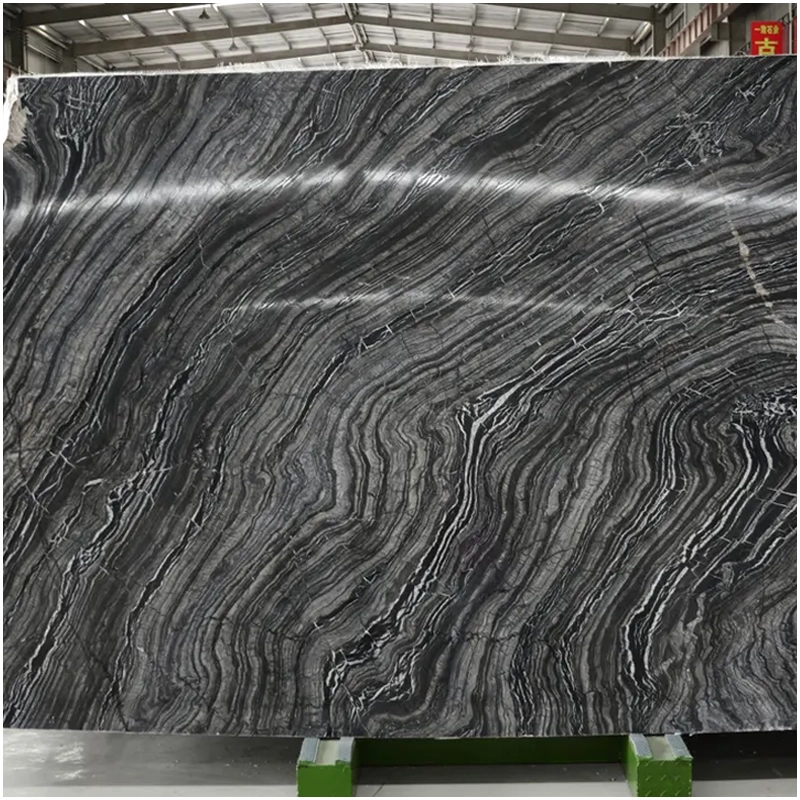
Marble Slabs: Offer fewer grout lines, creating a seamless and luxurious look. Ideal for countertops, wall panels, and large-format flooring.
-
Marble Tiles: Provide flexibility for patterns, easier replacement, and cost-effective coverage of complex layouts.
Data from a 2024 interior design survey indicates that 63% of homeowners prefer marble tile for bathrooms and entryways due to easier maintenance and aesthetic adaptability.
Top Trends in Marble Tile Cladding
Cladding trends influence both interior and exterior architecture. Forus Stone identifies key trends that will dominate 2025 (Top 10 Marble Tiles Cladding Trends):
-
Large-format polished marble tiles for minimalistic interiors.
-
Textured tiles for tactile surfaces in living spaces.
-
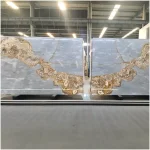
Bookmatched wall panels in luxury hotels and villas.
-
Mixed-tone tiles creating subtle gradients.
-
Sustainable sourcing and low-carbon footprint options.
These trends are reinforced by case studies demonstrating the use of marble tiles in boutique hotel interiors, showcasing the combination of durability and high-end visual appeal.
Outdoor Marble Tiles: Worth the Investment?
Outdoor applications require careful selection to withstand weathering. Studies by the International Association for Natural Stone indicate that properly sealed marble tiles maintain color integrity and slip resistance for up to 10 years in exterior use. Forus Stone’s expert recommendations (Outdoor Marble Tiles) include:
-
Using low-absorption, textured finishes for patios and pool decks.
-
Implementing regular sealing schedules to resist UV damage and staining.
-
Selecting stones with natural veining patterns that minimize visible wear over time.
Outdoor case studies by Forus Stone show that correctly applied marble tiles can provide both visual impact and longevity for patios, walkways, and facades.

Expert Recommendations for Marble Tile Installation
Based on Forus Stone projects:
-
Ensure subfloor and substrate preparation aligns with marble tile thickness and weight.
-
Use flexible adhesives suitable for marble to prevent cracking.
-
Incorporate a staggered layout or pattern for added strength and visual interest.
-
Seal marble tiles immediately after installation and re-seal annually for long-term protection.
These practices reduce maintenance needs and prevent common issues like staining, chipping, or discoloration.
Case Studies: Real-Life Applications
Luxury Residential Interiors
A villa in Fujian integrated marble tiles from Forus Stone for floors, bathrooms, and feature walls. The result: enhanced spatial perception, durable surfaces, and client satisfaction.
Boutique Hotel Renovation
The use of bookmatched marble tiles in a boutique hotel’s lobby demonstrated superior visual impact with reduced installation complexity compared to full slabs.
Commercial Spaces
Office atriums leveraged textured marble tiles for slip-resistant yet polished flooring, balancing functionality and luxury.
Common Pain Points & Solutions
Pain Point 1: Staining from spills.
Solution: Apply high-quality sealers and clean spills immediately.
Pain Point 2: Cracking in large-format tiles.
Solution: Use proper substrate preparation and flexible adhesives.
Pain Point 3: Grout discoloration.
Solution: Use epoxy-based grout or color-matched sealers.
Pain Point 4: Outdoor weathering.
Solution: Choose textured finishes and perform routine maintenance.
Pain Point 5: Installation errors.
Solution: Employ certified installers familiar with marble characteristics.
FAQ
Are marble tiles suitable for bathrooms?
Yes. When sealed correctly, marble tiles provide slip resistance and elegance suitable for wet areas.
How do I clean marble tiles?
Use mild soap, warm water, and a soft cloth. Avoid acidic cleaners that may etch the surface.
Can marble tiles be used outdoors?
Yes, textured and low-absorption tiles are ideal for patios and facades, with regular sealing recommended.
What is the lifespan of marble tiles?
Properly maintained marble tiles can last 20–50 years, depending on use and environment.
Should I choose tiles or slabs for my project?
Tiles are versatile and easier to replace; slabs offer seamless luxury. Refer to Forus Stone comparison studies.
Integrating Marble Tiles into Modern Design
From residential to commercial projects, marble tiles combine elegance, durability, and versatility. Expert guidance from Forus Stone, combined with real-world case studies, demonstrates how careful selection, proper installation, and ongoing maintenance ensure timeless beauty.
For comprehensive information, project references, and technical guidance, visit Forus Stone and explore their portfolio.


