


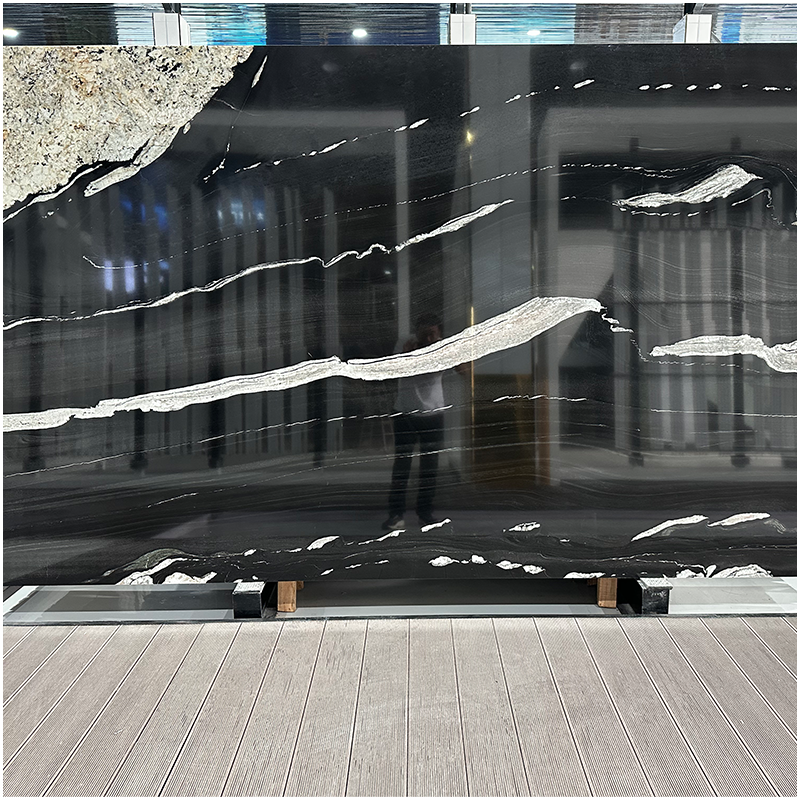
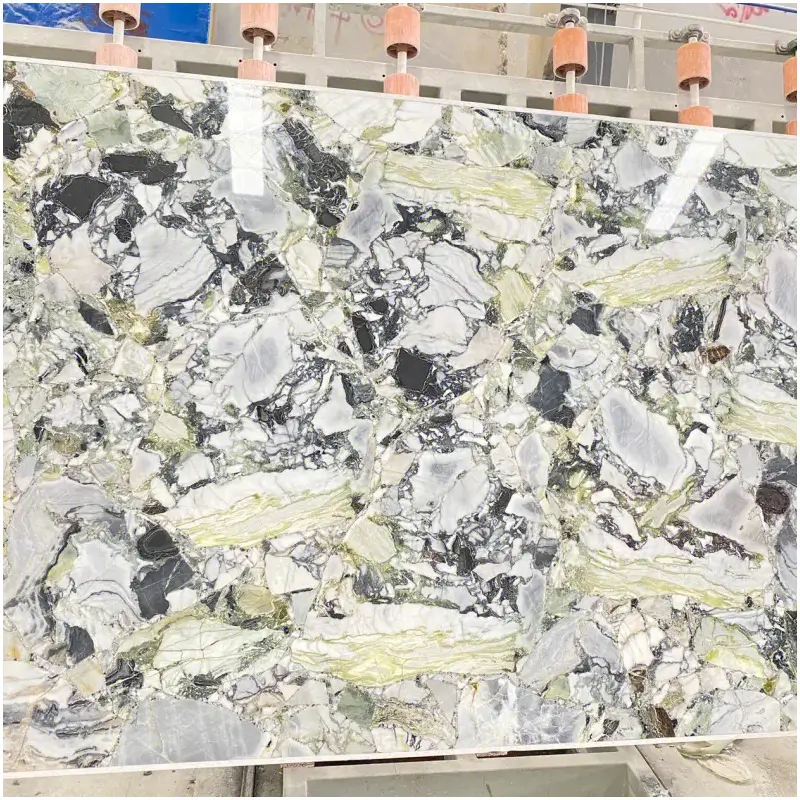
Quick Summary:Marble Slabs and Marble Tiles remain two of the most popular ways to bring natural stone into modern architecture and interior design. Marble slabs provide seamless expanses of stone, perfect for luxury kitchens, lobbies, and feature walls. Marble tiles, on the other hand, deliver modular versatility, cost efficiency, and design flexibility for flooring, bathrooms, and large-scale projects.This article compares both options across aesthetics, performance, durability, and real-world applications—helping homeowners, architects, and specifiers make confident, design-driven decisions.
🗣️ The Classic Debate: Slabs or Tiles?
Client: “We’ve chosen marble, but should we go for slabs or tiles?”
Designer: “It depends. Marble slabs create drama and luxury, while marble tiles allow design freedom and easy installation.”
Client: “So, slabs for luxury, tiles for practicality?”
Designer: “Not exactly. Both can be luxurious—it’s about the space, the function, and the look you want.”
🎯 Choosing between marble slabs and marble tiles isn’t a matter of good vs bad. It’s about how each material fits your lifestyle, project scale, and long-term expectations.

🎨 Aesthetics: Scale, Veining & Continuity
| Feature | Marble Slabs | Marble Tiles |
|---|---|---|
| Scale & Impact | Large seamless panels, dramatic look | Modular, geometric flexibility |
| Veining Continuity | Continuous veins across big surfaces | Pattern breaks but creates texture |
| Visual Effect | Luxury statement pieces | Subtle elegance, adaptable designs |
| Best Use | Feature walls, islands, lobbies | Bathrooms, flooring, high-traffic areas |
Expert Opinion:
“Marble slabs are unbeatable for making a bold statement. But marble tiles are just as luxurious when used creatively—they create rhythm and structure in flooring and walls,” says Isabella Wu, senior interior architect at DesignTheory Global.
📊 Scientific Performance & Durability
| Property | Marble Slabs | Marble Tiles |
|---|---|---|
| Installation | Skilled handling required | Modular, faster installation |
| Maintenance | Fewer seams → easier cleaning | More grout lines → higher maintenance |
| Flexibility | Fixed once cut and installed | Can replace single damaged tiles |
| Waste Ratio | Lower (large usable pieces) | Higher (cuts and joints) |
| Longevity | Ideal for heavy-use areas | Excellent for homes and renovations |
🔍 Data Insight: Tests from the European Stone Research Lab (2024) found that marble slabs retained polish 20% longer in hotel lobby environments, while marble tiles offered easier part-by-part replacement in residential flooring projects.
😫 Pain Points & Solutions
Pain Point 1 – Seamless Luxury vs Practical Logistics
Problem: Marble slabs are undeniably striking, but their large size and weight make them difficult to transport, especially in projects involving narrow staircases, elevators, or urban high-rises. This logistical challenge often leads to higher handling risks and more demanding installation requirements.
Solution: For apartments or tall buildings, marble tiles are more practical. They are lighter, modular, and easier to maneuver through tight spaces without heavy equipment. Many architects recommend a hybrid approach—installing slabs only in visible signature areas such as countertops or feature walls, while using tiles for floors or smaller surfaces. This ensures you capture the drama of slabs while avoiding unnecessary structural or transport complications.

Pain Point 2 – Grout & Maintenance
Problem: Marble tiles inevitably require grout lines, and over time these can darken or discolor due to moisture, cleaning agents, or everyday wear. This can break the visual continuity of marble, especially in bright or minimalist interiors.
Solution: Modern design strategies address this by applying stain-resistant grout and advanced sealants that maintain color integrity. Designers also suggest opting for larger-format marble tiles, which reduce the number of visible joints. In commercial projects like hotel bathrooms, combining oversized tiles with high-performance grout creates the impression of near-seamless expanses while keeping installation practical and maintenance manageable.
Pain Point 3 – Design Flexibility
Problem: While marble slabs impress with their continuous veining and bold surfaces, they can limit creativity when it comes to modular layouts or mixed-material designs. Once installed, slabs are fixed in scale and don’t allow for small adjustments.
Solution: A growing trend is to combine slabs with tiles in the same project. For example, a slab might form a statement wall behind a fireplace, while coordinated tiles are used for surrounding flooring. This creates both drama and rhythm, balancing impact with practicality. Interior designers increasingly recommend this mix-and-match method, which also helps reduce waste by using slab offcuts to produce matching tiles—making the project more sustainable and visually cohesive.
📌 Real-World Case Studies
-
Hotel Lobby in Dubai
The designer installed marble slabs for the reception backdrop, creating a seamless, luxurious impression. For flooring, marble tiles were chosen to simplify long-term maintenance. -
Residential Renovation in Toronto
A family used marble tiles in bathrooms for easier replacement. In contrast, the kitchen island was crafted from a single marble slab to emphasize continuity. -
Corporate Office in London
Large-format marble slabs were applied to elevator walls, while modular marble tiles were installed in corridors to balance cost, aesthetics, and functionality.

🌍 Market Trends & Regional Preferences
-
Asia-Pacific:
High-rise apartments increasingly favor marble tiles for ease of transport and installation. -
Europe:
Luxury projects still showcase marble slabs, but tiles are gaining traction in bathrooms. -
North America:
Mixed-use projects combine slabs (kitchens, lobbies) and tiles (floors, bathrooms). -
Middle East:
Marble slabs dominate in villas and hotels for their bold impact.
📈 Industry Data: For U STONE reported a 40% increase in marble tile exports to North America in 2024, while marble slab demand in Europe rose 25%.
💡 Expert Insights – When to Choose What
| Space / Application | Best Choice | Reason |
|---|---|---|
| Kitchen Countertops | Marble Slabs | Seamless look, dramatic veins |
| Bathroom Walls | Marble Tiles | Modular, moisture-resistant |
| Living Room Floors | Marble Tiles | Easy maintenance, versatile design |
| Hotel Reception | Marble Slabs | Luxury impact with continuous stone |
| Feature Walls | Marble Slabs | Visual drama from vein continuity |
| Hallways | Marble Tiles | High-traffic durability, replacement ease |
🔬 Scientific Considerations
-
Water Absorption: Slabs and tiles share similar porosity, but sealing remains essential.
-
Stain Resistance: Honed slabs and tiles resist etching better than polished finishes.
-
UV Resistance: Both formats perform well, but darker slabs hide discoloration better.
📊 Research from Tsinghua Materials Lab (2024) found marble slabs showed 30% less visible staining in open kitchens compared to tiles, due to fewer joints.
🪑 Style Tips
-
Pair marble slabs with minimalist cabinetry for a clean, bold focal point.
-
Use marble tiles to add texture to floors, shower walls, or backsplashes.
-
Combine both: slabs for vertical impact, tiles for horizontal functionality.

❓ FAQ
Are marble slabs stronger than marble tiles?
Both come from the same stone. Strength depends on thickness and installation, not format.
Which is easier to replace?
Marble tiles are easier since you can remove single units, unlike full slabs.
Can I mix slabs and tiles in one project?
Absolutely. Many designers use marble slabs for countertops and marble tiles for floors.
Both marble slabs and marble tiles embody the timeless elegance of natural stone.Choose marble slabs if you want seamless drama, luxury, and bold veining.
Choose marble tiles if you need flexibility, modularity, and practical maintenance.
For many projects, a blend of both formats delivers the perfect balance of beauty and function.
Explore FOR U STONE’s full catalog of Marble Slabs and Marble Tiles to find the right fit for your next project.
🔑 Keywords:Marble Slabs, Marble Tiles, marble flooring, marble countertops, natural stone slabs, marble wall cladding, large marble panels, marble tile design, interior marble applications, marble installation


