

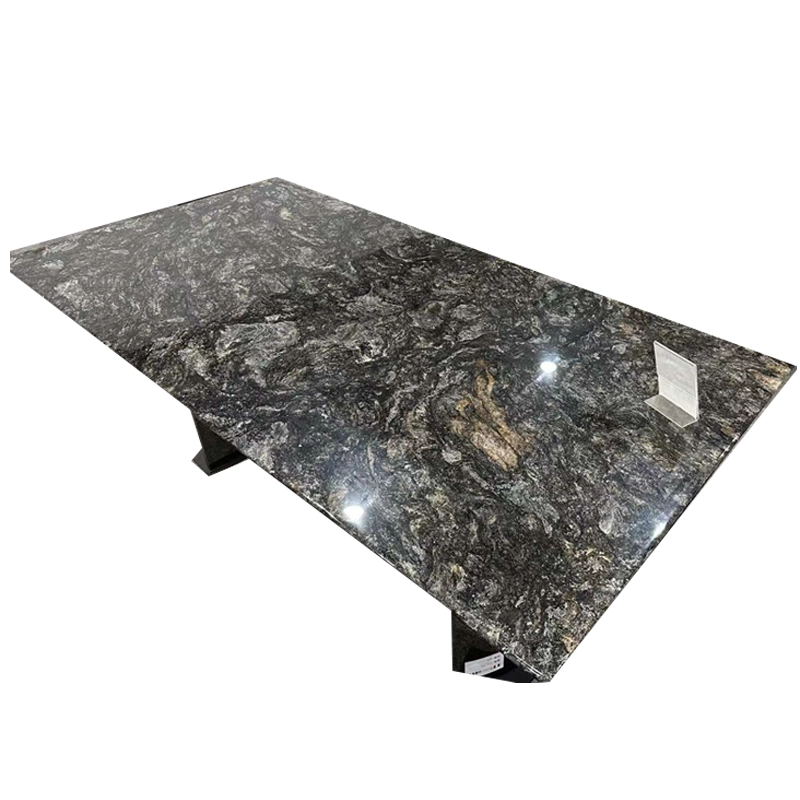


The Real Story Behind Every Countertop
Importer (USA): “We’re sourcing marble countertops for our next housing project. What’s the safest way to manage export from China?”
Exporter (China): “It’s all about transparency — from block selection to crate labeling. With proper QC and documentation, marble moves across oceans beautifully.”
Global demand for Marble Countertops has surged in the past decade — blending artistry, function, and enduring value. As American buyers seek reliable partners in Asia, understanding export logistics and quality standards has become essential.

1. What Makes Marble Countertops a Global Favorite
Few materials embody elegance and permanence quite like marble. Its natural veining, luminous surface, and geological story make every countertop a conversation piece.
Architects and homeowners in the U.S. are increasingly turning to marble for its:
-
Aesthetic versatility — from classical white to dramatic grey and gold.
-
Natural cooling properties — ideal for kitchens and vanity tops.
-
Longevity — stone that ages gracefully rather than deteriorates.
Common marble varieties exported to the U.S. include Carrara, Calacatta, Panda White, and Grey Marble — each offering a different texture and price tier.
2. Material Grades & U.S. Compliance Standards
Before shipment, every marble countertop destined for the U.S. must comply with ASTM and ANSI specifications. Buyers should check:
-
ASTM C503 – Standard Specification for Marble Dimension Stone.
-
EPA VOC Compliance – Ensures sealers and adhesives meet low-emission standards.
-
SGS/CE Certification – Confirms surface finish, thickness, and load strength.
Leading Chinese manufacturers maintain AQL-based QC procedures:
-
Block origin traceability.
-
Vein consistency and edge inspection.
-
Flatness, gloss level, and moisture control.

3. From Quarry to Container: The 5-Step Export Journey
The export process for marble countertops involves precision and timing. Here’s how it works:
| Step | Process | Description |
|---|---|---|
| 1️⃣ | Block Selection | Quarry sourcing by experienced inspectors. |
| 2️⃣ | Cutting & Polishing | CNC shaping, edge profiling, and fine polishing. |
| 3️⃣ | Inspection | Each piece checked for crack lines, tone deviation, and gloss. |
| 4️⃣ | Packaging | ISPM-15 heat-treated wooden crates with waterproof lining. |
| 5️⃣ | Export & Documentation | Customs clearance, Bill of Lading, HS code (6802.91), and insurance. |
This end-to-end system ensures that slabs arrive in the U.S. ready for fabrication or direct installation.
4. Applications in the U.S. Design Market
Marble Countertops have evolved beyond luxury homes — they now define public and commercial spaces, too.
Residential
Used for kitchen countertops, vanity tops, and fireplace surrounds. Its tactile elegance elevates modern interiors.
Commercial
Hotels and restaurants rely on marble for its durability and prestige, creating visual continuity across bar tops and reception areas.
Retail & Public Spaces
Used in boutiques, galleries, and corporate offices, where design impact is as crucial as functionality.

5. OEM Customization & Branding Options
OEM services are a core advantage for U.S. buyers sourcing from China. Suppliers offer:
-
Custom sizing and thickness (20–30mm).
-
Edge profiles (beveled, bullnose, ogee).
-
Surface treatments (polished, honed, leathered).
-
Private labeling and pallet branding.
This customization allows U.S. brands to sell unique product lines with reliable supply consistency — a crucial competitive edge in design-driven markets.
Below is a quick guide summarizing what every buyer should evaluate before confirming an order from China.Quick TipsFocus on consistent veining and calibrated thickness — these factors influence fit during U.S. installation.Request moisture-resistant sealing and ASTM C503 documentation for customs inspection.Prefer 20 mm / 30 mm slabs for balanced strength and manageable shipping weight.Confirm crating under ISPM-15 to comply with U.S. wood-packaging regulations.
Real Marble Pros & Cons
✅ Pros: unmatched elegance, natural cooling, and high resale appeal.
⚠️ Cons: requires periodic resealing and careful handling during fabrication.
Popular Types for Export
Calacatta White – bold veining, ideal for statement kitchen islands.
Panda White – modern contrast, suitable for contemporary hotels.
Grey Marble Slabs – subtle tone for minimalist U.S. interiors.
Emperador Dark – warm brown marble preferred for commercial spaces.
Alternative Finishes & Textures
Finish Type Visual Effect Recommended Use
Polished Glossy, reflective Kitchens & vanities
Honed Matte touch Minimalist interiors
Leathered Textured feel Restaurants & bars
Antique Soft patina look Traditional projects
Budgeting & Maintenance
Pricing varies with quarry origin, finish, and export port; freight is the biggest cost factor.
Apply pH-neutral cleaner and re-seal every 6–12 months to preserve the surface.
Always store slabs vertically on A-frames to avoid warping during shipping.
Sourcing Checklist
1️⃣ Obtain a material data sheet with origin and grade.
2️⃣ Request production videos before container sealing.
3️⃣ Ensure supplier provides COO + BL + Insurance docs.
4️⃣ Choose a partner experienced in how to buy marble countertops from China and U.S. customs clearance.
6. Sustainability & Green Compliance
Today’s buyers value not just beauty but responsibility. Leading factories implement:
-
Water recycling systems in polishing lines.
-
Low-VOC adhesives and sealers.
-
Crate reuse programs for export logistics.
-
Solar-assisted cutting workshops.
This ensures compliance with LEED and WELL certification projects in the United States — vital for contractors working on eco-conscious developments.
7. Buying Guidance: How to Source the Right Partner
Finding the right supplier is about aligning reliability with transparency.
Here’s how to buy marble countertops from China effectively:
1️⃣ Request material samples to check tone and finish.
2️⃣ Ask for video inspections before final crate sealing.
3️⃣ Verify production timeline and shipping schedule.
4️⃣ Confirm documentation – Commercial Invoice, Packing List, COO, and insurance.
5️⃣ Negotiate Incoterms (FOB, CIF, DDP) to match project needs.
Experienced suppliers provide full photo/video updates during fabrication and container loading — helping U.S. buyers minimize risk.
8. Expert Insights & Conclusion
“When it comes to importing marble countertops, communication and quality control matter more than price,” says Alan Brooks, U.S.-based Procurement Consultant.
“The most successful importers work with factories that understand compliance and cultural precision. From documentation to crate labeling, excellence is consistency.”
Whether you’re furnishing residential projects or sourcing for a hotel chain, China’s integrated quarry–factory–logistics network provides unmatched flexibility.
For those wondering how to buy marble countertops from China, the key is to partner with certified factories that combine craftsmanship with export expertise — ensuring every piece arrives as polished as your expectations.

9.FAQ
1. How to buy marble countertops from China safely?
Before purchasing, verify the supplier’s export experience and request SGS or CE certification. Always ask for photos or videos during cutting and crating, and confirm compliance with ISPM-15 wood packaging to pass U.S. customs inspection smoothly.
2. What are the most popular marble types exported to the USA?
American buyers often prefer Calacatta, Carrara, Panda White, Grey Marble Slabs, and Emperador Dark. Each offers different veining intensity and tones that suit modern kitchens, bathrooms, and hotel projects.
3. How are marble countertops packed for export?
High-quality Marble Countertops are packed in fumigated wooden crates, lined with foam sheets and plastic wrap for moisture control. Each crate carries detailed labeling — item code, slab number, and country of origin — to ensure safe unloading and inspection.
4. What is the lead time for marble countertop export from China to the U.S.?
Average lead time ranges between 30–45 days, depending on port location, container availability, and U.S. customs processing. Express ocean freight options are available for urgent projects but may increase cost slightly.
5. How to maintain imported marble countertops once installed?
Use pH-neutral cleaners and reapply penetrating sealer every 6–12 months. Avoid acidic substances like vinegar, lemon, or bleach. Regular maintenance keeps marble surfaces resistant to stains and preserves their original polish and color depth.
References
-
U.S. General Services Administration (GSA) – Building Stone Specifications (2024)
-
ASTM C503 – Standard Specification for Marble Dimension Stone
-
Stone World Magazine (2025) – “Exporting Natural Stone to North America”
-
Marble Institute of America – Fabrication & Care Standards
-
U.S. Customs HS Code 6802.91 – Worked Marble Classification
-
SGS Global – VOC and Hardness Testing for Marble Surfaces
-
Design Boom – “Material Transparency in Modern Construction”
-
Dezeen Architecture – “Marble Countertops and Quiet Luxury Trend”
-
U.S. EPA – Indoor Air Quality Building Material Guide (2024)
-
World Trade Atlas – “Top Stone Export Routes from China to U.S.”
According to Dr. Helen Foster, a senior consultant at the International Stone Federation, “The next decade of the marble industry belongs to companies that integrate transparency, certification, and sustainability into every export.”Experts agree that the U.S. market’s growing appetite for Marble Countertops reflects both aesthetic and environmental awareness. Chinese suppliers who invest in modern CNC fabrication, water-recycling plants, and SGS-certified packaging systems are redefining the standards of quality exports.
For architects, contractors, and importers aiming to buy marble countertops from China, due diligence is not optional—it’s a strategic advantage. Verify your supplier’s traceability, check third-party inspections, and prioritize long-term consistency over short-term pricing.
In the evolving world of global stone trade, the difference between a product and a partnership lies in trust — and For U Stone continues to stand as one of the best grey and white marble exporters committed to craftsmanship, ethics, and excellence.


