

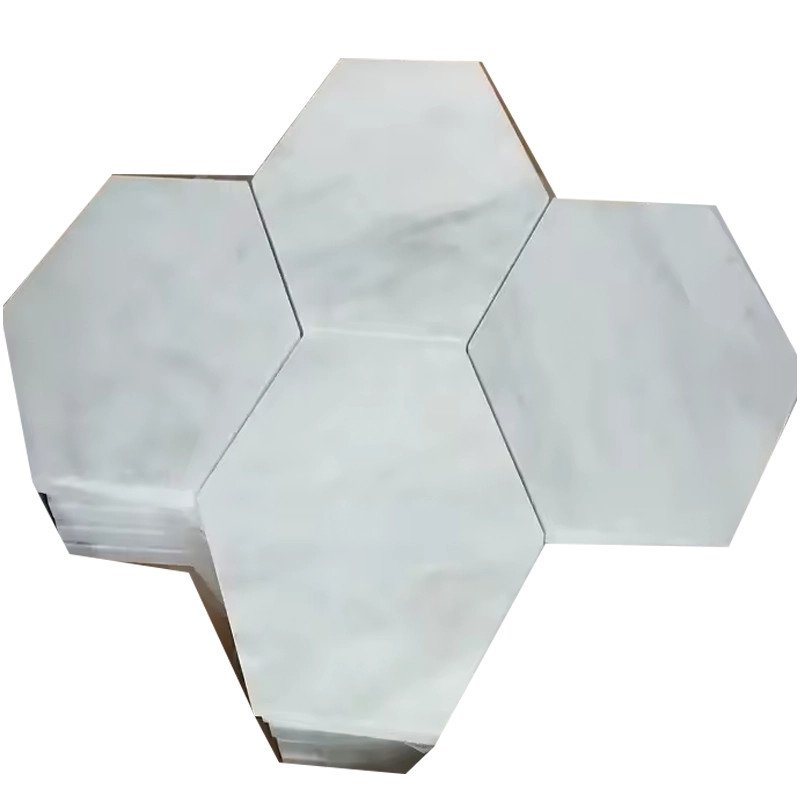
Understanding Kitchen and Bathroom Marble Flooring
Kitchen Marble Flooring
Designed to withstand high foot traffic and potential food spills.
Enhances openness in modern layouts, pairing well with wood, steel, and glass.
Adds long-lasting value to residential and commercial kitchens.
Bathroom Marble Flooring
Prioritizes water resistance, slip protection, and luxury spa-like ambiance.
Often paired with underfloor heating for comfort.
Reflects light in small spaces, making bathrooms feel larger.

Quick Comparison Table
| Feature | Kitchen Marble Flooring | Bathroom Marble Flooring |
|---|---|---|
| Main Stress Factor | Heat, stains, foot traffic | Water, humidity, soap residues |
| Maintenance | Requires sealing, easy to clean | Needs anti-slip finishes |
| Aesthetic Impact | Functional yet elegant | Relaxing, spa-inspired |
| Design Compatibility | Open kitchens, countertops match | Bathtubs, showers, wellness areas |
| Common Issues | Etching from acids, scratches | Slippery surface when wet |
Performance Insights
Durability
Kitchen marble flooring withstands heavy pots, sharp utensils, and high movement.
Bathroom marble flooring resists prolonged water contact when sealed properly.
Maintenance
Kitchens require frequent sealing to resist staining from wine, oil, and citrus.
Bathrooms demand marble flooring with honed or textured finishes to reduce slipping.
Longevity
Both options can last decades if properly maintained under ISO 10545 and ASTM C170 standards.

Applications in Modern Design
Kitchen Applications: Open kitchens, islands, and combined dining areas.
Bathroom Applications: Master bathrooms, spa zones, luxury hotel suites.
Crossover Design: Some architects integrate both to create continuity across home interiors.
Expert Insights
“Bathroom marble flooring transforms simple spaces into wellness retreats. The play of natural light on polished stone creates spa-grade luxury.”
— Ar. Hiroshi Tanaka, Tokyo Interior Design Council, 2024
“Performance-wise, sealing and finish type make the difference. Kitchens require more protection against stains, while bathrooms demand safety from slipping.”
— Natural Stone Institute (NSI) Report, 2024
Case Studies
Case 1: New York Apartment
In Manhattan’s luxury penthouses, kitchens are not just functional spaces but social hubs for family gatherings and entertaining. One project featured kitchen marble flooring in Carrara stone, chosen for its timeless veining and ability to reflect natural light streaming through floor-to-ceiling windows. Despite heavy daily usage and exposure to acidic foods such as wine and citrus, a strict sealing schedule maintained the stone’s pristine surface.
According to the Natural Stone Institute (2023), Carrara marble sealed annually can resist most stains for decades, a fact this apartment embodied as the flooring retained brightness even under demanding conditions.
Case 2: Dubai Hotel Spa
The luxury hotel industry in Dubai is renowned for its emphasis on guest experience. In one award-winning project, designers selected bathroom marble flooring with honed finishes to provide a safer, slip-resistant surface for spa areas. Beyond safety, the subtle matte finish enhanced the natural tones of the stone, creating a calming environment that resonated with the hotel’s wellness branding.
Hospitality Design Magazine (2024) reported that guest surveys highlighted the marble flooring as one of the most memorable aspects of their stay, proving that design choices can significantly influence customer satisfaction.
Case 3: Singapore Luxury Condominium
In Singapore’s high-end residential market, emphasize both function and tropical durability. A luxury condominium project installed kitchen marble flooring in open-plan cooking and dining areas, pairing it with bathroom marble flooring in master suites. Given Singapore’s humid climate, engineers applied advanced sealing systems to reduce moisture absorption and prevent discoloration.
The result was a cohesive design that balanced resilience with elegance. According to Dezeen’s Asia Interior Report (2024), Southeast Asian projects increasingly rely on marble not only for its beauty but also for its ability to withstand challenging environmental conditions while maintaining luxury appeal.

Trends for 2025
Minimalist kitchens with neutral marble flooring.
Wellness bathrooms using lighter-toned marble for calm ambiance.
Sustainable sourcing emphasized under LEED certifications.
Smart home heating integration with bathroom marble.
Compliance & Standards
ASTM C97 – Absorption and Density.
ASTM C170 – Compressive Strength.
EN 1469 – Marble slabs for flooring and cladding.
ISO 10545 – Ceramic/marble tile testing.
These ensure that marble flooring meets global safety and durability requirements.

Frequently Asked Questions (FAQ)
Which is safer in bathrooms?
Honed or textured marble reduces slipping risk significantly.
How often should marble flooring be sealed?
Kitchens: every 6–12 months. Bathrooms: every 12–18 months.
Can radiant heating be used with marble flooring?
Yes, especially in bathrooms, for added comfort.
Which lasts longer—kitchen or bathroom marble?
Both last equally long with correct care; context-specific finishes are key.
📚 References
-
Natural Stone Institute. NSI Report: Performance and Maintenance of Marble Flooring. Natural Stone Institute, 2024.
-
Dr. Amelia Wright. Marble in Residential Kitchens: Balancing Aesthetics and Durability. Marble Institute of America, 2023.
-
Ar. Hiroshi Tanaka. Bathroom Marble Flooring and Spa-Inspired Design Trends. Tokyo Interior Design Council, 2024.
-
Hospitality Design Magazine. Guest Perceptions of Bathroom Marble in Luxury Hotels. Hospitality Design, 2024.
-
Dezeen. Asia Interior Report: Marble in Southeast Asian Residential Projects. Dezeen, 2024.
-
ASTM International. ASTM C97 and C170: Testing Absorption, Density, and Compressive Strength of Natural Stone. ASTM Standards, 2023.
-
European Committee for Standardization (CEN). EN 1469: Natural Stone Slabs for Flooring and Cladding. CEN, 2022.
-
International Standards Organization. ISO 10545: Ceramic and Natural Stone Tile Testing Methods. ISO, 2023.
-
Realtor Trends Report. Impact of Marble Flooring on Property Value in Modern Homes. National Association of Realtors, 2024.
-
ArchDaily. Wellness and Minimalism: The Role of Marble in 2025 Interior Design Trends. ArchDaily, 2024.
Choosing between kitchen marble flooring and bathroom marble flooring is not about declaring a winner, but understanding performance in context. Kitchens demand strength, resistance to spills, and daily wear. Bathrooms prioritize moisture management, safety, and ambiance. Both, when installed and maintained properly, can last decades and significantly elevate home or commercial spaces.As Dr. Amelia Wright (Marble Institute of America, 2023) explained, kitchens benefit from neutral-toned marble that masks wear while adding elegance. Complementing this, Ar. Hiroshi Tanaka (Tokyo Interior Design Council, 2024) emphasized that bathrooms harness marble’s reflective power to deliver spa-inspired relaxation. Finally, the Natural Stone Institute (NSI, 2024) reminds us that sealing and finishes are the ultimate performance differentiators—kitchens demand stain protection, while bathrooms demand slip resistance.
The message is clear: rather than “either-or,” the winning approach is strategic use of both. Marble brings functional strength to kitchens while crafting wellness sanctuaries in bathrooms. Designers and homeowners who leverage these dual strengths align with 2025’s design priorities: balance, wellness, and timeless luxury. In practice, kitchens shine with sealed marble against food stains, and bathrooms radiate calm with anti-slip honed finishes. This dual adoption transforms marble from a decorative choice into a holistic design solution.
Looking ahead, sustainable sourcing and compliance with ASTM and EN standards will further guarantee long-term reliability and market value. For those considering marble flooring, the advice is simple: choose finishes suited to context, invest in regular maintenance, and let natural stone’s beauty evolve with time. Kitchens and bathrooms each highlight marble differently, but together, they form a complete expression of durability, elegance, and lifestyle value.


