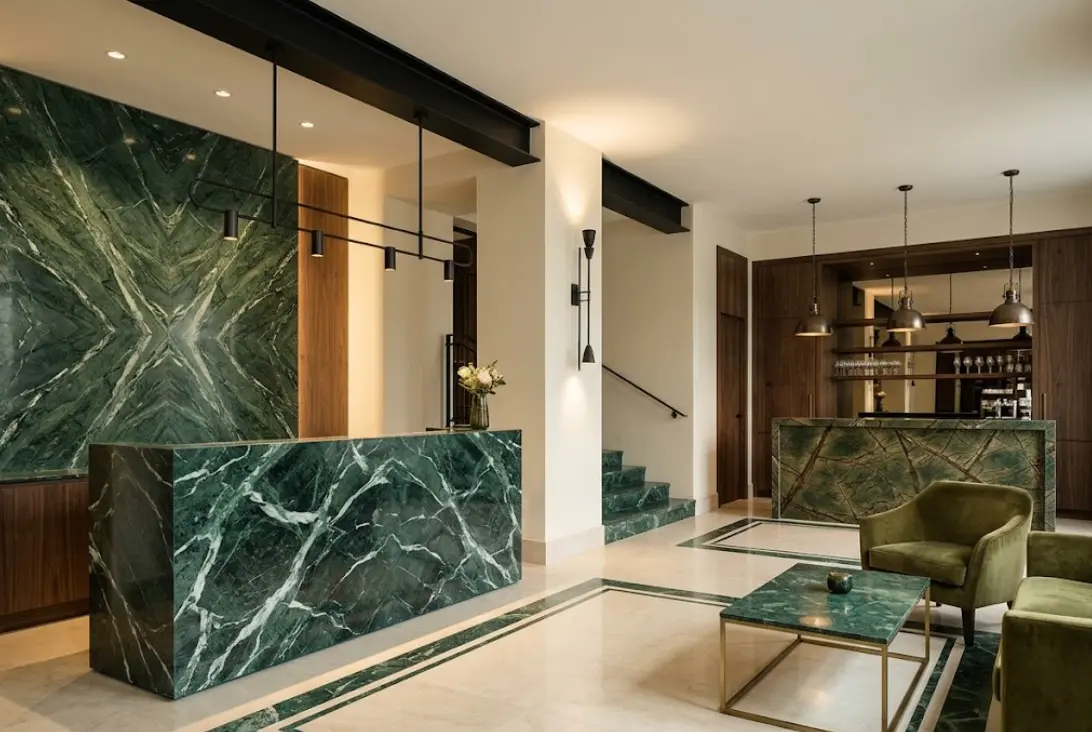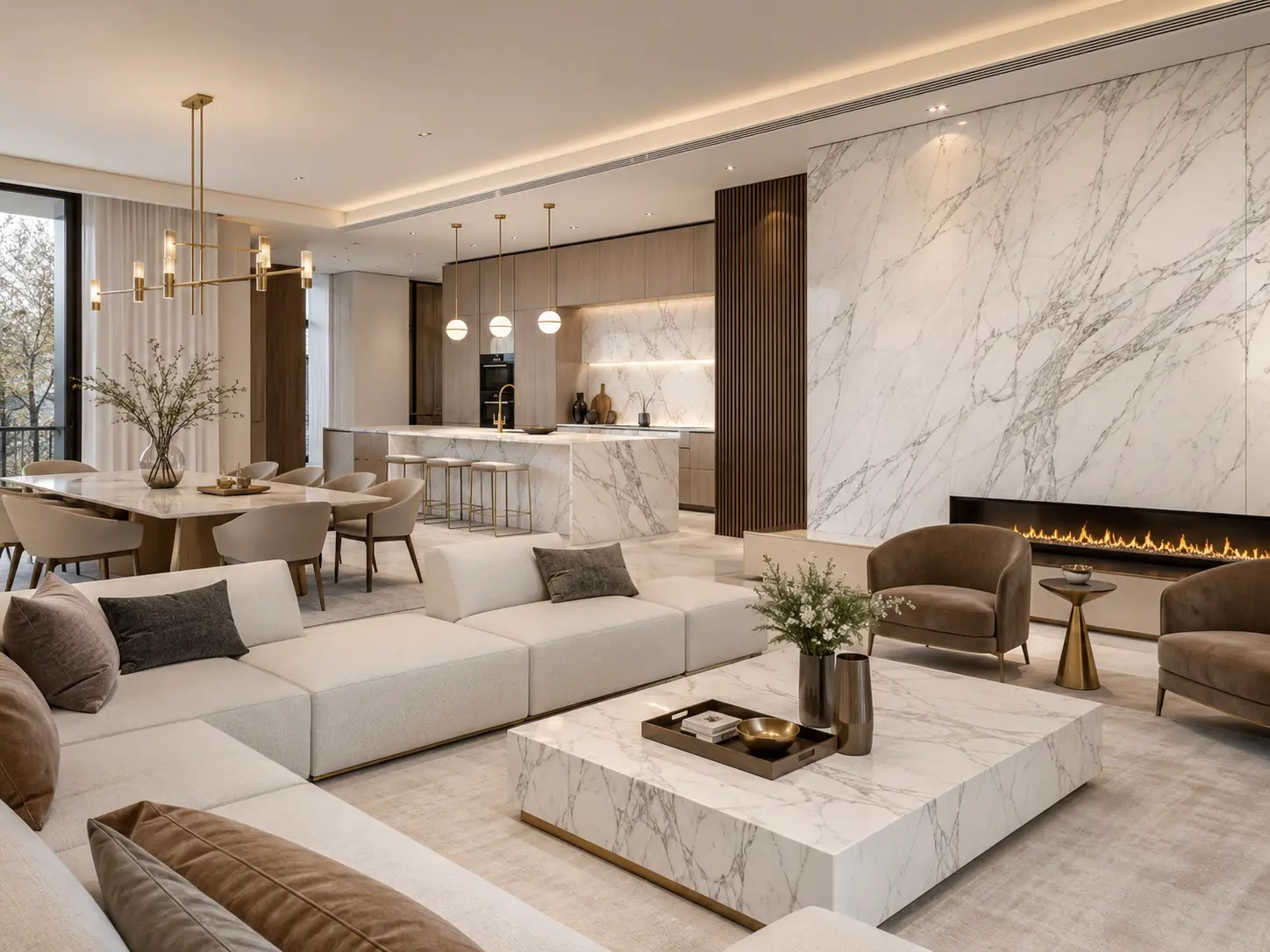
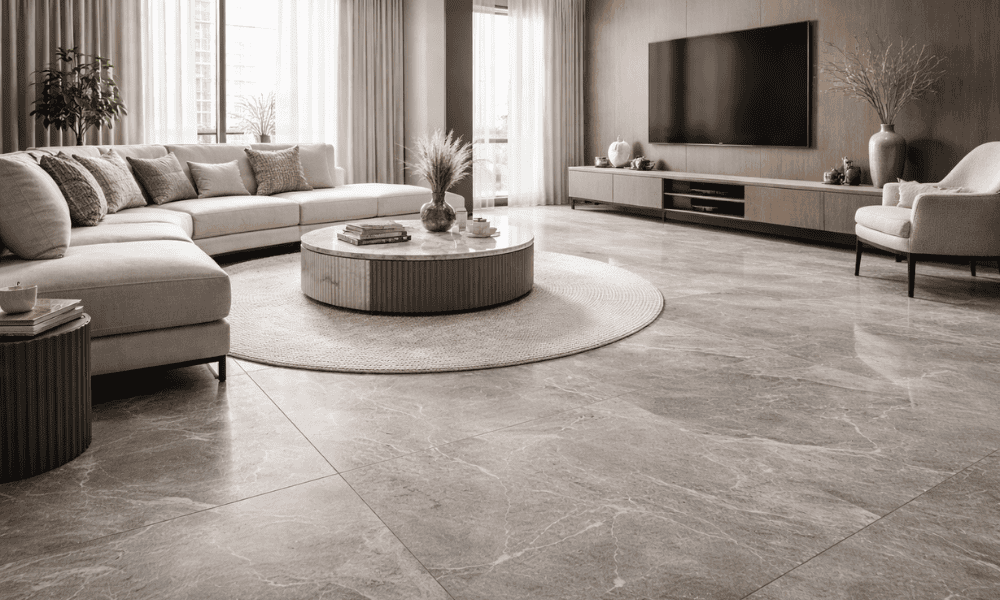
Quick Design Snapshot for Marble Color Selection
Marble Color Is a Design Decision and a Buying Decision
During home decoration, many owners choose marble because it brings natural texture, visual depth, and a strong sense of permanence. Flooring, kitchen countertops, bathroom walls, living room feature panels, staircases, and fireplace surrounds can all use marble, but the final result depends heavily on Marble Color. A white marble kitchen feels bright and clean. A beige marble living room feels warm and relaxed. A black marble bathroom can look dramatic and high-end. The same material can create completely different moods.
However, marble color should never be selected only by appearance. The better question is: which color works with your lighting, room size, furniture, cleaning habits, and long-term design plan? Buyers reviewing lastre di marmo should compare full slab photos, veining direction, finish options, thickness, and application area before making a decision. A small sample can show color, but it cannot fully show movement, contrast, and how the stone will behave across a larger surface.
This guide explains how to use marble color in kitchens, living rooms, bathrooms, and broader home design. It also covers practical risks such as staining, etching, slipperiness, dark-surface maintenance, color mismatch, and project sourcing mistakes.
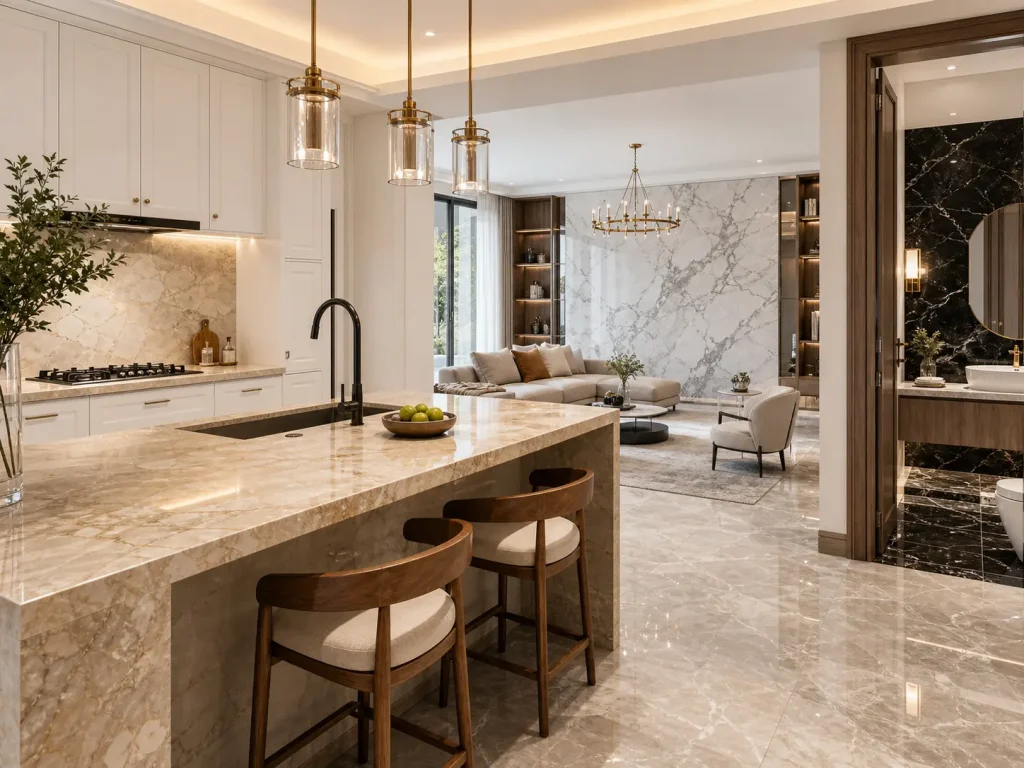
Understanding What Marble Color Does in a Room
Marble color controls the emotional temperature of a space. Light colors expand the room visually. Warm beige and cream colors soften the mood. Grey marble adds structure and modernity. Black marble creates contrast and drama. Green, red, pink, and brown marble add personality, but they need more careful matching.
For homeowners, the color decision affects daily comfort. For designers, it affects the entire palette. For builders and project buyers, it affects procurement consistency, installation layout, and customer satisfaction. Working with an experienced fornitore di pietra naturale helps reduce mistakes because slab selection, color range, export packing, and project matching are all part of the final result.
| Colore del marmo | Stato d'animo visivo | Best Room | Maintenance Visibility | Buyer Recommendation |
|---|---|---|---|---|
| Marmo bianco | Bright, clean, timeless | Kitchen, bathroom, small spaces | Stains and etching show easily | Use with sealing and gentle cleaning |
| Marmo beige | Warm, comfortable, soft | Living room, floors, walls | Moderate visibility | Best for family-friendly interiors |
| Marmo grigio | Modern, calm, architectural | Bathrooms, walls, backsplashes | Water marks may show | Pair with warm lighting or wood |
| Marmo nero | Dramatic, premium, bold | Feature walls, bathrooms, bars | Dust and scratches show more | Use in controlled statement areas |
| Marmo verde | Natural, rich, artistic | Powder rooms, vanities, accent walls | Depends on finish and veining | Use as a focal point, not everywhere |
What Color Is Good for a Kitchen Stove or Countertop?
Kitchen marble color must balance beauty and use. A kitchen countertop faces water, oil, food, heat, knives, lemon juice, vinegar, wine, coffee, and daily cleaning. Marble is naturally elegant, but it is also acid-sensitive. That means color and finish should be chosen with real cooking behavior in mind.
White kitchens are very common because they feel clean and spacious. If the whole kitchen uses white cabinets, especially U-shaped white cabinets, a warm-toned marble cooktop or countertop can add softness. Cream, beige, or white marble with warm veins prevents the kitchen from feeling cold. The natural spotted or veined texture of marble also adds decoration without needing complicated wall treatment.
Before choosing a kitchen slab, buyers should define the application, quantity, finish, edge profile, and risk level. If you need help matching material to a kitchen, bathroom, or residential project, sending drawings and requirements through a marble project consultation can make the recommendation more accurate. A kitchen is not the place for blind guessing; oil and lemon juice have no respect for beautiful intentions.
White Marble in the Kitchen
White marble works well when the kitchen needs brightness, visual expansion, and a timeless look. It pairs beautifully with white cabinets, light wood, brass handles, matte black fixtures, and stainless-steel appliances. For smaller kitchens, white marble can make the space feel larger because it reflects more light.
The risk is maintenance. Pure white polished marble shows staining, etching, and yellowing more easily than beige or grey tones. If the kitchen is heavily used, buyers should consider honed finishes, proper sealing, cutting boards, trays, and quick spill cleaning.
Black Marble in the Kitchen
Black marble countertops are bright, shiny, and visually powerful when polished. Natural white veins on black stone can connect different cabinet colors and create a strong design line. In a kitchen with both light and dark cabinets, black marble can work like a visual tie that brings the composition together.
The risk is daily visibility. Dust, fingerprints, water marks, fine scratches, and acidic etching may appear clearly on black polished surfaces. Black marble is better for homeowners who want drama and accept maintenance, or for areas such as islands, bar counters, and display kitchens.
How to Choose Marble Color for the Living Room
The living room usually needs comfort, atmosphere, and long-term visual stability. Unlike a kitchen, it is not always exposed to acidic food or heavy water use, so buyers can use marble more freely for floors, TV walls, fireplace surrounds, coffee tables, or staircase backgrounds.
Beige marble is one of the most reliable living room choices because it makes the room feel warm instead of cold. Coffee, cream, taupe, and warm beige tones are especially suitable for comfortable homes. If the goal is a calm family living area, beige marble is often easier to live with than pure white or deep black.
Buyers comparing different shades can review organized colori del marmo to understand how white, beige, grey, black, green, and other stone families change the atmosphere of a room. For project orders, this also helps clarify whether the design needs a stable neutral background or a dramatic feature stone.
Beige Marble for Warm Living Rooms
Beige marble works well with oak, walnut, cream paint, warm lighting, leather furniture, linen curtains, and bronze or brass metal finishes. It hides dust and small marks better than pure white marble. For large living room floors, beige marble creates continuity without making the space feel overly formal.
White and Grey Marble for Balanced Interiors
White and grey marble are common because they fit many furniture styles. White marble adds brightness. Grey marble adds structure. A white-and-grey marble feature wall can look elegant without becoming too heavy. For modern apartments, grey marble works especially well with black window frames, neutral sofas, and stainless or chrome finishes.
Black Marble for Contrast and Geometry
Black marble is not only for dark luxury interiors. It can also be used for contrast, lines, and geometric shapes. A black marble fireplace, TV wall border, or side table can sharpen the whole space. The key is moderation. If black marble covers too much surface in a small living room, the room may feel visually heavy.

What Marble Color Is Good for the Bathroom?
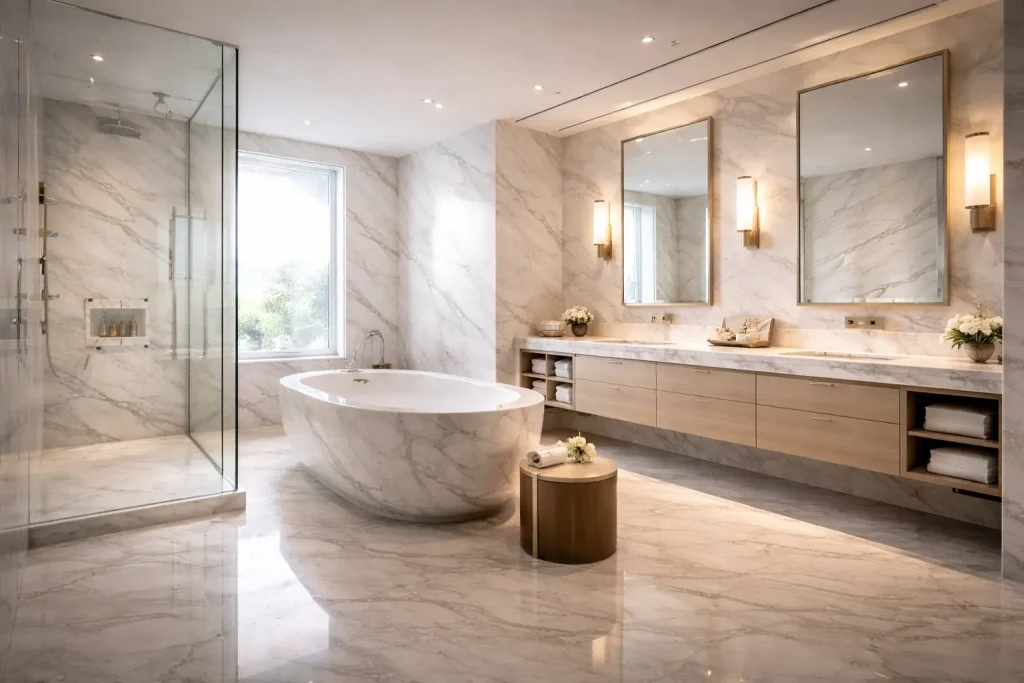
Bathrooms can use more expressive marble colors because the space is often smaller and more controlled. White marble creates a spa-like feeling. Beige marble feels warm and soft. Grey marble feels modern and clean. Black snake-pattern or black-and-white marble can create a luxury hotel mood, especially in larger bathrooms.
However, bathroom marble must be selected with water marks, slip resistance, sealing, ventilation, and cleaning habits in mind. A dark marble wall may look amazing, but dark polished floors can show water spots. A honed finish may feel softer, but it may need more stain protection. Buyers can use guides on the best marble colors for different projects to match each shade with the right application instead of using one color everywhere.
White Marble Bathrooms
White marble bathrooms feel clean, bright, and high-end. They are ideal for small bathrooms because they reflect light and visually expand the room. White marble works well for shower walls, vanity tops, niches, and floor accents. For heavy-use family bathrooms, choose a finish and sealant carefully because water, soap, and cosmetics may leave visible marks.
Beige and Cream Marble Bathrooms
Beige marble is a safer choice for homeowners who want warmth and easier visual maintenance. It pairs well with warm lighting, wood vanities, brushed brass fixtures, and cream walls. Beige marble also reduces the cold feeling that sometimes appears in all-white bathrooms.
Black Marble Bathrooms
Black-based snake-like marble is popular because its natural pattern creates strong decoration. Although it is dark, it does not always feel depressing if the bathroom has enough space, lighting, mirrors, and warm metal details. Black marble is especially suitable for large bathrooms, powder rooms, vanity walls, and hotel-style shower areas.
White Marble Color: Timeless, Bright, but Not Always Low-Maintenance
White marble remains one of the most requested choices because it looks timeless and refined. It works in kitchens, bathrooms, fireplace surrounds, hotel bathrooms, and small apartments. It also pairs well with many cabinet colors: white, grey, navy, black, oak, and walnut.
The biggest mistake is assuming all white marble looks the same. Calacatta, Carrara, Volakas, Statuario, and other white marble types have different background tones, vein thickness, vein color, and price levels. For long-term interiors, buyers should consider timeless marble colors rather than chasing a short-lived trend that may look outdated in a few years.
| White Marble Factor | Low-Risk Choice | Higher-Risk Choice | Buyer Action |
|---|---|---|---|
| Small kitchen | Soft white with light grey veins | Very busy dramatic veins | Use full slab image before approval |
| Heavy-use countertop | Honed or sealed marble | Pure white polished surface | Confirm cleaning and sealing plan |
| Luxury bathroom | Calm white wall slabs | Too many mixed vein patterns | Control bookmatch and layout |
| Resale-friendly design | White or warm white marble | Strong niche colors everywhere | Keep statement stone in focal areas |
Beige Marble Color: The Warm and Practical Choice
Beige marble is one of the best choices for homeowners who want warmth, comfort, and long-term flexibility. It is less cold than white and less dramatic than black. In living rooms, beige marble creates a soft base for furniture. In bathrooms, it feels calm. In kitchens, it adds warmth to white or wood cabinets.
Beige marble is also practical because it hides dust, small water marks, and daily-use traces better than pure white or black marble. That does not mean it is maintenance-free, but it is more forgiving visually. For villas, estate interiors, hotel lobbies, and family homes, beige marble often offers the best balance between luxury and livability.
Global buyers should also watch design trends, policy shifts, quarry supply, and import requirements when sourcing stone. Articles on marble color trends can help project buyers understand why material choice is influenced by more than style alone. Availability, documentation, transport, and compliance can affect the final project decision.
Comparing Popular Marble Colors by Home Application
There is no single best Marble Color for every home. The best choice depends on the application. A kitchen countertop needs resistance planning. A living room floor needs visual continuity. A bathroom wall needs moisture-aware detailing. A feature wall can handle stronger color and veining because it is mainly decorative.
| La camera | I migliori colori di marmo | Finitura consigliata | Main Risk | Recommendation |
|---|---|---|---|---|
| Piano di lavoro della cucina | White, beige, light grey | Lucidato o levigato | Acid etching and staining | Seal properly and clean spills quickly |
| Living room floor | Beige, cream, grey | Polished, honed, brushed | Slip and large-area color mismatch | Use full batch approval |
| Parete del bagno | White, beige, grey, black | Lucidato o levigato | Water marks and soap residue | Use ventilation and neutral cleaner |
| Feature wall | Black, green, dramatic white, beige | Polished or bookmatched | Overly busy design | Use one focal area only |
| Scala | Beige, grey, brown | Honed or anti-slip treatment | Resistenza allo scivolamento | Confirm finish and edge details |
For large homes and estate interiors, beige stone deserves special attention because it creates warmth while staying elegant. Buyers comparing beige marble colors can use tone, veining density, slab size, and finish as selection criteria rather than choosing only by a product name.

Calacatta, Carrara, and Other White Marble Choices
White marble is not one category. Carrara marble usually has a softer grey background and finer veining. Calacatta marble often has a whiter background with bolder, more dramatic veins. Statuario marble is known for a clean background and elegant vein movement. Volakas marble often carries soft grey or beige movement and can feel warmer depending on the slab.
For kitchens and bathrooms, the choice between calm and dramatic white marble matters. A small kitchen may look better with softer veins. A large island can handle bolder Calacatta-style movement. A luxury bathroom may use bookmatched white marble walls for a stronger visual statement.
When deciding between iconic white stone families, guides on Calacatta vs Carrara white marble can help buyers compare background color, vein movement, design effect, and project suitability. This is especially useful when a buyer wants white marble but is not sure whether the space needs quiet elegance or dramatic contrast.
Black Marble Color: Bold, Luxurious, and Demanding
Black marble is one of the most powerful colors in interior design. It can make a bathroom feel like a boutique hotel, turn a fireplace into a focal point, and add architectural strength to a living room. It pairs well with brass, gold, walnut, cream walls, warm lighting, and geometric patterns.
Still, black marble requires confidence and maintenance awareness. Dark polished stone shows dust, fingerprints, scratches, and water marks more easily. In kitchens, black marble should be used carefully if the owner cooks heavily. In bathrooms, it works best when lighting and ventilation are strong. For detailed design direction, buyers can study black marble home design before applying it to large surfaces.

Technical Factors: Color Is Beautiful, but Performance Approves the Choice
Natural marble is mainly composed of recrystallized carbonate minerals, usually calcite or dolomite. This gives marble its elegant crystalline appearance, but also makes it softer and more acid-sensitive than many other countertop materials. Marble is often around Mohs hardness 3 to 5 depending on composition, while granite is usually harder. That is why marble can scratch or etch more easily in demanding kitchen use.
Water absorption, porosity, surface finish, sealing, and cleaning method also affect performance. Polished marble reflects more light and looks luxurious, but etching can be more visible. Honed marble feels softer and more modern, but it may absorb stains more easily if not protected. Brushed or leathered finishes add texture and may hide some marks, but they need correct cleaning.
| Fattore di Prestazione | Perché è importante | Higher-Risk Color or Finish | Lower-Risk Choice | Buyer Action |
|---|---|---|---|---|
| Acid sensitivity | Lemon, vinegar, wine, and acidic cleaners can dull marble | Polished white or black countertops | Honed or sealed surfaces with careful use | Use neutral cleaner and wipe spills quickly |
| Visibilità delle macchie | Oil, coffee, cosmetics, and pigments may leave marks | Pure white marble | Beige, grey, or patterned marble | Confirm sealing recommendation |
| Scratch visibility | Fine scratches affect polished surfaces | Black polished marble | Honed beige or grey marble | Use pads, trays, and cutting boards |
| Water marks | Bathrooms and kitchens expose marble to repeated moisture | Dark polished bathroom surfaces | Light beige or grey honed finishes | Improve ventilation and dry surfaces |
| Resistenza allo scivolamento | Floors and bathrooms need safe walking surfaces | High-gloss polished floors | Honed, brushed, or treated finishes | Confirm project safety requirements |
How to Match Marble Color with Cabinets, Walls, Floors, and Metal
Good marble design is not isolated. The stone must work with cabinets, wall paint, flooring, lighting, hardware, furniture, and even curtain fabric. If the marble has warm beige veins, it usually pairs better with warm wood, cream walls, and brass. If the marble has cool grey veins, it pairs better with white, grey, black, chrome, or brushed nickel.
| Colore del marmo | Best Cabinet Pairing | Wall Color | Metal Finish | Stile di design |
|---|---|---|---|---|
| Bianco con venature grigie | White, grey, black, oak | Soft white or pale grey | Chrome, nickel, matte black | Modern, classic, transitional |
| Warm white with beige veins | Oak, walnut, cream | Cream, warm grey, taupe | Brass, bronze, champagne | Warm contemporary |
| Marmo beige | Wood, cream, mushroom, taupe | Ivory, beige, clay, warm white | Brass, bronze, black | Comfort luxury, villa style |
| Marmo grigio | Black, white, walnut, charcoal | Soft grey, white, greige | Chrome, black, brushed nickel | Modern architectural |
| Marmo nero | Walnut, cream, black, dark green | Cream, ivory, warm grey | Brass, gold, black | Luxury, Art Deco, boutique |
Common Mistakes When Choosing Marble Color
Choosing Only from a Small Sample
A small sample cannot show full veining movement. A slab may look calm in a sample and very dramatic after installation. Always request full slab photos or inspect the slab set before cutting.
Ignoring Room Lighting
The same marble color can look warm, cold, yellow, grey, or darker depending on natural and artificial light. View samples in the actual room if possible.
Using Dark Polished Marble in High-Maintenance Areas
Black polished marble can be stunning, but it shows dust, water marks, and fine scratches more clearly. Use it where the design impact is worth the maintenance.
Putting Strong Veining Everywhere
Dramatic marble is powerful, but too much movement can make a home feel visually noisy. Use strong veining on feature walls, islands, fireplaces, or vanity walls, then balance it with calmer surfaces.
Ignoring Cleaning and Sealing
Marble needs neutral cleaning products and proper care. Acidic cleaners, harsh chemicals, and poor sealing can damage the surface. The most beautiful marble color still needs the right maintenance plan.
Buyer Decision Logic: If This, Choose That
If your kitchen is small, choose white, cream, or light grey marble to brighten the space. If your kitchen uses white cabinets, choose warm-veined white or beige marble to prevent a cold look. If you want a dramatic kitchen island, choose bold-veined white or black marble, but keep surrounding surfaces calmer.
If your living room should feel warm and comfortable, choose beige, cream, or light brown marble. If your living room needs a modern architectural look, choose grey marble with controlled veining. If the design needs a luxury focal point, use black, green, or dramatic bookmatched marble on one main wall.
If your bathroom is small, choose white, beige, or light grey marble. If the bathroom is large and well-lit, black snake-pattern marble or strong-veined marble can create a high-end hotel effect. If you want easier visual maintenance, avoid pure black polished floors and use wall applications instead.
FAQ About Marble Color for Home Design
1. What marble color is best for a modern home?
The best marble color for a modern home is usually white, light grey, beige, or black, depending on the design goal. White marble creates a bright and timeless look, grey marble adds architectural calm, beige marble brings warmth, and black marble creates strong contrast. For most modern homes, light marble with controlled veining is safer for long-term use, while black or green marble works better as a focal point.
2. Which marble color is easiest to maintain visually?
Beige, cream, warm grey, and softly patterned marble colors are usually easier to maintain visually because they hide dust, minor water marks, and daily-use traces better than pure white or black polished marble. This does not mean they require no care. Marble still needs neutral cleaning, sealing when appropriate, and quick spill management, especially in kitchens and bathrooms.
3. Is white marble good for kitchen countertops?
White marble can be beautiful for kitchen countertops because it makes the kitchen feel brighter, cleaner, and more spacious. However, it is not the lowest-maintenance choice. White marble can show stains, etching, and scratches more easily, especially when exposed to lemon juice, vinegar, wine, coffee, and acidic cleaners. It is best for homeowners who accept natural patina or are willing to use proper sealing and daily care.
4. How do I match marble color with cabinets and wall paint?
Match marble color by checking undertones. Warm marble with beige, cream, brown, or gold veins works well with wood cabinets, cream walls, brass, and bronze finishes. Cool marble with white, grey, or blue-grey tones works better with white cabinets, grey walls, chrome, nickel, or matte black fixtures. Always compare the marble sample with cabinet doors and wall paint under real room lighting before final approval.
5. What marble color is best for small bathrooms?
White, cream, beige, and light grey marble are usually the best colors for small bathrooms because they reflect light and make the space feel larger. Strong black or dark green marble can still work, but it is better used on one vanity wall, niche, or accent area rather than every surface. For small bathrooms, color balance, lighting, mirror placement, and slip-resistant floor finish are more important than choosing the most dramatic slab.
Riferimenti
- “Dimension Stone Design Manual” — Natural Stone Institute Technical Committee — Natural Stone Institute — Stone Design and Installation Reference
- “Care and Cleaning of Natural Stone Surfaces” — Natural Stone Institute Consumer Education Team — Natural Stone Institute — Stone Care Guidance
- “Standard Specification for Marble Dimension Stone” — ASTM Committee C18 — ASTM International — Natural Stone Material Standard
- “Standard Test Method for Static Coefficient of Friction of Ceramic Tile and Other Like Surfaces” — ASTM Committee C21 — ASTM International — Surface Safety Reference
- “Interior Design Trends and Homeowner Preferences Report” — Houzz Research Team — Houzz — Residential Design Research
- “REACH Guidance on Substances in Articles” — European Chemicals Agency — ECHA — Product Compliance Guidance
- “Natural Stone Sustainability Standard Guidance” — Natural Stone Council Technical Contributors — Natural Stone Council — Sustainable Stone Reference
- “Color, Light, and Material Perception in Interior Design” — Design Research Contributors — Illuminating Engineering Society — Lighting and Material Reference
Ready Marble Color Selection Block for Home Design
Decision Logic:
- Small room → choose white, cream, or light grey marble.
- Warm family home → choose beige, cream, taupe, or warm-veined white marble.
- Luxury focal point → choose black, green, or bookmatched dramatic marble.
- Busy kitchen → avoid relying only on pure white polished marble unless care is planned.
- Large project order → request full slab photos, batch control, finish samples, and layout approval.
Errori comuni: Do not choose only from a small sample, ignore room lighting, use dark polished marble in high-maintenance zones, cover every surface with strong veining, or forget sealing and neutral cleaning requirements.
Practical recommendation: Let marble color guide the design mood, but let function approve the final choice. Before buying, compare full slab photos, test the color under real lighting, confirm finish and thickness, understand maintenance needs, and prepare room drawings if the project requires cutting, bookmatching, or batch consistency.