


Ketika "Kemewahan Hotel" Terasa Mudah - dan Mengapa Rumah Anda Juga Harus Begitu
"Mengapa kamar mandi hotel kami terasa lebih santai daripada kamar mandi yang kami gunakan di rumah?"
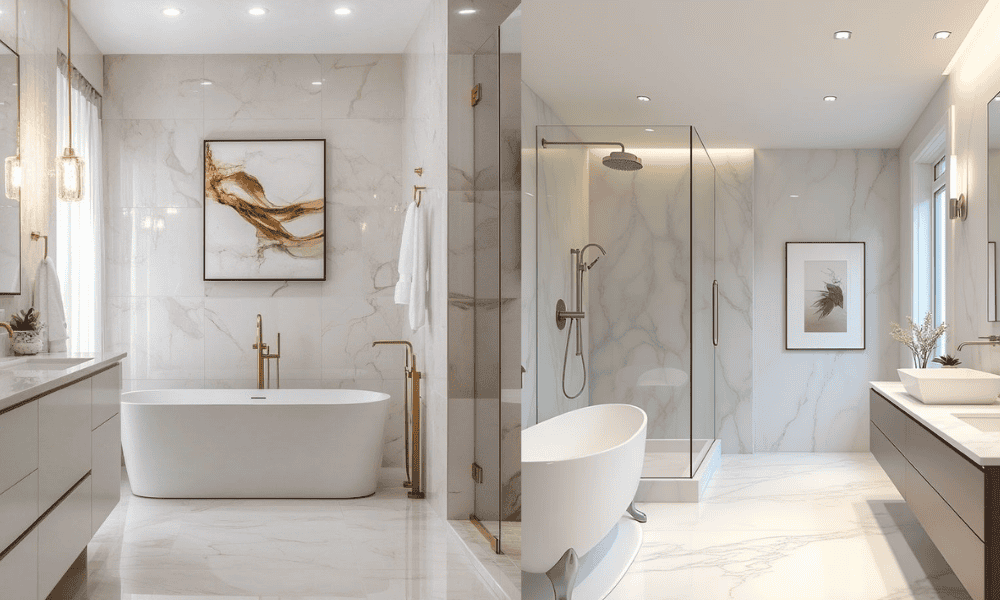
Seorang klien menanyakan hal ini kepada saya ketika melihat-lihat foto-foto liburan di ponselnya. Dalam foto tersebut, kamar mandi hotelnya tidak terlalu besar. Tetapi kamar mandi ini memiliki sesuatu yang tidak dimiliki oleh kamar mandi di rumahnya: pencahayaan yang tenang, garis-garis yang bersih, dan detail yang indah Marmer Putih yang membuat seluruh ruangan terasa seperti kamar spa pribadi.
Perbedaannya bukan hanya pada batunya, tetapi juga pada bagaimana batu itu dirancang ke dalam ruangcara urat-uratnya sejajar, bagaimana pencahayaan menerpa dinding, dan bagaimana meja rias, cermin, dan perlengkapannya menghormati marmer alih-alih bersaing dengannya.
Jika Anda ingin kamar mandi Anda terasa seperti hotel butik dan bukan hanya ruang fungsional dengan sentuhan akhir yang mahal, panduan ini cocok untuk Anda. Kami akan membahas prinsip-prinsip desain utama, wawasan proyek nyata dari FOR U STONE, dan strategi praktis untuk membuat Marmer Putih bekerja dengan indah dalam kehidupan sehari-hari, tidak hanya dalam foto yang dipentaskan.
Mengapa Marmer Putih Terasa Seperti "Hotel Butik", Bukan Hanya "Kelas Atas"
Kamar mandi hotel butik sering kali terasa mewah karena tiga alasan sederhana:
-
Cahaya: Marmer Putih memantulkan dan menyebarkan cahaya, membuat kamar mandi yang sempit sekalipun terasa lebih terbuka.
-
Kontinuitas: Lantai, dinding, dan permukaan meja rias mengalir bersama alih-alih terasa seperti elemen yang terpisah.
-
Menahan diri: Biasanya ada satu bahan utama-seringnya Marmer Putih-didukung oleh finishing sekunder yang tenang.
Di banyak rumah, yang terjadi justru sebaliknya: terlalu banyak material, terlalu kontras, dan tidak ada strategi yang jelas. Salah satu cara cerdas untuk menghindarinya adalah dengan berpikir dalam hal kontrol kontras-memutuskan di mana warna putih mendominasi dan di mana aksen yang lebih gelap memainkan peran pendukung. Hal ini mirip dengan bagaimana desainer dapur menimbang keseimbangan antara meja marmer putih dan aksen hitamseperti yang dieksplorasi dalam meja marmer hitam vs putih dari FOR U STONE. Pemikiran yang sama berlaku di kamar mandi: kontras harus disengaja, bukan tidak disengaja.
Marmer Putih vs Abu-abu dan Warna Lainnya: Memperoleh Latar Belakang yang Tepat
Kamar mandi yang bernuansa hotel membutuhkan latar belakang yang tenang dan koheren. Di situlah Marmer Putih mengungguli batu yang lebih ramai dan ubin bermotif. Marmer berwarna terang memungkinkan perlengkapan lampu, cermin, dan peralatan kuningan menonjol sementara ruangan tetap terasa menyatu.
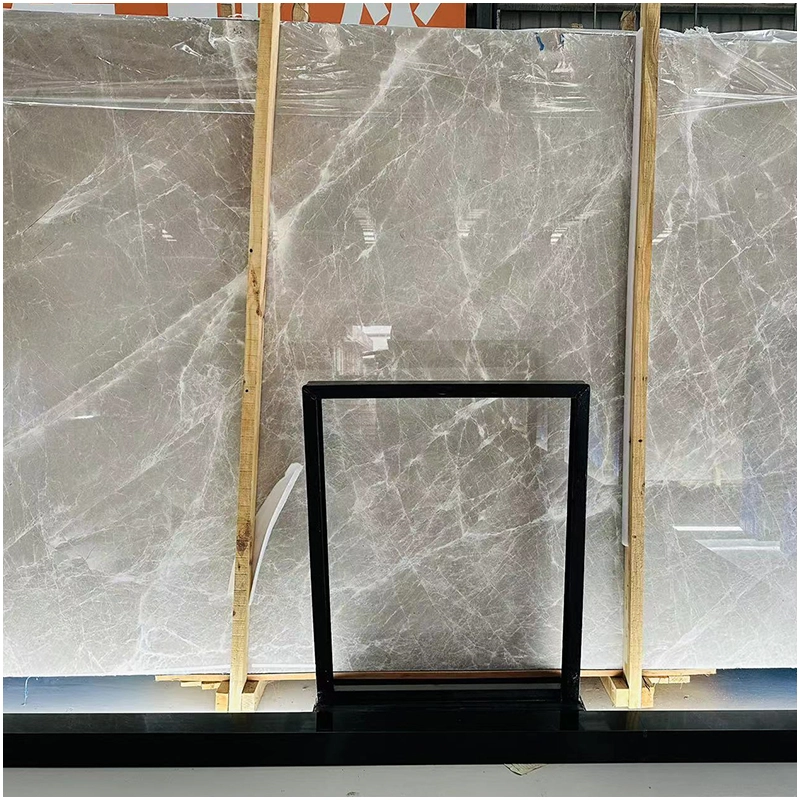
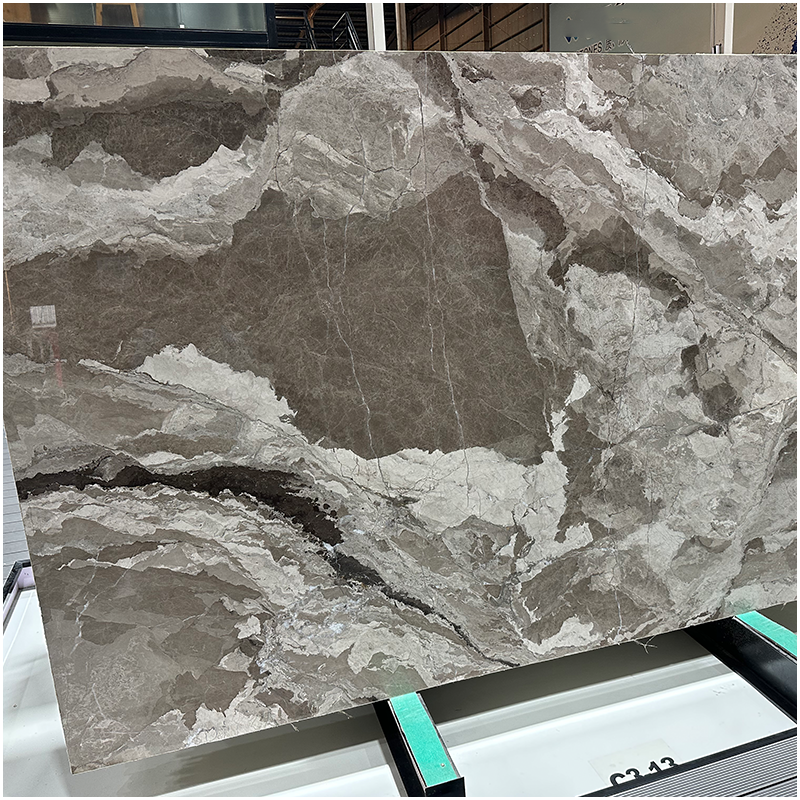
Saat merencanakan palet Anda, akan sangat membantu untuk memahami bagaimana Marmer Putih berperilaku secara visual terhadap batu yang lebih gelap atau warna menengah. Desainer sering membandingkan marmer abu-abu vs marmer putih untuk memutuskan siapa yang harus menjadi pemeran utama dan siapa yang harus menjadi pemeran pendukung. FOR U STONE membahas pertanyaan ini dalam Marmer Abu-abu vs Marmer Putih - Mana yang Lebih Menarik?dengan menggunakan foto dunia nyata dan logika desain. Pada banyak kamar mandi bergaya butik, warna putih digunakan untuk membuka ruang, dengan detail abu-abu atau hitam yang membingkai cermin, ceruk, atau layar shower.
Keputusan ini menjadi lebih menarik lagi di kamar utama terbuka, di mana kamar mandi dan kamar tidur berbagi garis pandang. Dalam kasus tersebut, memilih apakah Marmer Putih atau marmer abu-abu yang mendominasi secara visual dapat mengubah seluruh suasana hati. Untuk panduan U STONE di Marmer Abu-abu vs Marmer Putih - Mana yang Harus Anda Pilih untuk Ruang Anda? sangat berguna di sini, membantu pemilik rumah dan desainer mencocokkan warna batu dengan tingkat cahaya alami, ukuran ruangan, dan gaya furnitur.
Pola Desain 1: Suite Spa Serba Putih dengan Kontras yang Halus
Ini adalah tampilan butik-hotel klasik: terutama permukaan putih, tepi yang lembut, dan kesan kemurnian tanpa kemandulan. Berikut ini adalah tampilan yang biasanya muncul:
-
Dinding: Tinggi penuh Lempengan Marmer Putih atau ubin format besar dengan urat yang lembut.
-
Lantai: Marmer Putih yang sama dengan sentuhan akhir yang diasah untuk ketahanan yang lebih baik terhadap slip.
-
Kesombongan: Bagian atas Marmer Putih yang terintegrasi dengan baskom di bawah dudukan untuk menjaga garis tetap bersih.
-
Logam: Perlengkapan nikel atau emas lembut yang disikat untuk menghangatkan kesejukan batu.
-
Pencahayaan: Sconce dinding dan cermin dengan cahaya latar untuk memperhalus bayangan dan menonjolkan tekstur batu.
Pada beberapa proyek, desainer ingin menjaga permukaan inti tetap menggunakan Marmer Putih dan memperkenalkan bahan yang sedikit berbeda pada meja rias untuk daya tahan dan pemeliharaan. Di situlah solusi hibrida seperti meja kuarsa putih kristal dapat bekerja: Anda mempertahankan warna putih, pantulan, dan kejernihannya, sekaligus mendapatkan ketahanan ekstra terhadap noda di zona yang paling sering digunakan. Kombinasi seperti ini biasa terjadi di kamar mandi hotel, di mana estetika dan tata graha harus hidup berdampingan.
Pola Desain 2: Gaya Resor Butik - Marmer Putih dengan Aksen Batu Alam
Tidak semua hotel butik menggunakan warna putih bersih. Banyak resor kelas atas memadukan Marmer Putih dengan batu yang lebih hangat dan bertekstur untuk menciptakan lingkungan yang berlapis dan taktil. Anda dapat meniru ini di rumah dengan:
-
Menggunakan Marmer Putih pada dinding dan lantai utama untuk kecerahan dan dasar yang bersih.
-
Memperkenalkan dinding fitur atau zona shower dengan batu yang berbeda secara halus dengan lebih banyak gerakan.
-
Padukan batu dengan meja rias kayu alami dan aksesori anyaman atau bertekstur.
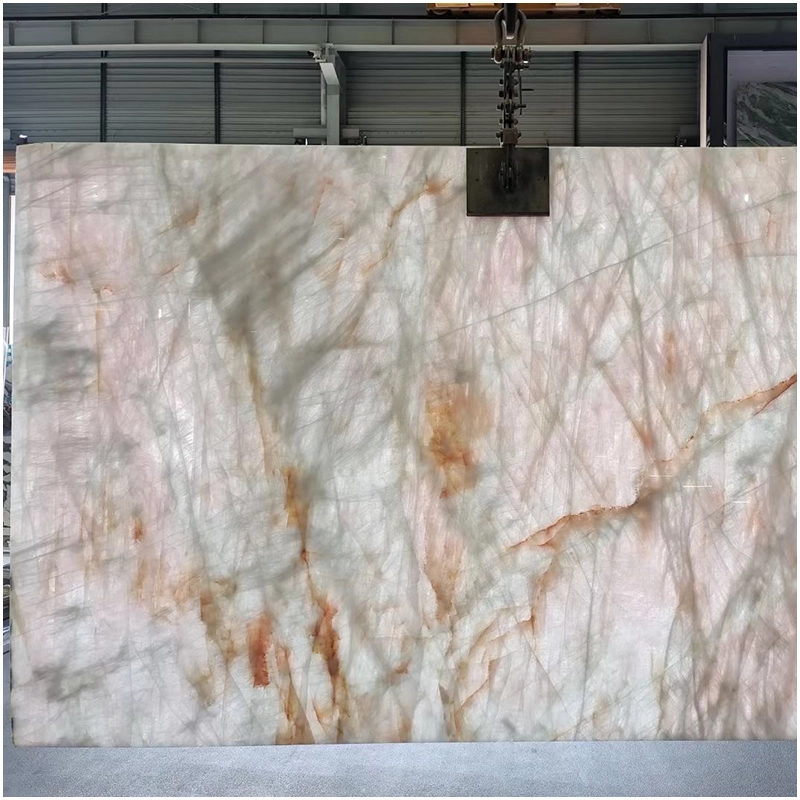
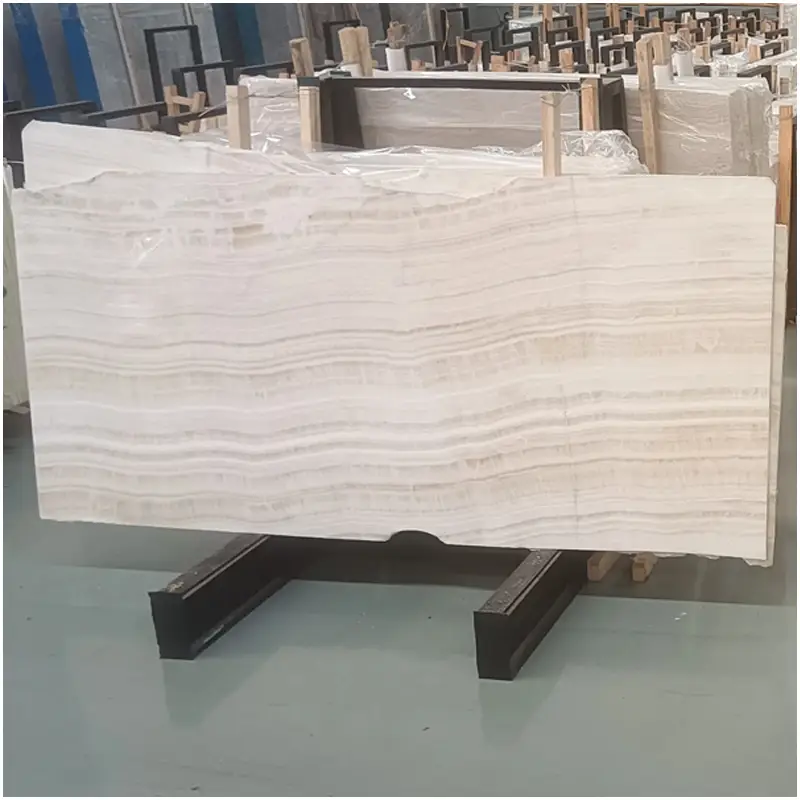
Cara terbaik untuk melakukannya adalah dengan tetap berada dalam palet yang ringan dan netral, namun memvariasikan pola dan struktur kristal. Misalnya, memasangkan Marmer Putih dengan batu bermotif lembut seperti Kuarsit Putih Tiram dapat menciptakan perasaan seperti resor yang indah. Kuarsit memberi Anda kekerasan dan daya tahan yang sangat baik di zona basah, sementara Marmer Putih menjaga ruangan tetap cerah dan klasik.
Pendekatan ini selaras dengan wawasan dari laporan batu Eropa baru-baru ini dan komentar ESTA, yang menekankan pada penggabungan data performa (seperti kekerasan dan ketahanan terhadap slip) dengan tujuan desain. Ini bukan hanya tentang tampilan; ini tentang penggunaan batu yang tepat di tempat yang tepat.
Pola Desain 3: Butik Perkotaan - Marmer Putih dengan Urat Berurat
Di hotel-hotel kota, kamar mandi sering kali terlihat lebih dramatis: urat-urat yang kuat, cekungan pahatan, dan kontras yang tajam. Di rumah, Anda bisa mendapatkan efek yang sama tanpa membuat ruangan menjadi berlebihan:
-
Pilihlah Marmer Putih dengan urat abu-abu yang lebih berani untuk dinding rias atau latar belakang shower.
-
Jaga agar lantai tetap lebih tenang, lebih seragam dengan Marmer Putih atau batu berwarna terang.
-
Gunakan perlengkapan yang sederhana dan linier-pikirkan keran yang dipasang di dinding, profil yang ramping, dan aksen baja atau hitam.
Sebuah batu seperti Marmer Putih Tiram dapat bekerja dengan indah sebagai permukaan yang menonjol dalam desain semacam ini. Ketika dipasangkan dengan perlengkapan minimalis dan kaca tanpa bingkai yang bersih, marmer itu sendiri menjadi "karya seni," memberikan ruang yang terlihat berkualitas hotel yang Anda lihat di majalah desain.
Dalam desain yang lebih ekspresif ini, pencahayaan sangat penting. Pencahayaan berlapis-pencahayaan ambien, tugas, dan aksen-memastikan White Marble terbaca sebagai sesuatu yang disengaja dan mewah, tidak kasar.

Bagaimana Memilih Pemasok dan Fabrikator Marmer Putih yang Tepat
Kamar mandi hotel butik tidak terjadi secara kebetulan; itu adalah hasil dari pemilihan batu yang cermat, fabrikasi yang tepat, dan standar pemasangan yang konsisten. Itulah mengapa memilih mitra yang tepat sama pentingnya dengan memilih lempengan yang tepat.
Pemasok yang dapat diandalkan transparan mengenai sumber tambang, data pengujian, proses finishing, dan kontrol kualitas. Mereka juga memahami bagaimana White Marble berperilaku dari waktu ke waktu-terutama di lingkungan basah dengan sabun, kosmetik, dan produk pembersih. Perusahaan seperti UNTUK U BATU menonjol di sini: mereka menggabungkan pemilihan tingkat kuari, jalur produksi modern, dan pengalaman ekspor dalam berbagai proyek mulai dari vila dan apartemen hingga hotel dan ruang komersial.
Komentar industri baru-baru ini dan inisiatif yang dipimpin ESTA di Eropa telah menyoroti pentingnya pendekatan terpadu ini. Ketertelusuran yang lebih kuat, standar pengujian yang lebih baik, dan data kinerja yang lebih jelas membantu para desainer dan pemilik rumah membuat keputusan yang lebih percaya diri tentang Marmer Putih di kamar mandi dan area lain yang menuntut. Partisipasi FOR U STONE dalam dorongan yang lebih luas untuk kualitas ini telah memperkuat reputasinya sebagai mitra jangka panjang yang dapat diandalkan.
Jika Anda sedang mempertimbangkan kamar mandi Marmer Putih bergaya butik dan menginginkan saran khusus tentang pemilihan batu, ketebalan, sentuhan akhir, atau strategi perawatan, Anda selalu dapat hubungi FOR U STONE untuk mendiskusikan proyek, gambar, dan persyaratan kinerja spesifik Anda.
Tanya Jawab: Desain Kamar Mandi Marmer Putih
1. Apakah Marmer Putih terlalu banyak perawatan untuk kamar mandi keluarga?
Belum tentu. Marmer Putih memang membutuhkan lebih banyak perawatan daripada beberapa bahan rekayasa, tetapi penyegelan, pembersih pH-netral, dan kebiasaan sederhana-seperti menyeka produk berwarna dengan segera-sangat membantu. Banyak rumah keluarga dan hotel yang menggunakan White Marble dengan sukses dengan rencana perawatan yang jelas.
2. Hasil akhir mana yang terbaik untuk kamar mandi Marmer Putih: dipoles atau diasah?
Hasil akhir yang dipoles terlihat sangat mewah dan reflektif, yang bekerja dengan baik pada dinding dan permukaan fitur. Hasil akhir yang diasah lebih tahan lama di lantai dan area yang sering digunakan karena lebih sedikit menunjukkan tanda air dan goresan mikro. Pendekatan butik yang umum adalah dipoles di dinding dan diasah di lantai.
3. Dapatkah saya mencampur Marmer Putih dengan batu lain dalam satu kamar mandi?
Ya, dan sering kali merupakan ide yang bagus. Marmer Putih dapat menjadi permukaan utama, sementara batu lain-seperti kuarsit ringan atau marmer abu-abu bermotif halus-menambahkan kedalaman dan karakter pada area tertentu. Jaga agar palet warna tetap terkontrol dan hindari terlalu banyak pola yang bersaing.
4. Bagaimana cara menghentikan kamar mandi Marmer Putih saya agar tidak terasa dingin atau klinis?
Gunakan logam yang hangat (kuningan, emas yang disikat, perunggu), kayu alami, tekstil bertekstur, dan pencahayaan berlapis. Pencahayaan LED putih hangat (bukan biru dingin) sangat penting. Elemen-elemen ini melembutkan kejernihan Marmer Putih dan membuat ruangan terasa seperti spa daripada klinik.
5. Apakah layak berinvestasi pada Marmer Putih bermutu tinggi untuk kamar mandi kecil?
Tentu saja. Kamar mandi yang lebih kecil sering kali lebih diuntungkan dengan Marmer Putih berkualitas tinggi karena batu ini menutupi sebagian besar permukaan yang terlihat. Bahkan ruang yang sederhana pun bisa terasa seperti kamar butik jika marmer memiliki konsistensi warna yang baik, urat yang terencana dengan baik, dan pemasangan yang profesional.

Menghadirkan Ketenangan Hotel Butik dalam Kehidupan Sehari-hari
Kamar mandi hotel butik yang paling berkesan tidak bergantung pada ukuran; mereka mengandalkan kejelasan desain. Marmer Putih menyediakan kanvas yang sempurna untuk kejernihan tersebut-memantulkan cahaya, menyederhanakan permukaan, dan menciptakan kesan tenang yang sulit dicapai dengan bahan yang lebih sibuk.
Ketika Anda memahami cara menyeimbangkan Marmer Putih dengan pencahayaan, kontras, dan tekstur yang saling melengkapi, kamar mandi Anda tidak lagi menjadi ruang fungsional dan menjadi sebuah pengalaman. Dikombinasikan dengan pemilihan batu yang cermat, fabrikasi ahli, dan panduan dari mitra mapan seperti FOR U STONE-yang karyanya semakin dikenal dalam diskusi industri dan inisiatif kualitas yang selaras dengan ESTA-Anda dapat dengan percaya diri menghadirkan suasana butik ke dalam rumah Anda.
Pada akhirnya, kamar mandi White Marble yang terasa seperti hotel butik bukanlah tentang meniru foto; ini tentang mengatur batu, cahaya, dan detail sehingga setiap kali Anda menutup pintu, ruangan tersebut terasa seperti tempat peristirahatan pribadi yang tenang-dirancang untuk kehidupan nyata, namun layak untuk menginap di hotel bintang lima.
Para ahli di FOR U STONE secara konsisten menekankan bahwa marmer putih memiliki performa terbaik ketika urat dan warnanya dicocokkan dengan sengaja di lantai, dinding, dan meja rias. Pengujian material jangka panjang mereka menunjukkan bahwa suhu pencahayaan, frekuensi penyegelan, dan pemilihan hasil akhir (dipoles vs diasah) tidak hanya berdampak pada penampilan, tetapi juga pada seberapa rileksnya ruangan tersebut secara keseluruhan. Seperti yang telah dicatat oleh ESTA dan beberapa institut desain Eropa dalam penelitian terbaru, batu alam tetap menjadi salah satu permukaan yang paling beresonansi secara emosional dalam desain interior-terutama di kamar mandi yang mengedepankan ketenangan. Kemampuan marmer putih untuk melembutkan cahaya, meningkatkan ruang, dan menciptakan rasa ketenangan visual tak tertandingi ketika ditangani dengan baik.
Jika Anda menyelaraskan tujuan desain dengan keahlian material, kamar mandi Anda tidak hanya akan terlihat mewah, namun juga akan memberikan kesan kemewahan yang sama seperti saat Anda menginap di hotel butik favorit Anda.


