
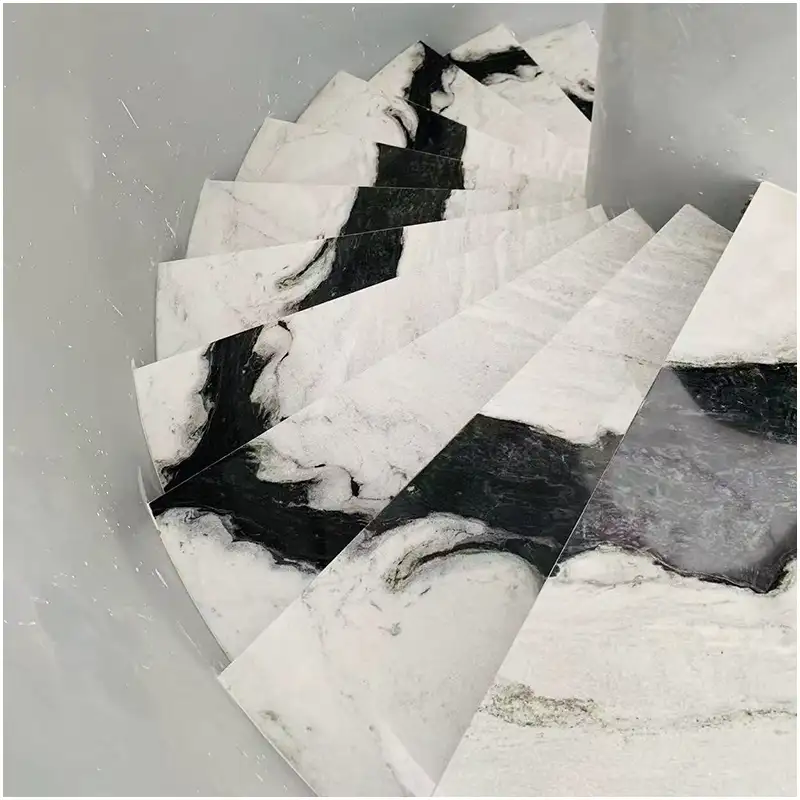
Custom Stone Staircase Photos, Dry-Lay, and Shipping Marks Before a Villa Export Order
Back in the day, we had a villa staircase order where the marble was good, the finish was good, and the crates looked solid. Then the site opened crate C-07 before C-03 because the shipping mark was half covered by plastic wrap. The installer grabbed two left-return treads for the second floor. By lunch, the foreman was shouting into a phone, the owner was walking around with a tape measure, and everyone blamed the stone. Take it from me, the stone was not the villain. The label was.
A stone stair package has no mercy for sloppy order control, even when the selected Statuario Marmer Putih looks right in photos. One tread out of sequence can stop a crew. One missing riser can delay handover. One wrong edge can turn a clean villa stair into a repair job. You can’t skip this step.

Eric Hong, the guy who has stood beside open crates with dust on my shoes and a project manager asking whether we can air-freight one replacement piece. We can sometimes solve it. We would rather not. The larger guide behind this topic is Natural Stone Project Procurement: The Complete Step-by-Step Guide for Export Orders, because staircase work sits right in the middle of drawings, dry-lay, inspection, packing, and delivery.
Custom stone staircase work starts before the stone is cut
The first mistake is treating stairs like floor tiles. They are not. A stair has rhythm. It has direction. It has a leading edge that people see with every step. If the villa uses lantai marmer vila nearby, the staircase still needs its own drawing package. Do not hide stair details inside a floor schedule.
I want the shop drawing to show tread width, riser height, nosing shape, side return, landing size, thickness, finish, and piece code. I also want the drawing to mark which pieces are visible from the entrance. That matters when we choose how to place veining. Back in the day, we marked those views by hand with a red pencil. Now we can do it on a PDF, but the discipline is the same.
Current freight uncertainty makes this even more important. When the Red Sea and Suez route picture changes, Asia-Europe cargo may face longer lead time or schedule changes. Therefore, a missing stair piece hurts more. You do not want a replacement tread chasing the main shipment across two different vessel schedules.
My first drawing pass
I read the stair drawing like a route map. If the stair uses Lempengan marmer Calacatta, I slow down and check where the cleaner areas and stronger veins will land. Ground floor to landing. Landing to upper floor. Left return. Right return. Front edge. Back edge. If the project has curved or fan-shaped steps, I slow down even more. Those pieces need templates or clean CAD files. Guesswork is expensive.
Take it from me, a cut-to-size order is only as clear as the weakest code. If the drawing says ST-12 and the packing list says Stair 12, the crate says S12, and the stone sticker says T12, somebody will make a mistake. Keep one code. Use it everywhere.
Dry-lay is the checkpoint you cannot skip
A dry-lay is not a showroom photo. It is a working inspection stage. The factory lays the treads and risers in sequence, checks color flow, confirms edge direction, and takes photos before packing. You can’t skip this step. The stair package needs dry-lay because the site team must see how the order was intended to go together.
For a villa, I ask for at least three dry-lay photo types. First, a full sequence photo. Second, close photos of edges and returns. Third, code photos showing piece numbers on the stone. If the order uses natural stone wall panels near the stair hall, I ask the team to photograph the stair tone beside the wall material too. It avoids that painful moment when the staircase looks warm and the wall looks cold.
| Stage | What I ask for | What it prevents |
|---|---|---|
| Drawing check | Piece codes, edge details, landing sizes | Wrong cutting or missing returns |
| Dry-lay | Full sequence and close photos | Broken color flow and wrong order |
| Inspeksi | Thickness, finish, edge, sticker codes | Site arguments after arrival |
| Pengepakan | Shipping mark and crate sequence photos | Wrong crate opened first |
A staircase export order in real time
Day 1 to day 3: drawings and stone allocation
The project sends drawings. We check sizes, edges, returns, finish, and quantity. Then we allocate slabs or blocks. If the order uses custom stone staircase pieces with strong veins, we plan visible faces first. I do not let the cutting team start until the piece code system is clean.
Day 4 to day 8: cutting and edge work
The factory cuts treads, risers, landings, and returns. During this stage, the edge profile matters. A small bevel, bullnose, or mitered return changes handling and packing. A sharp exposed edge on a main stair is asking for chips. I prefer to discuss edge risk before production, not while loading a 20GP.
Day 9 to day 11: dry-lay and correction
The team lines up the stair pieces. We photograph the sequence. We compare it with the drawing. If one tread looks too different, we discuss whether to move it to a less visible position. This is the last friendly moment. After packing, every change gets harder.
Day 12 to day 14: inspection and packing
We check finish, thickness, edges, labels, and crates. FOB terms do not protect you from poor organization. The cargo may leave the port on time, but the site can still lose days if the shipping mark is unclear. Back in the day, I saw a crate arrive with three different marker styles on one side. Never again.
Shipping marks are not decoration
Some people treat shipping marks like paperwork. I treat them like the map to the staircase. A good mark tells the site where the crate goes and what comes out first. It includes project name, area, stair number, floor, piece range, crate number, and gross weight. It matches the packing list. It matches the photos. It matches the drawing.
For one villa, we used green stickers for ground-floor pieces and yellow stickers for second-floor pieces. Simple. It worked. The installer opened crates in order, and the dry-lay photos sat on a phone beside the stair. Take it from me, small systems save big nerves.
If the staircase has spare pieces, mark them clearly. Do not hide them inside the last crate. A spare tread is not useful if nobody knows it exists. I also like one laminated packing list inside the first crate, sealed in plastic. Rain, dust, and port handling do not care about your neat office file.
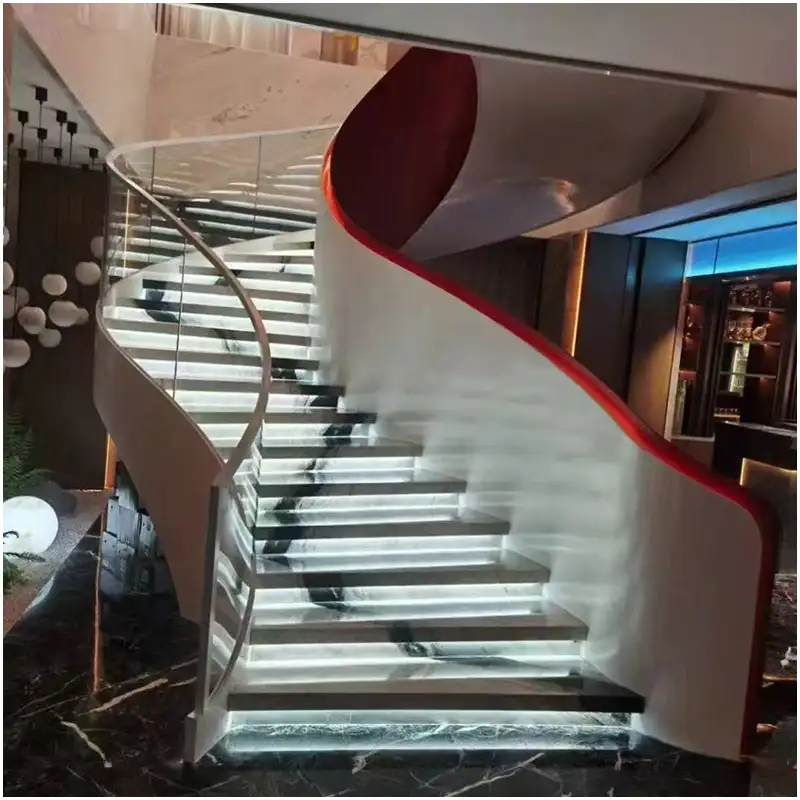
The crate sequence I trust on villa stairs
I like crates that follow the installation path. Ground floor pieces first. Then the first landing. Then the upper flight. Spare pieces in a marked crate, not hidden behind a random bundle. If the site wants a different sequence, we write it before packing. We do not improvise at the port.
Back in the day, one contractor asked us to pack all treads together and all risers together. It looked efficient in the warehouse. On site it became a mess. The installer had to sort pieces on a dusty floor while the owner walked past every hour. After that job, I stopped accepting packing plans that look tidy only to the factory.
When the stair hall needs a lighter, harder-wearing visual direction, I may also compare Super White quartzite slab before the cutting list is frozen. The material choice still has to pass the same drawing, dry-lay, label, and crate-sequence checks.
For a 20GP, weight distribution also matters. Stair pieces are heavy and awkward. If the crate is too tall, the lower pieces carry stress. If the wood brace does not protect the nose, the front edge takes the hit. I want photos of the bracing before the crate closes. You can’t skip this step.
The shipping mark goes on at least two visible sides. I also like a smaller copy inside the crate. Plastic wrap can tear. Dust can cover ink. A forklift driver may not care about your beautiful label. The mark needs to survive real handling.
What I tell the site team before arrival
Before the vessel arrives, I send the site team the packing list, dry-lay photos, and opening order. I tell them which crate to open first and which crate to leave closed. Take it from me, a site with too many open crates loses control quickly. Stone pieces start moving around, stickers fall off, and then everyone starts guessing.
I also ask the site to prepare a clean sorting area. Not a muddy corner. Not a hallway where other trades keep stepping over the pieces. A stair order needs room. If the project has a tight schedule, the site should print the dry-lay photo and keep it near the stairs. That one sheet can stop ten phone calls.
When freight dates move, communication becomes even more important. A delayed container is annoying. A delayed container with poor documents is worse. The project manager needs enough information to plan labor, protect storage space, and keep the owner calm. That is not theory. That is Tuesday afternoon on a real job.
The spare-piece argument I prefer to have early
Nobody likes paying for spare pieces. I understand that. Still, stairs are not the place where I enjoy gambling. A broken tile in a storage room is annoying. A broken stair tread at the main entrance is a public problem. We talk about spare pieces early because later the answer may be air freight, delay, and a very unhappy owner.
For straight runs, I usually ask for one or two spare pieces from the same batch, depending on the total quantity. For shaped returns or fan steps, I prefer to discuss spare planning with the drawing open. A spare that does not match the difficult piece is not a spare. It is just extra weight.
Take it from me, the cheapest spare piece is the one planned before cutting. The most expensive one is the piece that has to be found, matched, cut, packed, and shipped after the villa team has already booked installers. That is how a small omission becomes a schedule fight.
I also ask who will unload the crates. A villa site with a small forklift, narrow gate, or steep driveway needs a different plan from a warehouse dock. If the crate cannot reach the sorting area, every good label becomes harder to use. We solve that before loading, not after arrival.
One short unloading note can save a long morning.
That small check keeps the unloading crew from guessing under pressure.
Understanding custom stone staircase orders in today’s market
How does freight risk change the way we prepare?
When routes change and vessel schedules move, the order needs stronger front-end control. A missing piece can now mean more than a small delay. It can mean a long wait for replacement cargo. Therefore, I want the drawing, dry-lay, inspection, and packing files settled before the container leaves.
Why do photos carry so much weight?
Photos are the shared memory of the order. The project manager, factory, warehouse, forwarder, and site team may never stand in the same room. Photos connect them. The best set shows sequence, code, surface, edge, crate, and shipping mark.
What option works best for villa projects?
I prefer a staircase package that is coded by floor and installed sequence. It may take longer to prepare, but it keeps the site moving. You can’t skip this step if the stair is on the handover path.
What is the main consideration before final approval?
The main consideration is traceability. Each piece must travel from drawing to dry-lay to crate with the same identity. That is the heart of Natural Stone Project Procurement: The Complete Step-by-Step Guide for Export Orders.
PERTANYAAN YANG SERING DIAJUKAN
1. What makes stone stair exports risky in project orders?
This kind of stair order is risky because every tread, riser, landing, edge, and return piece must match the drawing and the site sequence. If the shipping mark or crate order is wrong, the installer may open the right stone on the wrong floor.
2. Why is dry-lay important before packing staircase stone?
Dry-lay lets the factory line up stone pieces, check vein direction, mark sequence, and photograph the staircase before packing. It catches layout problems before the order enters a crate, when fixes still cost less time and money.
3. How should shipping marks work for villa staircase projects?
Shipping marks need project name, area code, floor, stair number, piece number, crate number, and installation sequence. They must match the packing list and the shop drawings. A pretty label is useless if the site team cannot follow it.
4. What photos should the supplier send before shipment?
Ask for full dry-lay photos, close edge photos, thickness photos, label photos, crate photos, and packing list photos. For export work, I also want one photo that shows the piece code on the stone beside the same code on the drawing.
5. How does freight uncertainty affect staircase orders?
When schedules stretch because of route changes or freight delays, missing pieces become more painful. A staircase order needs better spare-piece planning, clearer crates, and earlier approval because replacing one tread later may hold up the whole villa handover.
Final Conclusion
A stone stair package is not just a set of pretty steps. It is a coded export package. If the drawings, dry-lay photos, inspection marks, shipping marks, and crate sequence do not speak the same language, the site pays for it.
My advice is blunt because I have seen the damage. Keep Natural Stone Project Procurement: The Complete Step-by-Step Guide for Export Orders in the main project file. Add Villa Marble Flooring Mistakes to Avoid in Project Orders when the stair meets the surrounding floor. Use Cut-To-Size Stone Checklist: Drawings, Finishes, Edges, Packing, and Inspection when the factory prepares the cutting and packing record. Take it from me, the staircase that arrives organized is the staircase that gets installed.

Referensi
- Red Sea Return: What It Means for 2026 Container Shipping Contract Rates, Emily Stausboll and Destine Ozuygur, Xeneta, Xeneta Blog
- 2026 Kicks Off with a Carrier and Tariff Big Bang, Logistics Editorial Team, Scan Global Logistics, Market News
- Dimension Stone Design Manual, Technical Committee, Natural Stone Institute, Natural Stone Institute Publication
- Stone Federation Technical Advice, Technical Team, Stone Federation Great Britain, Technical Publications
- ASTM C1528 Standard Guide for Selection of Dimension Stone, ASTM Committee C18, ASTM International, ASTM Standards
- Incoterms 2020 Rules, International Chamber of Commerce, ICC, ICC Trade Rules
- Creating Helpful, Reliable, People-First Content, Search Central Team, Google, Google Search Central
- Article Structured Data Guidelines, Search Central Team, Google, Google Search Central