

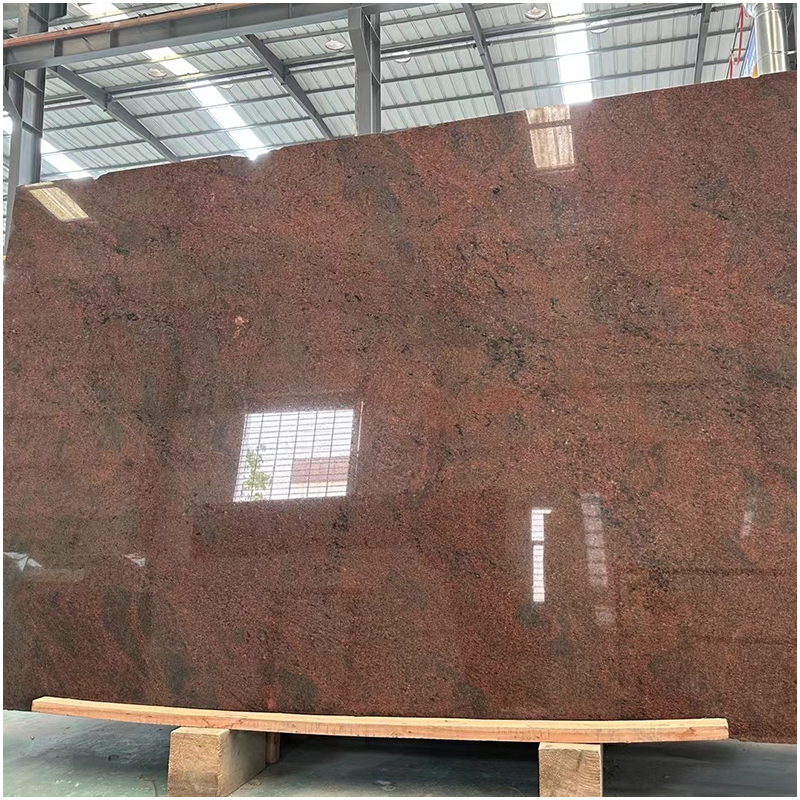


When Aesthetic Crush Meets Real-Life Commitment
“Be honest with me,” the homeowner said, running a hand across the sample.
“Everyone is using gray marble. How do I know I won’t hate it in five years?”
The designer laughed.
“You won’t—if you treat gray marble as both a design material and a performance material. The color is a trend. The stone is chemistry, physics, and cleaning habits.”
This is exactly where many projects go wrong. Gray marble gets chosen only for its mood and veining, not for how it behaves in a kitchen, bathroom, or office. In this guide, we’ll look at how to use gray marble intelligently—balancing aesthetics, maintenance, data, and supplier capability—so the stone still feels like a good decision years after installation, not just on installation day.
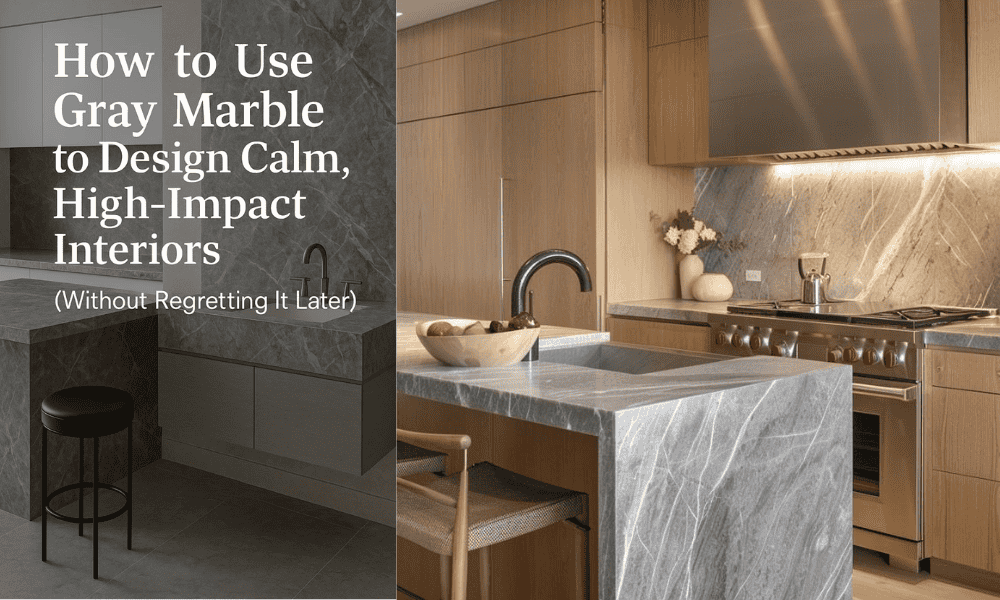
Why Designers Are Moving Toward Gray Marble
Gray marble has quietly shifted from “alternative” to “new neutral” in modern interiors. Several factors explain why designers specify more gray instead of pure white.
First, visual comfort. Mid-tone greys reduce extreme contrast between dark furniture and bright walls, creating a calmer, more balanced space than very bright whites. In living rooms and open-plan kitchens, that can mean less “visual noise” and a softer, more grounded atmosphere.
Second, real-life practicality. Marble sits around 3–5 on the Mohs hardness scale, which means it can be scratched and etched if you treat it like a cutting board or acid-resistant lab surface. Gray tones don’t make the stone harder, but they do a better job of visually masking small etches, fine scratches, and everyday dust than pure white backgrounds do.
Third, performance within acceptable ranges. Properly finished and sealed marble has low water absorption, making it suitable for kitchens, bathrooms, and entryways when installed and maintained correctly. Gray marble, when treated this way, can handle daily use without turning into a maintenance nightmare, as long as the client respects simple care rules.
If your project is still debating white vs gray, it’s worth looking at a side-by-side discussion such as gray marble vs white marble to understand how color, pattern, and maintenance interact in real homes.
How to Pair Gray Marble with White Marble Without Losing the Plot
The most successful gray marble interiors rarely use gray alone. Instead, they layer gray and white marble to control light, contrast, and focal points.
Use gray marble where life is messiest
Kitchens, family bathrooms, and mudroom entries are where reality hits the hardest. If you like a bright, airy look but worry about constant cleaning:
-
Use gray marble for the main “work surfaces” (kitchen islands, perimeter tops, floor zones near sinks and cooktops, vanity tops in busy bathrooms).
-
Bring in white marble for vertical, less-touched elements: full-height backsplashes, shower walls, accent bands, fireplace surrounds.
This way, gray does the heavy lifting where stains and micro-scratches show up first, while white marble still delivers that crisp, high-end look at eye level.
For offices, coworking spaces, or reception areas, you can reverse the logic: white floors with gray reception counters or feature walls. If you’re planning a corporate or co-working environment, a resource like types of white marble in office interior design can help you understand which white marbles pair cleanly with cool or warm gray tones in real projects.
Decide how “quiet” or “dramatic” your gray should be
Within gray marble, the biggest decision is movement:
-
Calm, cloud-like greys work best in minimal kitchens, Scandinavian interiors, or small apartments where too much veining might feel busy.
-
Bolder vein patterns suit show kitchens, hotel lobbies, bars, or statement bathrooms where marble is meant to be the star of the space.
When you start layering in classic white options like Italian Carrara marble, pay attention to whether the gray stone’s veins clash with or complement Carrara’s softer, feathery pattern. A calm gray with a strong Carrara backsplash can feel balanced; two very busy stones together can feel chaotic in tight spaces.

Planning Gray Marble Room by Room: Kitchens, Baths, and Commercial Spaces
Different spaces stress stone in different ways. Here’s a practical way to plan gray marble around real-world use, not just mood boards.
Kitchens: where performance matters most
Technical data places marble in the 3–5 Mohs hardness range, which is sufficient for kitchens if you accept that it will patina over time rather than stay “showroom perfect.” To set your clients up for success:
-
Choose honed or leathered finishes if they’re anxious about etching; these tend to show damage less than high-polish surfaces.
-
Specify a high-quality penetrating sealer, ideally re-applied every 6–12 months depending on use.
-
Combine gray marble main worktops with a classic vanity-style moment in adjacent powder rooms using options such as Italian Carrara marble countertop vanity tops to echo the kitchen palette without copying it directly.
The conversation with clients should be simple: gray marble is strong, but not indestructible. If you respect it, it will age gracefully.
Bathrooms and spa-style suites
Bathrooms stress marble more with moisture than with impact. The good news: marble’s limited porosity means it can handle shower walls and floors well—with proper waterproofing and sealing behind the scenes.
For master suites and hotel-style bathrooms:
-
Use gray marble floors to ground the space and hide minor water marks.
-
Choose white marble wall tiles to reflect light and keep things bright.
-
Add one high-contrast feature—such as a niche or vanity wall in a material similar to white marble tile with black veins—to stop the space from feeling flat.
This layered approach avoids the “all-gray cave” effect while still giving the room a luxurious, spa-like atmosphere.
Offices, lobbies, and commercial environments
Commercial spaces ask for durability, but they also need brand storytelling. In these settings:
-
Use gray marble on high-visibility but not high-abuse surfaces: reception desks, feature walls, elevator surrounds, and conference table tops.
-
Combine gray marble with porcelain or LVT in back-of-house or very high-traffic corridors to control maintenance costs while keeping the overall look cohesive.
-
Consider gray marble as a way to visually connect different zones: lobby floors, bar counters, and restroom vanities can all share a related gray tone while using different formats and finishes.
At this scale, working with a partner like FOR U STONE—which focuses on consistent sourcing, quality control, and export logistics—becomes just as important as choosing the right color.
What the Data and Field Experience Say About Gray Marble
Marble is not mystery; it’s measurable. If you’re building a specification or explaining trade-offs to clients, a few clear points go a long way.
-
Hardness and wear
Gray marble, like other marbles, sits roughly between 3 and 5 on the Mohs scale. That’s strong enough for residential floors, bathroom walls, and carefully used kitchen countertops, but not hard enough to tolerate knives, dragging metal pans, or heavy impacts without visible marks. The message: use boards, avoid dragging, and accept a gentle patina instead of chasing perfection. -
Porosity and water behavior
Properly finished and sealed marble typically has low water absorption—often under 1% by weight. That means gray marble can live comfortably in showers, vanities, and even entry floors, provided the installation and sealing are done correctly and maintenance is respected. -
Sealing and maintenance cycles
Most stone-care professionals recommend regular resealing—around every 6–12 months for kitchens, and less frequently for low-splash vertical surfaces. This is especially important for lighter greys, where etching may be more visible in certain lighting. Gray marble doesn’t demand luxury-level maintenance; it just needs consistent, simple care. -
Industry direction and safety culture
Across the stone industry, there’s increasing attention to responsible quarrying, dust control, and worker protection. Trade associations and safety campaigns are pushing for better cutting and finishing practices in fabrication shops. For designers and buyers, this is a quiet but important signal: the stone industry is investing in better safety and sustainability, and partnering with manufacturers who follow these standards can reduce project risk over the long term.
Case Studies: How Gray Marble Performs in Real FOR U STONE Projects
FOR U STONE’s export portfolio offers some practical lessons on where gray marble shines the most.
Coastal villa kitchen with high natural light
A recent coastal villa combined mid-tone gray marble island tops with white perimeter cabinets and light oak flooring. The client originally considered an all-white marble scheme, but switched to gray after reviewing real-stain tests on wine, coffee, and soy sauce.
-
Result: The gray stone still showed etching under raking light, but visually “read” as calm and uniform in daily use.
-
Lesson: For clients who entertain heavily, gray marble islands can offer a more forgiving backdrop than pure white while keeping the space feeling modern and high-end.
Boutique office with mixed-use zones
In a boutique law office, gray marble was used only for high-touch “client zones”: reception desk cladding, boardroom table, and powder room vanity.
-
Back-of-house corridors used porcelain with a similar gray tone.
-
The lobby featured a gray marble floor border and a feature wall behind the reception desk, with meeting room tables echoing the same stone for visual continuity.
The result was a space that felt cohesive and premium without overloading the budget or maintenance schedule.
Hospitality bathrooms with layered stone
In hotel suites, FOR U STONE often pairs gray floors with white wall marbles and a dramatic accent panel in a bolder vein pattern. This strategy makes the bathroom photogenic enough for marketing images while remaining manageable for daily housekeeping teams. The gray floors hide minor marks; the white walls keep the space bright; the accent panel delivers a memorable “wow” moment.
Across these projects, one pattern repeats: the most successful gray marble installations respect where the stone will actually be touched and stressed, not just how it looks in 3D renders.
When you’re ready to discuss specific gray marbles, cuts, and long-term supply plans for residential, commercial, or hospitality projects, you can reach the export team directly via FOR U STONE’s contact page to align technical details with your design intent.

Gray Marble FAQ: What Homeowners and Designers Ask Most
1. Is gray marble a good choice for kitchen countertops?
Gray marble can work very well for kitchen countertops if expectations are clear. It is strong enough for normal use, but it will scratch and etch if you cut directly on it or leave acids (lemon, vinegar, wine) on the surface. A good penetrating sealer plus sensible habits—using boards and wiping spills quickly—turn gray marble into a beautiful, patina-friendly choice rather than a “perfect forever” material.
2. Does gray marble show stains less than white marble?
Visually, yes. The mid-tone background and varied veining of many gray marbles do a better job of disguising small stains, water marks, or minor etches compared with very bright white stones. The actual absorption rate is similar; it’s the way our eyes read the surface that changes. Gray is usually more forgiving in busy family kitchens and entries.
3. Is gray marble still going to be in style in ten years?
Gray as a design neutral has been present in architecture for centuries—from classical stone façades to contemporary concrete interiors. What changes are the exact shades and how they’re combined. If you choose a balanced, natural gray with subtle veining rather than an extreme, trendy tone, it is very likely to age gracefully, especially when paired with timeless whites, wood, and metal finishes.
4. What backsplash pairs best with gray marble countertops?
For gray marble countertops, classic white marble subway or large-format tiles work extremely well, especially in honed or satin finishes. If you want more drama, consider a white marble with stronger veining or a feature strip behind the range. The key is to keep grout lines calm and let the stone’s pattern, not the grid, dominate the view.
5. How do I explain gray marble maintenance to clients without scaring them?
Be concrete and honest. Explain that marble is durable but not invincible: it can last for decades, but it will show a soft patina of use. Share basics (no harsh acids, use boards, reseal annually, wipe spills promptly) and show side-by-side photos of “new” and “softly aged” marble so they know what to expect. Many clients actually prefer the lived-in look once they understand it’s normal, not a defect.
Gray Marble Works When Design and Data Agree
Gray marble is not just a mood; it’s a set of measurable properties wrapped in a very photogenic package. When you combine:
-
clear understanding of hardness, absorption, and maintenance,
-
thoughtful pairing with white marble and other finishes,
-
and a reliable, export-ready supplier network like FOR U STONE,
you get interiors that look calm and luxurious on day one—and still feel like a smart decision many years later.
Whether you’re specifying for a single home, a multi-family development, or a cross-border commercial project, treat gray marble as both art and engineering. That’s how you move beyond trends and create spaces that survive real life, not just social media.
When designers evaluate hardness, porosity, finish selection, and expected wear patterns up front, gray marble becomes a stable long-term design investment rather than a risky aesthetic choice. Homeowners who understand sealing cycles, proper cleaning, and realistic patina development end up loving their stone more after years of use, not less.In the end, the success of gray marble isn’t determined by the color alone—it’s shaped by informed decisions, thoughtful placement, and responsible sourcing from reliable suppliers. Get those right, and gray marble will not only elevate your space today but continue performing gracefully far into the future.


