


Opening Dialogue
Sophia (Homeowner): “I’m torn between grey marble and green marble for my kitchen and master bathroom. Grey feels safe, but green seems bold and unique. Which one will actually work better?”
Daniel (Interior Designer): “Neither is wrong. Grey marble creates a neutral, timeless backdrop that works with any color palette. Green marble, on the other hand, delivers a striking spa-like vibe and connects the space to nature.”
Emily (Architect): “Think about your goals. Do you want a calm, versatile environment, or a statement piece that stands out? Both increase home value and are durable, but the choice depends on your personal style.”

Grey Marble vs Green Marble: Quick Comparison Table
| Feature | Grey Marble | Green Marble |
|---|---|---|
| Aesthetic Appeal | Neutral, elegant, timeless | Nature-inspired, dramatic, bold |
| Popular Varieties | Hermes Grey, Pietra Grey, Bardiglio | Rain Forest Green, Cloud Silk Green, Verde Alpi |
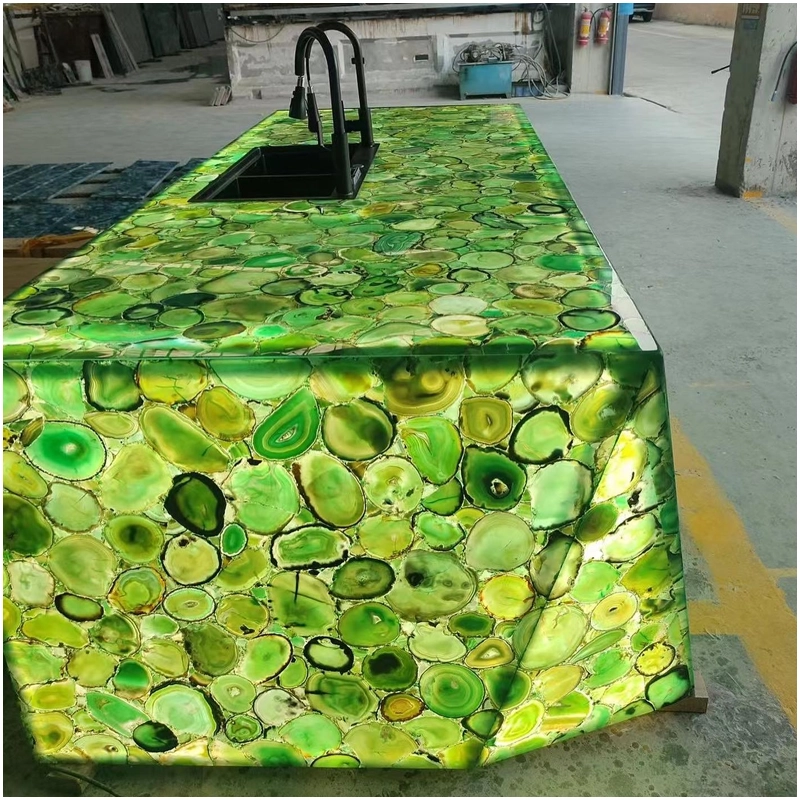
| Applications | Kitchens, bathrooms, flooring, stairs | Spa bathrooms, kitchen islands, feature walls |
| Durability | High compressive strength, versatile | Dense structure, strong under heavy use |
| Investment Value | Steady, timeless resale premium | Rising demand for rare colors |
| Maintenance | Annual sealing, resists stains with care | Annual sealing, excellent with proper finish |
| Psychological Impact | Calm, modern, sophisticated | Relaxing, biophilic, luxurious retreat |
What Makes Grey Marble Special?
Material Selection & Quarrying
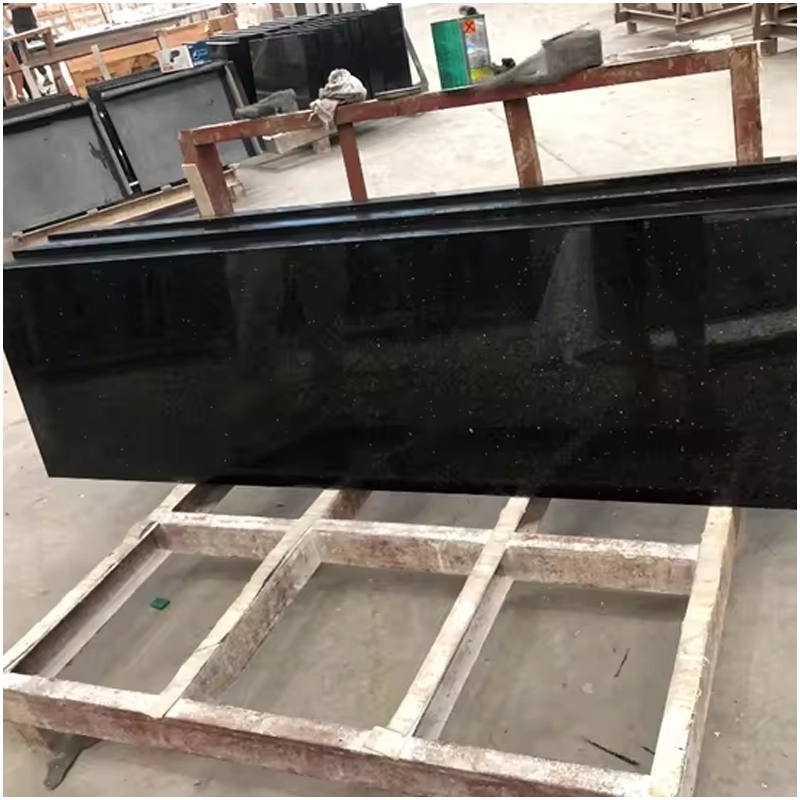
Origins: Grey marble is quarried in Italy, Iran, Turkey, and China, with each region producing distinct shades from light ash to dark charcoal.
Material Traits: Medium-to-high density, compressive strength around 90–110 MPa, absorption rate ~0.6–0.8%.
Design Benefits: Neutral grey complements modern minimalist kitchens and bathrooms, making it a versatile backdrop.
Craftsmanship & Processing
Block Selection: Balanced, uniform shading preferred for flooring and kitchen countertops.
Cutting & Finishing: Options include polished (for sleek modern interiors), honed (for anti-glare bathrooms), and leathered (for tactile, matte kitchens).
Better than ordinary materials: Unlike ceramics or engineered quartz, grey marble offers natural depth and veining that remains timeless.

What Makes Green Marble Stand Out?
Material Selection & Quarrying
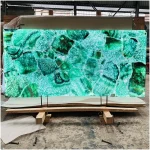
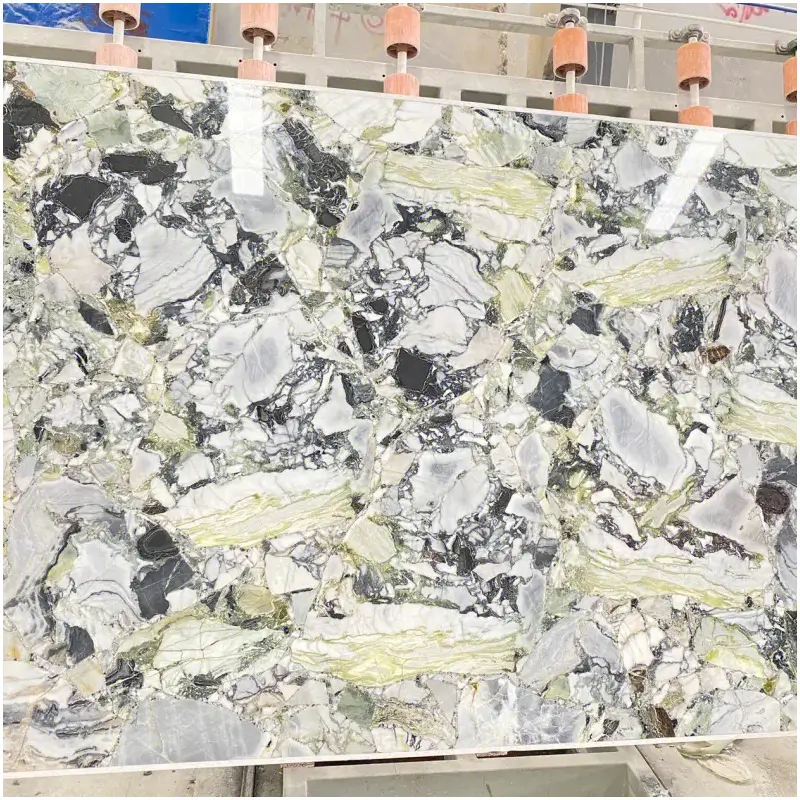
Origins: Green marble is quarried mainly in India (Rain Forest Green), China (Cloud Silk Green), and Italy (Verde Alpi).
Material Traits: Dense, with compressive strength 100–120 MPa; absorption rate <0.5% when sealed.
Color Psychology: Green evokes calm, wellness, and prosperity—perfect for spa bathrooms and luxury kitchens.
Craftsmanship & Processing
Block Selection: Premium blocks with consistent veining and fewer fissures are chosen.
Cutting & Finishing: Finishes include polished (luxury reflection), honed (spa-like matte), and flexible veneers (for curved tubs and walls).
Better than ordinary materials: Each slab is unique, unlike engineered surfaces. Green marble slabs deliver exclusivity and nature-inspired luxury.
Expert Insights: Market & Design Trends
-
“Biophilic design is driving demand for green marble. It creates authentic connections between architecture and nature.”
— Dr. Emily Carter, MIT Design Lab, 2024 -
“Grey marble continues to dominate urban apartments for its versatility, while rare green slabs are rising as bold statement pieces in hospitality projects.”
— John Peterson, Real Estate Analyst, Stone World Magazine, 2023 -
“Property data shows natural marble projects—especially distinctive colors—deliver a 7–10% resale premium.”
— Sarah Lin, Property Economist, ArchDaily Trends, 2024

Scientific Data Supporting Durability
Compressive Strength: Grey marble (90–110 MPa), Green marble (100–120 MPa).
Absorption Rate: Grey ~0.6–0.8%, Green <0.5% (with sealing).
Longevity: According to Journal of Sustainable Architecture (2023), natural marble surfaces last 50+ years with minimal maintenance.
Case Studies & Real Feedback
Case 1: Dubai Spa Resort – Rain Forest Green marble used in bathrooms created a luxury spa ambiance. Guests praised the organic elegance.
Case 2: Milan Apartment – Hermes Grey marble used in kitchens paired seamlessly with modern cabinetry. Realtors reported a faster resale cycle.
Case 3: Tokyo Boutique Hotel (Forustone Project) – Forustone supplied Cloud Silk Green marble slabs for feature walls. Designers highlighted the calming effect and uniqueness.
User Feedback
“Our grey marble countertops made the kitchen feel timeless and easy to decorate.” — Anna L., Paris
“The green marble bathroom is stunning—guests always compliment it.” — Michael T., Sydney

FAQ
1. Is green marble rarer than grey marble?
Yes. Grey marble is more abundant globally, while high-quality green marble comes from limited quarries, making it rarer.
2. Which is better for kitchens—grey or green marble?
Both work well. Grey marble is versatile and neutral, while green marble offers bold, luxurious character.
3. How often should marble be sealed?
Once a year is recommended for both types.
4. Does green marble increase home value?
Yes. Unique stones like green marble often command premium resale prices.
5. Can grey marble and green marble be used together?
Yes. Many designers combine the two for contrast—grey as a backdrop, green as a feature.
References
-
Carter, E. (2024). Biophilic Design in Modern Architecture. MIT Design Lab.
-
Peterson, J. (2023). Real Estate and Natural Stone. Stone World Magazine.
-
Lin, S. (2024). Luxury Property Trends with Natural Stone. ArchDaily Trends.
-
Journal of Sustainable Architecture (2023). “Durability of Natural Stones in Residential Use.”
-
European Commission. Natural Stone Market Outlook 2025.
-
ASTM International. Standard Test Methods for Marble Properties.
-
Natural Stone Institute. Marble Care & Maintenance Guide.
-
ArchDaily. (2024). Top Marble Design Trends.
-
Dezeen. (2023). Hotels Using Marble in Modern Interiors.
-
Houzz. (2024). Homeowner Reviews on Marble Countertops.
Which Fits Better in Kitchens and Bathrooms?
The answer is not which marble is better, but which marble is better for you. Grey marble delivers timeless neutrality and adaptability, perfect for minimalist kitchens and bathrooms. Green marble provides bold, biophilic elegance, ideal for spa-like retreats and dramatic kitchen islands.
Experts confirm both types increase property value, while scientific data proves decades-long durability. Case studies from Dubai to Tokyo show that grey marble fits universal elegance, while green marble creates unforgettable statements.
At Forustone, we’ve supplied both grey and green marble slabs for global projects, proving that with the right material, finish, and care, your kitchen or bathroom can become a timeless investment.
As Dr. Emily Carter of MIT Design Lab (2024) emphasizes: “Green marble resonates with wellness-driven architecture, while grey marble anchors modern interiors with calm balance.” Similarly, John Peterson of Stone World Magazine notes that “Both grey and green marble projects consistently achieve higher resale premiums.”At Forustone, we’ve seen both choices transform projects into long-term investments. Whether you choose grey’s universal elegance or green’s dramatic charm, professional selection, processing, and care will ensure your marble delivers durability, beauty, and value for decades.


