
Solutions en pierre pour escaliers et revêtements muraux
FOR U STONE aide les entrepreneurs, constructeurs, concepteurs et distributeurs de pierres à choisir le marbre, le granit, le travertin et le quartzite adaptés aux marches d'escalier, aux contremarches, aux revêtements muraux, aux murs d'accentuation, aux encadrements d'ascenseurs et aux projets intérieurs en pierre découpée sur mesure.
Ce que cette page sur les escaliers et les revêtements muraux vous aide à décider
La sélection de la pierre pour escaliers et revêtements muraux doit tenir compte de la sécurité des marches, de l'harmonisation des contremarches, des profils des bords, du poids des murs, de la méthode d'installation, du sens des veines, de la numérotation et de l'emballage avant la fabrication.
Où la pierre est utilisée dans les projets d'escaliers et de revêtements muraux
Les projets d'escaliers et de murs sont très sensibles à l'installation. Ils nécessitent une découpe, un étiquetage et un contrôle de séquence plus précis que la fourniture ordinaire de dalles.
Marches d'escalier
Nécessité d'un contrôle d'épaisseur, d'un traitement des bords avant, d'un traitement antidérapant et d'une protection d'emballage solide.
Contremarches d'escalier
Exigence d'une hauteur uniforme, d'une découpe nette, d'une correspondance de teinte et d'un assemblage facile sur site.
Murs caractéristiques
Utiliser du marbre, du travertin ou du quartzite pour créer un bookmatch, un sens des veines et un impact visuel architectural.
Entourages d'ascenseurs
Nécessité de panneaux découpés avec précision, d'un contrôle des détails d'angle et d'une séquence d'installation fiable.
Revêtement de couloir
Exige une cohérence par lot, des tailles de panneaux répétées, un étiquetage et un support de remplacement stable.
Matériaux de pierre recommandés pour les escaliers et les revêtements muraux
Le meilleur matériau dépend si le projet privilégie la durabilité des escaliers, la décoration murale, la texture architecturale chaleureuse ou les veines naturelles de luxe.
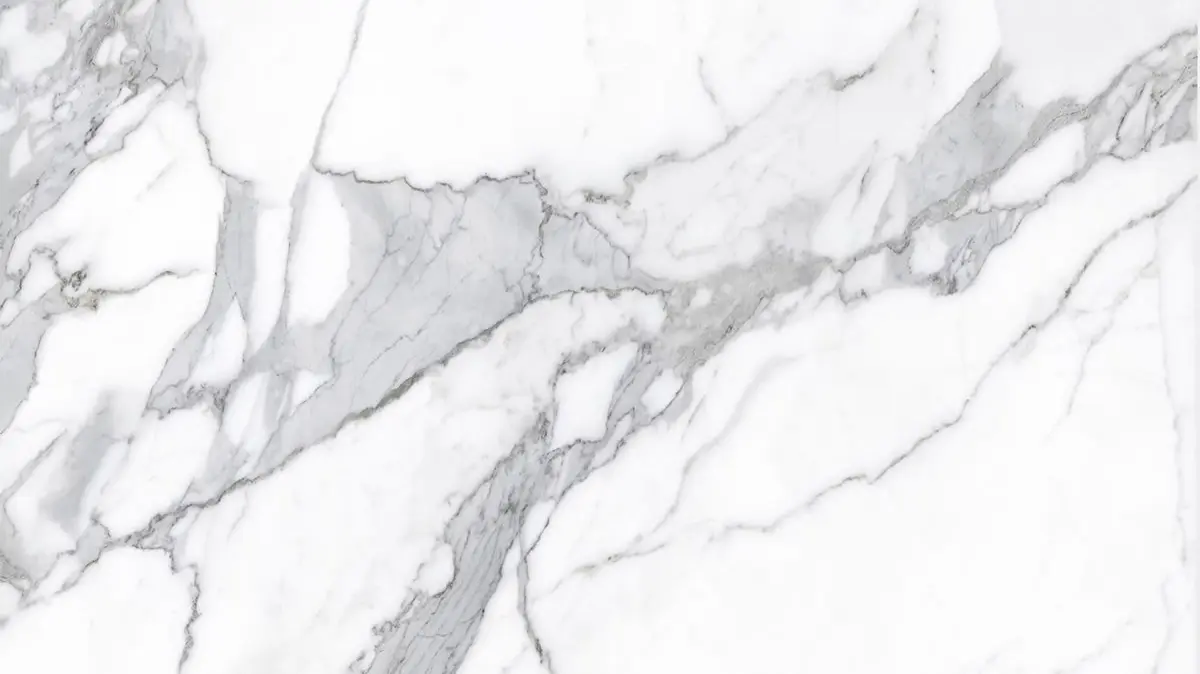
Marbre
Idéal pour les escaliers intérieurs élégants, les murs de hall, les revêtements résidentiels et les surfaces d'accentuation de luxe.
Voir le marbre →
Granit
Recommandé pour les marches d'escalier durables, les marches publiques et les zones à fort trafic qui nécessitent une résistance à l'usure accrue.
Voir le granit →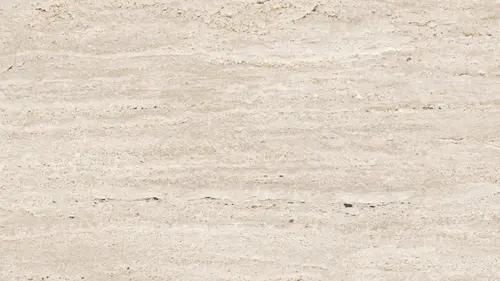
Travertin
Adapté aux revêtements muraux chaleureux, aux intérieurs architecturaux calmes et aux surfaces d'accentuation texturées.
Voir le travertin →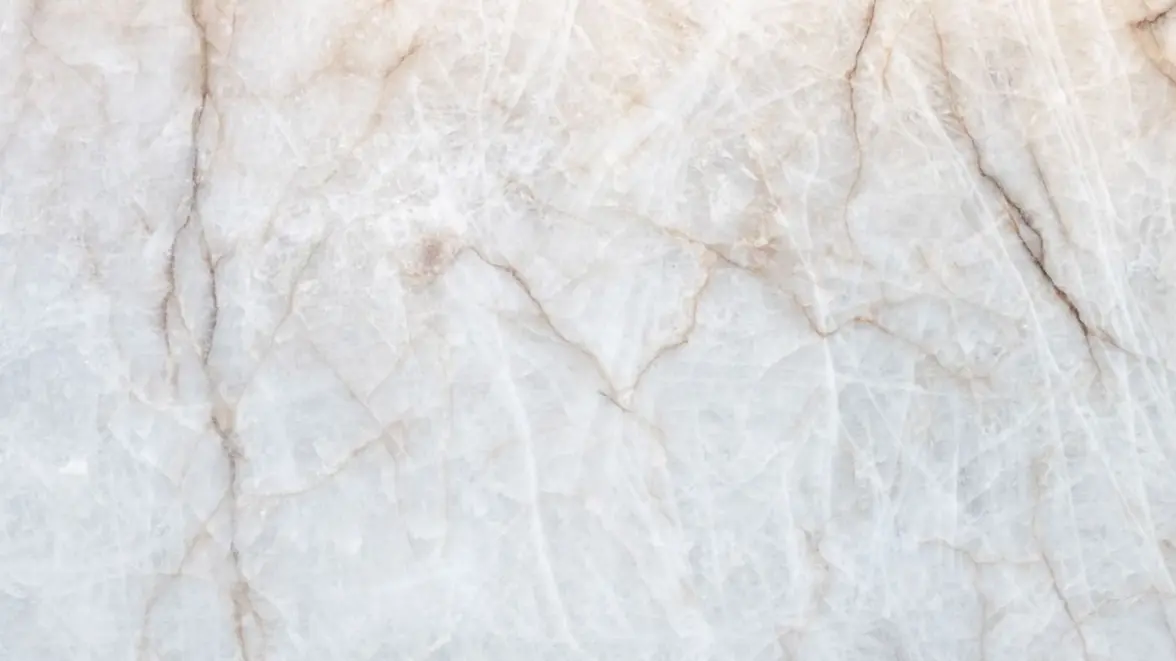
Quartzite
Convient bien aux escaliers et murs d'accentuation haut de gamme où un mouvement naturel et une performance accrue sont requis.
Voir la quartzite →Si c'est votre zone d'escalier ou de mur, choisissez cette direction de pierre
Les projets d'escaliers et de revêtements doivent être sélectionnés en fonction de l'intensité d'utilisation, de la méthode d'installation et des détails de fabrication avant le choix final de couleur.
| Zone du projet | Direction recommandée | Pourquoi ce choix fonctionne |
|---|---|---|
| Escalier intérieur de luxe | Marbre ou quartzite | Ces pierres créent une forte continuité visuelle et une valeur intérieure premium lorsque le sens des veines et les détails des bords sont contrôlés. |
| Marches d'escalier publiques ou commerciales | Granit ou pierre texturée | Les zones d'escalier à fort trafic nécessitent une résistance à l'usure accrue, des options de finition plus sûres et un traitement durable des bords avant. |
| Revêtement mural décoratif | Marbre, travertin ou quartzite | Le revêtement mural peut privilégier la texture, la teinte, la disposition des panneaux et le rythme visuel architectural. |
| Panneaux d'encadrement d'ascenseur | Marbre, granit ou pierre frittée | Ces zones nécessitent des dimensions découpées avec précision, une correspondance stable des panneaux et une séquence d'installation soignée. |
| Mur intérieur architectural chaleureux | Travertin ou marbre beige | Ces matériaux offrent une texture plus douce et une chaleur naturelle pour les espaces résidentiels ou hôtelières calmes. |
Recommandation pour les acheteurs d'escaliers et de revêtements
Si la priorité est l'apparence luxueuse, commencez par le marbre ou le quartzite. Si les escaliers seront soumis à un trafic piétonnier fréquent, le granit ou la pierre texturée est plus sûr. Si le projet concerne principalement les revêtements muraux, le travertin et le marbre peuvent créer une expression architecturale plus forte lorsque la disposition des panneaux et le sens des veines sont planifiés tôt.
Les détails qui déterminent si les escaliers et les revêtements s'installent sans problème
Contrairement à la fourniture ordinaire de dalles, les projets d'escaliers et de revêtements nécessitent une logique plus poussée en amont de l'installation. Le risque n'est pas seulement un mauvais assortiment de matériaux, mais aussi une séquence erronée, un bord incorrect, une orientation inappropriée ou des coins endommagés.
Contrôle du profil des bords
Les nez d'escalier, les bords arrondis, les chanfreins et les profils bullnose doivent être confirmés avant la découpe. Les décisions relatives aux bords affectent la sécurité, l'apparence et l'emballage.
Planification du sens des veines
Pour les escaliers ou murs en marbre et quartzite, le sens des veines doit être revu sur les marches, les contremarches et les panneaux afin d'éviter les ruptures visuelles.
Numérotation et étiquetage
Chaque marche, chaque contremarche et chaque panneau mural doit être étiqueté selon sa position d'installation. Cela réduit la confusion sur site et le risque de remplacement.
Des dessins à l'emballage étiqueté, chaque pièce doit être contrôlée
FOR U STONE accompagne les projets d'escaliers et de revêtements muraux avec l'assortiment des matériaux, l'examen de la découpe, le traitement des bords, les vérifications à sec, l'étiquetage de séquence et l'emballage renforcé pour l'exportation.
Examen des dessins
Nous examinons les dimensions des escaliers, les tailles des panneaux muraux, les profils des bords, la finition et la séquence d'installation avant la production.
Correspondance des matériaux
La direction de la pierre est choisie en fonction du trafic sur l'escalier, de l'utilisation du mur, du style de design et des exigences de fabrication.
Traitement sur mesure
Nous fournissons des marches d'escalier, des contremarches, des plinthes, des panneaux muraux, des encadrements d'ascenseurs et des pièces de revêtement personnalisées.
Étiquetage et emballage
Les pièces peuvent être emballées et étiquetées par zone, étage, mur, volée d'escalier ou séquence d'installation afin de réduire les erreurs sur site.
Explorez les matériaux de pierre pour les escaliers et les revêtements muraux
Les escaliers et les revêtements muraux nécessitent souvent à la fois une correspondance esthétique et une fiabilité de fabrication. Ces pages sur les matériaux aident les acheteurs à comparer les options adaptées.
Questions fréquemment posées sur la pierre pour escaliers et revêtements muraux
Ces réponses aident les acheteurs à clarifier le choix des matériaux, les détails des bords, la séquence d'installation et les exigences de fabrication avant de demander un devis.
Quelle pierre convient le mieux pour les marches d'escalier ?
Le marbre est souvent utilisé pour les escaliers intérieurs de luxe, tandis que le granit convient aux marches d'escalier à fort trafic qui nécessitent une durabilité plus élevée et une résistance pratique à l'usure.
Le marbre peut-il être utilisé pour les escaliers ?
Oui, le marbre peut être utilisé pour les escaliers intérieurs à condition que l'épaisseur, le profil des bords, la finition, le traitement antidérapant, la direction des veines et les attentes en matière d'entretien soient correctement confirmés.
Quelle pierre convient au revêtement mural ?
Le marbre, le travertin, le quartzite et le granit peuvent être utilisés pour le revêtement de murs, en fonction du style de design, de la taille des panneaux, du poids du mur, de la méthode d'installation et de la finition de surface.
Quels détails les acheteurs devraient-ils confirmer avant de commander la pierre pour escalier ?
Les acheteurs doivent confirmer la taille de la bande de roulement, la taille du contremarche, l'épaisseur, le profil des bords, la finition, les exigences en matière d'antidérapance, la quantité, le système d'étiquetage, la méthode d'emballage et le pays de destination.
FOR U STONE peut-il réaliser des commandes de revêtements d'escaliers et de murs sur mesure ?
Oui. FOR U STONE propose la sélection de dalles, le découpage sur mesure, les marches d'escalier, les contremarches, les panneaux murals, les détails de bord, l'étiquetage, l'inspection, l'emballage et l'expédition à l'exportation.
Besoin d'une recommandation de pierre pour escaliers ou revêtement mural ?
Indiquez-nous le type de votre projet de revêtement d'escalier ou de mur, le matériau de pierre préféré, la finition, les dimensions, le profil des bords, la quantité et le pays de destination. FOR U STONE vous aidera à comparer les matériaux adaptés avant de réaliser un devis ou un échantillonnage.
Dimensions des marches d'escalier, taille des contremarches, dimensions des panneaux muraux, intérêt en matière de matériau, tonalité de couleur, finition, épaisseur, profil des bords, exigence d'antidérapance, quantité, pays de destination, calendrier du projet et coordonnées de contact.