
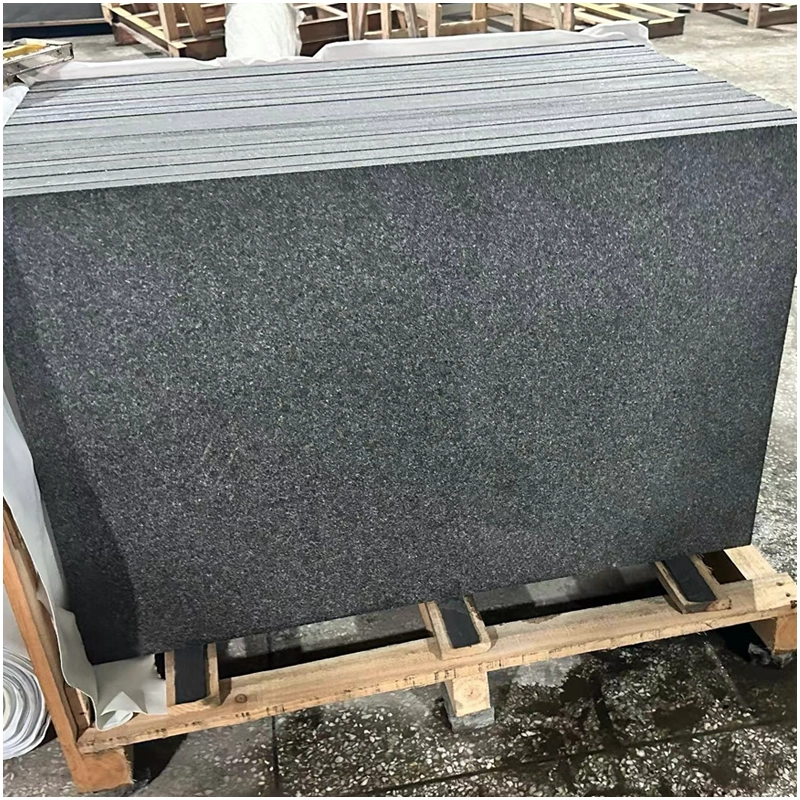
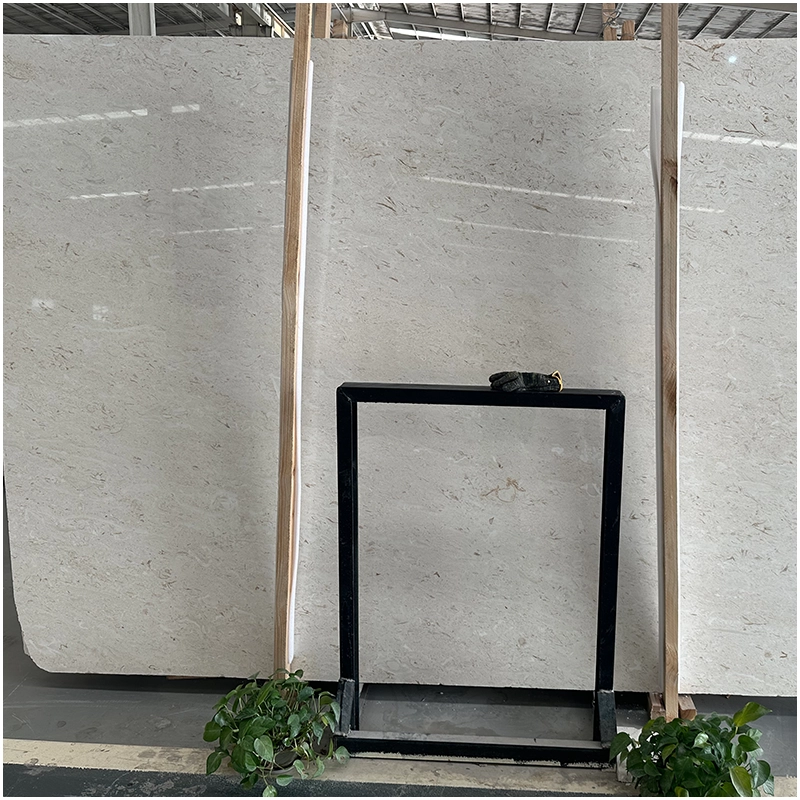
Where Ideas and Stone Converge
Architect (Elena, Milan): “Clients want natural luxury, but they also want sustainable sourcing. Can marble deliver both?”
Project Consultant (Daniel, Paris): “It can—if we rethink how we specify it. The new European slabs combine density, certification, and texture innovation. They’re durable, recyclable, and beautiful.”
Elena: “Then let’s lead the change. We’ll choose slabs that are both timeless and responsible.”
From that conversation came a design shift — marble slabs became more than decoration; they became a European design philosophy.

Why European Architects Are Redefining Marble Slabs in 2025
Sustainability first. Architects now demand CE-certified, responsibly quarried slabs with traceable origins and minimal carbon impact.
Texture over polish. Honed, leathered, and brushed finishes dominate, creating tactile experiences that align with biophilic design.
Large formats & precision cutting. CNC waterjet and 3D laser profiling now enable seamless 3-meter slabs for facades and interiors.
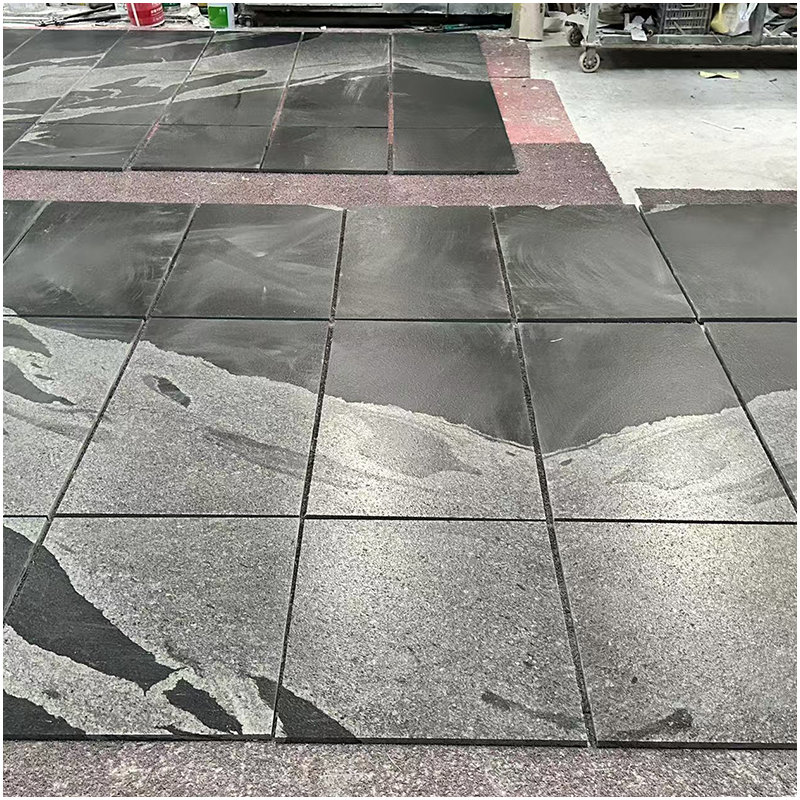
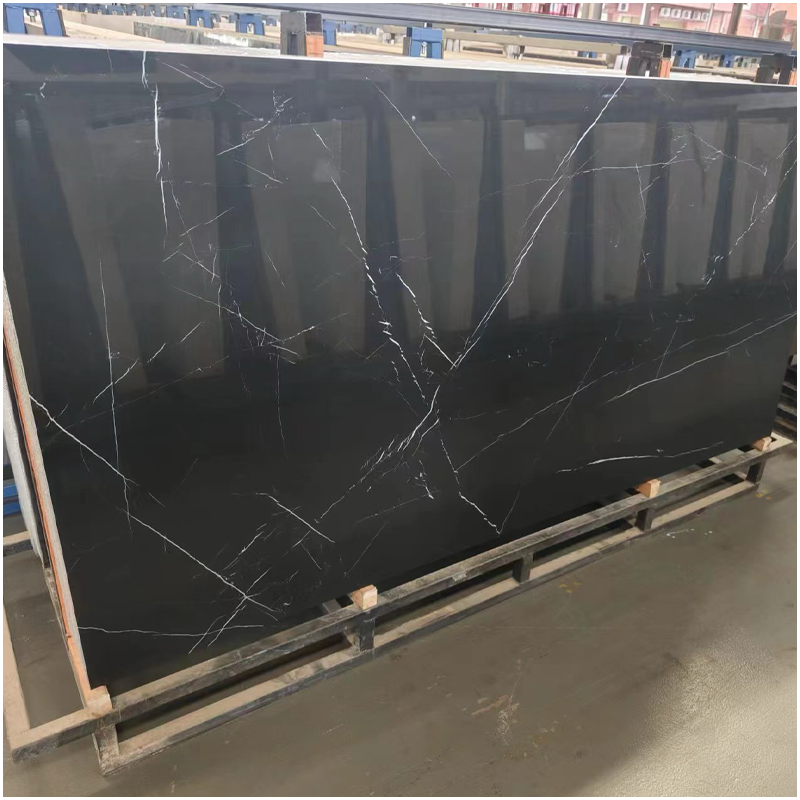
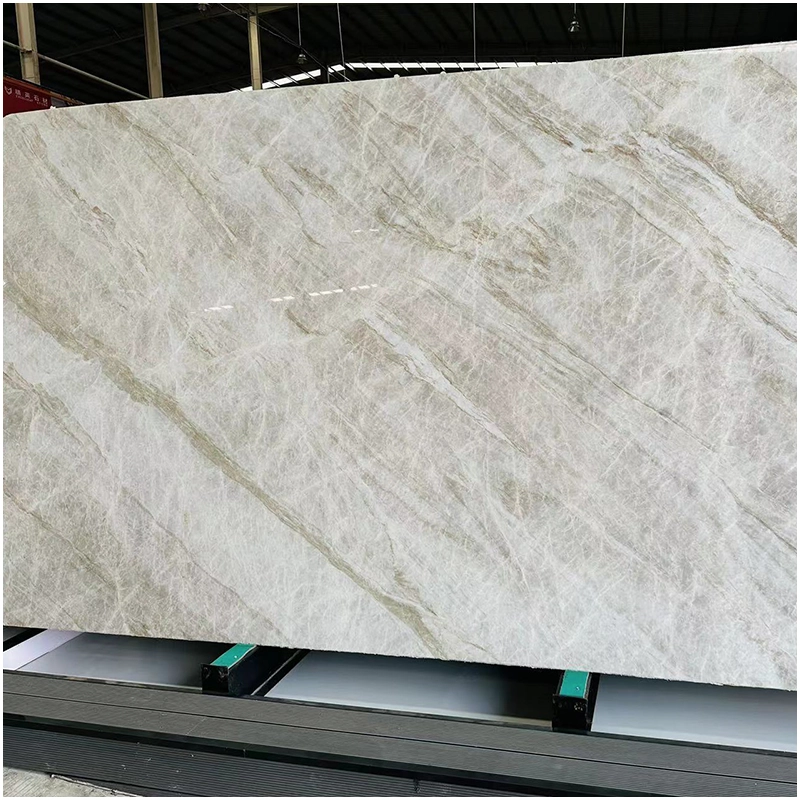
Neutral elegance. Shades of grey, beige, and green marbles replace traditional white, complementing minimalist and modern European aesthetics.

For U Stone’s Marble Slabs: Engineering Beyond Aesthetics
Material Selection & Quality Control
For U Stone sources premium marble slabs from sustainable quarries, each block graded by density (>2.6 g/cm³) and compressive strength (>100 MPa per ASTM C170).
Before export, slabs undergo 5-stage inspections — block cutting, resin reinforcement, UV curing, surface calibration, and polishing.
Surface Innovation
Compared to conventional suppliers, For U Stone integrates Italian polishing lines and diamond-honed finishing to achieve consistent gloss uniformity (±2 GU variance).
Available finishes: Polished, Honed, Leathered, Antique, and Sandblasted.
Precision Fabrication
Each slab is calibrated to ±0.5 mm thickness accuracy, ensuring compatibility with European architectural systems and curtain wall modules.
Clients can specify custom edge profiles, mesh reinforcement, or anti-slip treatments per EN 14231 standards.
While the term sometimes appears in unrelated searches (such as dessert brands like Marble Slab Creamery 🍨), within the architectural field it refers to large-format natural stone panels used for interior and exterior design.In Building & Design:Definition: A marble slab is a precisely cut piece of natural stone, typically 2–3 cm thick, used in floors, walls, countertops, and façades.Applications: Residential villas, hotels, museums, and luxury retail interiors.Finish Options: Polished, honed, leathered, sandblasted, or brushed for distinct textures.
Origin Sources: Predominantly quarried from Italy, Greece, Spain, and China.
Value Proposition: Combines durability, timeless aesthetics, and long-term property value.
Design Tip: When searching “marble slab,” always refine your query by purpose — e.g., marble slab for flooring, marble slab for walls, or grey marble slab for interiors — to find relevant architectural materials rather than consumer brands.
Expert Insights: What Europe’s Design Leaders Say
Dr. Markus Veldt, Senior Architect at Rotterdam Design Lab:
“The 2025 shift toward engineered natural stone is redefining public architecture. Marble slabs are no longer fragile—they’re climate-ready materials.”
Sophie Laurent, Paris Interior Atelier:
“Clients are returning to authentic surfaces. Polished porcelains are fading; marble slabs tell real geological stories.”
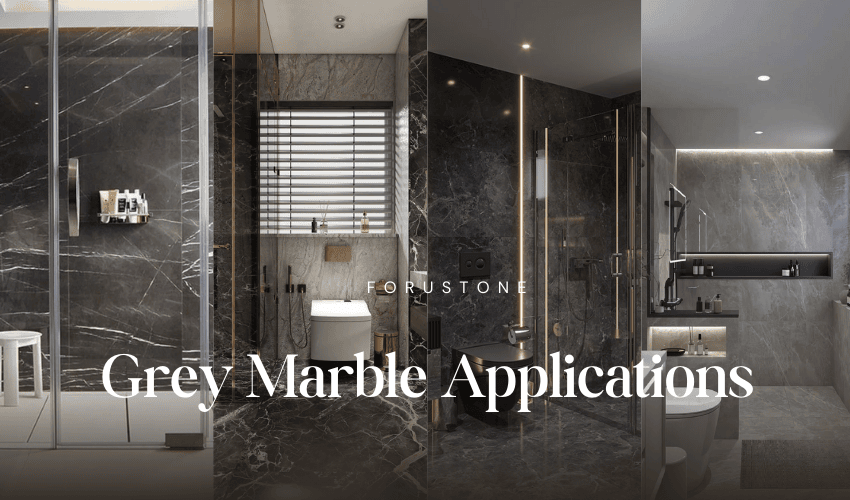
🛁 Case Study: Elevating Bathroom Design with Marble Slabs
When luxury meets engineering, the bathroom becomes more than a functional space—it transforms into a sanctuary of texture, light, and calm. In a recent European renovation project in Geneva, Switzerland, For U Stone’s grey marble slabs were used to redefine what a spa-inspired home environment can be.
Designer’s Note
“Bathrooms are becoming private wellness studios,” explains Sophie Laurent, interior designer and material consultant in Paris.
“Using large marble slabs eliminates the visual clutter of grout lines. The result is silence, flow, and serenity—materials become mood.”
Client Feedback
“The stone feels alive. Every shower feels like entering a calm cave,” said the homeowner.
“We expected aesthetics, but the biggest surprise was the comfort—the floor stays warm, and the texture feels natural, not synthetic.”
Scientific Data: Strength, Durability & Sustainability
| Property | Test Standard | For U Stone Slabs | Typical Marble |
|---|---|---|---|
| Density | ASTM C97 | 2.65 g/cm³ | 2.55 g/cm³ |
| Compressive Strength | ASTM C170 | 110 MPa | 85 MPa |
| Water Absorption | EN 13755 | 0.35% | 0.8% |
| Flexural Strength | ASTM C880 | 18 MPa | 12 MPa |
| CO₂ Emission per m² | EPD Certified | 8.2 kg | 13.5 kg |
Applications and Real Projects
-
Residential: Grey and white marble slabs for minimal living spaces in Copenhagen and Zurich.
-
Commercial: Polished marble lobby walls for Frankfurt’s business towers.
-
Hospitality: Leathered marble floors in Milan’s boutique hotels.
-
Cultural: Italian-style staircases in museums and public buildings.
Each project reflects Europe’s growing preference for precision-crafted marble slabs that balance longevity and design authenticity.
(Explore our collection at forustone.com/marbles/)
User Feedback: Voices from the Field
“Our installation team reported zero tolerance issues. Each slab fit like it was digitally mapped.” — Project Engineer, Munich
“Clients touch the honed marble walls every time they enter. It’s luxury that feels human.” — Designer, Barcelona

FAQ
1. What are the most popular marble slabs in Europe?
Grey, beige, and green tones dominate, including Hermes Grey, Pietra Grey, and Dreaming Green.
2. Are marble slabs durable for high-traffic areas?
Yes. When sealed and properly maintained, they outperform engineered stone in thermal stability and longevity.
3. Can marble slabs be eco-friendly?
For U Stone’s quarries use water recycling and solar curing, reducing energy footprint by 18%.
4. What finishes are trending in 2025?
Honed and leathered finishes are preferred for modern interiors, while brushed textures suit exteriors.
5. How to ensure consistent color when ordering in bulk?
Request block-matched slabs with crate mapping from For U Stone to ensure continuity in tone and vein flow.
References
-
European Stone Federation – “Trends in Sustainable Architecture 2024”
-
BuildingGreen Journal – “Natural Stone in Low-Carbon Construction”
-
ASTM International – C97 & C170 Standards for Natural Stone
-
EU Construction Portal – “Sustainable Building Materials 2025”
-
Architecture Digest – “The Return of Natural Marble in Modern Design”
-
CE Marking Institute – “Compliance in European Stone Supply Chain”
-
World Marble Market Report – “China’s Role in European Imports”
-
RIBA Journal – “Material Innovation in European Architecture”
-
Stone World Magazine – “Finishing Techniques in Global Marble Production”
-
For U Stone Technical Center – “Density, Water Absorption & DCOF Testing 2025”
“It’s a responsive material system—each slab is digitally traced, tested, and certified for structural performance. Marble’s emotional impact and geological authenticity bring stability to modern architecture. With technology-driven sourcing, density mapping, and carbon tracking, manufacturers like For U Stone are reshaping the narrative: marble is now both art and science, timeless yet measurable.”This fusion of craftsmanship and data is what makes modern marble slabs essential for Europe’s future cities — sustainable, elegant, and intelligently engineered.


