
Stone Container Loading Photo Record for Export Orders
Back in the day…, we had a resort floor package land in Europe after a long route change. The stone was fine. The crates were fine. The problem was that two crates had the same side mark after the waterproof label curled during rain at the loading yard. The site team opened crate C-18 first, thinking it held lobby border pieces, but it held corridor skirting. By the time my phone rang, four workers were standing around a half-open crate with a forklift waiting. Take it from me, that is when a missing photo record becomes expensive.
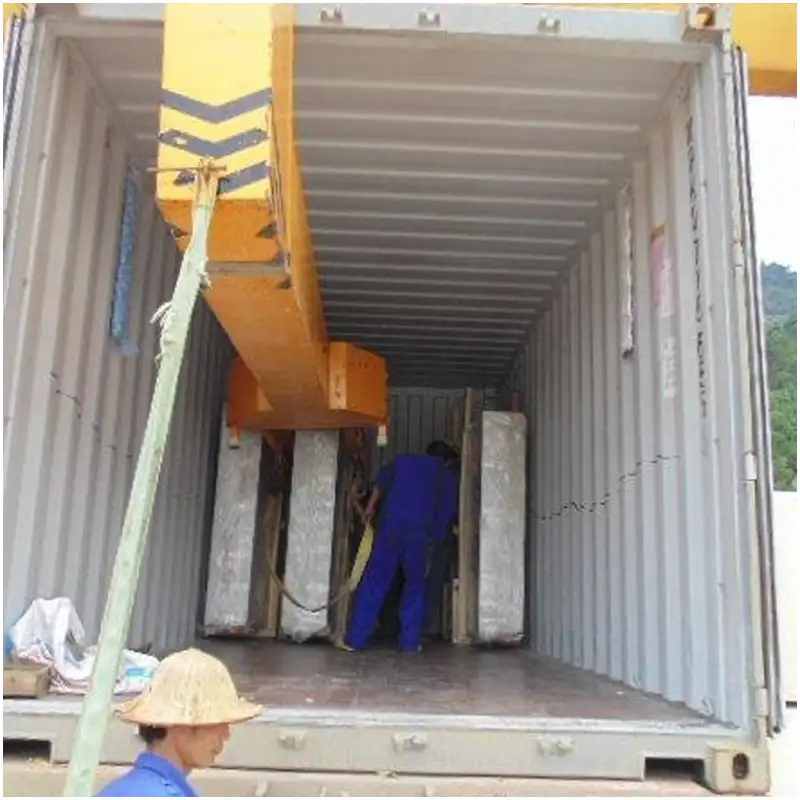
A stone container loading photo record is not a nice extra. It is the proof chain between factory inspection and site unpacking. When container routes are stable, weak records may hide for a while. When Middle East routes, depot return rules, or carrier schedules move around, every weak label and every missing crate angle becomes a dispute waiting for a tired project manager.
Yesterday’s article covered the packing checklist when freight routes change. Today I want to move one step later in the workflow: the last hour before the container door closes. That hour decides whether the Natural Stone Project Procurement: The Complete Step-by-Step Guide for Export Orders remains a clean process or turns into a guessing game at destination.
Why A Stone Container Loading Photo Record Matters Now
Freight uncertainty has made project evidence more valuable. Carriers may alter routing, empty container returns can move to different depots, and transit windows can stretch. I am not writing shipping news here. I am talking about what happens to a cut-to-size stone package when a container gets handled more than expected.
If the crate sequence is not photographed, nobody can prove whether the heavy crates sat on the floor, whether smaller pieces were protected, or whether spare pieces were loaded where the packing list says they were loaded. You can’t skip this step. A 20GP can look organized from outside and still hide a bad sequence behind the first two crates.
For large villa and hospitality packages, I want the loading record to match the drawing zones. If the job includes Revestimiento de pared de piedra caliza Plano for exterior walls, the crate code needs to follow elevation or area numbers. If the package includes bathroom thresholds, stair treads, or skirting, the labels need to show that clearly before loading.
From Final Inspection To Container Door: My Loading Workflow
I do not let the team jump from inspection to loading without a small pause. That pause saves trouble. Back in the day…, I used to trust a foreman when he said, “All marks are clear.” Now I ask for photos. Not because I doubt him. Because memory is not a project document.
Stage 1: Match Crate Numbers To The Packing List
The first stage is boring, and boring is good. Every crate number must match the packing list before the forklift moves. The crate number, project name, area code, piece range, gross weight, and direction mark need to be visible. If the crate holds fragile corner pieces or bookmatched panels, I want that noted on the mark.
Para un cut-to-size stone shipment, the packing list must speak the same language as the shop drawings. If the drawing says Lobby Wall A, the crate cannot say only “wall panels.” A site team under pressure will not decode factory shorthand at midnight.
Stage 2: Photograph Each Crate Before Loading
Before loading, I ask for front, side, top, and label photos. The label must be readable without zooming until your eyes hurt. If rain is possible, I want one photo after plastic wrapping too. Take it from me, waterproof labels sound unnecessary until one rainy loading afternoon turns black marker into gray fog.
When the project includes exterior stone like Peldaños exteriores de granito negro, the crate weight and anti-slip finish record matter. Heavy steps need bracing. Finished edges need protection. The photo set must show both.
Stage 3: Control The Loading Sequence
The loading order must follow weight, access, and site need. Heavy crates go low. Fragile or tall crates need side restraint. Spare pieces need a dedicated crate mark, not a random corner. If the site will open lobby crates first, do not bury them behind exterior-area crates or late-phase stock.
I usually ask the loading team to photograph the container in three steps: empty container condition, half-loaded condition, and final load before the door closes. Add one door-closed photo with the container number and seal number visible. Simple. Very useful.
Loading Record Table For Natural Stone Export Orders
This table is the version I would hand to a new project coordinator before a factory loading day. It keeps the record tight without turning the job into paperwork theater.
| Loading Step | Required Photo | Record To Match | Common Failure |
|---|---|---|---|
| Empty container check | Floor, wall, roof, door, container number | Booking and container release | Wet floor or old nails missed before loading |
| Crate pre-load check | Front, side, top, label, direction mark | Packing list and drawing area | Same mark used for two different crates |
| Half-load check | Crate position, bracing, bottom row sequence | Loading plan | Heavy crate placed behind fragile pieces |
| Final load check | Full container view before door closing | Final crate count | Spare crate loaded but not marked on list |
| Seal check | Door closed, seal number, container number | Bill of lading instruction | Seal photo missing or unreadable |
The Hard-Won Lesson: The Spare Crate Needs Its Own Identity
On a hotel job with 420 cut pieces, the factory packed 18 spare skirting pieces in a small plywood crate. The pieces were correct. The crate was strong. The mistake was that the crate was marked only as “SPARE” with no floor, area, or drawing code. At destination, the site stored it with attic stock and could not find it when two corridor pieces broke during installation. The replacement delay cost six working days and two angry coordination calls.
The Lesson: Mark spare pieces as if they are mission pieces, because one missing spare can stop a whole floor.
How I Name Crate Inspection Photos
A photo is only useful if people can find it. I have seen loading folders with names like IMG_8841 and IMG_8842. That is not a record. That is a digital junk drawer.
My naming rule is simple: project code, container number, crate number, view, and date. For example, HTP26_CTRU1234567_C18_FRONT_20260710. A stone container loading photo record named that way lets the site team search C18 and find the right crate in seconds.
The same naming habit works for products such as Baldosas de caliza Jura Beige when the package includes mixed tile sizes. The factory can group photos by size, area, and crate. The receiver can compare the same fields against the packing list.
What I Want In A Shipping Mark
A shipping mark protocol needs more than a logo and destination. I want project name, order number, crate number, area code, piece range, gross weight, net weight where available, size range, and handling direction. If the crate needs upright storage, write it big. If the crate contains left and right returns, write it where the receiver can see it.
You can’t skip this step. Ink fades, paper tears, plastic film reflects light, and forklift drivers do not read small text from five meters away. Use waterproof labels, stencil marks, and at least one inner list inside the crate. If the outside mark gets damaged, the inside record still helps.

How Loading Photos Protect The Site Team
Site teams do not care about our factory pride. They care about finding the right crate fast, opening it without damage, and installing the correct stone in the correct area. A loading photo set gives them a starting map.
For projects using Losa de granito blanco Viscount in lift lobbies or public floors, the site may need to open pieces in a planned sequence. If the crates arrive after a long transit, the first question is not “Did you pack it nicely?” The first question is “Which crate do I open first?”
That is why I connect this article back to Natural Stone Project Procurement: The Complete Step-by-Step Guide for Export Orders. Procurement does not end at deposit payment or slab approval. It ends when the correct pieces can be located, opened, and installed without turning the site into a detective office.
Understanding Loading Records in Today’s Export Market
Why Route Changes Make Records More Important
When freight routes change, containers may sit longer, pass through different hubs, or face different empty return procedures. None of that means every shipment is in danger. It does mean the record must be cleaner. If the crate is moved more than once, the loading evidence becomes the baseline for checking condition later.
A natural stone export order usually carries weight, fragility, and mixed piece sizes. That combination punishes loose paperwork. The better the loading record, the easier it is to separate factory packing issues from transit handling issues and site unpacking mistakes.
What To Do If A Problem Appears After Delivery
If a crate arrives damaged or the site cannot identify a piece, start with three steps. First, document the issue with clear photos before moving more stone. Second, do not proceed with installation until the affected crate and related area are checked. Third, contact the supplier with the original loading photos, packing list, seal record, and inspection photos for comparison. Take it from me, the first hour after discovery decides whether the case stays organized.
PREGUNTAS FRECUENTES
1. What belongs in a stone container loading photo record?
A complete record includes the empty container, each crate label, each crate before loading, the half-loaded container, the final loaded view, the closed door, the seal number, and the container number. I also want one copy of the packing list marked with crate sequence. The record needs to match the project drawing zones, not only the factory’s internal notes.
2. How many photos are enough for a 20GP stone container?
For a standard 20GP, I normally expect at least one empty-container set, two to four photos per crate, one mid-load photo, one final load photo, and one seal photo. A shipment with fragile wall panels, mixed sizes, or special spare pieces needs more. The goal is not to make a photo album. The goal is to remove doubt.
3. Why does the shipping mark matter if the packing list is correct?
The packing list stays in the document folder. The shipping mark is what the receiver sees on the crate. If the mark is vague, damaged, or duplicated, the receiver may open the wrong crate first. That causes delay, handling risk, and sometimes breakage. A good mark lets the site identify the crate without calling three people.
4. Can loading records help with insurance or damage claims?
They can help create a clearer timeline, especially when the photos show crate condition, bracing, container condition, and seal number before departure. I do not treat photos as magic protection. They are practical evidence. If a dispute starts, a clean record is much stronger than “we remember packing it correctly.”
5. What should I do first if a crate arrives damaged?
Take photos before unloading further, including the container number, seal, crate mark, damaged area, and any loose pieces. Do not continue installation from that crate until the damage is checked against the original inspection and loading record. Then contact the supplier with the full photo set, packing list, and delivery notes so everyone compares the same evidence.
Quick-Reference Checklist for Loading Photo Records
- Photograph the empty container before the first crate enters.
- Confirm every crate mark against the packing list before loading starts.
- Take readable front, side, top, and label photos for each crate.
- Record the half-loaded container before the back row disappears.
- Photograph spare piece crates with area codes and piece ranges visible.
- Capture the final load, closed doors, seal number, and container number.
Final Conclusion
A stone container loading photo record is not about making the factory look busy. It is about protecting the project when the container leaves our yard and enters a freight system we do not control. The record shows what was loaded, how it was loaded, where each crate sat, and whether the marks matched the packing list before the door closed.
If you only remember one thing, remember the spare crate. Label it like a main crate, photograph it like a main crate, and list it like a main crate. You can’t skip this step, and I would rather ask for one more seal photo than explain one missing crate to our FOR U STONE project partners.
Referencias
Red Sea / Gulf of Aden Situation, Maersk.
Middle East Operational Update, Maersk.
Red Sea Freight News, Xeneta.
How to Build a Freight Procurement Strategy That Holds Up When the Market Doesn’t, Xeneta.
Dimension Stone Design Manual, Natural Stone Institute.
ASTM International Stone Standards, ASTM International.
Google Search Central Editorial Notes, Google Search Central.