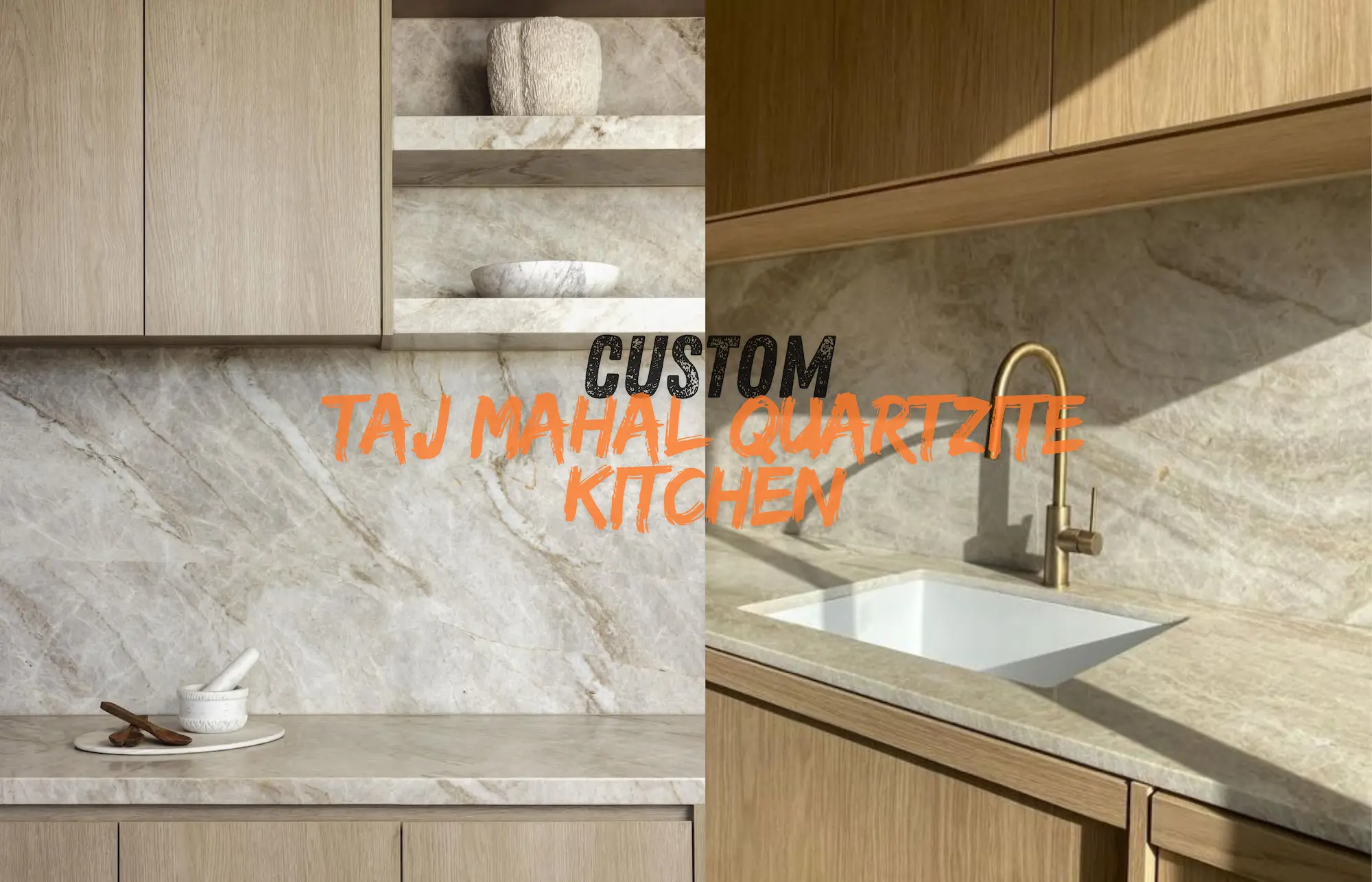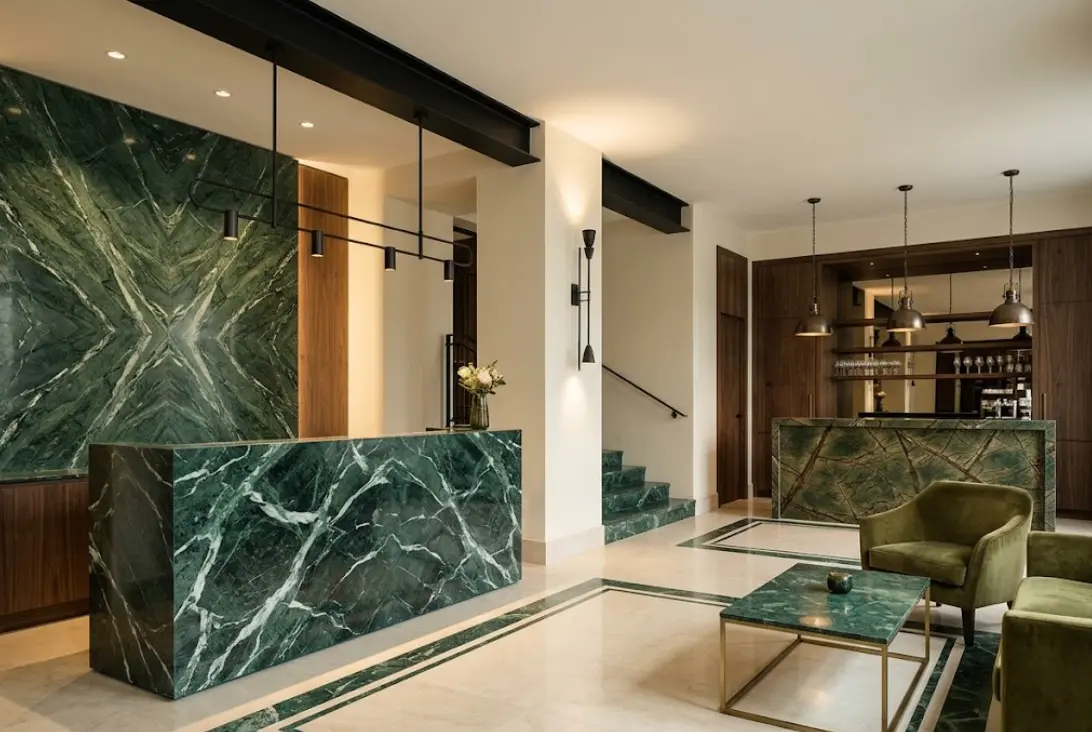
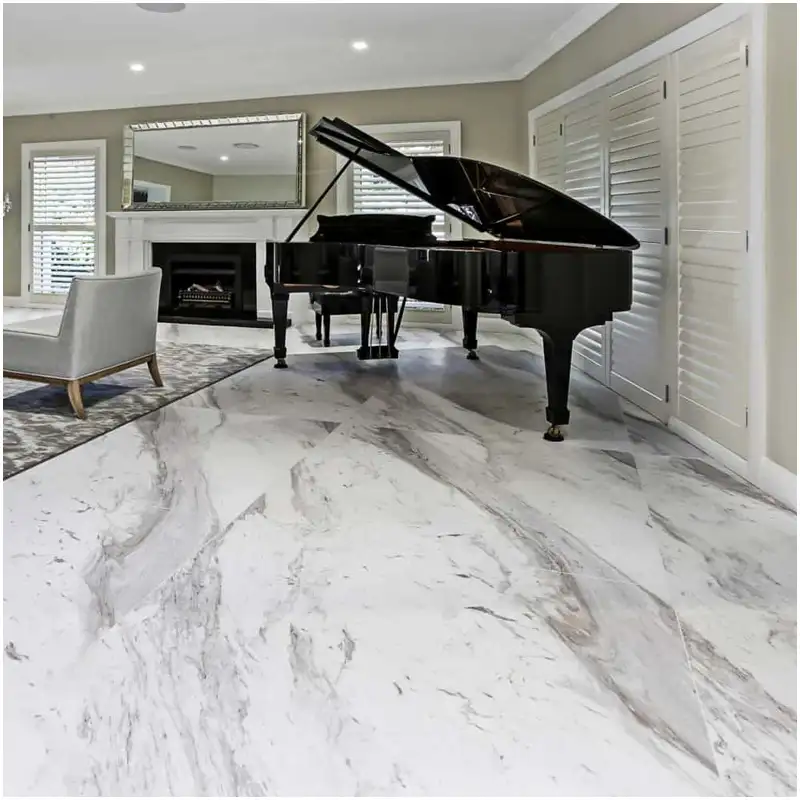
Quick summary
Resumen rápido: Honed, polished, and leathered natural stone finishes should be approved by application, not by finish name alone. A polished marble wall, honed bathroom floor, leathered granite counter, and textured exterior stone floor each need different checks for light, traffic, cleaning, edges, and packing before production.
Honed, polished, or leathered finish for natural stone floors and walls
A stone order can have the right material, correct sizes, and a strong layout, then still disappoint on site because the finish was approved too late. Finish changes how a slab reflects light, how veins read from a distance, how a floor feels under foot, and how a wall panel sits beside metal, glass, timber, paint, or lighting. It also affects production. A polished mármol panel may show stronger veining than the same slab in a honed finish. A leathered granito top may reduce mirror-like glare, but the texture still needs review against cleaning and use conditions.
FOR U STONE works with natural stone products, stone materials, marble, granite, quartzite, travertine, countertops, bathroom stone, flooring, wall cladding, and cut-to-size project pieces. For these product formats, finish approval belongs beside slab approval, drawing confirmation, edge details, inspection, packing, and export planning. It should not be treated as a small decorative preference after cutting has started.
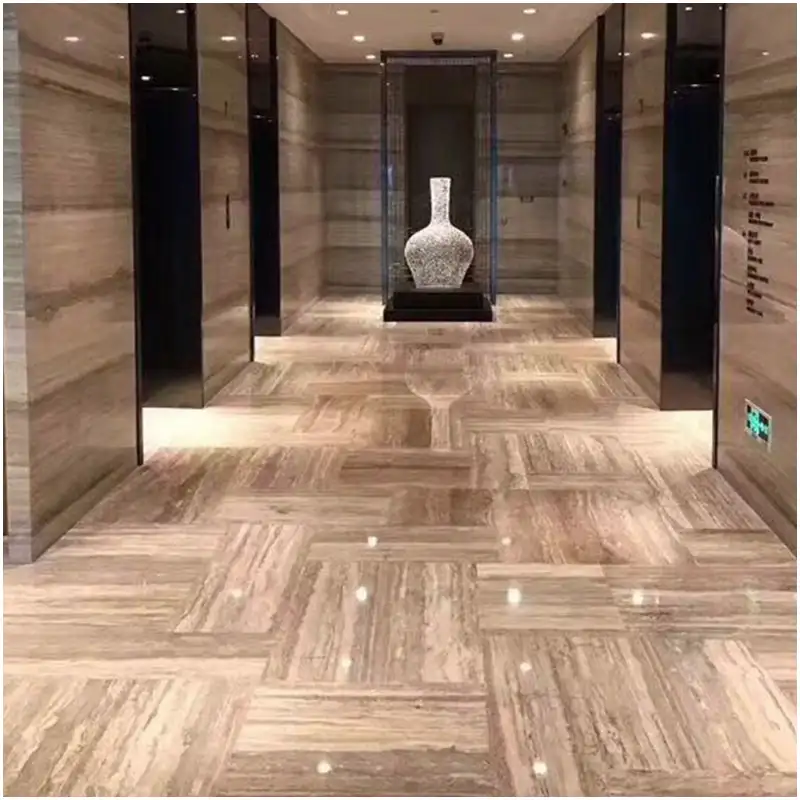
This guide compares honed, polished, and leathered finishes for natural stone floors and walls. It also explains how to request photos, finish samples, edge details, and packing records before a project order moves into production. It does not replace local code review, slip testing, installation engineering, or professional site judgement. Those checks matter most for wet floors, stairs, exterior paving, pool areas, and commercial walking surfaces.
Start with the application area
The finish should follow the place where the stone will be used. A hotel lobby floor, bathroom wall, villa stair, exterior terrace, shopping mall column, restaurant counter, and backlit feature wall do not ask the same things from the surface. Appearance matters, but the surface also needs to match traffic, water exposure, cleaning routine, lighting angle, installation method, and adjacent materials.
For floors, begin with traffic level, moisture, footwear, cleaning method, drainage, and slip review. A polished floor can look formal in a dry lobby, but it may not suit every wet or transitional area. A honed floor can reduce glare, yet some stones may show oils, scuffs, dark wet marks, or cleaning patterns. A textured surface can feel more secure in some locations, but a rough texture may hold dirt if maintenance is not planned.
For walls, the finish decision often leans more toward light, pattern, and seam control. A polished losa de mármol natural can bring out depth on a reception wall. A honed finish can calm strong veining on a long corridor wall. A leathered finish can give dark granite or some losas de cuarcita more texture. Wall cladding still needs suitable anchoring, backing, joint design, and installation review, so finish selection cannot stand in for technical detailing.
For stairs, the finish needs a stricter review than on a decorative wall. Treads, risers, nosings, landings, and exposed edges all influence performance and appearance. A finish that looks correct on a hand sample may not be suitable for the tread surface. Before approving stair production, confirm local requirements, finish consistency, edge profile, nosing treatment, thickness, and how the stone will be cleaned after installation.
What polished stone does well
Polished stone has a reflective surface and usually gives stronger color contrast than matte finishes. It can make veining, crystals, and depth more visible, especially on marble, exotic quartzite, dark granite, and selected decorative stones. For feature walls, hotel lobbies, elevator surrounds, reception counters, and selected stone countertops, polish can create a clean and formal appearance.
The same reflectivity can become a problem if the project does not plan for lighting. In bright rooms, polished stone may pick up strong reflections from windows, downlights, glossy metal trim, and glass. On large walls, reflection can make seams, lippage, slab differences, and installation marks easier to notice. On floors, polished stone may show dust, footprints, water marks, or fine scratches depending on the stone and use area.
Polished finish also makes variation easier to review before production. That is useful when checking veining, color, mineral movement, fissures, resin areas, and slab matching. It also means mismatched slabs are harder to hide after installation. For polished marble or quartzite walls, request full-slab photos, close-up photos, and layout images before cutting begins. If the project needs bookmatched panels, continuous backsplash movement, or symmetrical lobby walls, numbered slab photos are more useful than one small sample.
Polished stone is not automatically wrong for floors, but it needs a careful use-area review. Dry interior spaces, shoe type, cleaning routines, expected traffic, local requirements, and slip test information all matter. Wet bathrooms, exterior entries, pool decks, commercial kitchens, and stairs need more caution. A walking surface should be selected with testing and professional guidance, not with appearance alone.
Where honed stone works well
Honed stone has a lower sheen and a softer visual tone. It is often selected when the project needs the stone to feel calm, architectural, and less reflective. Honed marble can work well on bathroom walls, vanity walls, floor borders, residential corridors, fireplace surrounds, and soft-tone interiors. Honed travertino can suit villa walls and warm interior floors where a natural surface is preferred over gloss. Honed granite can reduce the visual weight of black, gray, or speckled stone.
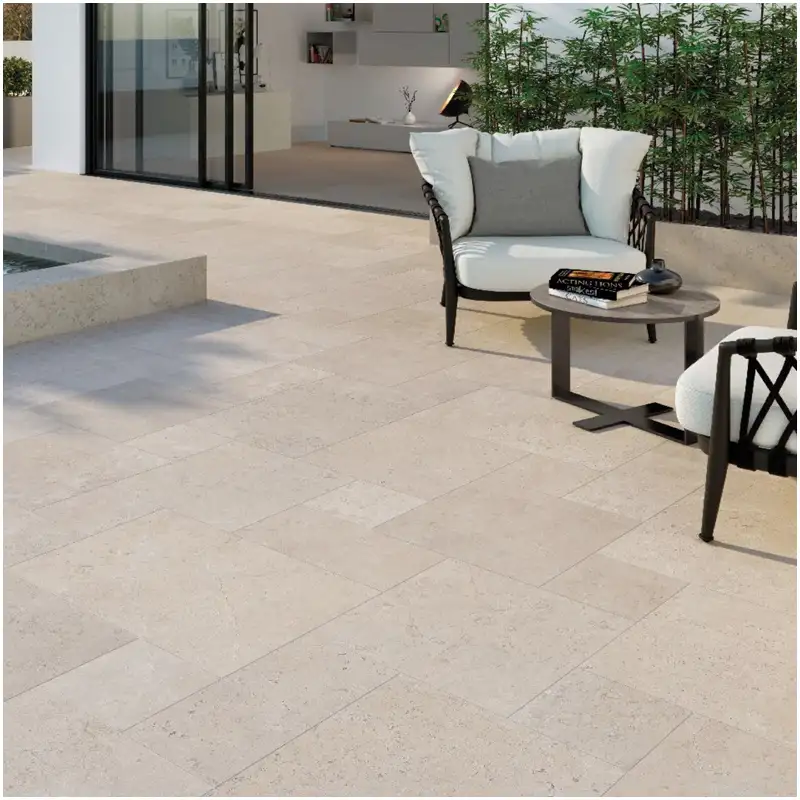
The main advantage of honed finish is visual control. It reduces glare, softens contrast, and can help large stone areas sit more quietly with plaster, wood, brushed metal, fabric, and painted surfaces. In bathrooms, a honed look often feels more relaxed than polish. In commercial corridors, it can keep the stone from competing with signage, lighting, and furniture.
Honed stone still needs careful approval. The finish can make certain stones look lighter, flatter, or slightly cloudier than the polished slab photo. Some honed surfaces show fingerprints, oils, dark wet marks, or cleaner residue more readily than expected. This is relevant for encimeras y lavabos, table tops, bar fronts, hand-contact walls, and bathroom surfaces.
For floors, honed finish can be practical in many dry interior applications, but it is not a universal answer. Stone type, finish depth, sealing plan, grout, cleaning chemicals, moisture, and local requirements affect the result. Wet rooms, exterior areas, and stair treads need project-specific review. A small honed sample can feel acceptable in the hand and behave differently across a full floor after grouting, sealing, cleaning, and regular traffic.
How leathered stone should be reviewed
Leathered stone has a textured surface that follows or reveals parts of the stone’s natural structure. It is often used on darker granite, selected quartzite, and some strong-pattern stones where a tactile surface suits the design. It can look more relaxed than polish and more dimensional than a flat honed finish.
Leathered finish can reduce mirror-like reflection. It may also make fingerprints or minor surface marks less obvious on some materials. That can be useful for bar tops, display counters, fireplace walls, stone tables, feature walls, and selected bathroom stone surfaces. Texture, however, is not the same as easy maintenance. A deep or open texture can hold dust, soap residue, cooking oil, grout haze, or cleaning residue if it is used in the wrong place.
When reviewing leathered finish, request close-up photos at an angle, side-light photos, and short videos when possible. Flat front photos do not always show how the texture catches light. Confirm whether the finish is consistent across all slabs. Some stones leather more evenly than others. If a project uses large wall panels, multiple countertop pieces, or long bar tops, uneven texture can become visible after installation.
Leathered finish also needs an edge discussion. A polished edge on a leathered top can look disconnected if the transition is not planned. A matching textured edge may be harder to produce consistently, depending on the profile and equipment. For stone countertops, vanity tops, tables, shelves, stair pieces, and thick wall returns, ask for edge samples or production photos before approving the final detail.
Compare finish options by project use
| Aplicación | Finish direction to review | Checks before approval |
|---|---|---|
| Hotel lobby floor | Polished or honed, depending on traffic and slip review | Lighting, local slip requirements, cleaning routine, joint layout, replacement slab availability, and inspection photos |
| Bathroom wall | Honed or polished, depending on design and cleaning plan | Water exposure, sealant plan, wall layout, vein direction, fixture holes, and full-slab matching |
| Feature wall | Polished, honed, or leathered, depending on light and material movement | Full-slab layout, anchoring method, lighting direction, bookmatch plan, and seam placement |
| Countertop or vanity top | Polished, honed, or leathered after stain and cleaning review | Edge detail, sink cutout, faucet holes, sealing plan, fabrication tolerance, and care expectations |
| Exterior floor or stair | Textured finishes such as flamed, brushed, or sandblasted may be more relevant than polish | Weather exposure, slip testing, drainage, thickness, installation method, and local codes |
This comparison is a starting point. A polished wall can work in one hotel and feel too reflective in another. A honed bathroom floor can be acceptable in one layout and unsuitable in another because drainage, cleaning, and local rules differ. The safest approval process compares the actual stone, actual finish, and actual application conditions before production.
What to request before confirming a finish
Finish approval should use more than one small hand sample. Ask for photos of the proposed slabs before finishing and after finishing when practical. For marble, compare tone, resin visibility, veining, fissures, and surface clarity. For granite, review mineral movement, dark areas, edge finish, and polish consistency. For quartzite, review veining, crystal structure, natural fissures, resin-filled areas, and any zones that need reinforcement or special fabrication care.
For large wall or floor orders, request a finish control sample that the production team can keep as a reference. The sample should show the stone name, finish name, date, project name, and approval status. If the project includes more than one batch, confirm how color and finish consistency will be checked before packing. Natural stone varies by slab, and finish can make that variation more or less visible.
For cut-to-size work, the finish should be approved before final production drawings are released. A change from polish to honed finish may affect edge treatment, touch-up method, protection film, cleaning, and final inspection. A change to leathered finish may affect edge consistency and packing protection. When drawings, finish, and edge profile are approved together, the production path becomes easier to control.
For wall cladding, confirm whether the face, edge returns, miters, and visible sides need the same finish. For exterior or wet areas, ask which tests, standards, and local requirements apply. For backlit stone, review the finish with light behind the slab because surface treatment, resin, and stone thickness can change the way the panel reads under illumination. FOR U STONE’s backlit stone wall materials should be checked with the lighting condition in mind, not only under room light.
How finish affects inspection and packing
Finish is also an inspection and packing issue. Polished slabs and panels can show scratches, rub marks, and protection problems quickly. Honed surfaces may show handling marks if the protection material is unsuitable. Leathered surfaces may hold packing dust if panels are not cleaned before inspection. The finish should guide how pieces are separated, covered, labeled, and checked before shipment.
For polished marble slabs and exotic losas de cuarcita, inspect the face under angled light. For honed pieces, inspect for cloudy areas, uneven sheen, oil marks, sanding lines, and inconsistent surface tone. For leathered pieces, inspect texture depth, edge transition, open pits, and residue. Useful inspection photos show the full piece, label, edge detail, surface close-up, and crate number.
Packing should protect the finished face without creating new marks. The correct method depends on material, finish, thickness, size, destination, and transport route. A general crate photo is not enough for a complex order. Request packing photos that show face protection, corner protection, piece labels, crate marking, and piece sequence where installation order matters.
Wood packaging may also need destination review. ISPM 15 covers wood packaging material in international trade, including crates, boxes, packing cases, dunnage, and pallets made from raw wood. When wooden packaging is used for export, confirm treatment and marking requirements for the destination before shipment planning is finalized.
How finish decisions connect to project control
What the finish decision controls
The finish controls surface reflection, color depth, vein contrast, hand feel, edge appearance, cleaning behavior, inspection method, and packing protection. It also changes how the same marble, granite, quartzite, or travertine reads in a bathroom, lobby, stair, exterior floor, or wall panel.
Why finish approval should happen before cutting
Late finish changes can affect edge profiles, miter returns, sink cutouts, touch-up work, inspection standards, protection film, and crate separation. Approving finish, drawings, and edge details together gives the factory and project team one shared reference before production starts.
How to compare options without overcomplicating the order
Use the actual application area as the filter. For floors, review slip, cleaning, traffic, and moisture. For walls, review lighting, seams, and slab movement. For countertops and vanity tops, review edge details, stain exposure, and cleaning. For exterior areas, review weather, drainage, and local requirements.
Options that may be better than the first finish choice
Polished stone may be the right choice for a feature wall but too reflective for a long corridor. Honed stone may calm a bathroom but show oils on a counter. Leathered stone may suit a bar top but need a cleaning plan. For exterior floors, brushed, flamed, sandblasted, or other textured finishes may deserve more attention than polish.
Considerations before sending the inquiry
Send the material name, surface application, drawings, size list, preferred finish, edge detail, quantity, project location, and any local testing requirement. Add photos of the target look if available, but treat them as visual references rather than production approval.
Related stone project guides
PREGUNTAS FRECUENTES
1. Is polished natural stone always better for wall panels?
No. Polished stone can make marble, granite, and quartzite colors look deeper, and it can make veining more visible. It can also create glare and make seams, slab differences, or installation marks easier to notice. Honed or leathered finishes may work better when the wall is long, strongly lit, or close to reflective metal and glass.
2. Can honed marble be used for bathroom floors?
Honed marble can be used in some bathroom floor designs, but the decision should depend on the specific marble, finish texture, drainage, cleaning routine, sealing plan, slip review, and local requirements. A small sample is useful for appearance, but it does not replace testing or professional review for wet walking surfaces.
3. Does leathered granite need special cleaning?
Leathered granite may need different cleaning attention because the textured surface can hold dust, soap residue, oils, or grout haze if the texture is too open. Before production, confirm how deep the leathered finish will be, which cleaner is suitable, and whether the surface fits the room’s maintenance routine.
4. Should the stone edge match the face finish?
Often it should, but the answer depends on the product and edge profile. Countertops, vanity tops, stair treads, wall returns, shelves, and table tops can look unfinished if the edge and face do not relate well. Ask for edge samples or production photos before approving polished, honed, or leathered edge details.
5. What photos should be requested before approving a stone finish?
Request full-slab photos, close-up surface photos, angled-light photos, edge photos, and finished-piece inspection photos. For large wall, floor, countertop, or stair orders, ask for numbered slabs and layout images so the finish approval connects to the actual pieces that will be cut, packed, and shipped.
Final Conclusion
The right natural stone finish is the one that fits the material, application area, lighting, traffic, cleaning routine, edge detail, and installation method. Polished stone can bring clarity and reflection. Honed stone can make large surfaces quieter. Leathered stone can add texture and reduce gloss. None of these finishes should be approved by name alone.
Before confirming floors, walls, stairs, bathroom stone, countertops, vanity tops, or exterior stone, review current slab photos, finish samples, edge details, testing needs, inspection photos, and packing protection. For a FOR U STONE project order, send drawings, target material, preferred finish, quantity, application area, and project location so the finish can be checked together with production and export details.
If you are still comparing material choice, slab approval, cut-to-size drawings, inspection, packing, and shipment together, start with FOR U STONE’s natural stone project procurement guide before confirming the full project package.

Referencias
- Standard Guide for Selection of Dimension Stone, ASTM Committee C18, ASTM International, ASTM C1528/C1528M.
- Stone Cold: Dimension Stone Standards, ASTM Staff, ASTM International, Standardization News.
- Dimension Stone Design Manual, Natural Stone Institute, Natural Stone Institute technical manual.
- Standards and Specifications for Natural Stone Products, Natural Stone Institute, Natural Stone Institute technical resource.
- Dynamic Coefficient of Friction, Tile Council of North America, TCNA Resource Center.
- ANSI A326.3 Dynamic Coefficient of Friction of Hard Surface Flooring Materials, ANSI A108 Accredited Standards Committee, Tile Council of North America standards publication.
- Regulation of Wood Packaging Material in International Trade, International Plant Protection Convention Secretariat, IPPC, ISPM 15.
- Standard Guide for Selection, Design, and Installation of Exterior Dimension Stone Paving Systems, ASTM Committee C18, ASTM International, ASTM C1950/C1950M.