A Marble Background Wall is usually the first surface people notice when they enter a living room, hotel lobby, villa hall, reception area, or luxury suite. It can make a space look more expensive, more architectural, and more finished. But it can also become visually heavy, messy, reflective, or unsafe if the design only focuses on “beautiful marble” and ignores layout, lighting, fixing method, wall strength, and long-term maintenance.
Designing a marble background wall is not the same as choosing wallpaper. Marble is a natural stone material with weight, thickness, vein direction, color variation, surface finish, and installation requirements. A successful design must balance aesthetics and engineering. The wall must look beautiful from the front, but it also needs correct substrate preparation, suitable fixing method, safe panel sizing, controlled seams, and proper packing before installation.
For buyers, contractors, and designers sourcing marble wall panels from a supplier or factory, the decision should begin with material options. A professional marble slabs and wall cladding collection helps buyers compare white marble, beige marble, grey marble, black marble, green marble, and bookmatched marble before deciding which stone style fits the room, budget, and installation condition.
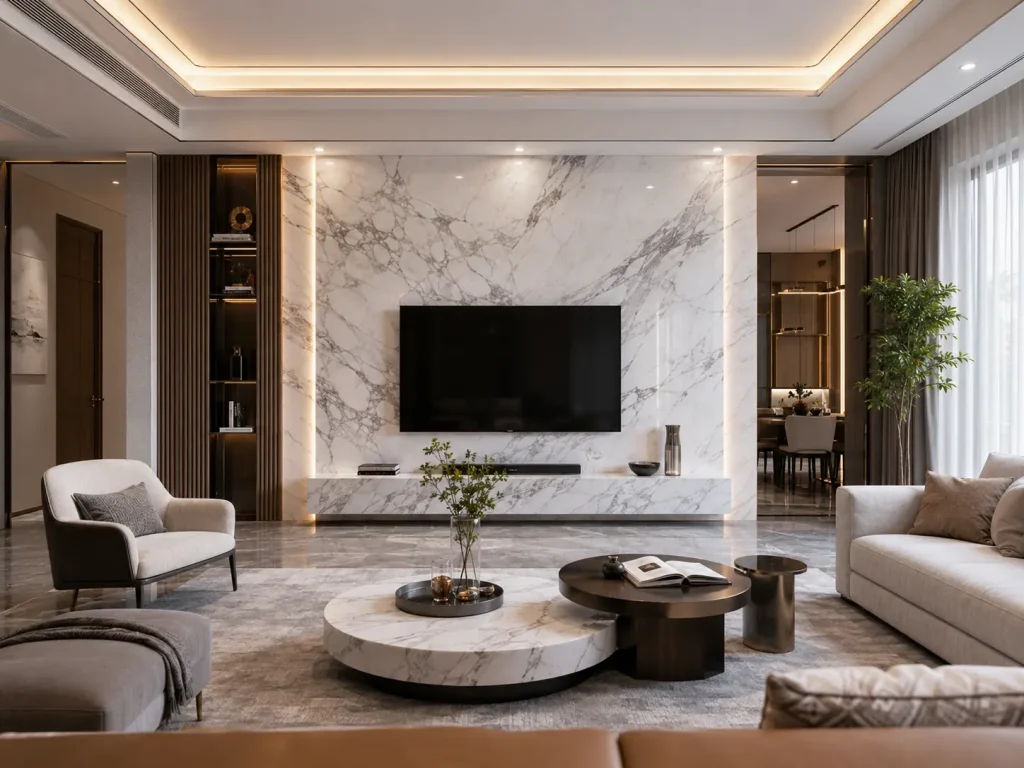
What Is a Marble Background Wall?
A Marble Background Wall is a decorative interior wall surface finished with marble slabs, marble tiles, or custom marble panels. It is commonly used behind a TV, sofa, fireplace, reception desk, bed headboard, bathtub, vanity, elevator lobby, restaurant wall, or hotel entrance. The goal is not simply to cover a wall. The goal is to create a visual center using natural stone color, veining, texture, reflection, and lighting.
Compared with paint, wallpaper, wood veneer, or ceramic tile, marble gives a more permanent and premium visual effect. Every slab has natural variation, so the wall feels custom instead of repetitive. Polished marble creates a brighter and more luxurious surface. Honed marble creates a softer and calmer wall. Bookmatched marble creates an artistic symmetrical effect that is especially powerful in luxury villas and hotel lobbies.
However, marble must be treated as both a design material and a construction material. Large panels are heavy. Veins must be planned. The wall must be strong enough. Lighting must be controlled. The finish must match the room use. If the wall is in a bathroom or spa, waterproofing and sealing are important. If the wall is behind a TV, glare must be controlled. If it is a hotel lobby wall, dry lay, numbering, and mechanical fixing may be required.
| Wall Finish | Visueller Effekt | Dauerhaftigkeit | Luxury Level | Beste Verwendung |
|---|---|---|---|---|
| Farbe | Simple and clean | Mittel | Niedrig | Budget walls |
| Wallpaper | Decorative patterns | Low to medium | Mittel | Light-use interiors |
| Wood veneer | Warm and natural | Mittel | Medium-high | Warm residential spaces |
| Ceramic tile | Practical and repeatable | Hoch | Mittel | Bathrooms and commercial walls |
| Marble Background Wall | Natural, unique, premium | High with correct use | Sehr hoch | Villas, hotels, living rooms, lobbies |
Best Places to Use a Marble Background Wall
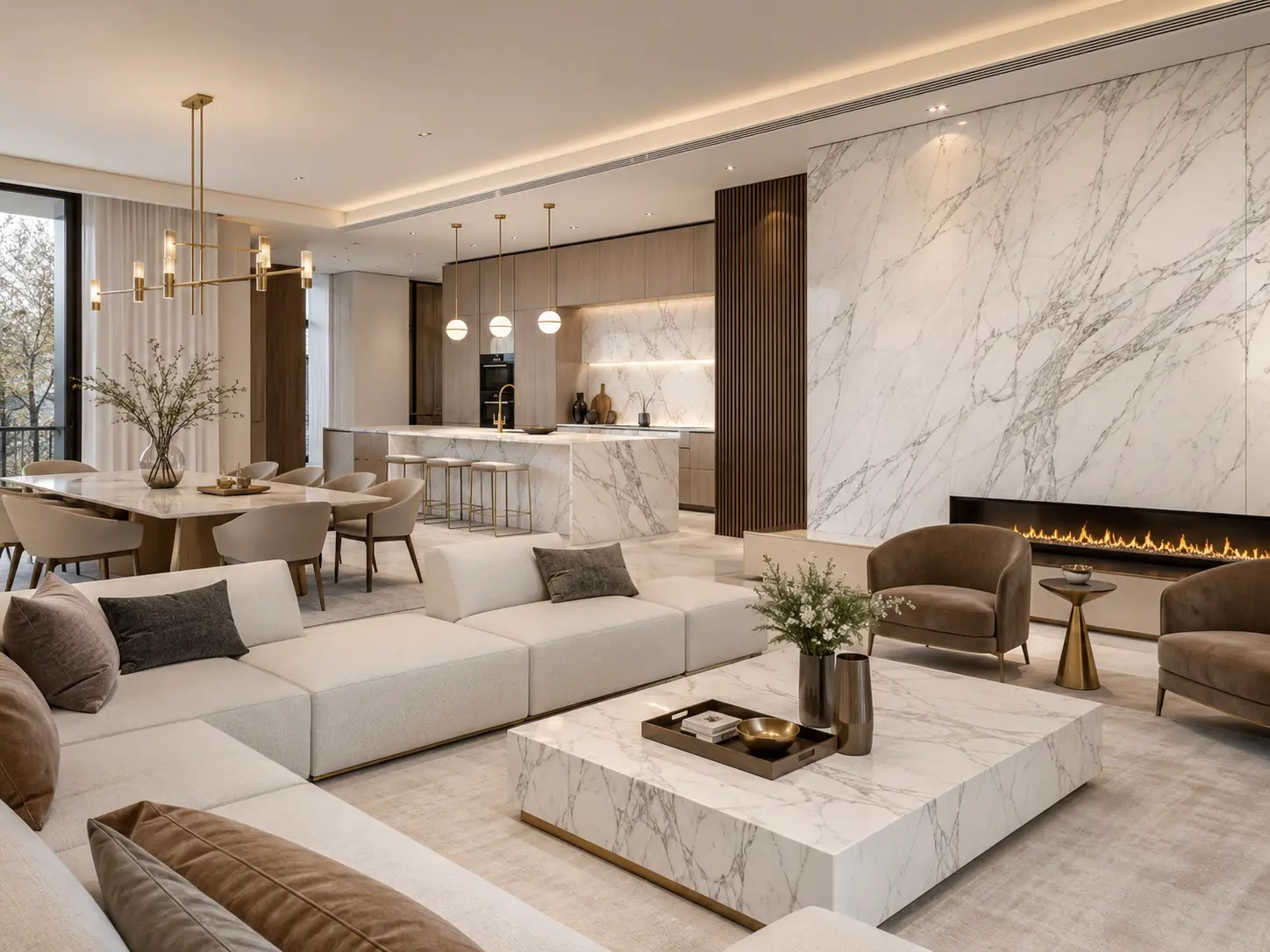
The most common residential use is the living room TV background wall. Marble works well behind a TV, media cabinet, fireplace, or display shelf because it creates a strong architectural focal point. Large slabs reduce seams and make the wall look more expensive. However, overly busy veins directly behind the TV can distract viewers, especially in small rooms. Calm white, beige, or grey marble often works better for daily living rooms.
A marble sofa background wall is another strong option. It can add depth behind a sofa without needing too many decorations. It works with leather sofas, fabric sofas, metal trims, wood panels, and hidden lighting. For bedrooms, marble should be softer and warmer because aggressive veins or cold colors may make the room feel less restful.
For more detailed design direction, buyers and designers can review a broader marble feature wall guide before choosing between TV walls, sofa walls, fireplace surrounds, lobby walls, and bathroom feature walls. The right application determines the right stone, the right finish, and the right installation method.
| Weltraum | Recommended Marble Style | Design Goal | Risk to Avoid |
|---|---|---|---|
| Living room TV wall | White, grey, beige, soft bookmatched marble | Create visual focus | Too much vein behind the screen |
| Sofa wall | Soft-veined marble | Add depth and warmth | Overly dark stone in small rooms |
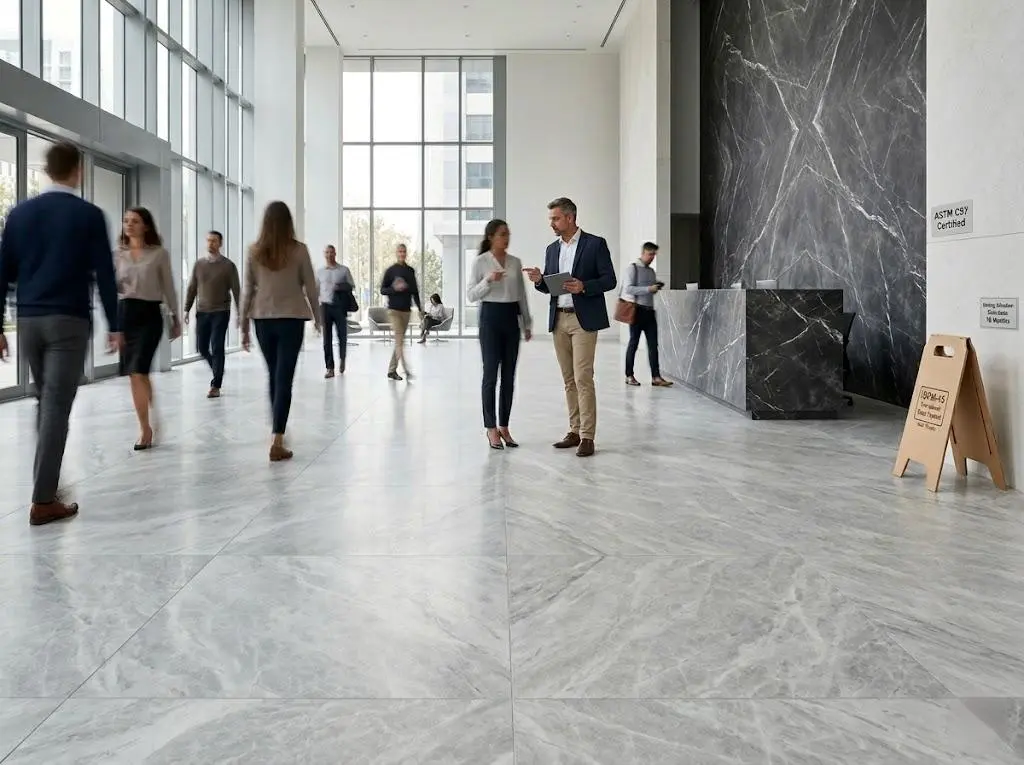
| Hotel lobby | Large-format dramatic marble | Luxury first impression | Poor dry lay and vein mismatch |
| Fireplace wall | White, beige, grey, or dark marble | Elegant focal point | Wrong backing or heat detail |
| Bathroom wall | Honed or polished marble panels | Spa atmosphere | Weak waterproofing |
| Bedroom wall | Warm neutral marble | Calm luxury | Cold or aggressive veining |
How to Choose the Right Marble Color
Color is the first emotional decision in marble background wall design. White marble creates brightness and timeless elegance. Beige marble creates warmth and comfort. Grey marble creates calm modernity. Black marble creates drama. Green, red, blue, and exotic marbles create artistic focal points. The best choice depends on room size, furniture, lighting, flooring, and how strong the wall should feel.
For small apartments and daily living rooms, soft white or light beige marble is often safer because it keeps the space open. For large villas, bookmatched marble with stronger veins can create a powerful luxury statement. For hotel lobbies and reception walls, dramatic marble can work well because the wall is meant to impress guests quickly. For bedrooms, a quiet warm tone usually feels more comfortable than a cold, high-contrast stone.
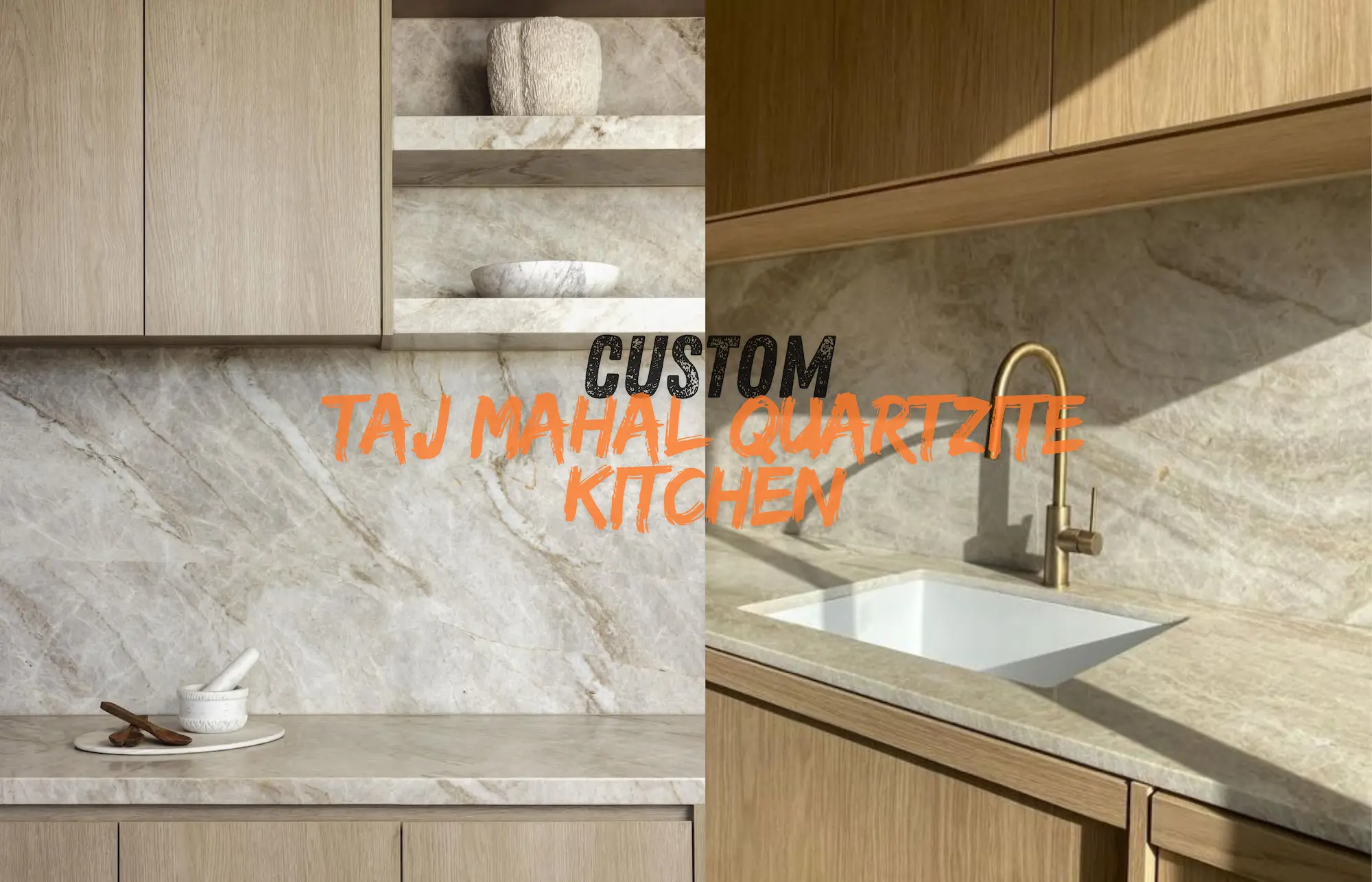
Many buyers hesitate between grey and beige because both are practical. Grey feels modern, calm, and architectural. Beige feels warmer, softer, and more residential. A useful comparison such as gray marble or beige marble for background wall decoration can help buyers decide whether the space needs a cooler modern mood or a warmer family atmosphere.
| Marmor Farbe | Visuelle Stimmung | Best Space | Buyer Advice |
|---|---|---|---|
| Weißer Marmor | Sauber, hell, zeitlos | Living room, hotel suite, bathroom | Choose vein scale carefully |
| Beige Marmor | Warm, soft, welcoming | Villa, lobby, bedroom | Good for long-term comfort |
| Grauer Marmor | Modern, calm, architectural | Minimalist living room, office | Pair with warm lighting |
| Schwarzer Marmor | Bold, dramatic, luxurious | Large living room, lobby, bar | Avoid overuse in small rooms |
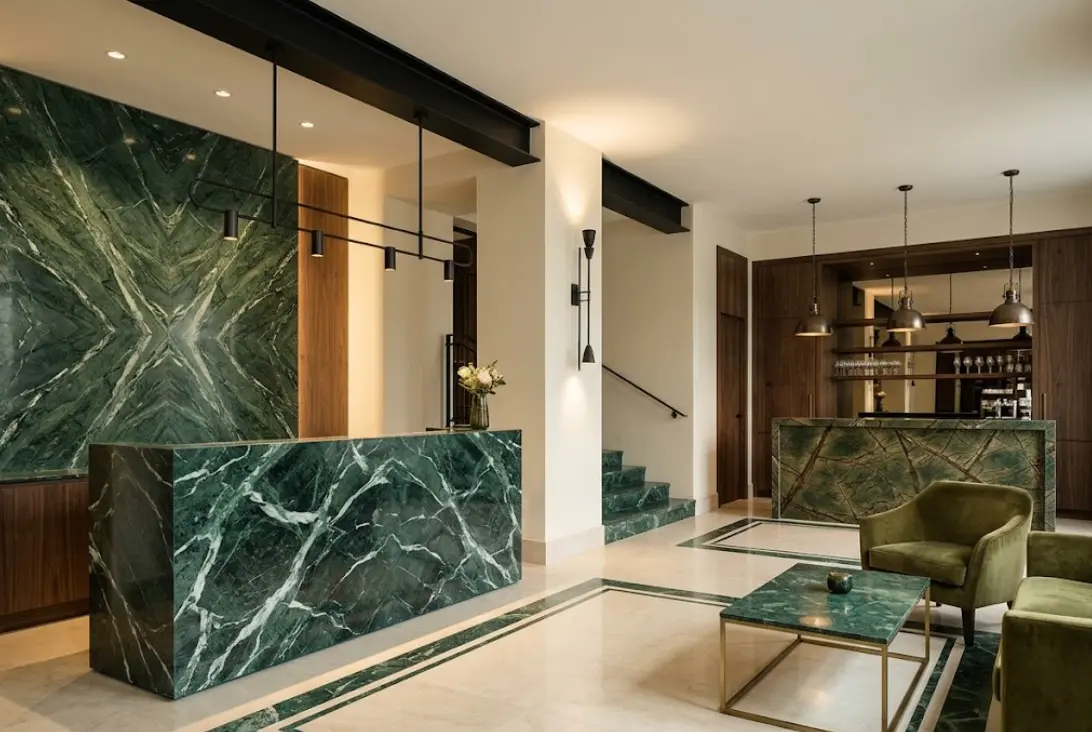
| Grüner Marmor | Natural, artistic, premium | Feature wall, boutique space | Match with simple furniture |
| Red or brown marble | Warm and expressive | Restaurant, fireplace, villa | Use as a controlled accent |
Choosing the Right Marble Pattern and Vein Direction
Pattern is where many marble background wall projects succeed or fail. Linear veins can make a space feel wider or taller depending on direction. Horizontal veins are often used for TV walls and sofa walls because they guide the eye across the room. Vertical veins can make a lobby, elevator background, or stair hall feel taller. Soft cloudy veins create a calm daily-use wall. Dramatic veins create strong visual impact but need a larger space and simple surrounding materials.
Bookmatched marble is one of the most luxurious background wall options. Two or more slabs are mirrored to create symmetrical patterns. This can look like natural artwork, especially behind a reception desk, fireplace, or villa living room. But bookmatching requires careful slab selection, cutting, dry lay, numbering, and installation control. If the supplier ships random slabs, the result can look broken instead of premium.
For modern luxury spaces, white marble remains one of the most versatile choices because it can be calm or dramatic depending on the vein pattern. Buyers looking for broader inspiration can review white marble design ideas for modern luxury interiors to compare how light stone, vein direction, metal trims, furniture, and lighting can work together in a complete interior.
| Vein Type | Beste Verwendung | Visueller Effekt | Risk |
|---|---|---|---|
| Linear veins | TV wall, corridor wall, sofa wall | Directional and architectural | Wrong direction looks messy |
| Soft veins | Bedroom, bathroom, daily living room | Calm and elegant | May look too plain if lighting is weak |
| Bold veins | Lobby, villa wall, fireplace | Dramatic and premium | Can overpower small spaces |
| Bookmatched veins | Hotel lobby, luxury villa | Artistic and symmetrical | Needs careful slab matching |
| Random veins | Rustic or artistic interiors | Natural and relaxed | Harder to control consistency |
Slab Size, Tile Size, and Panel Layout
Large marble slabs create the most seamless luxury effect. Fewer joints make the wall look cleaner, especially in villas, lobbies, living rooms, and fireplace walls. But large slabs are heavier, more difficult to transport, and more demanding to install. They may require mechanical fixing, stronger wall substrates, professional lifting, and accurate drawings.
Cut-to-size panels are practical for hotel and commercial projects because they can match exact wall dimensions. They also allow dry lay, numbering, and installation sequence planning. Marble tiles are easier to transport and install, but they create more grout lines. Tiles may work well for smaller bathrooms and budget-sensitive walls, but they usually feel less seamless than slabs.
For fireplace and feature wall applications, weiße Marmorplatten can create a clean and timeless statement when panel size and vein layout are controlled. Buyers planning this type of installation can study luxurious feature walls and fireplaces with white marble slabs to understand how slab selection, layout, and lighting influence the final luxury effect.
| Format | Vorteil | Limitation | Beste Verwendung |
|---|---|---|---|
| Full slabs | Few seams and strong luxury effect | Higher handling and installation cost | Villas, lobbies, feature walls |
| Cut-to-size panels | Accurate and project-friendly | Needs drawings and dry lay | Hotels and commercial interiors |
| Marmorfliesen | Easier handling and lower cost | More grout lines | Bathrooms and small walls |
| Mosaic or waterjet panels | Decorative detail | Not ideal for large calm walls | Borders, accents, boutique walls |
Surface Finish Selection for Marble Background Walls
The surface finish changes both appearance and maintenance. A polished finish is reflective, bright, and luxurious. It is popular for living room TV walls, hotel lobbies, reception walls, and premium feature panels. However, polished marble can create glare if lighting is too strong or if it sits directly behind a TV screen.
A honed finish creates a softer matte effect. It is useful for bedrooms, bathrooms, modern walls, and spaces where glare should be reduced. Honed marble may need good sealing because matte surfaces can be more absorbent than polished surfaces. Brushed or leathered finishes add texture and can work in natural or rustic interiors, but they should be sampled before use because texture changes the way marble reflects light.
The finish should match both the space and the cleaning routine. A hotel lobby wall may need a finish that looks premium and is easy to wipe. A bathroom wall needs water resistance and sealing. A living room TV wall needs low glare. A fireplace wall needs a finish that complements heat-resistant detailing and surrounding materials.
| Oberfläche | Beste Verwendung | Visueller Effekt | Buyer Warning |
|---|---|---|---|
| Poliert | TV walls, lobbies, reception walls | Bright and luxurious | Reflective glare is possible |
| Geschliffen | Bedrooms, bathrooms, modern walls | Soft and calm | Needs good sealing |
| Gebürstet | Rustic or natural interiors | Textured and warm | May hold dust |
| Beledert | Feature walls and boutique spaces | Tactile and premium | Must sample before order |
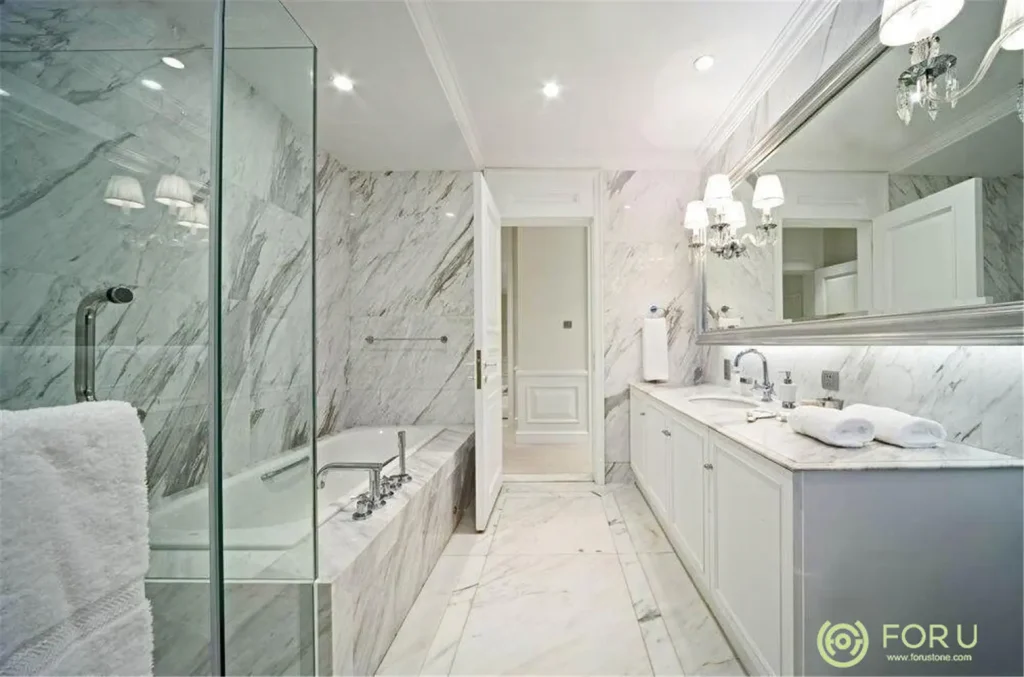
Lighting Design for Marble Background Walls
Lighting can make a marble wall look either expensive or disappointing. Warm light softens white and beige marble. Cool light sharpens grey and white marble but can feel cold in residential spaces. Wall washer lights create even vertical illumination. LED strips create border glow. Spotlights highlight dramatic veins. Indirect ceiling light creates a softer atmosphere.
The biggest lighting mistake is placing strong direct light on polished marble without checking reflection. This can create glare, uneven brightness, or visible seams. LED strips placed too close to the stone may create hot spots. Poorly aligned wall washers may reveal installation unevenness. If the marble is translucent or semi-translucent, backlighting requires testing, diffuser planning, and maintenance access.
| Lighting Type | Best Effect | Risk |
|---|---|---|
| Wall washer | Even vertical illumination | Shows installation unevenness |
| LED strip | Soft border glow | Hot spots if poorly installed |
| Spotlight | Highlights vein movement | Can create glare |
| Indirect ceiling light | Soft luxury atmosphere | Weak effect if too far |
| Hintergrundbeleuchtung | Works for translucent stone | Needs testing and service access |
Installation Methods and Structural Considerations
Installation is where design becomes construction. Smaller marble tiles or light panels may be installed with adhesive if the wall substrate is clean, flat, strong, and suitable. Larger marble slabs usually need stronger fixing methods. Mechanical fixing or dry hanging may be required for heavy panels, commercial walls, hotel lobbies, or large-format stone cladding.
Before installation, buyers and contractors should confirm wall flatness, wall strength, moisture condition, waterproofing, panel weight, adhesive compatibility, anchor system, movement joints, and access for electrical or lighting systems. In wet areas such as bathrooms and spas, waterproofing must be handled before marble installation. In large walls, dry lay and numbering are essential.
Large marble panels are heavy. Poor fixing can create cracking, hollow sound, uneven seams, or even falling risk. A marble background wall should never be treated like wallpaper. The stone may look elegant, but the structure behind it must be serious. This is where a reliable supplier, installer, and project team matter.
| Installation Factor | Warum es wichtig ist | Buyer Check |
|---|---|---|
| Wall substrate | Supports stone load | Must be flat, stable, and strong |
| Panel weight | Affects fixing method | Calculate weight before installation |
| Adhesive system | Bonds stone to wall | Match stone and substrate |
| Mechanical anchors | Support heavy panels | Required for many large panels |
| Waterproofing | Protects wet areas | Needed in bathrooms and spas |
| Bewegung Gelenke | Allows expansion and movement | Prevents cracking |
| Dry lay | Confirms visual layout | Essential for bookmatched walls |
Material Parameters Buyers Should Check
For marble background walls, buyers should check thickness, water absorption, density, flexural strength, surface finish, backing or reinforcement, sealing requirements, and panel size. Marble wall panels must be stable enough for handling and installation. Large slabs may need mesh backing, mechanical anchors, or special handling support.
Thickness affects weight and strength. Water absorption affects staining and moisture risk. Flexural strength matters for large panels. Density helps estimate wall load. Surface finish controls appearance and maintenance. Sealing helps protect the surface, especially in bathrooms, restaurants, and high-touch commercial areas.
| Parameter | Warum es wichtig ist | Buyer Check |
|---|---|---|
| Dicke | Affects weight and strength | Match fixing method |
| Wasseraufnahme | Affects staining and moisture risk | Ask for material data |
| Biegefestigkeit | Important for large panels | Check slab stability |
| Dichte | Helps estimate weight | Calculate wall load |
| Oberflächengüte | Controls appearance and maintenance | Choose by room use |
| Backing or reinforcement | Reduces breakage risk | Confirm mesh or support if needed |
| Versiegeln | Protects surface | Required in many interiors |
Design Styles for Marble Background Walls
A minimalist modern marble background wall usually uses soft white, beige, or grey marble with hidden lighting and simple furniture. The goal is calm elegance. A luxury villa wall may use bookmatched marble, bronze metal trim, large slabs, and dramatic lighting. A hotel lobby wall usually needs stronger visual impact, larger panels, and a durable fixing method.
A warm natural style may use beige marble, travertine-style stone, wood marble, or cream stone with soft lighting and fabric textures. A dark luxury style may use black marble, dark grey marble, or green marble with controlled lighting and metal details. The wall should work with the furniture, flooring, ceiling, and lighting. Expensive stone cannot rescue a room where every material is fighting for attention.
For sourcing support, buyers can review a supplier’s background through an experienced marble supplier in China profile before discussing project needs. Supplier experience matters because marble wall design often requires slab selection, dry lay, cut-to-size processing, export packing, and design communication—not only a material quote.
Marble Background Wall Cost Factors
The cost of a marble background wall depends on material type, rarity, slab size, thickness, surface finish, bookmatching, cut-to-size processing, edge treatment, dry lay, packing, installation method, and lighting system. Large slabs cost more than small tiles. Bookmatched walls require more careful slab selection and cutting. Mechanical fixing costs more than simple adhesive installation but may be necessary for safety.
Cheaper slabs may contain more cracks, color variation, poor finish, weak backing, or unsuitable thickness. A low material price can become a high project cost if the wall needs rework. Buyers should compare total project cost, not only stone price per square meter. The wall should be evaluated by final effect, installation safety, and long-term maintenance—not only by quotation speed.
| Cost Factor | Warum es wichtig ist |
|---|---|
| Typ Marmor | Rare marble costs more |
| Größe der Bramme | Larger slabs cost more and need careful handling |
| Dicke | Thicker panels increase weight and cost |
| Oberfläche | Polished, honed, brushed, and leathered finishes differ |
| Bookmatching | Requires slab selection and layout |
| Einrichtung | Mechanical fixing costs more than simple adhesive |
| Beleuchtung | LED design adds cost but improves effect |
| Verpacken | Strong packing protects export shipment |
Common Mistakes When Designing a Marble Background Wall
The first mistake is choosing marble only by color. Color matters, but vein scale, room size, lighting, finish, and furniture are equally important. The second mistake is ignoring slab layout. Without dry lay and numbering, even expensive marble can look visually broken. The third mistake is using too many materials around the marble wall. If the wall, floor, ceiling, furniture, and cabinets all compete, the room feels chaotic.
The fourth mistake is having no lighting plan. Marble needs light to show depth. Poor lighting can make the wall look flat. The fifth mistake is choosing the wrong installation method. Heavy panels need correct substrate support and fixing. The sixth mistake is no maintenance guidance. Marble can be affected by acids, harsh cleaners, and abrasive pads. Owners and cleaning teams should know how to care for the surface.
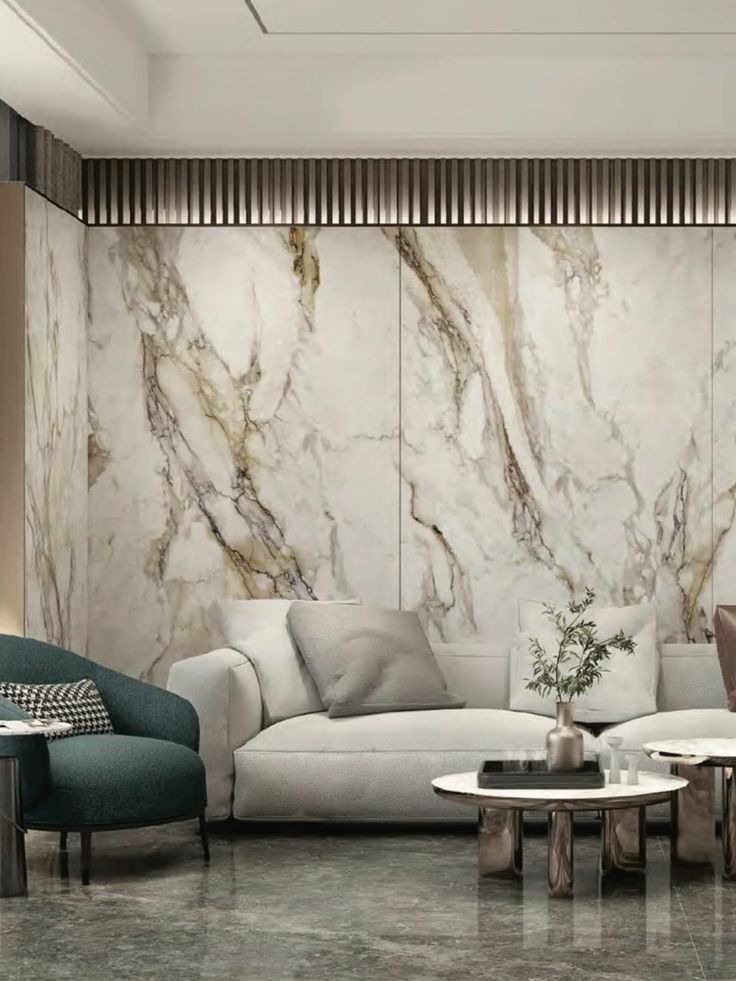
Buying Guide: How to Source Marble Background Wall Panels
When sourcing marble background wall panels, buyers should ask for actual slab photos, slab size, thickness, finish options, vein direction, bookmatch possibility, dry lay photos, cut-to-size capability, packing photos, and technical advice. For large walls, request a layout drawing and dry lay image before production. For hotel or villa projects, confirm piece numbering and crate labeling.
A reliable supplier should understand wall design, not just stone sales. The supplier should help buyers match marble type to room style, panel size to wall dimensions, and finish to lighting conditions. For projects that need quotation, material matching, sample review, or export advice, buyers can use the FOR U STONE contact page to provide wall size, room photos, preferred color, and target quantity.
| Supplier Check | Warum es wichtig ist |
|---|---|
| Actual slab photos | Shows current stock, not only catalog images |
| Dry lay support | Confirms vein matching before shipment |
| Cut-to-size capability | Supports accurate project installation |
| Finish options | Matches design and maintenance needs |
| Bookmatch support | Creates luxury symmetrical walls |
| Packing photos | Reduces breakage risk during export |
| Technical communication | Prevents wrong material or wrong fixing choice |
If This Is Your Space, Choose This Marble Strategy
| If Your Space Needs | Wählen Sie | Vermeiden Sie |
|---|---|---|
| Bright modern living room | White or light grey marble | Overly dark stone |
| Warm family atmosphere | Beige or wood vein marble | Cold pure white marble |
| Strong luxury impact | Bookmatched dramatic marble | Small random tiles |
| Small apartment wall | Soft-veined marble panels | Heavy bold veining |
| Hotel lobby statement | Large slabs with mechanical fixing | Thin unsupported panels |
| Bathroom feature wall | Sealed marble with waterproofing | Unsealed stone |
| TV background wall | Calm veins and low-glare lighting | Highly reflective glare behind screen |
Häufig gestellte Fragen
1. What is a Marble Background Wall?
A Marble Background Wall is a decorative wall made with marble slabs, marble tiles, or cut-to-size marble panels. It is commonly used behind a TV, sofa, fireplace, reception desk, bed headboard, bathtub, vanity, elevator lobby, or hotel entrance. The goal is to create a luxury focal point using natural stone color, veining, texture, and lighting. A successful marble background wall should balance beauty, slab layout, wall structure, fixing method, and long-term maintenance.
2. Which marble is best for a background wall?
The best marble for a background wall depends on the room size, lighting, furniture, and design style. White marble is clean and timeless, beige marble is warm and comfortable, grey marble is modern and calm, black marble is dramatic, and green or exotic marble creates a strong artistic statement. For TV walls, soft-veined marble is usually safer because it reduces visual distraction. For hotel lobbies and luxury villas, bookmatched marble or dramatic-veined slabs can create stronger impact.
3. Is marble good for TV background walls?
Yes, marble is very suitable for TV background walls when the design is controlled properly. Buyers should choose calm veins, avoid strong glare, plan cable hiding, and use lighting that does not reflect directly into the screen. Large slabs can reduce seams and create a more premium look. However, overly busy marble behind a TV may distract viewers, and highly polished surfaces may create reflections. The best TV marble wall feels elegant without fighting with the screen.
4. How thick should marble wall panels be?
The right marble wall panel thickness depends on slab size, installation method, wall structure, and project requirements. Smaller tiles or panels may be installed with adhesive if the substrate is suitable. Large marble slabs are heavier and may require mechanical fixing, dry hanging, or professional structural support. Buyers should calculate panel weight, confirm wall strength, and discuss fixing methods with the supplier and installer before ordering. Thickness should never be selected only by appearance or price.
5. How do I maintain a marble background wall?
To maintain a marble background wall, use pH-neutral stone cleaners and soft cloths. Avoid acidic cleaners, vinegar, lemon-based products, abrasive pads, and harsh chemicals because they may etch or damage the stone surface. Wipe stains quickly, especially on light-colored marble. Polished walls may need gentle dusting to keep their shine, while honed surfaces may require sealing depending on use. In bathrooms or high-humidity areas, sealing and waterproofing are especially important.
Referenzen
- “Dimension Stone Design Manual” — Natural Stone Institute — Natural Stone Technical Reference
- “ASTM C503/C503M Standard Specification for Marble Dimension Stone” — ASTM International — Marble Material Standard
- “ASTM C97/C97M Standard Test Methods for Absorption and Bulk Specific Gravity of Dimension Stone” — ASTM International — Stone Testing Method
- “ASTM C880/C880M Standard Test Method for Flexural Strength of Dimension Stone” — ASTM International — Structural Testing Method
- “Natural Stone Care and Maintenance Guidelines” — Natural Stone Institute — Stone Maintenance Resource
- “Stone Cladding and Interior Wall Panel Installation Guidance” — Natural Stone Institute — Installation Practice Resource
- “Interior Lighting Design Guidelines” — Illuminating Engineering Society — Lighting Design Reference
- “Kitchen and Bath Planning Guidelines” — National Kitchen & Bath Association — Interior Surface Design Resource
Final Design Insight: How to Make a Marble Background Wall Look Expensive, Not Excessive
What should buyers understand first?
A Marble Background Wall should be designed as a focal point, not just covered with stone. The best wall balances marble color, vein direction, panel size, lighting, furniture, and installation safety.
How should the marble be selected?
White marble creates brightness, beige creates warmth, grey creates calm modernity, black creates drama, and bookmatched marble creates luxury impact. The right choice depends on room size, design style, lighting, and how much attention the wall should receive.
Why do marble wall projects fail?
Common failures include wrong color selection, busy veins behind a TV, poor slab layout, no lighting plan, weak substrate, unsuitable adhesive, missing mechanical fixing, and no maintenance guidance. These mistakes can make expensive stone look cheap or create safety risk.
Option logic: If the room is small, choose soft-veined light marble. If the room is large and luxurious, consider bookmatched slabs. If the wall is behind a TV, control glare and avoid overly busy veins. If the wall is in a bathroom, use waterproofing and sealing. If panels are large and heavy, use professional fixing design.
Recommendation: Before ordering marble wall panels, prepare wall dimensions, room photos, preferred marble color, lighting plan, finish choice, installation method, and quantity. Ask the supplier for actual slab photos, dry lay support, panel numbering, and export packing photos before shipment.
The best Marble Background Wall is not the one with the loudest stone; it is the one where the marble, light, furniture, and installation details work together like a finished architectural composition.