Why Is the Marble Dining Table So Hot? There Is a Reason
Marble dining tables have become one of the most recognizable furniture choices in modern homes, luxury apartments, villas, boutique hotels, restaurants, and showrooms. The reason is not only that marble looks expensive. The deeper reason is that a marble dining table can turn an ordinary dining area into a visual center. It carries natural texture, weight, brightness, and architectural character in a way that many ordinary furniture materials cannot fully reproduce.
From the perspective of the material itself, a natural marble dining table feels more organic and more distinctive than many mass-produced dining tables. Marble is a natural stone formed through geological processes, so every slab has its own veining, tone movement, mineral pattern, and surface personality. This is one reason buyers like it: no two marble dining tables are exactly the same.
At the same time, marble is relatively easy to shape, cut, polish, and finish compared with some harder stones. A well-produced marble tabletop can achieve a smooth, refined, and tactile surface. The result is a dining table that feels solid, cool, and elegant when touched. This sensory quality is difficult for printed wood veneer or ordinary laminate to match.

Marble Dining Table Material Parameters Buyers Should Understand
A marble dining table is not only a decorative item. It is also a stone furniture product that must handle daily meals, tableware, cleaning, movement, humidity changes, and long-term weight support. Before choosing one, buyers should understand several material parameters, because these details affect durability, maintenance, and user experience.
| Parameter | Typical Marble Dining Table Consideration | Buyer Impact |
|---|---|---|
| Material Typ | Natural marble, engineered marble, marble composite, or marble-look stone | Determines appearance, variation, maintenance level, and project positioning. |
| Mohs-Härte | Natural marble commonly contains calcite, around Mohs 3 in many cases | Good for carving and polishing, but still needs protection from scratches and acidic spills. |
| Oberfläche | Polished, honed, matte, leathered, or sealed finish | Controls brightness, reflection, stain resistance, and maintenance requirements. |
| Tabletop Thickness | Common tabletops often use stone slabs or composite structures with reinforced backing | Affects weight, support method, edge design, and shipping risk. |
| Versiegeln | Quality sealers can improve stain resistance when properly applied | Important for dining areas exposed to oil, wine, coffee, sauces, and daily cleaning. |
The Visual Effect: Why Marble Looks More Premium at the Dining Center
The visual effect of the marble dining table is one of the biggest reasons for its popularity. Compared with ordinary wood tables, a marble tabletop can create stronger light reflection, deeper texture movement, and a more architectural feeling. A wooden table often feels warm, simple, and natural. A marble table feels cooler, brighter, heavier, and more formal.
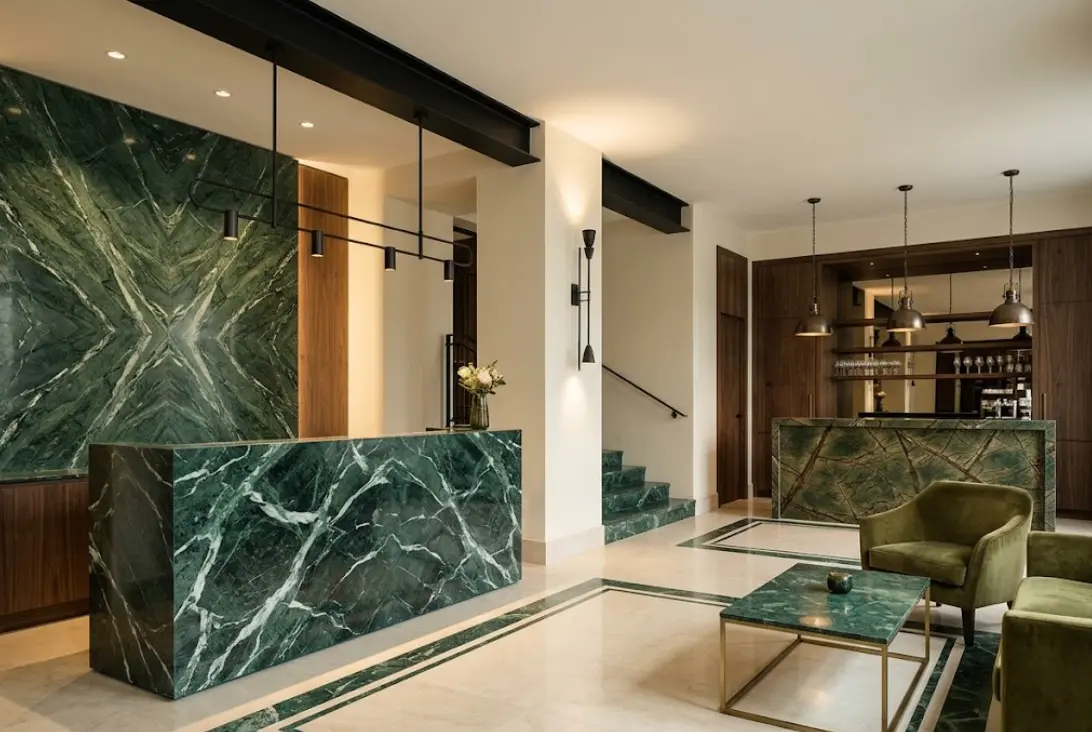
In a dining room, this difference is very obvious. A white marble dining table with grey veining can make the room feel clean and elegant. A black marble dining table can create a stronger luxury mood. Beige marble works well for warm, soft interiors. Green, red, or brown marble can become a statement piece for high-end residential and hospitality spaces.
This is why marble tables are frequently used in large apartments, villas, luxury dining rooms, hotel restaurants, private clubs, and modern showrooms. The table does not only serve meals. It defines the grade of the room. In many interiors, the dining table is the first object that tells visitors whether the space is ordinary or carefully designed.
| Dining Table Type | Visueller Charakter | Best Scenario | Main Buyer Risk |
|---|---|---|---|
| Marble Dining Table | Elegant, natural, reflective, premium, architectural | Luxury homes, villas, hotels, modern dining rooms | Needs careful sealing and acid-spill protection. |
| Wood Dining Table | Warm, soft, natural, casual, traditional | Family homes, farmhouse interiors, warm residential spaces | May scratch, dent, or expand under humidity if not well protected. |
| Glass Dining Table | Light, transparent, modern, minimal | Small apartments, compact spaces, modern interiors | Fingerprints, visible dust, edge safety, and breakage concerns. |
| Engineered Stone Table | Controlled pattern, modern, stable, practical | Commercial dining, apartments, hospitality projects | May lack the unique natural variation of real marble. |
Durability: Strong, Stable, but Not Indestructible
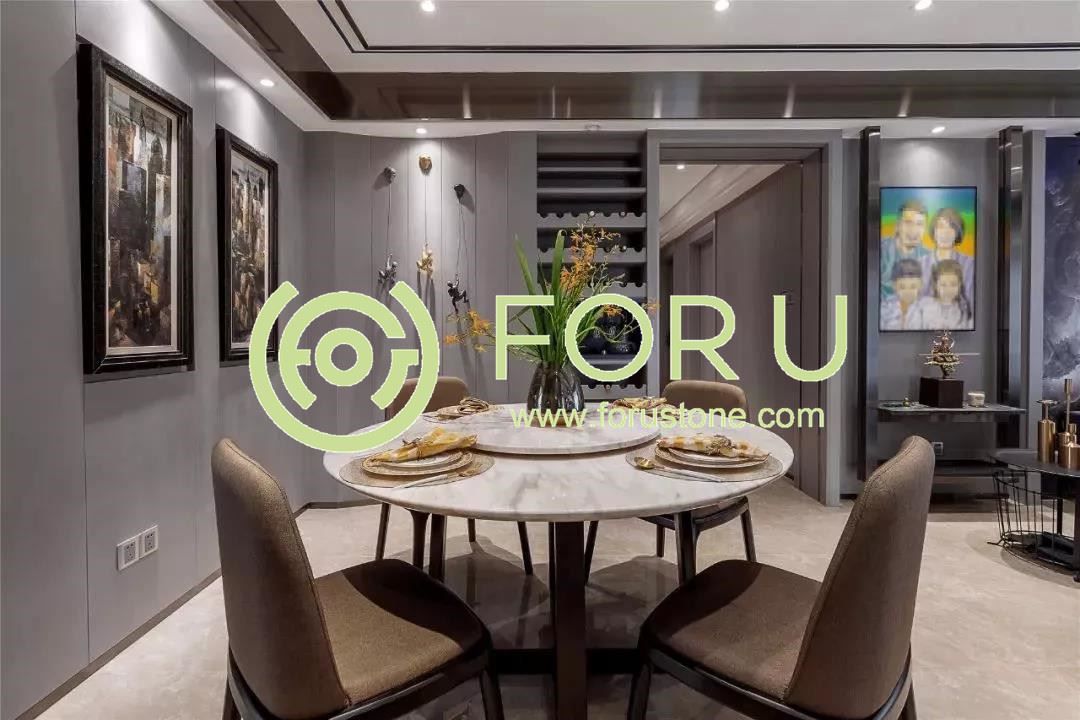
Marble has a high-end reputation because it is a dense natural stone, but buyers should understand its real performance correctly. A properly supported marble dining table can offer long service life and excellent dimensional stability. It will not deform like poorly treated wood, and it can remain visually impressive for many years when used and maintained correctly.
However, marble should not be described as completely scratch-proof, stain-proof, or acid-proof. Many marble stones contain calcite, which can react with acidic substances such as lemon juice, vinegar, wine, cola, and some cleaning chemicals. This may cause etching, dull spots, or surface marks, especially on polished finishes. For this reason, a quality sealer, proper cleaning habits, and table mats are important for daily dining use.
This does not reduce the value of marble. It simply means buyers should treat it like a premium material, not like plastic. Luxury materials often reward good care. A marble dining table can last for decades, but it should be protected from strong impact, dragging metal objects, acidic spills, and abrasive cleaners.
| Daily Use Factor | Marble Dining Table Performance | Recommended Buyer Action |
|---|---|---|
| Hot Plates | Stone tolerates heat better than many furniture surfaces, but thermal shock and sealers must be considered. | Use trivets for hot cookware and avoid sudden extreme temperature changes. |
| Wine, Lemon, Vinegar | Acidic spills may etch polished marble if left untreated. | Wipe quickly with a soft cloth and use pH-neutral cleaner. |
| Cutlery and Metal Objects | Surface can be scratched under sharp or abrasive contact. | Use placemats, coasters, and avoid dragging hard objects. |
| Tägliche Reinigung | Easy to wipe when sealed and properly maintained. | Avoid harsh acidic or abrasive cleaners. |
Real-World Scenarios: Where Marble Dining Tables Perform Best
A marble dining table performs especially well in spaces where the table is expected to act as both furniture and decoration. In a modern apartment, it can make a simple dining area look more polished. In a villa, it can match marble floors, stone walls, metal lighting, and designer chairs. In a hotel restaurant or private dining room, it can communicate a higher level of hospitality quality.
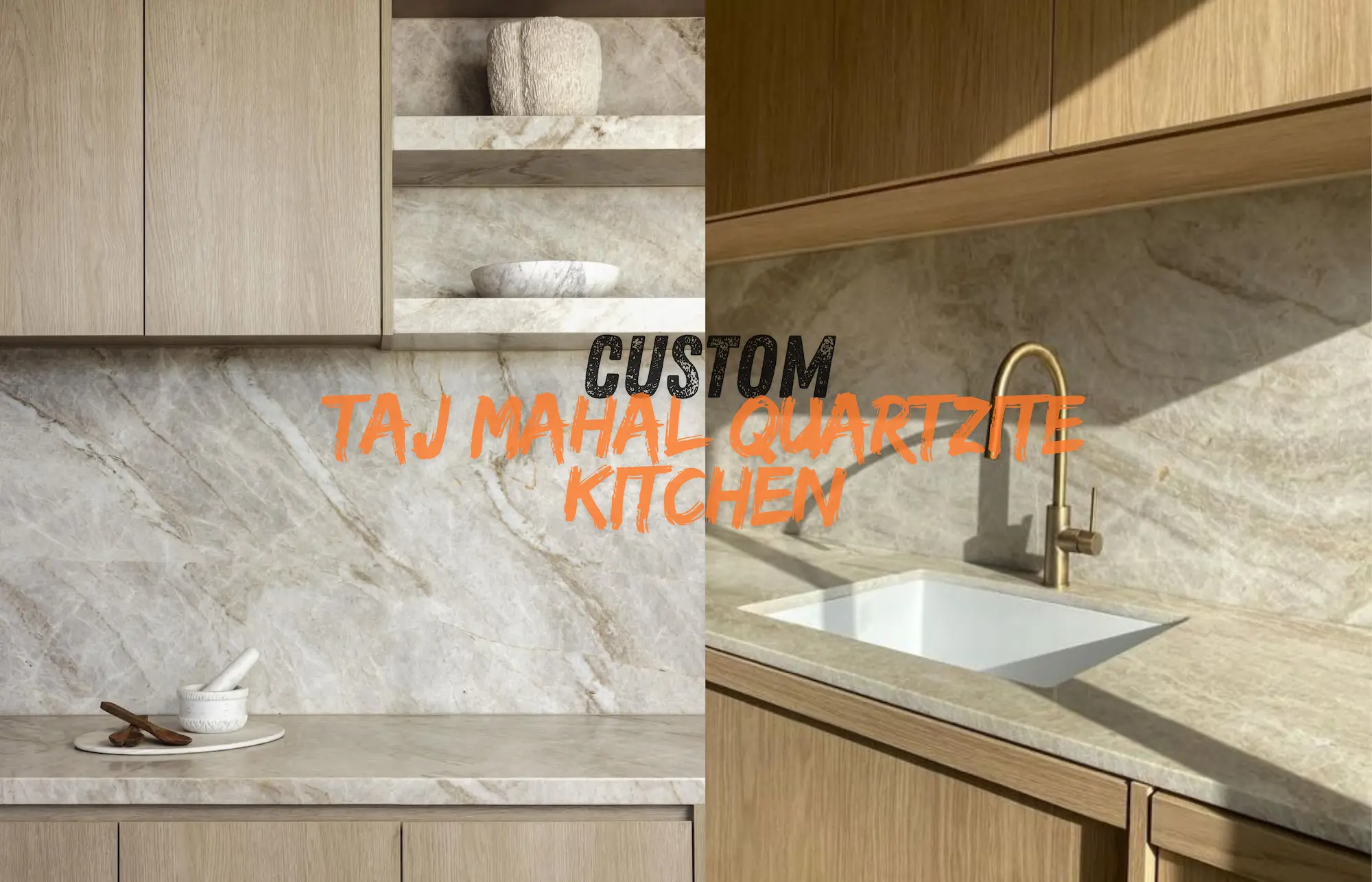
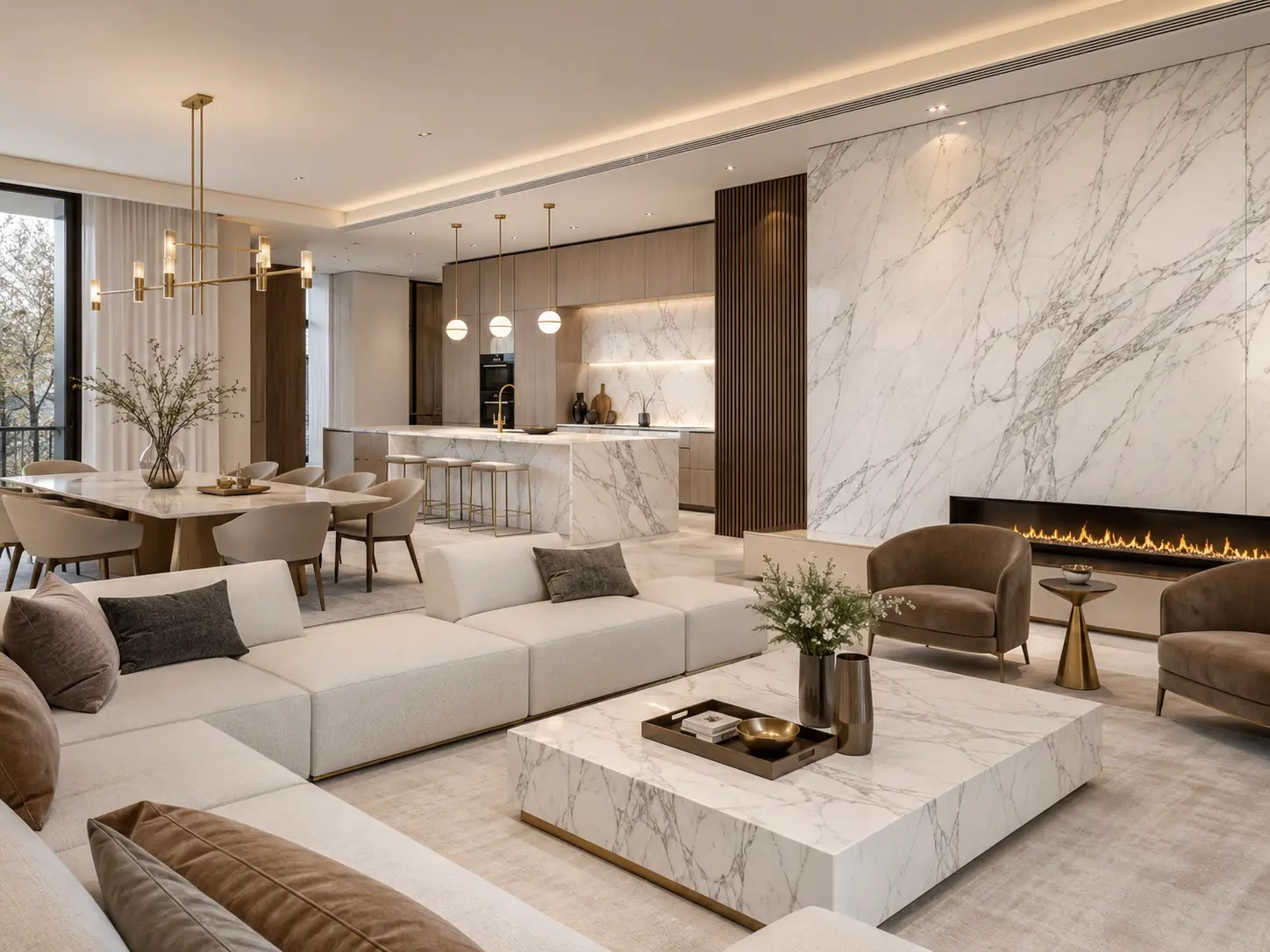
In open-plan living spaces, marble dining tables also work well because they connect the kitchen, dining room, and living area visually. A white marble tabletop can echo a marble kitchen island. A black marble table can create contrast against beige walls or oak cabinets. A round marble dining table softens the space, while a rectangular marble table feels more formal and suitable for larger families or hospitality settings.
For commercial buyers, marble dining tables are commonly used in luxury restaurants, serviced apartments, boutique hotels, real estate sample rooms, furniture showrooms, and interior design projects. In these environments, the product must look attractive in photos, feel premium in person, and remain usable under frequent contact. That is why tabletop support, edge polishing, packaging protection, and after-sales replacement policy matter for B2B purchasing.
Data Comparison: Value Logic for B2B Marble Dining Table Buyers
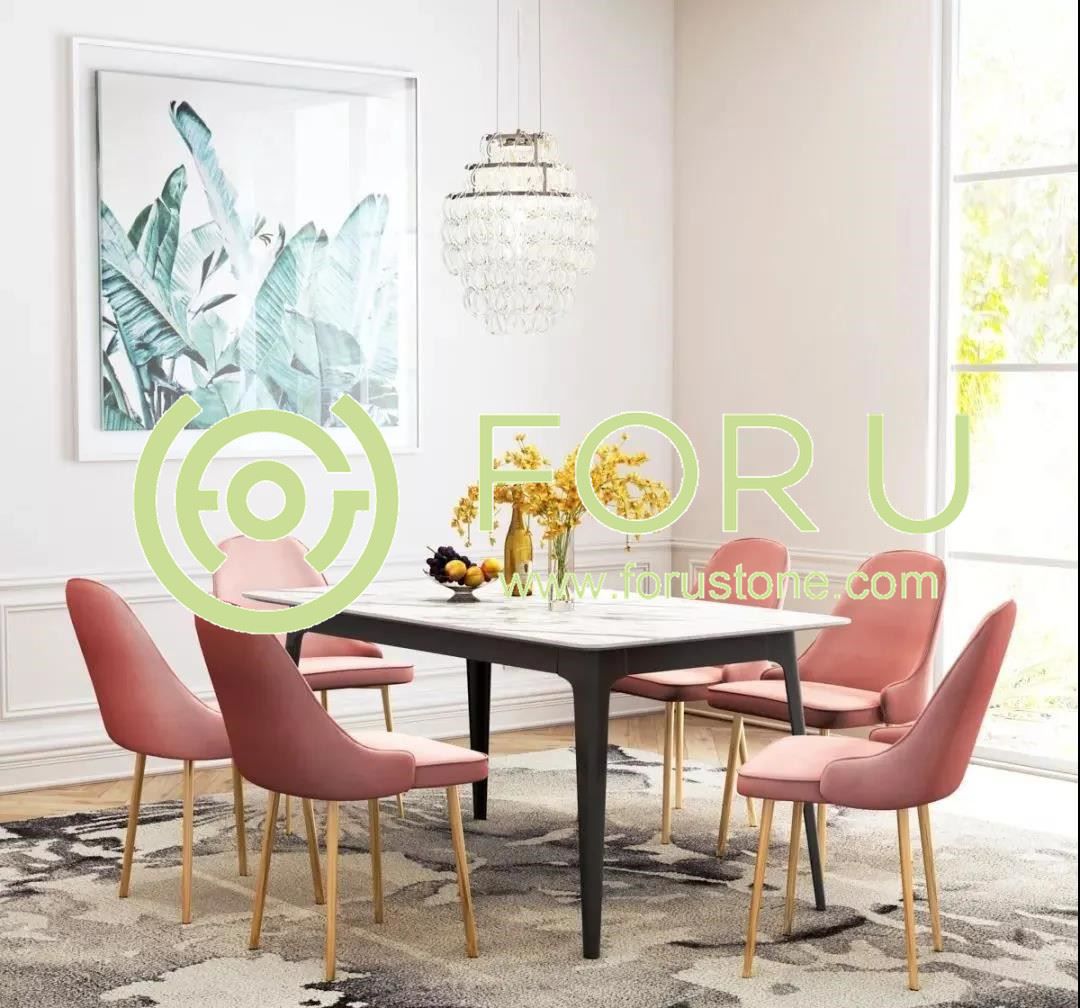
For B2B buyers, the question is not simply whether marble is “cheap” or “expensive.” The better question is whether the dining table delivers stronger visual value, longer perceived product life, lower replacement pressure, and better customer attraction for the same project budget. A marble dining table may require more careful maintenance than some synthetic surfaces, but it usually provides stronger perceived luxury and better showroom impact.
| Buyer Goal | Choose Natural Marble Dining Table If… | Choose Engineered / Marble-Look Table If… | Commercial Logic |
|---|---|---|---|
| Higher Luxury Perception | You need authentic natural veining and premium material story. | You need similar visual effect with more pattern control. | Natural marble is stronger for high-end branding. |
| Same Budget, Better Visual Grade | Use selected marble for hero spaces and premium rooms. | Use engineered options for large-volume projects. | Mixing materials can control budget without losing design value. |
| Lower Maintenance Risk | Only if users accept sealing and careful cleaning. | Better when customers need easier daily operation. | Maintenance expectation should guide material choice. |
| Wholesale Project Supply | Best for luxury batches where natural variation is acceptable. | Best for apartment, hotel, and furniture chain orders. | Consistency matters more when order quantity increases. |
The practical recommendation is simple: if the buyer wants the strongest natural luxury effect, choose a natural marble dining table. If the buyer needs better pattern control, lower maintenance pressure, or larger-volume supply consistency, engineered marble or marble-look stone tables may be more suitable. Good suppliers should not force one answer. They should match the material to the project.

Industry Trend: Why Marble Dining Tables Keep Returning to Modern Interiors
Marble dining tables are popular because modern interiors are moving toward materials that feel natural, tactile, and visually calm. People want dining rooms that are not only functional but also photogenic and emotionally pleasant. Marble fits this trend because it can be luxurious without needing excessive decoration.
Another important trend is the growth of open kitchens and open living spaces. In these layouts, the dining table is no longer hidden in a separate room. It becomes part of the main social area. A marble table works well because it can visually connect with stone countertops, full-height backsplashes, feature walls, metal lighting, and modern cabinetry.
Hospitality and real estate projects also influence consumer demand. When people see marble tables in hotels, restaurants, clubs, and model homes, they often associate the material with a premium lifestyle. This visual memory supports demand in residential furniture markets. In short, marble dining tables are not hot by accident. They sit right at the intersection of natural material preference, modern luxury design, and social-media-friendly interiors.
Compliance and Quality Checks Before Ordering
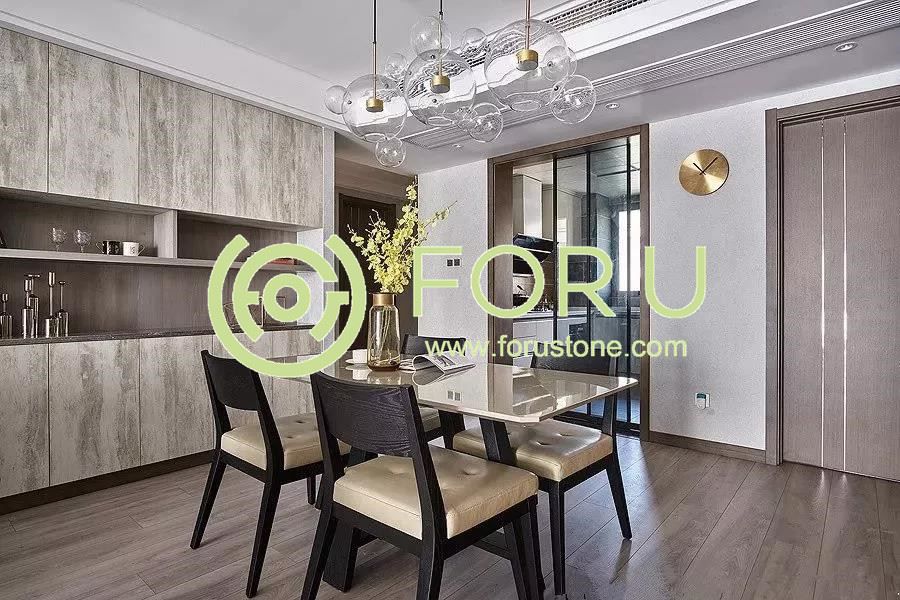
For international buyers, especially wholesalers, furniture brands, contractors, and hospitality procurement teams, quality checks should go beyond appearance. Buyers should ask whether the supplier can provide material specifications, surface finish details, sealing guidance, packing method, edge processing options, and quality inspection photos before shipment.
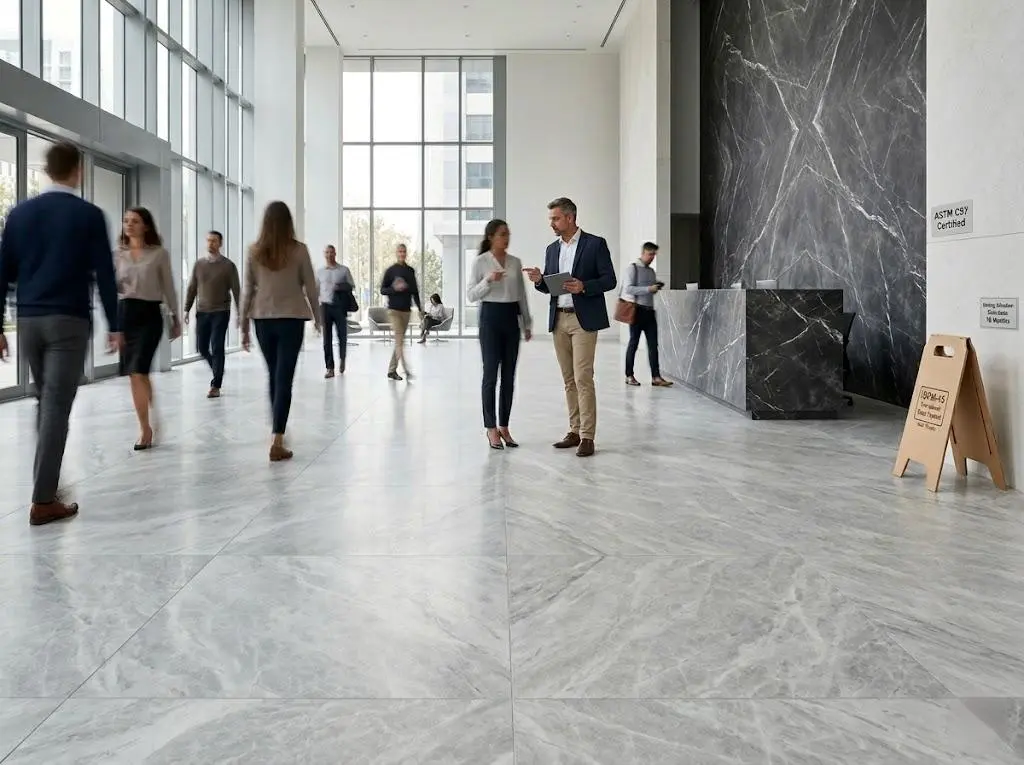
If the tabletop uses natural marble, buyers may refer to recognized stone standards such as ASTM marble dimension stone specifications and natural stone installation guidance. If the dining table includes wood, plywood, MDF, adhesive, metal frame, or composite backing, buyers should also ask about formaldehyde emission requirements, VOC control, structural stability, and export packaging compliance depending on the destination market.
For hotel, apartment, and commercial projects, buyers should confirm whether the table can pass practical project checks: stable base structure, safe edge rounding, tabletop load support, anti-tip design, surface sealing, and carton or crate protection during shipping. A beautiful table that breaks in transit is not a luxury product. It is just an expensive puzzle.
Common Mistakes When Buying a Marble Dining Table
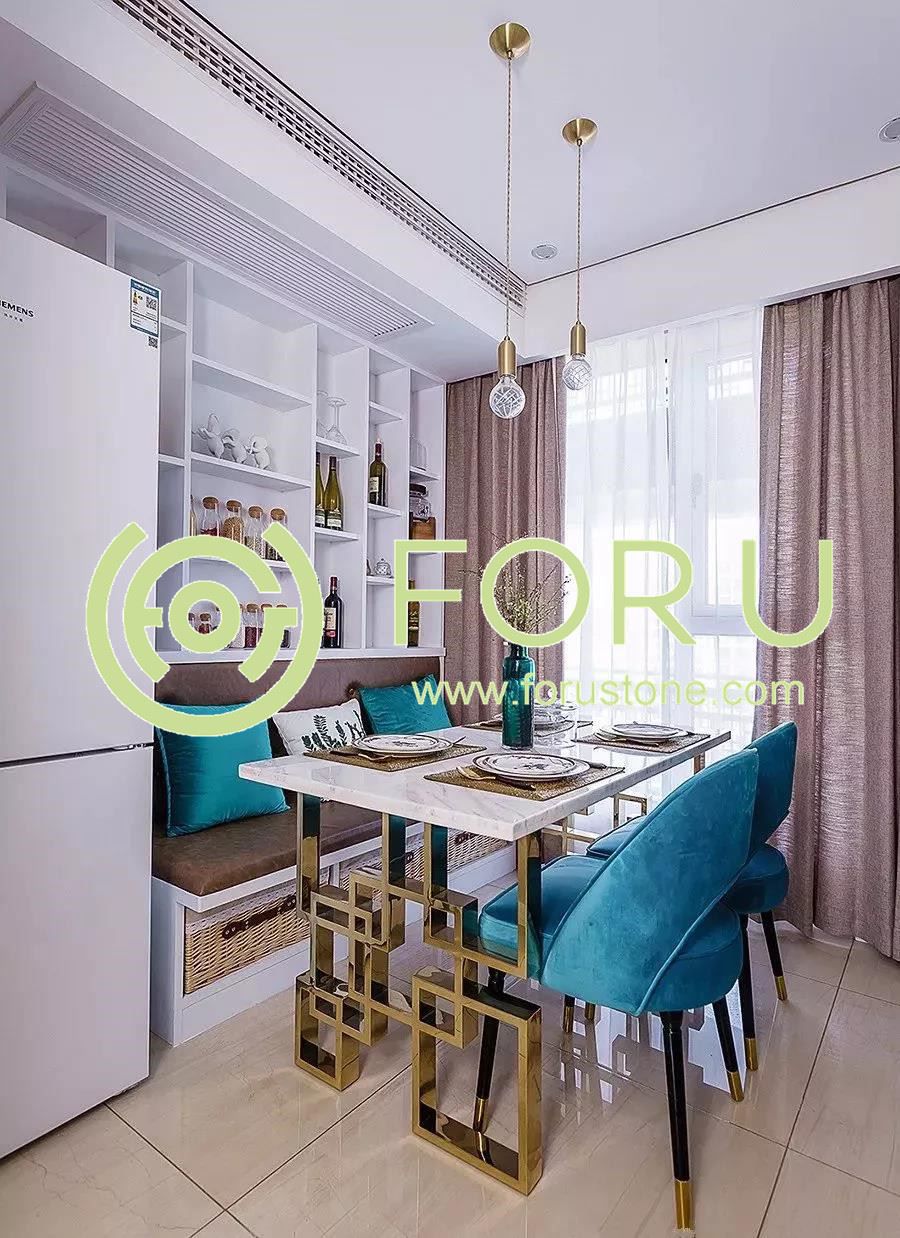
The first mistake is choosing only by photos. Marble photos can look impressive, but buyers should also check actual slab variation, tabletop thickness, finish, edge details, and support structure. A product image cannot fully show weight, surface feel, or packaging quality.
The second mistake is ignoring maintenance. Marble is suitable for dining tables, but it needs good habits. Buyers should avoid acidic cleaners, use placemats, clean spills quickly, and ask whether the tabletop has been sealed properly. This is especially important for families with children, restaurants, and hospitality spaces where tables are used frequently.
The third mistake is choosing the wrong table base. Marble is heavy, so the base must provide stable support. Thin, poorly welded, or badly balanced bases can create safety problems. For large rectangular or oval marble dining tables, the base design should distribute weight evenly and prevent wobbling.
The fourth mistake is not asking about after-sales handling. Marble is a natural material and may show variation. Buyers should agree on inspection standards before shipment, including acceptable color range, surface defects, edge quality, packaging method, and claim process. Clear standards prevent arguments later.

FAQ About Marble Dining Tables
1. Why are marble dining tables so popular?
Marmortischplatten für Esszimmer sind beliebt, weil sie natürliche Steinstrukturen, starke visuelle Wirkung und ein luxuriöses Erscheinungsbild im Esszimmer vereinen. Jede Marmor-Tischplatte weist einzigartige Maserungen und farbliche Nuancen auf, was den Tisch hochwertiger wirken lässt als viele massenproduzierte Tische aus Holz, Glas oder Laminat. Sie eignen sich besonders gut für moderne Wohnungen, Villen, Hotels, Restaurants und Ausstellungsräume, in denen der Esstisch sowohl als Möbelstück als auch als Dekoration dienen soll.
2. Is a marble dining table good for everyday use?
Ja, ein Esstisch aus Marmor kann sich gut für den täglichen Gebrauch eignen, wenn er ordnungsgemäß versiegelt, gestützt und gewartet wird. Marmor ist dimensionsstabil und optisch langlebig, sollte jedoch vor säurehaltigen Verschüttungen, aggressiven Reinigungsmitteln, scharfen Metallgegenständen und starken Stößen geschützt werden. Für den täglichen Familiengebrauch sollten Käufer Tischsets, Untersetzer, pH-neutralere Reinigungsmittel und weiche Tücher verwenden, um die Tischplatte sauber und glänzend zu halten.
3. Does a marble dining table stain or scratch easily?
Marmor kann Flecken oder Kratzer aufweisen, wenn er nicht versiegelt ist oder über längere Zeit Öl, Wein, Kaffee, Zitronensaft, Essig, scheuernde Werkzeuge oder scharfe Gegenstände ausgesetzt wird. Es handelt sich hierbei um ein hochwertiges Naturmaterial, das keine vollständig wartungsfreie Oberfläche darstellt. Ein qualitativ hochwertiger Versiegelungslack kann die Fleckbeständigkeit verbessern, während sorgfältige tägliche Gewohnheiten Kratzer, Ätzspuren, stumpfe Stellen und sichtbare Abnutzungen auf der Tischplatte reduzieren können.
4. Which is better, a marble dining table or a wood dining table?
Ein Esstisch aus Marmor ist besser, wenn der Käufer einen luxuriösen, reflektierenden, natürlichen Steinlook sowie eine stärkere gestalterische Aussage wünscht. Ein Esstisch aus Holz eignet sich besser, wenn der Käufer Wärme, Weichheit und eine ungezwungenere familiäre Atmosphäre bevorzugt. In hochwertigen Wohnungen, Villen, Hotels und modernen Essbereichen erzeugt Marmor oft einen edleren optischen Effekt. In rustikalen, landhausartigen oder warmen Wohnräumen hingegen wirkt Holz möglicherweise angenehmer und entspannter.
5. How should buyers choose a marble dining table supplier?
Käufer sollten einen Lieferanten für Marmortischmöbel auswählen, der echte Materialfotos, Spezifikationen der Tischplatten, Details zur Oberflächenbearbeitung, Optionen für die Kantenausführung, Verpackungsmethoden, Qualitätsprüfnormen sowie Unterstützung beim Export bereitstellen kann. Für Großhandels-, Hotel-, Restaurant- oder Möbelmarkenprojekte ist es sicherer, mit einem Hersteller oder einer Fabrik zusammenzuarbeiten, die die Auswahl des Steins, die Produktion, die Grundkonstruktion, den Schutz bei der Verpackung und die Nachverkaufs-Kommunikation kontrollieren können.
Referenzen
1. Dimension Stone Design Manual — Natural Stone Institute — Natural Stone Institute — Natural Stone Institute Publications.
2. Learn About Cleaning Products for Natural Stone — Natural Stone Institute — Natural Stone Institute — Natural Stone Institute Consumer Care Resources.
3. Remove Stains from Stone Applications — Natural Stone Institute — Natural Stone Institute — Natural Stone Institute Consumer Care Resources.
4. Standard Specification for Marble Dimension Stone ASTM C503/C503M — ASTM International — ASTM International — ASTM Standards for Dimension Stone.
5. Mohs Hardness Scale — National Park Service Geology Program — U.S. National Park Service — National Park Service Geology Resources.
6. Calcite, Limestone and Marble — Earth Sciences Museum — University of Waterloo — University of Waterloo Earth Sciences Museum.
7. 2024 Kitchen Trends Report — National Kitchen & Bath Association — NKBA — NKBA Research Reports.
8. 2024 Trends in Kitchens & Baths with Engineered Surfaces — NKBA Learning Team and Wilsonart Surface Experts — National Kitchen & Bath Association — NKBA Learning and Industry Education Resources.

Schlussfolgerung
The marble dining table is popular because it solves both visual and emotional needs. It makes a dining room look more refined, gives the space a natural stone character, and creates a strong centerpiece for daily meals, family gatherings, hospitality spaces, and luxury interiors. Its smooth polished surface, natural veining, and solid material presence make it different from ordinary furniture.
At the same time, buyers should understand the material honestly. Marble is beautiful and long-lasting, but it is not maintenance-free. The best choice depends on the stone type, surface finish, sealing quality, base structure, packing protection, and real usage environment. If you want authentic natural texture and a premium dining experience, a natural Esstisch aus Marmor is an excellent choice. If you need lower maintenance risk or stronger consistency for large projects, engineered marble or marble-look stone tables may also be worth comparing.
Marble Dining Table: Practical Takeaway for Buyers, Designers, and Suppliers
How does a marble dining table improve a dining room?
A marble dining table improves a dining room by adding natural texture, visual weight, reflective brightness, and a premium material identity. It works especially well in modern homes, villas, hotels, restaurants, and open-plan interiors where the dining area must feel more refined than a simple functional corner.
Why do buyers choose marble instead of wood or glass?
Buyers choose marble when they want a stronger luxury statement, more distinctive natural veining, and a surface that feels more architectural. Wood is warmer and softer, while glass is lighter and more minimal. Marble sits between furniture and stone architecture, which is why it has stronger visual authority in high-end dining rooms.
What options should buyers compare before ordering?
Buyers should compare natural marble, engineered marble, sintered stone, quartz-based marble-look materials, and composite tabletops before ordering. Natural marble is best for authentic texture and luxury positioning. Engineered or marble-look alternatives are useful when the project needs stronger color consistency, lower maintenance pressure, or large-volume supply.
Key consideration: beauty must be matched with maintenance
The biggest mistake is treating marble as a maintenance-free surface. A marble dining table should be sealed, cleaned with pH-neutral products, protected from acidic spills, and supported by a stable base. When buyers understand these requirements before purchase, marble becomes a long-lasting and highly attractive dining table material.
Final recommendation
If the buyer wants a dining table that looks natural, premium, and visually memorable, marble remains one of the strongest choices. If the project requires wholesale supply, hospitality durability, or easier daily care, the buyer should compare marble with engineered stone options and choose a supplier that can provide samples, specifications, quality inspection, secure packaging, and clear after-sales support.