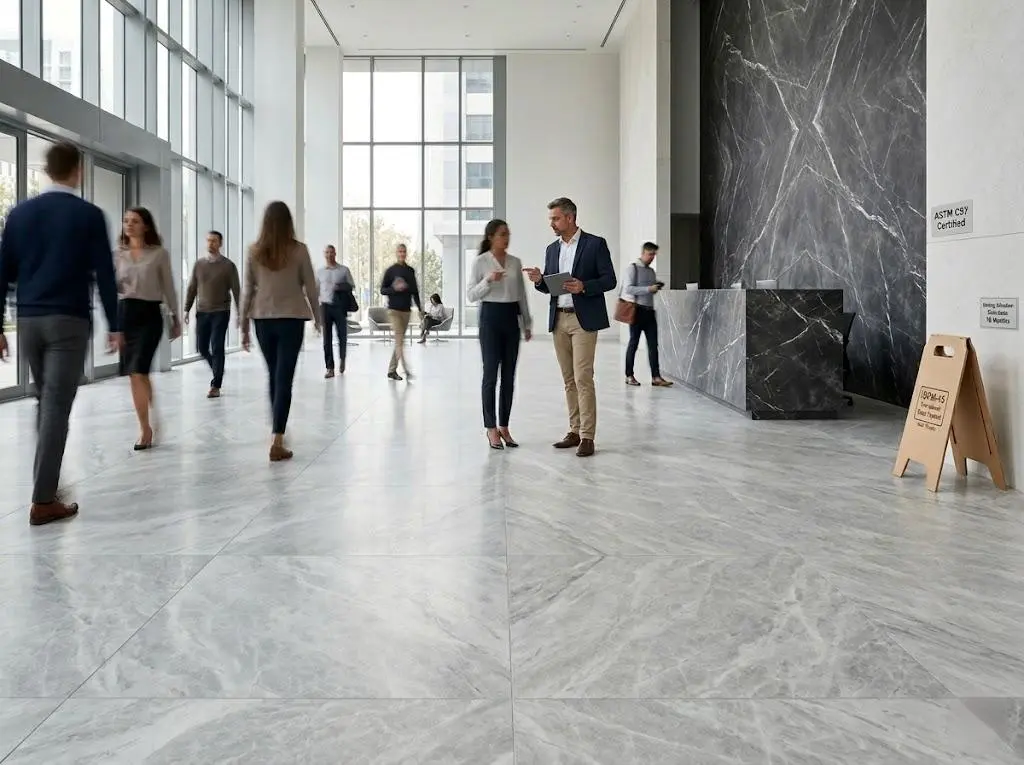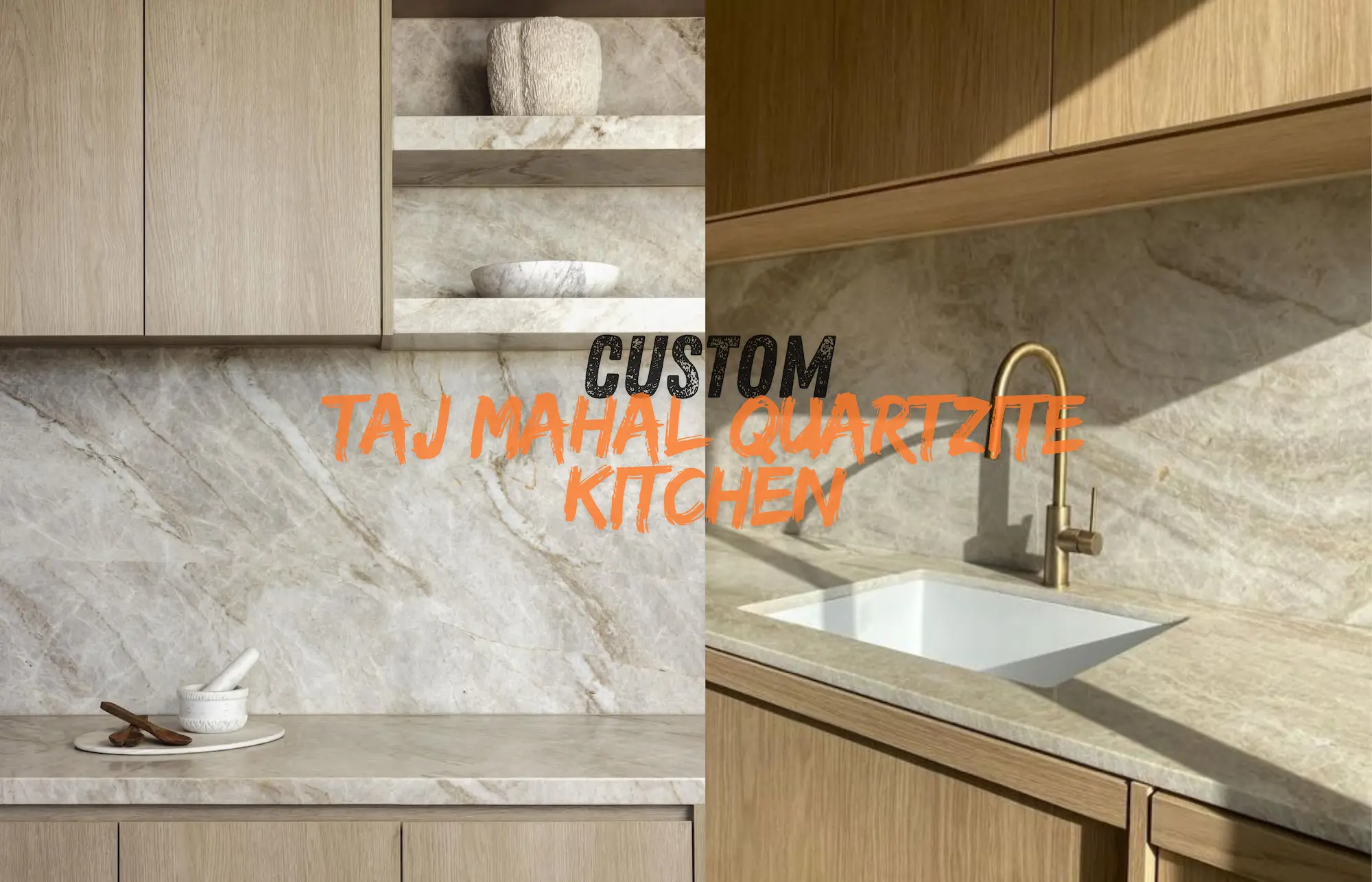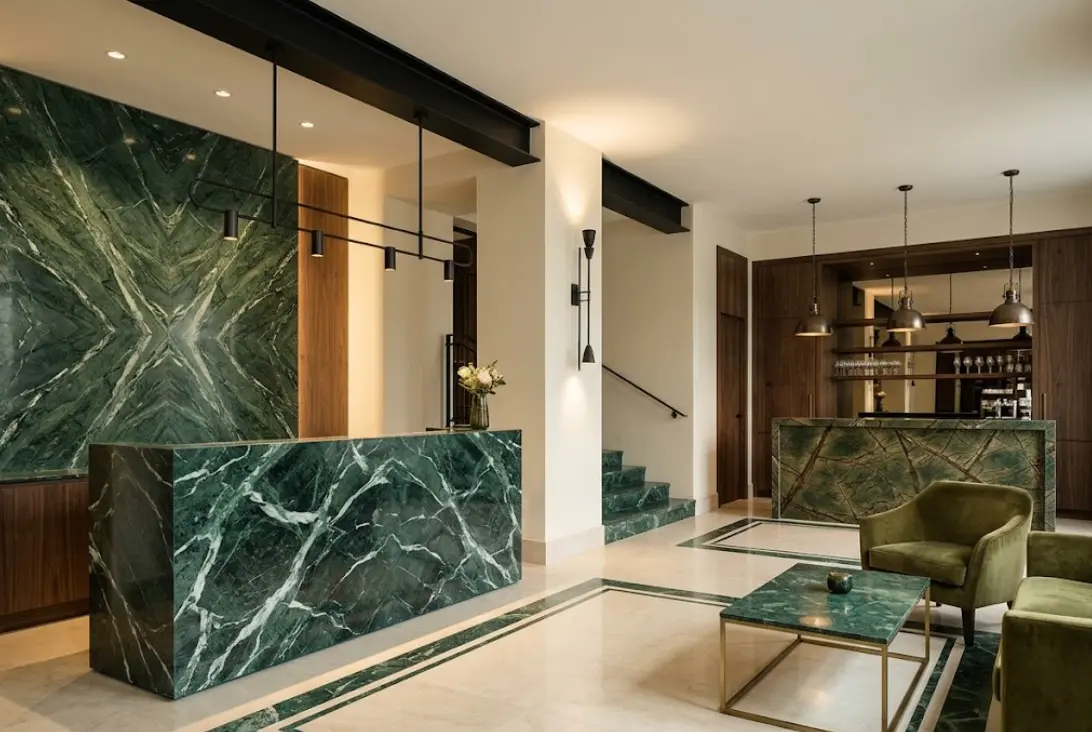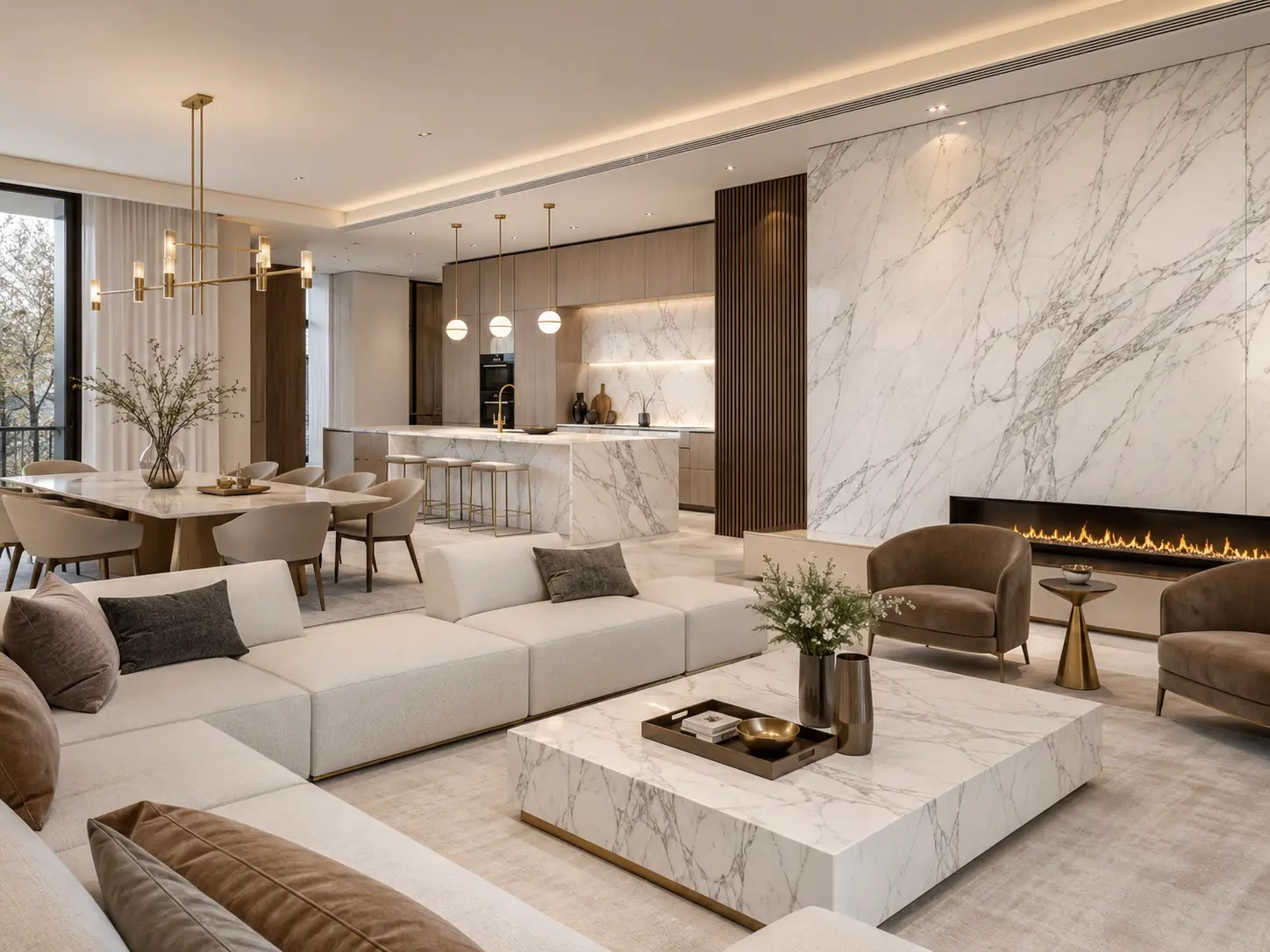
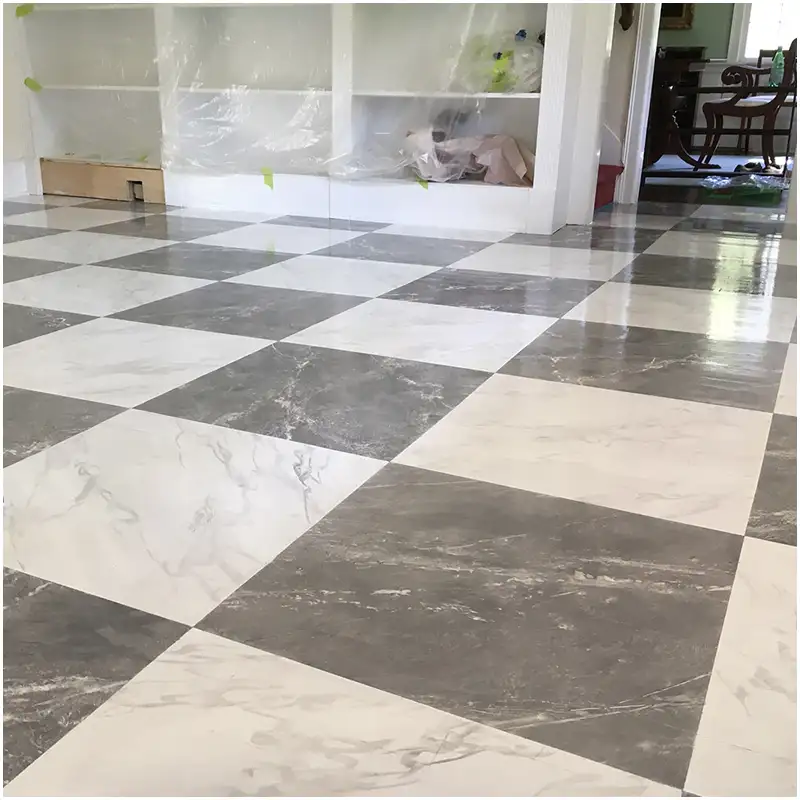
Modern commercial and residential interior design frequently requires a delicate balance between premium visual impact and long-term structural durability. For years, natural stone surfaces have served as the standard for luxury design, bringing a sense of elegance and timelessness to expansive foyers, high-traffic entryways, and premium master bathroom installations. However, modern manufacturing advancements have introduced engineered alternatives, specifically high-grade artificial marble flooring tile, which provide unique design options alongside the classic beauty of traditional quarry-cut materials.
When planning large-scale real estate projects, interior designers, commercial buyers, and project managers must carefully evaluate the performance profiles of engineered composites against traditional natural slabs. Each option presents distinct material tolerances, weight considerations, on-site installation workflows, and financial trade-offs. Choosing the right material requires assessing specific project environments, from high-moisture showers to busy public spaces, ensuring the selected stone matches the long-term functional and regulatory needs of the building.
The Evolution of Engineered Surfaces in Modern Design
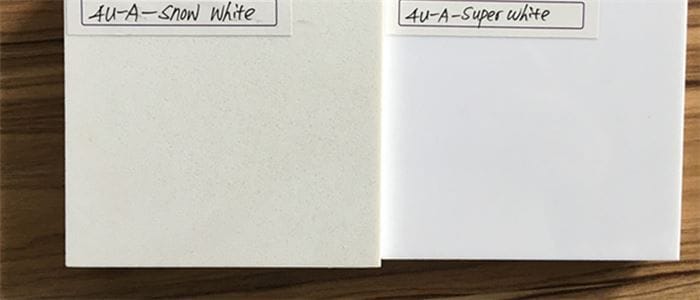
Modern engineered stone surfaces represent a major technological advancement over basic early composite products. Often called cultivated or composite marble, these modern materials combine high-purity natural marble aggregate, fine calcium carbonate powders, and premium unsaturated polyester resins under intense vacuum pressure and structural vibration. This complex process creates a highly dense, non-porous material that accurately replicates the nuanced depth, delicate background tones, and fine veining patterns of premium natural stones.
A key advantage of engineered production is the ability to maintain consistent aesthetic styling across major production runs. In natural stone quarrying, geological forces create unpredictable changes in background tones and veining patterns. While this natural variation makes every single slab unique, it can present logistical challenges for large commercial projects that require uniform floor coverage. Premium artificial options resolve this issue by ensuring reliable color consistency, identical vein patterns, and stable physical properties across thousands of square meters, streamlining material matching for large-scale interior installations.
Furthermore, modern manufacturing allows factories to produce custom composite configurations tailored to specific design briefs and architectural layouts. By adjusting aggregate sizes, mixing ratios, and pigment distribution, plants can quickly produce custom slabs and cut-to-size items to meet fast-track building schedules. This manufacturing agility makes engineered marble an ideal choice for high-volume commercial hospitality build-outs, modular multi-family housing projects, and public retail spaces that require dependable, repeatable aesthetics alongside predictable structural performance.
For projects requiring high-performance architectural materials, checking a complete product line helps match structural needs with proper styling. You can evaluate various composite and natural options by reviewing our comprehensive catalog of المنتجات الحجرية, which highlights different surface finishes, sizing configurations, and structural performance ratings suited for global project tenders.
Technical and Material Comparison Matrix
To make reliable architectural decisions, procurement managers must evaluate verified laboratory material parameters rather than relying solely on visual appeal. The physical structural differences between engineered stone composites and natural metamorphic marble directly affect long-term wear resistance, stain defense, on-site tile setting methods, and overall maintenance schedules.
The table below provides a detailed comparison of verified technical specifications for standard artificial marble and traditional natural stone variants:
| Physical / Technical Property | Engineered Artificial Marble | Natural Metamorphic Marble | Structural Engineering Impact |
|---|---|---|---|
| Average Density | 2.45 – 2.70 g/cm³ | 2.60 – 2.85 g/cm³ | Determines dead-load structural engineering calculations for multi-story buildings. |
| معدل امتصاص الماء | ≤ 0.05% – 0.15% | 0.20% – 0.60% | Low engineered values prevent deep staining, moisture discoloration, and freeze-thaw damage. |
| Mohs Hardness Value | 3.0 – 4.0 | 3.0 – 5.0 | Indicates scratch resistance against foot traffic and granular abrasive debris. |
| قوة الانثناء | 16 – 35 MPa | 7 – 20 MPa | Higher composite values allow thinner profiles and reduce structural cracking under loads. |
| قوة الانضغاط | ≥ 90 – 130 MPa | 60 – 110 MPa | Dictates suitability for heavy rolling loads, heavy furniture, and commercial spaces. |
| Chemical Sensitivity | Resistant to light household alkaline cleansers; resin component sensitive to extreme heat. | Highly vulnerable to acid etching from household liquids and harsh chemical cleansers. | Affects maintenance chemical selection, sealing frequency, and long-term upkeep costs. |
Analyzing these physical profiles shows that the polymer resin network in engineered stones yields higher flexural strength than natural marble. This helps prevent cracks caused by subfloor movement or structural settling. Additionally, the non-porous structure helps prevent staining and moisture absorption, making it an excellent option for commercial applications where regular stone sealing is not practical. For specific project requirements, direct communication with our technical team via our اتصل بنا portal provides access to customized technical data sheets, edge detailing options, and high-volume project quotes.
Procurement Dynamics, Project Estimates, and Financial Logic
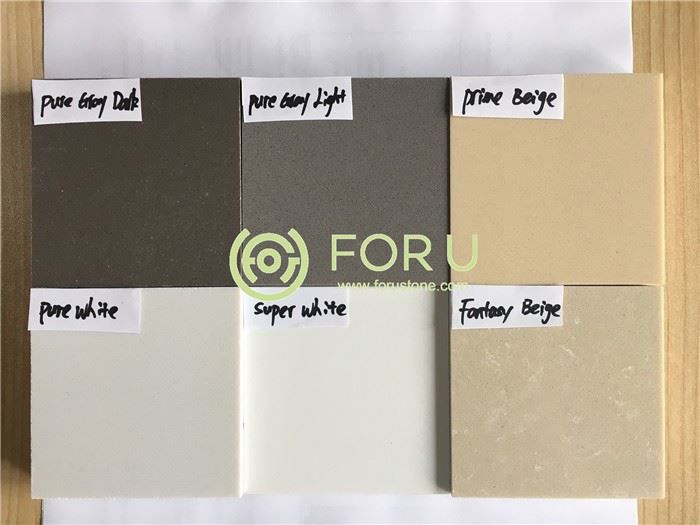
For international buyers and corporate developers, surface sourcing decisions are heavily influenced by direct cost considerations, expected material waste, and labor requirements. Sourcing natural stone often involves complex financial calculations that account for quarry extraction difficulties, premium lot selections, sorting requirements, and the transit of heavy material blocks.
Direct material costs for standard commodity-grade options typically start around $5 per square foot, while premium, high-density options can reach $10 per square foot or more before cutting and finishing. In comparison, importing premium natural stones involves broader price ranges. For example, local Indian marble options, including initial block sawing and basic polishing, average roughly Rs 250 per square meter, whereas imported Italian varieties can easily surpass $40 per square foot for standard lots. Premium, highly figured, or custom-engraved natural panels frequently reach $50 to $60 per square foot depending on current quarry yields and selection criteria.
Beyond the raw cost per square meter, procurement teams must also account for on-site material waste. Natural stone installations often average 15% to 25% waste due to natural fissures, weak veining lines, and necessary shade sorting during dry-lay steps. Engineered composites, manufactured to strict dimensional tolerances, typically keep installation waste under 5% to 8%, reducing raw material requirements and shipping overheads for major commercial developments.
To evaluate material properties firsthand and verify cost-performance ratios before placing large factory orders, sourcing coordinators can request specialized product samples. Reviewing our نبذة عنا page details our long-standing export history, quality control protocols, automated machinery assets, and sample distribution frameworks designed for global procurement teams.
Design Options, Border Profiles, and Inlaid Medallions
Modern interior spaces often utilize distinct surface patterns and contrasting tones to define specific functional areas within an open-concept layout. Incorporating different colored borders or dark perimeter margins allows designers to visually frame an entire room or create focal points within corporate foyers, public lobbies, or residential entryways.
Engineered stone composites can be cut, mitered, and finished using standard high-speed diamond CNC machinery, enabling crisp, intricate detailing. Using a dark marble border alongside a light primary field tile creates a classic look that defines room boundaries without requiring structural walls. These design methods are common in luxury hospitality design to guide guest foot traffic or frame central seating areas.
Furthermore, because composite marble retains structural integrity during detailed waterjet cutting, it serves as an excellent material for intricate inlaid medallions, corporate logos, geometric patterns, and classic mosaic designs. These decorative features are often inspired by traditional natural patterns but benefit from the strength and uniform thickness of engineered materials, ensuring a smooth, flush finish with surrounding field tiles that minimizes trip hazards in busy commercial spaces.
For designs that require deep contrast or specialized linear textures, utilizing unique dark varieties can elevate the space. For example, our premium رخام خشبي أسود رخامي خشبي عتيق بلاط أرضيات رخامية خشبية عتيقة provides distinct dark charcoal tones and linear organic veins, making it an excellent choice for crisp perimeter borders, elegant waterjet inserts, or bold geometric features.
Real-World Installation Challenges and Risk Management
Installing large-format tiles requires careful surface preparation and proper setting methods to ensure long-term stability and minimize common post-installation risks, such as hollow spots, cracking, or surface unevenness.
A frequent error in commercial stone installation is insufficient subfloor leveling. Prior to setting stone, the general concrete base must be fully cured, structurally sound, and level within strict tolerances (typically ≤ 3mm variation over a 3-meter radius). For applications subject to heavy foot traffic or rolling loads, installers should apply high-strength polymer-modified mortars rather than basic sand-cement mixes to ensure optimal adhesion and long-term durability.
Moisture management is another critical factor, particularly when working with natural stones that contain high iron or trace mineral content. If natural white marble tiles are installed over damp concrete subfloors without a proper primer, moisture can draw soluble salts upward, leading to efflorescence, yellowing, or mineral staining. Engineered options, with their low water absorption rates, are less prone to moisture-wicking issues, but still require proper thin-set selection to prevent moisture from becoming trapped beneath the non-porous tile body.
For installations requiring classic white aesthetics and bright, uniform background tones, selecting a dependable natural stone with consistent properties can simplify on-site installation. Utilizing calibrated options like our premium volakas-white-marble-flooring-tile provides architectural teams with precise edge profiles, reliable thickness metrics, and timeless veining, supporting straightforward installation across large-scale residential and commercial surfaces.
Evolving Architectural Trends and Regulatory Compliance
Modern commercial architecture places strong emphasis on sustainable sourcing, material safety, and building code compliance. Surface selections must satisfy strict environmental standards, indoor air quality metrics, and slip-resistance mandates before they can be approved for public infrastructure projects.
A key focus for green building certifications, such as LEED or BREEAM, is the evaluation of Volatile Organic Compound (VOC) emissions from interior finishes. High-quality engineered stone tiles are manufactured using advanced thermal curing systems that cross-link polymer resins, ensuring low VOC emissions and compliance with modern indoor air quality standards. Additionally, the use of recycled marble aggregates in composite manufacturing supports circular economy principles by reducing quarry waste and optimizing raw material usage.
Slip resistance is another critical safety parameter for commercial flooring, typically measured via the Dynamic Coefficient of Friction (DCOF). While highly polished marble tiles look beautiful and bounce light across a space, they can become slick when wet. In public areas like hotel entries or commercial restrooms, safety regulations often require honed, textured, or acid-washed finishes to achieve a DCOF rating of ≥ 0.42, ensuring safe footing for building occupants under wet conditions.
Ultimately, choosing between engineered composites and natural stone requires analyzing the specific functional, financial, and regulatory needs of your project. By matching laboratory material parameters, installation conditions, and long-term maintenance realities against the project brief, procurement managers can select the optimal surface solution, ensuring a successful, high-performance installation that preserves its value for years to come.

الأسئلة الشائعة
1. What is the primary functional difference between artificial marble tiles and natural stone slabs?
The primary functional difference lies in the material’s structural porosity and flexural strength. Engineered artificial marble tiles contain polymer resins that yield a non-porous structure with low water absorption (≤ 0.05% to 0.15%), making them highly resistant to deep staining and liquid etching without regular surface sealing. Traditional natural stone slabs retain open micro-fissures and variable mineral veining, resulting in higher water absorption (0.20% to 0.60%) and requiring routine application of penetrating sealers to prevent staining from acidic liquids or moisture retention.
2. How do installation costs and material waste compare between composite and natural marble?
عادةً ما تؤدي بلاطات الرخام المركب المصممة هندسيًا إلى خفض التكاليف الإجمالية للمشروع من خلال تقليل فضلات التركيب. نظرًا لأن الرخام الاصطناعي يُصنَع بأحجام موحدة وسماكات ثابتة ونغمات لونية موثوقة، فإن فضلات التركيب تظل بشكل منتظم بين 5% و8%. في المقابل، تتطلب عمليات تركيب الرخام الطبيعي غالبًا هامش فضلات يتراوح بين 15% و25% لمراعاة الشقوق الهيكلية الطبيعية والعروق الضعيفة وضرورة فرز الألوان في الموقع. علاوة على ذلك، فإن قوة الانحناء الأعلى للمركبات تسمح بتصنيع بلاطات أرق، مما يقلل من وزن الشحن وتكاليف المناولة أثناء عمليات النشر التجارية الكبرى.
3. Can artificial marble flooring tile be installed in wet areas like commercial showers and public restrooms?
نعم، تُعدّ بلاط الرخام الاصطناعي مناسبًا جدًا للمساحات ذات الرطوبة العالية نظرًا لتركيبته الخرسانية الكثيفة التي تقاوم تسرب الماء والتشوه. ومع ذلك، يجب اختيار التشطيب السطحي بعناية ليتوافق مع قوانين السلامة. في حين أن التشطيبات المصقولة للغاية ممتازة لتغطية الجدران العمودية أو لإضافة لمسات جمالية في المناطق ذات الحركة المنخفضة، فإن تطبيقات الأرضيات العامة الرطبة تتطلب عمومًا أسطحًا مصقولة أو ذات ملمس خشن لتلبية متطلبات مقاومة الانزلاق (≥ 0.42 DCOF)، مما يضمن سلامة الجمهور ويمنع ظهور التبلور الناتج عن الرطوبة.
4. What subfloor preparation is required to prevent cracking in large-format stone installations?
لدعم المتانة طويلة الأجل، يجب أن يكون الأرضية الخرسانية الأساسية قد أكتمل علاجها بالكامل، ونظيفة، ومستوية مع تفاوت أقصى قدره 3 مم ضمن نصف قطر 3 أمتار. أي عدم استواء هيكلي يمكن أن يُنشئ بقعًا مجوفة تحت البلاط، مما قد يؤدي إلى حدوث شقوق تحت الأحمال الثقيلة. يجب على المثبتين استخدام ملاطات رقيقة عالية القوة ومعدلة بالبوليمر بدلاً من الخلطات الميدانية القياسية، مع ضمان تغطية متجانسة لتحمل حركة المشاة اليومية والترسب الهيكلي دون حدوث فشل في الترابط.
5. Does engineered marble offer environmental advantages for modern green building certifications?
يمكن للرخام الهندسي عالي الجودة أن يسهم في الحصول على اعتمادات المباني الخضراء، مثل شهادات LEED، من خلال استخدام الركام والمساحيق المعدنية الطبيعية المعاد تدويرها التي كانت ستُترك كنفايات في المحاجر لولا ذلك. بالإضافة إلى ذلك، تستخدم المصانع الصناعية الحديثة عمليات صهر حرارية متقدمة لضمان توافق البلاط المركب مع معايير انبعاثات المركبات العضوية المتطايرة المنخفضة الصارمة، مما يدعم جودة الهواء الداخلي النظيف في المنشآت التجارية والسكنية الحديثة.
المراجع
– Technical Properties and Performance Metrics of Engineered Resin-Bound Composites | Dr. Alistair Vance | International Stone Research Center | Architectural Materials Journal
– Micro-Porosity Trends and Stain Resistance in Metamorphic Versus Cultured Stone Surfaces | H. G. Richardson | Surface Engineering Laboratory | Materials Science Quarterly
– Supply Chain Efficiency and Material Waste Minimization in Commercial Sourcing Pipelines | Sarah Jenkins | Institute of Global Procurement | Supply Chain Management Review
– Structural Load Dynamics and Subfloor Calibration for Large-Format Tile Setting | Prof. Marco Silva | European Engineering Institute | Structural Stones Monthly
– Dynamic Coefficient of Friction and Slip Resistance Compliance in Public Infrastructure Sourcing | L. Zhao | Maritime Logistics Academy | International Freight Safety Review
– Lifecycle Maintenance Costs and Finish Performance Tracker for Commercial Real Estate | D. Thompson | Home Improvement & Building Material Lab | Architecture Weekly
– Volatile Organic Compound Emission Profiles and Green Building Environmental Assessment Standards | Michael O’Connor | Global Customs Regulatory Body | International Trade Gazette
– Visual Harmonization and Architectural Consistency in Multi-Phase Hospitality Installations | Architect Elena Rostova | Milan Design Consortium | Hospitality Design Review
Strategic Surface Engineering and Procurement Insights
What: Advanced engineered marble tiles are non-porous composites made from high-purity natural stone aggregates bound together by structural polymer resins under intense vacuum pressure. This process creates a dense material that mirrors premium natural stone styles while eliminating common geological variations.
Why: Choosing high-performance composites over traditional quarry-cut options reduces material waste from 20% down to under 8% per batch. The resulting material provides superior flexural strength (16–35 MPa) and low water absorption, preventing deep stains and structural cracks in high-traffic commercial spaces.
Option & Consideration: For vertical accent walls or corporate entries, high-gloss polished finishes maximize natural light reflection. For high-moisture commercial spaces or public walkways, specifying a honed surface ensures compliance with slip-resistance regulations (≥ 0.42 DCOF) while reducing long-term maintenance costs.
Market Trends & Compliance: Modern real estate tenders increasingly require surface materials that meet strict low-VOC indoor air emission standards and green building codes. Sourcing through certified factories with integrated quality controls ensures long-term color matching across multi-phase rollouts, protecting your investment from the sudden material variations common to spot-market stone lots.