

1. Defining Gray Marble and Black Marble
Gray Marble
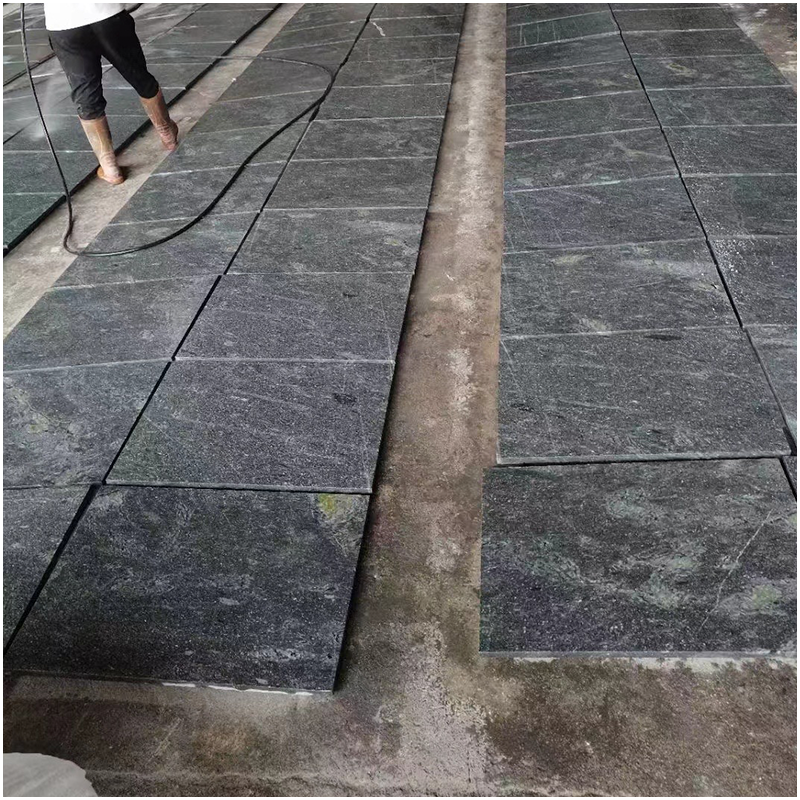
Characterized by cool undertones, ranging from light silver to deep charcoal.
Known for subtle veining patterns that blend well with other materials like wood, glass, or steel.
Creates harmony in contemporary interiors, ideal for minimalist or Scandinavian-style spaces.
Black Marble
Defined by its deep, dark base with striking white or gold veining (e.g., Nero Marquina).
Symbolizes strength, luxury, and drama, often used in high-impact areas.
Best suited for statement pieces in marble flooring, countertops, and feature walls.

Quick Comparison Table
| Feature | Gray Marble | Black Marble |
|---|---|---|
| Visual Tone | Neutral, versatile | Bold, dramatic |
| Design Style | Minimalist, modern | Luxurious, classic |
| Maintenance | Easier to hide dust/stains | Requires more polishing |
| Popular Uses | Flooring, bathrooms, kitchens | Lobbies, feature walls, countertops |
| Emotional Impact | Calm, balanced | Strong, powerful |
2. Scientific & Performance Comparison
Natural stone durability is often assessed under standardized tests such as ASTM C97 (Absorption and Density) and ASTM C170 (Compressive Strength) .
-
Porosity: Gray marble tends to have slightly higher porosity than black marble, making sealing important for both.
-
Hardness: Both are medium-hard stones (3–4 Mohs scale) but dense varieties of black marble may perform slightly better under heavy load.
-
Scratch Resistance: Comparable, though black surfaces show scratches more visibly.
-
Stain Resistance: Gray marble hides imperfections better, while black marble requires frequent polishing to maintain depth.
-
Heat Resistance: Both withstand high temperatures, suitable for marble countertops in kitchens.
3. Applications in Modern Design
Kitchen Countertops
-
Gray marble provides balance and pairs easily with wood cabinetry.
-
Black marble creates a bold focal point, especially in open-concept kitchens.
Bathroom Interiors
-
Gray marble enhances spa-like serenity and complements chrome or brushed nickel fixtures.
-
Black marble evokes luxury and intimacy, ideal for boutique hotels or high-end homes.
Living Rooms & Commercial Spaces
-
Gray marble flooring adapts well to different furniture styles.
-
Black marble slabs dominate luxury lobbies, bars, or showrooms, where strong visual identity is key.
Wall Cladding & Feature Panels
-
Gray marble wall cladding softens the atmosphere in offices and wellness centers.
-
Black marble highlights artistic contrasts in galleries and penthouses.
4. Expert Insights
“Gray marble works like a visual neutralizer, balancing light and shadow. That’s why it adapts so well to evolving design trends.”
— Dr. Elizabeth Stone, Architect, MIT Design Lab, 2023
“Black marble is unmatched in its ability to deliver statement luxury. In commercial projects, it elevates spaces instantly.”
— Ar. James Liu, Hong Kong Design Association, 2024
“From a maintenance standpoint, gray marble is more forgiving, but black marble remains the choice when prestige matters most.”
— Natural Stone Institute (NSI), Annual Report 2024

5. Case Studies
Case 1: European Villa
A luxury villa in Italy opted for gray marble flooring throughout living spaces. The result was a harmonious blend with wood beams and glass partitions, reducing visual heaviness while maintaining sophistication.
Case 2: Dubai Hotel Lobby
A five-star Dubai hotel installed black marble cladding with golden veins in its lobby. The bold entrance design was highlighted in Dezeen’s Top Hospitality Designs of 2024 , praised for its dramatic effect on guests.
Case 3: New York Apartment
A modern apartment combined gray marble countertops with black marble accent walls, achieving balance between warmth and boldness. This hybrid approach was featured in ArchDaily’s Interior Trends Report .
6. Trends for 2025 and Beyond
-
Minimalist Elegance: Gray marble continues to dominate minimalist interiors, pairing well with glass and steel.
-
High-Contrast Interiors: Black marble will rise in popularity for accent zones and statement furniture.
-
Biophilic Design: Designers combine natural stone design with greenery and wood for wellness-focused environments.
-
Smart Lighting Integration: Gray marble reflects light better, while black marble pairs with LED backlighting for dramatic ambiance.
7. Compliance & Standards
Marble must comply with international testing standards to ensure quality:
-
ASTM C97/C97M: Standard Test Methods for Absorption and Bulk Specific Gravity.
-
ASTM C170: Compressive Strength of Dimension Stone.
-
EN 1469: European Standard for Slabs for Cladding.
-
ISO 10545: International standards for stone tile testing.
These certifications ensure durable marble materials are fit for both residential and commercial use.
8. Frequently Asked Questions (FAQ)
Which is easier to maintain—gray marble or black marble?
Gray marble is easier to maintain as it hides dust and minor scratches. Black marble requires regular polishing to maintain its dramatic look.
Can both be used in high-traffic areas?
Yes, but sealing is essential. Gray marble is more forgiving for everyday use, while black marble is often reserved for statement areas.
Can gray and black marble be combined?
Absolutely. Designers often use them together to balance subtlety and boldness in open-plan interiors.
Do lighting conditions affect the choice?
Yes. Black marble absorbs light, creating a moody atmosphere, while gray marble reflects light, brightening the space.
What standards prove marble quality?
Look for compliance with ASTM (C97, C170), EN 1469, or ISO 10545 certifications, ensuring reliability and performance.

Choosing between gray marble and black marble is not about deciding which is better—it’s about matching material characteristics to design intent. Gray marble brings harmony, versatility, and subtle elegance, making it perfect for spaces where balance is essential. Black marble, on the other hand, delivers drama, prestige, and unforgettable impact. Together, they form a complementary duo that defines luxury architecture in 2025.
For designers, developers, and homeowners, the best decision depends on lighting, intended ambiance, and long-term maintenance goals. With both stones tested to international standards and validated by industry experts, either choice ensures lasting beauty and value.
References
-
ASTM International – Standards for Natural Stone: https://www.astm.org/
-
MIT Design Lab – Architecture & Materials Report 2023: https://architecture.mit.edu/
-
Hong Kong Design Association – Annual Interior Trends 2024: https://hkda.hk/
-
Natural Stone Institute – Annual Report 2024: https://www.naturalstoneinstitute.org/
-
Dezeen – Top Hospitality Projects 2024: https://www.dezeen.com/
-
ArchDaily – Interior Design Trends 2024: https://www.archdaily.com/
When weighing gray marble against black marble, the choice is not about superiority but suitability. Both stones represent natural elegance, long-lasting performance, and timeless appeal in modern marble applications.As Dr. Elizabeth Stone (MIT Design Lab, 2023) highlighted, gray marble acts as a “visual neutralizer” that adapts to evolving design trends, making it a safe yet stylish choice for residential projects. In contrast, Ar. James Liu (Hong Kong Design Association, 2024) emphasized that black marble remains “unmatched in statement luxury,” ideal for commercial lobbies and high-impact interiors. The Natural Stone Institute’s 2024 report further reinforced that gray marble offers practical benefits in maintenance, while black marble defines prestige when dramatic impact is required.
The lesson is clear: designers and builders should not view these stones as competitors but as complementary tools. By combining both, projects can balance subtle elegance with bold statements, aligning with interior design trends that prioritize flexibility, luxury, and sustainable value. In 2025 and beyond, the winning strategy is to harness the strengths of each stone under the right conditions—embracing gray marble for versatility and balance, while deploying black marble for authority and drama. Together, they elevate natural stone design into a new era of durability and sophistication.


