


Introduction to Natural Marble
When it comes to selecting materials for high-end designs, natural marble is an unmatched choice. Known for its elegance and durability, marble has been used for centuries in both residential and commercial projects. From countertops to wall cladding, marble’s versatility makes it a timeless material that continues to captivate designers worldwide.
In this guide, we’ll explore everything you need to know about buying natural marble slabs, from their types and benefits to installation tips and maintenance practices. By the end, you’ll be equipped with the knowledge to make an informed decision and select the perfect marble countertops for your space.
Types of Natural Marble
The first step in purchasing marble is understanding the various types available. While white marble is the most popular choice, other varieties like grey marble and marble with intricate veining can add character to a space.
1. China Carrara White Marble
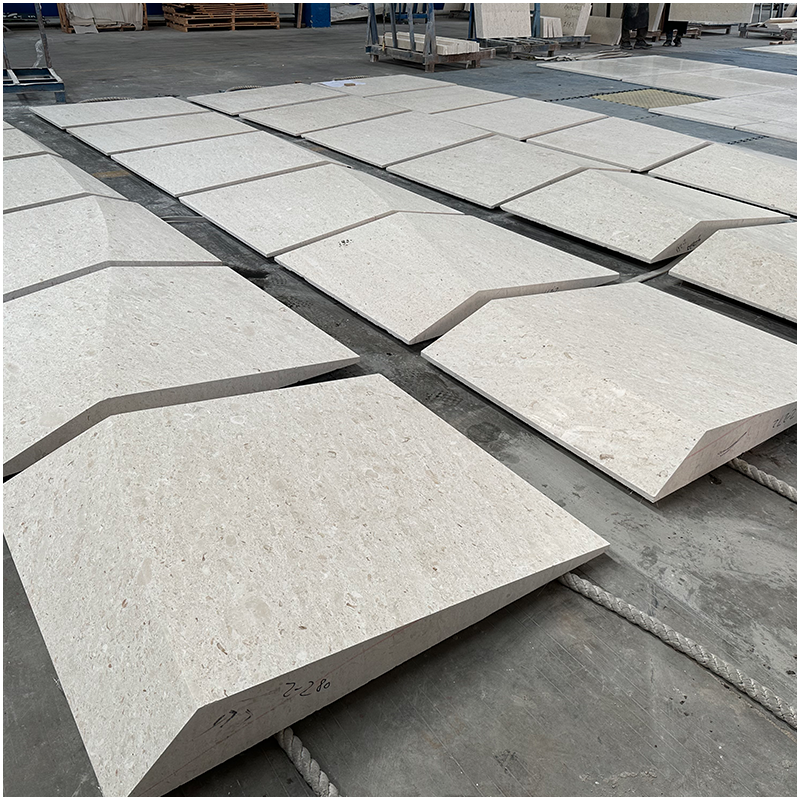
China’s Carrara White Marble has gained recognition for its quality and competitive pricing. Similar to the renowned Italian Carrara, this marble provides the same aesthetic appeal, making it an excellent choice for those seeking luxury on a budget. China Carrara White Marble offers timeless elegance, making it perfect for countertops, flooring, and feature walls.
2. China Carrara Marble Slab
Another popular variety is China Carrara Marble Slab, which is favored for its clean white appearance and subtle grey veins. This stone is particularly suited for both residential and commercial projects, such as luxury hotels, kitchen countertops, and bathroom vanities. Its consistent color and texture make it a versatile option for any space. China Carrara Marble Slab is particularly known for its high-quality finish.
How to Select the Right Marble Slab for Your Project
When choosing marble slabs, several factors must be considered to ensure that you select the right stone for your specific needs. Here’s what you need to think about:
1. Marble Thickness
Thickness plays a significant role in the overall strength and aesthetics of marble. For most applications, 20mm slabs are sufficient. However, for larger surfaces or more durable installations, 30mm slabs are recommended. Thicker slabs offer enhanced structural integrity, making them ideal for high-traffic areas like kitchens and commercial spaces.
2. Veining Patterns
The veining pattern of marble is another important factor. While some may prefer subtle veining, others opt for striking, bold patterns. For a more modern look, linear veining creates a clean, minimalistic effect. Cloudy veining adds a softer, more organic feel. Choosing the right pattern can drastically change the vibe of the space.
Here is the trend graph that compares the durability and aesthetic appeal of 20mm slabs versus 30mm slabs:

Marble Certification and Quality Assurance
To ensure you’re getting high-quality natural marble, it’s essential to check the certification and quality assurance processes. Reputable suppliers, like FOR U STONE, offer certified marble with guaranteed consistency and traceability.
Marble certifications such as OEKO-TEX and SGS verify the stone’s quality and sustainability standards. These certifications ensure that the marble is ethically sourced and meets industry standards for safety and environmental compliance. FOR U STONE’s About Us Page provides detailed information about their sourcing and certification process.
Popular Marble Varieties for Home and Commercial Use
1. Calacatta Marble
One of the most sought-after varieties, Calacatta Marble, is known for its striking white background and bold veining. It’s perfect for high-end residential projects, especially for those looking to create a statement. Whether used in bathrooms, kitchens, or living rooms, Calacatta Marble offers unmatched luxury. Calacatta Marble is a top choice for architects and interior designers looking to elevate the aesthetic of a space.
2. Grey Wooden Marble
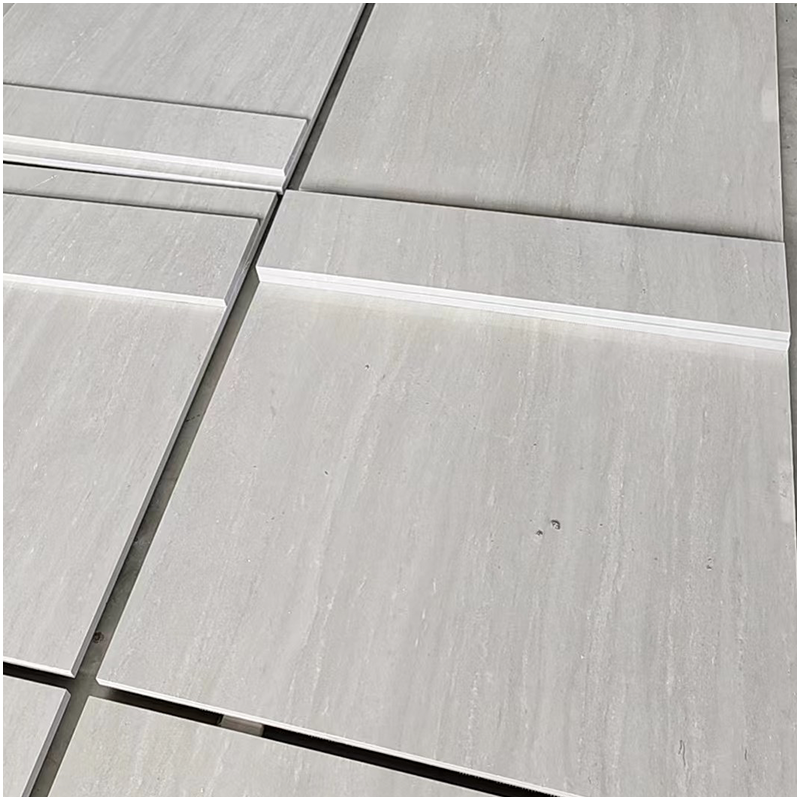
If you’re seeking a more natural look, Grey Wooden Marble offers a beautiful wood-grain pattern that adds warmth to any space. Ideal for contemporary interiors, it can be used for everything from feature walls to kitchen islands. Grey Wooden Marble blends well with natural wood finishes and soft textures, creating a serene atmosphere.

The Importance of Marble Maintenance
| Maintenance Task | Recommended Method | Frequency | Tools Needed |
|---|---|---|---|
| Sealing | Apply a marble-specific sealant to prevent stains | Every 6 months | Soft cloth, sealant |
| Cleaning | Use pH-neutral cleaners for regular maintenance | Weekly or as needed | Soft cloth, mild detergent |
| Stain Removal | Use a poultice for tough stains like wine or coffee | As needed | Poultice, soft cloth |
Proper maintenance is key to ensuring that marble slabs retain their beauty over time. While marble is durable, it requires regular care to keep it looking pristine.
1. Sealing and Cleaning
Sealing your marble countertops and floors is essential to prevent stains and damage. Regular cleaning with pH-neutral detergents helps maintain the surface without causing harm. Avoid acidic cleaners, which can degrade the stone.
2. Stain Removal
For tougher stains, such as wine or coffee, use a poultice or specialized stain remover to lift the stain without damaging the marble’s surface.
The Future of Marble in Design
As we look to the future, natural marble will continue to play a prominent role in interior design. The trend towards sustainable building materials and eco-friendly options is pushing the industry towards responsible sourcing and production practices. With new innovations in marble processing and finishing techniques, the future of marble is brighter than ever.
FOR U STONE is committed to staying ahead of industry trends and providing high-quality, sustainable marble options for its customers. Their emphasis on quality control and customer satisfaction has made them a leader in the marble industry.
Conclusion
Selecting the right natural marble for your project is more than just choosing a beautiful stone. It’s about understanding the material’s properties, its application in your space, and how to maintain it over time. Whether you’re considering Carrara White Marble for a countertop or Grey Wooden Marble for a feature wall, making the right decision will ensure that your marble surfaces remain timeless and stunning for years to come.
By working with trusted suppliers like FOR U STONE, you can be sure that your marble will not only meet your aesthetic expectations but will also stand up to the test of time.
FAQ: Common Questions About Marble
1. What is the difference between Carrara Marble and Calacatta Marble?
Carrara Marble has a more subtle, fine veining and is usually more affordable than Calacatta Marble, which features bolder, more dramatic veining.
2. How can I maintain my marble countertops?
To maintain marble, clean regularly with a pH-neutral detergent and seal the surface every 6-12 months to prevent staining.
3. Can I use marble in outdoor spaces?
While marble is more commonly used indoors, certain types, like China Carrara Marble, can be used outdoors if properly sealed.
4. How do I choose the right thickness for my marble countertops?
For most projects, 20mm is sufficient, but for larger countertops or commercial spaces, 30mm offers more durability and strength.
5. Is marble environmentally friendly?
Marble is a natural stone, making it a more sustainable choice compared to other synthetic materials. However, it’s important to source marble from ethical suppliers.
As experts at FOR U STONE, serving the global market for many years, our team is dedicated to providing clients with sustainable and environmentally friendly high-quality marble. Whether it’s Carrara white marble or other diverse marble options, we provide detailed product guides, technical data, and expert support. Based on our years of experience, the right material will maintain its aesthetics and functionality for years to come, ensuring optimal project results.As material consultant Dr. Elena Rossi says, “Marble is more than just decoration; it’s part of a long-term investment. Through a deep understanding of material properties, we can ensure that every choice adds value to your space.”


